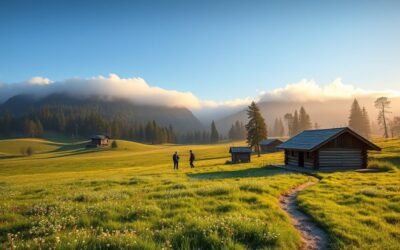
Let’s get straight to it: the best time to visit Litchfield National Park is generally during the dry season, from May to October. This is when the waterfalls are still flowing beautifully, the swimming holes are at their most inviting, and the park’s main attractions are all accessible. While it’s the most popular time, and therefore busier, the benefits of comfortable weather and open access usually outweigh the crowds. We’ll dive into the specifics of why that is, and what to expect during other times of the year, so you can plan your trip with confidence.
Litchfield, like much of the Top End, experiences two distinct seasons: the wet and the dry. These aren’t just subtle shifts; they fundamentally change the park experience.
The Dry Season: May to October
This is, as mentioned, the most popular and generally recommended time to visit. Think clear blue skies, comfortable temperatures, and minimal humidity.
Weather in the Dry Season
Temperatures during the dry season average around 25-30°C (77-86°F) during the day, cooling down to a pleasant 15-20°C (59-68°F) at night. Rainfall is almost non-existent. This consistent, pleasant weather makes outdoor activities, like hiking and swimming, much more enjoyable. You won’t be battling intense humidity or sudden downpours.
Waterfalls and Swimming Holes
A major draw of Litchfield is its spectacular waterfalls and crystal-clear swimming holes. During the dry season, these are generally at their best. The water levels are ideal for swimming, and the water itself is usually very clear. Florence Falls, Tolmer Falls (viewing only), Wangi Falls, and Buley Rockhole are all typically open and accessible. Park rangers regularly check water quality and croc safety, so you can swim with more peace of mind.
Accessibility and Road Conditions
All major roads within Litchfield National Park are generally open and sealed during the dry season. This means easy access to all the main attractions, regardless of your vehicle type. Even the unsealed roads, like the one to Sandy Creek/Tjaynera Falls, are usually in good condition, though a 4WD is still recommended for those. This widespread accessibility makes planning straightforward and reduces travel time.
Crowds in the Dry Season
With ideal conditions comes popularity. The dry season is peak tourist season. You’ll find more people at the popular swimming holes, especially during school holidays and long weekends. Accommodation, both inside and outside the park, tends to book up quickly. While it can feel a bit busy, the park is large enough that you can still find moments of quiet, especially if you visit earlier in the morning or later in the afternoon, or venture to some of the less-visited spots.
Costs in the Dry Season
Accommodation and tour prices can be higher during the dry season due to demand. It’s advisable to book well in advance, particularly for popular campsites or cabins. Fuel prices can also see a slight increase. However, the park itself doesn’t have an entrance fee, so your main costs will be travel, accommodation, and food.
The Wet Season: November to April
The wet season, often called ‘the green season’ or ‘the tropical summer’, is a completely different experience. It’s characterised by high humidity, intense rainfall, and dramatic storms.
Weather in the Wet Season
Temperatures soar, often consistently above 30°C (86°F), coupled with very high humidity, making it feel even hotter. Daily thunderstorms, often in the late afternoon or evening, are common. These can be spectacular, but also intense, bringing heavy rain and strong winds. While it’s called the “wet season,” it doesn’t rain all day, every day; often it’s bursts of heavy rain followed by sunshine.
Waterfalls and Swimming Holes
This is where things change significantly. The waterfalls are absolutely roaring, a powerful, awe-inspiring sight. However, this also means many swimming holes become unsafe due to strong currents, flash flooding, and greatly increased crocodile activity. Wangi Falls and Florence Falls are often closed to swimming for extended periods, and sometimes even for viewing, due to high water levels and crocodile risk. Buley Rockhole might have some sections open, but it’s unpredictable. Always check park alerts before you go.
Accessibility and Road Conditions
Accessibility is a major concern during the wet season. Many roads, particularly the unsealed ones, become impassable due to flooding. Even some sealed roads can be temporarily closed. This means certain areas of the park might be entirely cut off. This unpredictability makes planning difficult, and you might find yourself needing to change plans last minute. A 4WD is highly recommended, and sometimes essential, even if you just plan on sticking to sealed roads, as minor flooding can occur.
Crowds in the Wet Season
Unsurprisingly, crowds are significantly smaller during the wet season. If you’re looking for solitude and don’t mind the heat, humidity, and potential access issues, this could be your time. You’ll often have popular spots almost to yourself, which can be a unique and peaceful experience.
Costs in the Wet Season
Accommodation and tours are generally cheaper during the wet season, as demand drops significantly. This can be appealing for budget travellers who are prepared for the challenges. However, the trade-off is the reduced access and potential disappointment if key attractions are closed.
If you’re planning a trip to Litchfield National Park in the Northern Territory, understanding the best time to visit is crucial for an enjoyable experience. Factors such as weather, crowds, and costs can significantly impact your trip. For those interested in exploring other natural wonders, you might find it helpful to read about the best time to visit Gokgol Cave in Zonguldak, which also discusses similar considerations regarding weather and visitor traffic. You can find this informative article here: Best Time to Visit Gokgol Cave.
Litchfield’s Shoulder Seasons
These periods bridge the gap between the wet and dry, offering a mix of both.
The Build-Up: October to December
This is the period leading into the wet season. It’s characterised by increasing temperatures and humidity, with the occasional dramatic thunderstorm.
Weather in the Build-Up
Hot and humid. Very hot and very humid. Daytime temperatures can easily hit 35°C (95°F) or more, with humidity levels making it feel stifling. Thunderstorms become more frequent and often put on an incredible light show, but the rain relief is often short-lived.
Waterfalls and Swimming Holes
Water levels start to rise, making some falls more spectacular, but also increasing the risk of closures for swimming. Croc activity begins to increase as water bodies connect. It’s a gamble whether your favourite swimming hole will be open.
Accessibility and Road Conditions
Roads are generally still open in October, but as November and December progress, the risk of closures increases. Unsealed roads are more likely to be impacted.
Crowds and Costs in the Build-Up
Crowds begin to thin out significantly after the dry season peak. Accommodation prices might drop slightly. If you can handle the heat and humidity, and are flexible with your plans, this can be a more budget-friendly and less crowded option, but it requires a higher tolerance for discomfort and uncertainty.
The Run-Off: March to April
This is the period immediately following the peak wet season, as the floodwaters begin to recede.
Weather in the Run-Off
Still warm and humid, but starting to dry out slightly compared to the peak wet season. There are still impressive storms, but they become less frequent. The landscape is incredibly lush and green, a stark contrast to the dry season’s muted tones.
Waterfalls and Swimming Holes
The waterfalls are still absolutely pumping, often at their most powerful. As floodwaters recede, some swimming holes might start to open up, but it’s still highly unpredictable and dependent on water levels and ranger assessments. Croc risk remains high.
Accessibility and Road Conditions
Road conditions are improving, but many unsealed roads, and potentially some sealed ones, will still be closed or impacted by flooding, especially in March. April sees significant improvement, with most areas beginning to open up towards the end of the month, though some spots might remain inaccessible for longer.
Crowds and Costs in the Run-Off
Crowds are still very low, and prices remain favourable. This can be a magical time to visit if you want to see Litchfield at its most vibrant and powerful, and are prepared for potential access restrictions. It’s a photographer’s dream due to the dramatic landscapes and powerful falls.
Planning Your Litchfield Trip
Beyond just the season, there are a few practical considerations to keep in mind.
If you’re planning a trip to Litchfield National Park in the Northern Territory, understanding the best time to visit can greatly enhance your experience. For insights on weather patterns, crowd levels, and costs, you might find it helpful to explore a related article that discusses similar factors for another destination. Check out this informative piece on the best time to visit Marmara Ereğlisi, which offers valuable tips that can be applied to your journey in Litchfield National Park.
What to Pack
Regardless of the season, essentials include:
- Sun protection: Hat, sunglasses, high-SPF sunscreen. The sun in the Top End is intense.
- Insect repellent: Especially for mosquitoes and sandflies.
- Swimwear and towel: Even if you can’t swim, you’ll want to be ready if an opportunity arises.
- Sturdy walking shoes: For exploring the trails.
- Reusable water bottle: Stay hydrated!
- First-aid kit: For minor cuts and scrapes.
- Camera: Litchfield is incredibly photogenic.
If visiting in the wet season or shoulder seasons, consider:
- Rain jacket: Lightweight and breathable.
- Waterproof bags: To protect electronics and valuables.
Accommodation Options
Litchfield National Park offers a range of camping options, from basic bush camps to powered sites with amenities. Booking in advance is highly recommended during the dry season. Outside the park, there are caravan parks and some cabin accommodation in nearby towns like Batchelor. Darwin, about 90 minutes away, offers a full range of hotels and hostels if you prefer to base yourself there and do day trips.
Getting Around
A vehicle is essential for exploring Litchfield. While the main roads are sealed, some of the most rewarding spots require travel on unsealed roads. A 2WD vehicle will get you to Florence, Tolmer, and Wangi Falls, and Buley Rockhole. For Sandy Creek/Tjaynera Falls and Lost City, a 4WD is highly recommended, and often mandatory, depending on conditions. Always check road conditions before you go, especially outside the dry season.
Safety in Litchfield
Litchfield is a wild place, and safety is paramount.
- Crocodile Safety: Always assume crocodiles are present in any body of water in the Top End unless clearly signed as safe for swimming. Always obey safety signage. Never swim in undesignated areas.
- Heat and Hydration: Drink plenty of water, especially during warmer months. Avoid strenuous activity during the hottest parts of the day.
- Sun Protection: The sun is incredibly strong. Protect your skin.
- Flash Flooding: During the wet season, be aware of the risk of flash flooding, particularly near rivers and creek crossings.
- Stay on Marked Trails: For your safety and to protect the environment.
Conclusion
Ultimately, the ‘best’ time to visit Litchfield National Park depends on what you’re looking for.
- For classic Litchfield, ease of access, comfortable weather, and reliable swimming: Choose the dry season (May to October). Be prepared for crowds and book ahead.
- For dramatic, thundering waterfalls, lush landscapes, and solitude (with potential access challenges): Consider the wet season (November to April). You’ll need to be flexible, heat-tolerant, and check park alerts diligently.
- For a compromise between the two, with potentially fewer crowds and still impressive waterfalls: The shoulder seasons (late April/early May or October/early November) can be a good option, but you’ll need to be prepared for the transitioning weather and potentially unpredictable access.
No matter when you decide to go, Litchfield National Park offers an unforgettable experience. Plan carefully, respect the environment, and enjoy the stunning natural beauty of the Northern Territory.
FAQs
1. What is the best time to visit Litchfield National Park in the Northern Territory?
The best time to visit Litchfield National Park is during the dry season, which runs from May to September. During this time, the weather is pleasant, and the park is less crowded.
2. What is the weather like in Litchfield National Park during the dry season?
During the dry season, the weather in Litchfield National Park is warm and sunny, with temperatures ranging from 20°C to 32°C. There is very little rainfall during this time, making it ideal for outdoor activities.
3. When is the peak tourist season in Litchfield National Park?
The peak tourist season in Litchfield National Park is during the dry season, particularly in the months of June and July. During this time, the park can get crowded, and accommodations may be more expensive.
4. What are the costs associated with visiting Litchfield National Park during the dry season?
During the dry season, the costs of visiting Litchfield National Park may be higher due to increased demand for accommodations and tours. It is advisable to book accommodations and tours in advance to secure the best prices.
5. Are there any specific events or festivals to consider when planning a visit to Litchfield National Park?
Litchfield National Park does not host any specific events or festivals during the dry season. However, visitors can enjoy various outdoor activities, such as hiking, swimming in waterfalls, and wildlife spotting during this time.