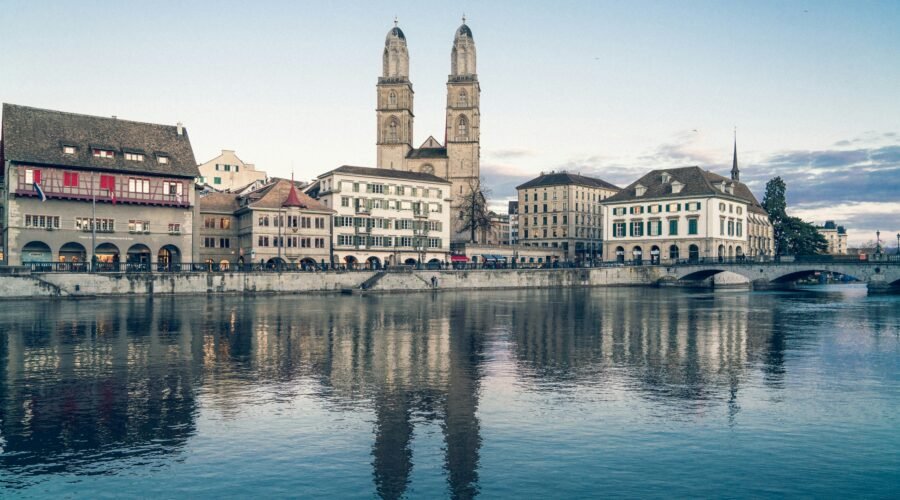
Choosing the best time to visit Zurich depends on what you want from the trip. Warm lake days, spring flowers, fall colors, Christmas markets, lower crowds, and better-value hotel dates all happen at different times of year. Zurich works as a year-round destination, but the experience changes noticeably with the season.
Quick Answer
For most travelers, May, September, and early October offer the best balance of comfortable weather, manageable crowds, and sightseeing conditions in Zurich. Choose June through August for swimming and long summer days, late November through December for Christmas atmosphere, or January and February if quieter streets matter more than warm weather.
Key Takeaways
- Best overall balance: May, September, and early October.
- Best for warm weather and lake activities: June through August.
- Best for fewer leisure tourists: January, February, April, and October, outside major events.
- Best for Christmas markets: Late November through December.
- Best for value: Shoulder-season and post-holiday dates can offer better rates, but hotel and airfare prices still depend on events and demand.
Best Time to Visit Zurich at a Glance
| Travel Goal | Best Time |
| Best overall balance | May, September, early October |
| Warmest weather and swimming | June-August |
| Spring flowers | April-May |
| Fall colors and walking | September-October |
| Christmas markets | Late November-December |
| Quieter winter city break | January-February |
Summer: Warm Weather, Lake Days, and Peak Demand
If sunshine, long days, swimming, and outdoor dining are high on your priority list, summer in Zurich is an excellent choice. June, July, and August bring the city’s most active outdoor season, with Lake Zurich, the Limmat, parks, hiking routes, and open-air events taking center stage.
Weather in Summer
Zurich has a temperate climate with four distinct seasons. Summer is generally warm rather than relentlessly hot, although hot spells can push temperatures above 30°C (86°F). The official Zurich Tourism climate guide recommends checking the short-term forecast because conditions can change quickly.
Average Temperatures
- June: Usually mild to warm, with many afternoons reaching the high teens or low 20s Celsius. Cooler or rainy days are still possible.
- July & August: Usually the warmest part of the year. Daytime temperatures commonly reach the low-to-mid 20s Celsius, while hot spells can exceed 30°C (86°F). Evenings are generally comfortable but can feel warm during heat waves.
Sunshine and Rainfall
Summer brings long daylight hours and plenty of opportunities to be outdoors, but it is not a reliably dry season. Showers and thunderstorms can develop, particularly later in the day. MeteoSwiss climate normals for Zurich show meaningful summer precipitation, so pack for both sun and rain rather than assuming clear skies throughout your stay.
Note: Zurich Tourism recommends checking the short-term forecast even during summer. A lightweight waterproof layer is useful in every warm-weather month.
Crowds in Summer
Summer is one of Zurich’s busiest leisure-travel periods. Popular lakefront areas, major attractions, restaurants, and day-trip routes receive more visitors than during much of spring, fall, or the post-holiday winter period.
Tourist Numbers
- June: Visitor activity rises as days become warmer and European school-holiday periods approach.
- July & August: These are typically busy months for international visitors, families, European vacationers, and travelers combining Zurich with other Swiss destinations.
Impact on Your Visit
Popular museums and attractions can be busier, while restaurants with terraces and lake views may fill quickly on warm evenings. Zurich’s public transportation system remains efficient, but vehicles and stations can feel crowded during commuting periods and major events.
Activities and Events
Summer is the season for spending as much time as possible outdoors.
Outdoor Pursuits
- Lake Zurich: Swimming, sailing, paddleboarding, lakeside walks, cycling, and boat trips are popular in warm weather. The promenade is especially enjoyable during long summer evenings.
- Uetliberg Mountain: Zurich’s local mountain rises to 871 meters and offers views over the city, lake, and, in clear weather, the Alps. Walking and biking routes make it an easy nature break from central Zurich.
- Parks and Gardens: Zurich has dozens of public green spaces, including the Chinese Garden, Botanical Garden, Rieterpark, and lakeside parks.
- River Limmat: Swimming is possible in designated areas such as the Oberer and Unterer Letten, but the river current can be powerful.
Warning: Do not treat the entire Limmat as a swimming zone. Zurich Tourism warns against swimming in several central sections, near docks, under bridges, and in areas affected by boat traffic or locks. Use designated access and exit points, and only enter the current if you are a capable swimmer. See the official Zurich river-swimming guidance.
Festivals and Cultural Happenings
- Street Parade: This major electronic-music event normally takes place in August around Zurich’s lake basin. The 2026 Street Parade was held on August 8, and organizers reported around 900,000 attendees.
- Open-Air Events: Warm-weather calendars regularly include concerts, food events, markets, outdoor cinema, and neighborhood festivals.
- Seasonal Lake Events: The lakeshore becomes a focal point for recreation and special events, especially on warm weekends.
Costs in Summer
Summer often brings stronger leisure-travel demand, so accommodation and flights can cost more than on quieter dates. Exact prices vary by weekday, event calendar, booking lead time, and the wider European travel market.
Accommodation
- Hotels: Popular properties can become expensive or sell out on busy summer dates. Reserving ahead gives you more choice.
- Apartments/Vacation Rentals: Central and lake-adjacent properties can also book quickly during high-demand periods.
Flights
- Airfares: Summer demand can push fares upward, particularly around school holidays. Compare flexible dates rather than assuming one summer month is always cheapest.
Activities and Dining
- Attraction Tickets: Many admission prices do not change by season, but advance booking may help with popular tours and exhibitions.
- Dining: Zurich is an expensive dining city year-round. Summer adds more terraces, seasonal menus, outdoor bars, and lakefront dining options.
If you’re planning a trip to Zurich, Switzerland, you might also be interested in comparing seasonal travel patterns in other destinations. This guide to the best time to visit Davenport, Iowa also looks at weather, crowds, and costs throughout the year.
Spring: The Gentle Awakening
Spring in Zurich, especially April and May, is an attractive transition period. Parks begin to bloom, outdoor cafés become more appealing, and sightseeing usually feels less intense than during the summer peak.
Weather in Spring
Spring brings gradual warming but also considerable day-to-day variation. Layers and rain protection are useful because a sunny afternoon can follow a cool or wet morning.
Average Temperatures
- April: Generally cool to mild. Cold mornings remain possible, while sunnier afternoons can feel pleasantly springlike.
- May: Usually noticeably warmer, with increasingly comfortable conditions for walking, cycling, gardens, and lakeside sightseeing.
Sunshine and Rainfall
Daylight increases rapidly through spring. Expect a mixture of bright periods, cloud, and showers rather than stable weather every day. The changing conditions are one reason layers work better than a single heavy coat.
Crowds in Spring
Spring generally brings fewer leisure tourists than July and August, although Easter, public holidays, school breaks, conferences, and local events can still produce busy dates.
Tourist Numbers
- April: Often relatively calm outside holiday weekends and Sechseläuten festivities.
- May: Visitor numbers tend to increase as weather improves and more travelers begin touring Switzerland.
Impact on Your Visit
Compared with the busiest summer weeks, spring can make museums, Old Town walks, restaurants, and public spaces easier to enjoy without as much leisure-tourism pressure.
Activities and Events
Spring is a good time to combine gardens, city walks, museums, and the first longer outdoor excursions of the year.
Outdoor Pursuits
- Blooming Gardens: Zurich Tourism highlights the city’s parks and gardens, while the Botanical Garden of the University of Zurich is particularly attractive in spring.
- Lake Zurich: Walking the promenade and taking boat trips can be enjoyable even before swimming season. Water temperatures may still feel cold.
- Uetliberg: Hiking becomes increasingly attractive as conditions improve. Trails may still be wet or muddy after poor weather.
- Cycling: Mild, dry days are well suited to exploring Zurich and surrounding neighborhoods by bicycle.
Festivals and Cultural Happenings
- Sechseläuten: Zurich’s traditional spring festival combines guild processions with the burning of the Böögg at Sechseläutenplatz. In 2026, the main celebration took place on April 20. Future dates should be checked on the official calendar rather than assumed from a fixed weekday formula.
- Art and Design Exhibitions: Galleries and museums continue their seasonal exhibition programs, giving you strong indoor alternatives when spring weather turns wet.
Costs in Spring
Spring can offer better value than the busiest summer dates, but Zurich remains a high-cost destination and prices can jump around holidays, festivals, trade events, and conferences.
Accommodation
- Hotels: April and early May can provide more choice than peak summer, although prices should be compared across several dates.
- Apartments/Vacation Rentals: Availability can be better than in high summer, especially when you book outside major events.
Flights
- Airfares: Spring fares can be attractive outside Easter and other high-demand travel periods, but there is no guaranteed cheapest month.
Activities and Dining
- Attraction Tickets: Standard admission pricing usually applies, with fewer leisure visitors on many dates.
- Dining: Outdoor seating gradually returns as conditions warm. Zurich’s restaurant prices remain relatively high regardless of season.
Autumn: The Cozy and Colorful Season

September and October are among the most appealing months for travelers who want pleasant sightseeing conditions without the strongest summer leisure crowds. September can still feel mild, while October brings cooler air and increasingly colorful landscapes.
Weather in Autumn
Early autumn can be comfortable for walking and hiking. Conditions become cooler and more changeable as October progresses, so a waterproof outer layer and warmer clothing become increasingly useful.
Average Temperatures
- September: Often mild enough for long walks, lake excursions, outdoor cafés, and hiking.
- October: Noticeably cooler, particularly in the mornings and evenings. Cold nights become increasingly possible later in the month.
Sunshine and Rainfall
September can deliver clear, pleasant days, but no autumn period is guaranteed to be dry. October more often feels cool, damp, or foggy, especially during unsettled weather. Flexible indoor and outdoor plans work best.
Crowds in Autumn
Autumn is a useful shoulder season for travelers who want a calmer experience than the summer peak while still keeping many outdoor activities available.
Tourist Numbers
- September: Still active because of pleasant weather, cultural events, and business travel, but generally less dominated by summer vacation traffic.
- October: Leisure-tourism pressure often decreases further, although festivals and conferences can create localized demand.
Impact on Your Visit
Many travelers find autumn easier for museums, galleries, Old Town exploration, restaurants, and walking because popular areas are not carrying the same summer vacation volume.
Activities and Events
Autumn combines outdoor scenery with the start of a busy cultural season.
Outdoor Pursuits
- Fall Foliage: Parks, lakeside paths, surrounding forests, and wine-growing areas around the canton become increasingly colorful as the season develops.
- Hiking: September and early October can provide excellent hiking conditions. Always check forecasts and trail conditions before heading into higher terrain.
- Boat Trips on Lake Zurich: Cruises and lakeside walks remain appealing even after swimming conditions become too cool for most visitors.
- Wine Region: Zurich has vineyards both around Lake Zurich and elsewhere in the canton, making fall a natural season for wine-related outings.
Festivals and Cultural Happenings
- Zürich Film Festival: This is an autumn event, not a summer festival. The 2026 Zurich Film Festival runs from September 24 through October 4.
- Autumn Markets: Seasonal food, wine, crafts, and regional produce appear at markets and fairs around Zurich and the surrounding region.
- Museums and Galleries: The Kunsthaus Zürich, Swiss National Museum, FIFA Museum, and numerous smaller institutions provide reliable options when temperatures drop.
Pro Tip: September is one of the easiest months to recommend to first-time visitors. You still have useful daylight and outdoor options, while the city generally feels less dominated by peak summer vacation traffic.
Costs in Autumn
Autumn can balance enjoyable sightseeing weather with more flexible pricing than the busiest summer periods, although Zurich’s business calendar means hotel rates do not always fall neatly with the seasons.
Accommodation
- Hotels: Rates may ease after the main summer vacation period, especially on dates without festivals, conferences, or major events.
- Apartments/Vacation Rentals: Availability can improve compared with the busiest summer weeks.
Flights
- Airfares: September and October can provide competitive fares, particularly after the strongest summer demand has passed, but prices depend on route and booking date.
Activities and Dining
- Attraction Tickets: Admission prices usually remain stable, while smaller crowds can make the experience feel less rushed.
- Dining: Autumn menus often feature mushrooms, game, seasonal produce, and regional wine. Restaurant costs remain high by European standards.
Winter: Festive Zurich and Quieter Post-Holiday Months

If Christmas markets, winter food, museums, lights, and easy access to snowy day trips appeal to you, winter can be an excellent time to visit. December feels festive and busy in central areas, while January and February usually offer a quieter city experience after the holiday period.
Weather in Winter
Zurich winters are cold, and freezing temperatures are possible. Snow can fall in the city, but continuous snow cover should not be assumed. Nearby hills and higher Alpine destinations provide more dependable winter scenery.
Average Temperatures
- December: Cold days and frosty nights are common possibilities, especially during clear weather.
- January & February: These are among the coldest months. Daytime temperatures can hover only a few degrees above freezing, while nights may fall below 0°C (32°F).
Sunshine and Snowfall
Winter days are short, and gray or foggy conditions can occur. Snowfall is possible in Zurich, but the city does not remain snow-covered throughout every winter. For travelers whose trip depends on snow, choose a higher-elevation excursion and verify current conditions shortly before departure.
Crowds in Winter
Winter crowds differ sharply between festive December and the quieter weeks after New Year.
Tourist Numbers
- December: Christmas markets, shopping, seasonal events, and holiday travel draw substantial numbers of visitors to central Zurich.
- January & February: Leisure tourism usually calms after the festive period, making these good months for travelers who prefer quieter museums and streets.
Impact on Your Visit
December weekends can be busy around markets, Bahnhofstrasse, the main station, Bellevue, and the Old Town. January and February are generally more relaxed outside individual events and busy business-travel dates.
Activities and Events
| Month | Weather | Typical Leisure Crowds | Typical Price Pressure |
| January | Cold; snow possible | Low to moderate | Often lower than festive December |
| April | Cool to mild; showers possible | Low to moderate | Moderate; event-dependent |
| July | Warm; thunderstorms possible | High | Often high |
| October | Cool; mixed conditions | Moderate | Moderate; event-dependent |
Winter in Zurich combines festive outdoor experiences with museums, restaurants, concerts, and easy access to snow activities outside the city.
Outdoor Pursuits
- Christmas Markets: Zurich has several central Advent markets. For 2026, major markets at the Old Town, main station, Münsterhof, Werdmühleplatz, and Bellevue begin around November 19 and generally run until December 23 or 24.
- Ice Skating: Seasonal ice rinks and winter attractions appear in Zurich and the surrounding region.
- Winter Hiking and Snow Activities: Conditions around Zurich vary with elevation and recent weather. Higher ground provides more reliable winter conditions than the city center.
- Day Trips to Ski Areas: Zurich can serve as a base for winter excursions, although serious ski days usually require additional travel time to higher mountain destinations.
Festivals and Cultural Happenings
- New Year’s Eve: Zurich’s organized New Year’s Eve celebration traditionally centers on the lake basin, with entertainment and an official fireworks display over Lake Zurich.
- Art and Culture: The Kunsthaus Zürich, Swiss National Museum, FIFA Museum, and other institutions are useful cold-weather options.
- Concerts and Theater: Tonhalle Zürich and Opernhaus Zürich maintain substantial performance calendars through winter.
Costs in Winter
Winter pricing is split between the high-demand festive period and quieter post-holiday dates.
Accommodation
- December: Christmas-market weekends and holiday dates can be expensive, especially for centrally located hotels.
- January & February: Better hotel deals can appear after the holidays, but conferences and business demand can still raise prices on specific dates.
Flights
- December: Holiday travel can increase airfares.
- January & February: Competitive fares are often available after the holiday rush, but no month is guaranteed to be the cheapest for every departure city.
Activities and Dining
- Attraction Tickets: Major museums generally use standard admission prices rather than seasonal pricing.
- Dining: December brings festive menus, fondue, raclette, and seasonal pop-ups. January and February can make reservations easier at restaurants that remain open.
If you’re comparing Zurich with another destination where seasonal weather, crowds, and costs matter, this guide to the best time to visit Boulder, Colorado uses a similar planning approach.
Shoulder Seasons: The Smart Traveler’s Choice
Spring, particularly April and May, and autumn, particularly September and October, are strong choices for travelers who want to balance outdoor sightseeing with fewer peak-summer leisure crowds.
The Appeal of Spring and Autumn
Neither shoulder season guarantees perfect weather, but both give you a realistic chance to enjoy parks, Old Town walks, lake excursions, museums, and day trips without committing to midsummer crowds or midwinter cold.
Weather Balance
Temperatures are generally milder than in winter and less prone to summer heat. Rain remains possible in both seasons, so flexible plans work better than tightly scheduling every outdoor activity.
Crowd Management
Leisure crowds generally decrease compared with July and August. Zurich is also a major business and conference destination, however, so individual hotel dates can still become busy.
Cost-Effectiveness
Shoulder-season dates can provide better hotel or airfare options than peak vacation periods. The best strategy is to compare several dates rather than assuming every April, May, September, or October stay will automatically be inexpensive.
When to Choose Which Shoulder Season
Spring and autumn each suit a different type of trip.
Spring (April-May)
- Best for: Flowering parks, longer daylight, spring walks, gardens, and Zurich traditions such as Sechseläuten.
- Considerations: Weather can change quickly, and some days remain cool or wet.
Autumn (September-October)
- Best for: Fall color, hiking, wine-related outings, cultural events, and the Zurich Film Festival.
- Considerations: Conditions become cooler and wetter as October advances.
Activities Tailored for Shoulder Seasons
Many summer activities remain available in spring and fall, but they feel different without peak heat or the strongest vacation crowds.
- Parks and Gardens: Spring emphasizes new growth and flowers, while autumn provides colorful leaves and seasonal scenery.
- Lake Zurich: Cruises and lakeside walks work well in both seasons, even when swimming is too cold.
- Cultural Exploration: Museums, galleries, churches, and historical areas provide weather-proof alternatives when rain arrives.
Planning Your Visit: Beyond the Season
Once you have chosen the season that suits your priorities, a few practical decisions can make a major difference to your Zurich trip.
Booking in Advance
Advance booking is most valuable during summer, Christmas-market weekends, major events, and other high-demand dates.
- Accommodation: Popular hotels and apartments can sell out well ahead of summer weekends and festive December dates.
- Flights: Start comparing fares early if your travel dates are fixed. Flexible weekday departures can sometimes save more than choosing one supposedly “cheap” month.
- Popular Attractions: Reserve time-specific tours, major temporary exhibitions, and sought-after restaurants when they are important to your trip.
Transportation in Zurich
Zurich’s integrated public transportation network makes a car unnecessary for most city visits.
- Zürich Card: As of September 2026, the official card costs CHF 29 for 24 hours or CHF 56 for 72 hours for adults. It includes unlimited second-class public transportation in Zurich and specified surrounding fare zones, airport-city travel, the Uetliberg route, selected lake and river cruises, and free or discounted admission at numerous attractions. Check the current official Zürich Card information before purchasing because prices and benefits can change.
- Walking: Central Zurich, the Old Town, Bahnhofstrasse, the Limmat riverfront, and much of the lower lakefront are easy to explore on foot.
- Trains: Switzerland’s rail system makes day trips to other cities, lakes, and mountain areas straightforward.
Current 2026 Transit Note: As of September 1, 2026, construction affects the underground SZU platforms at Zurich Main Station. Zurich Tourism states that the S10 to Uetliberg runs only as far as Selnau during the closure, which is scheduled through October 18, 2026. Check current SBB or ZVV routing before departure if visiting during this period.
Packing Smart
Your exact packing list depends on the season, but several items are useful for most Zurich trips.
- Layers: Temperatures and cloud cover can change during the day, especially in spring and autumn.
- Comfortable Shoes: Old Town streets, lake promenades, museums, and viewpoints involve substantial walking.
- Rain Gear: A compact umbrella or lightweight waterproof jacket is useful year-round.
- Adapters and Chargers: Switzerland uses 230V/50Hz electricity and Type C and Type J plugs. Two-pin Type C plugs fit Type J sockets, but some larger grounded European plugs do not. Travelers from countries using other plug systems should bring a Switzerland-compatible adapter.
Budget Considerations
Zurich is one of Europe’s more expensive city destinations, so small daily choices can make a noticeable difference to your overall trip cost.
- Dining Out: Bakeries, takeaway counters, lunch menus, and casual cafés can cost less than full-service dinner restaurants.
- Free Activities: Explore the Old Town, lakeside promenades, parks, viewpoints, and walking routes. Hiking itself is generally free, although transportation to trailheads may cost money.
- Supermarkets: Migros and Coop are useful for drinks, snacks, picnic food, and self-catering supplies.
By matching the season with your priorities, you can build a Zurich trip around the experience you actually want. Summer suits swimming and long outdoor days; spring and autumn offer balanced sightseeing conditions; December delivers the strongest festive atmosphere; and January or February can work well for a quieter cold-weather city break.
Frequently Asked Questions
What is the best time to visit Zurich for good weather?
June through August provide the warmest conditions and longest days, but summer showers and thunderstorms are still possible. If you prefer milder temperatures for walking, May and September are strong alternatives.
When is peak tourist season in Zurich?
July and August are among the busiest leisure-travel months. December can also become very busy around Christmas markets, shopping areas, and holiday events.
What is the quietest time to visit Zurich?
January and February are generally quieter for leisure tourism after the holiday period. April and October can also feel calmer than midsummer, although conferences and major events may temporarily increase demand.
When should I visit Zurich to avoid crowds?
Consider April, May, September, October, January, or February. May and September are especially useful if you want comfortable sightseeing weather without relying on the busiest summer period.
When is the most affordable time to visit Zurich?
Post-holiday winter dates and some shoulder-season periods can offer better hotel or airfare options, but Zurich prices also respond to conferences, events, weekends, and flight demand. Compare several dates instead of relying on one fixed “cheapest month.”
When are the Christmas markets in Zurich?
Zurich’s main Christmas markets usually operate from the second half of November until shortly before Christmas. For 2026, several major central markets begin around November 19 and run until December 23 or 24.
Can you swim in the Limmat River in Zurich?
Yes, but only use appropriate swimming areas and designated access and exit points. Currents can be strong, and swimming is prohibited or unsafe in several central sections, near docks, bridges, locks, and boat traffic.
Is the Zürich Card worth buying?
It can be good value if you plan to use public transportation frequently and visit several participating museums or attractions. The card also includes airport-city travel and travel to Uetliberg, so compare its current price with the individual trips and admissions in your itinerary.
Sources
- Zurich Tourism — Seasons and Climate — Zurich’s seasonal climate and year-round travel guidance.
- MeteoSwiss — Climate Normals — official Swiss climate-normal methodology and 1991-2020 reference period.
- Zurich Tourism — Zürich Card — current prices, transportation coverage, and visitor benefits.
- Zurich Tourism — River Swimming — Limmat swimming areas, restrictions, and safety guidance.
- Zurich Film Festival — official 2026 festival dates and information.
- Switzerland Tourism — Electricity — Swiss voltage and Type C/Type J plug information.