Lucerne is beautiful year-round, but the best time to visit really depends on what you’re hoping to experience. Generally, late spring (May-June) and early autumn (September-October) offer a fantastic balance of pleasant weather, manageable crowds, and reasonable costs. Summer is gorgeous but can be bustling and pricier, while winter has its own quiet charm and opportunities for festive activities, albeit with colder temperatures.
Lucerne, nestled in the heart of Switzerland, experiences four distinct seasons, each offering a unique flavour of the city and its surrounding natural beauty. Knowing what to expect from each season is key to planning your perfect trip.
Spring (April to June)
Spring in Lucerne is a time of renewal and blossoming. The city shakes off its winter slumber, and the landscapes transform into vibrant greens.
Weather in Spring
- April: Expect temperatures ranging from 5°C to 15°C (41°F to 59°F). It can be a bit unpredictable, with sunny days interspersed with some rain showers. Snow is rare in the city itself, but higher mountain excursions might still see some.
- May: This is arguably one of the best months. Temperatures typically sit between 10°C and 20°C (50°F to 68°F). Days are longer, and the sun makes more regular appearances. There’s still a chance of rain, but it’s usually brief.
- June: Similar to May but generally warmer, with averages from 15°C to 25°C (59°F to 77°F). It’s officially summer, but the crowds haven’t peaked yet.
Crowds in Spring
- April: Still relatively quiet, especially early in the month. You’ll find fewer tourists than in peak summer.
- May: Crowds start to pick up as the weather improves, but it’s far from the summer rush. Attractions are comfortably busy, but not overwhelming.
- June: Gets noticeably busier as schools let out and summer holidays begin. Popular spots will have more people, but it’s still manageable.
Costs in Spring
- Flights & Accommodation: Generally more affordable than peak summer, especially in April and early May. Prices start to creep up in June.
- Activities: Standard pricing. Some seasonal boat tours or mountain transport might open up or increase frequency towards the end of spring.
- Overall Value: Good value for money, particularly in May, offering excellent weather without the highest price tags.
Summer (July to August)
Summer is Lucerne at its most vibrant and popular. The weather is warm, the lake is inviting, and the mountains call.
Weather in Summer
- July: Warmest month, with average temperatures between 18°C and 28°C (64°F to 82°F). Expect plenty of sunshine, though afternoon thunderstorms can occur.
- August: Similar to July, perhaps a touch cooler towards the end of the month, ranging from 17°C to 27°C (63°F to 81°F). Long daylight hours are a bonus.
- What to Pack: Light clothing, swimwear, sunglasses, and a light rain jacket for those potential storms.
Crowds in Summer
- Peak Season: This is when Lucerne is most crowded. Expect popular attractions, restaurants, and public transport to be bustling.
- Booking Ahead: Essential for accommodation, popular restaurants, and certain tours, especially if you have specific preferences.
- Popularity: Lucerne is a major tourist destination, and summer sees visitors from all over the world.
Costs in Summer
- Highest Prices: Accommodation, flights, and sometimes even local transport prices are at their peak.
- Advance Booking Savings: Booking well in advance can help mitigate some of the higher costs.
- Budgeting: Factor in higher expenses for everything from a lakeside meal to souvenir shopping.
Autumn (September to October)
Autumn brings a stunning display of colours to the surrounding hills and mountains, making it a visually spectacular time to visit.
Weather in Autumn
- September: A fantastic month, often considered a “shoulder season” sweet spot. Temperatures average 12°C to 22°C (54°F to 72°F). Days are typically sunny and pleasant, with cooler evenings.
- October: Gets noticeably cooler, with averages between 7°C and 16°C (45°F to 61°F). The chances of rain increase, and crisp, clear days alternate with cloudier ones.
- What to Pack: Layers are key – sweaters, light jackets, and perhaps a warmer coat for evenings in October.
Crowds in Autumn
- September: Crowds begin to thin out significantly after the summer rush. Still busy enough to feel lively, but less overwhelming.
- October: Fewer tourists. You’ll find it easier to enjoy attractions without long queues. Some smaller, seasonal operations might start to close down towards the end of the month.
- Good for Peaceful Exploration: Ideal for those who prefer a quieter experience while still enjoying good weather.
Costs in Autumn
- Lower Prices: Accommodation and flights generally drop from their summer highs, especially in October.
- Good Value: September, in particular, offers excellent value, combining pleasant weather with reduced costs and fewer crowds.
- Activities: Most major attractions and boat tours still operate, sometimes on reduced schedules in late October.
Winter (November to March)
Winter in Lucerne can be magical, especially if you enjoy crisp, cold weather and festive atmospheres.
Weather in Winter
- November: Chilly, with temperatures usually between 2°C and 9°C (36°F to 48°F). The landscape transitions, and the first snow might fall, especially in higher elevations.
- December-February: The coldest months. Temperatures often hover around freezing, from -2°C to 5°C (28°F to 41°F). Snow is common in the city itself, creating a picturesque scene.
- March: Starts to thaw, with temperatures from 1°C to 10°C (34°F to 50°F). Still quite cold, but signs of spring emerge.
- What to Pack: Warm winter clothing is essential: heavy coats, hats, gloves, scarves, and waterproof boots.
Crowds in Winter
- Generally Quieter: Except for the Christmas and New Year period, winter sees the fewest tourists.
- Festive Season: Expect a slight bump in visitors around Christmas markets and during the ski season in nearby mountains.
- Unique Atmosphere: If you don’t mind the cold, you’ll find a more authentic and less tourist-centric experience.
Costs in Winter
- Lowest Season: Flights and accommodation are generally at their lowest outside of the festive peak.
- Christmas Markets: Activities like visiting Christmas markets are free, but shopping and food can add up.
- Skiing Costs: If you plan on skiing in the nearby Alps, factor in lift passes, equipment rental, and lessons, which can be significant.
- Overall Value: Good for budget-conscious travellers who are prepared for the cold.
If you’re planning a trip to Lucerne, Switzerland, understanding the best time to visit can greatly enhance your experience. For insights into travel timing, you may find it helpful to read a related article on the best time to visit Sarikaya, Yozgat, which discusses weather, crowds, and costs in detail. You can check it out here: Best Time to Visit Sarikaya, Yozgat: Weather, Crowds, and Costs.
Activities and Events by Season
Lucerne offers different experiences depending on the time of year. Consider what you want to do most before picking your travel dates.
If you’re planning a trip to Lucerne, Switzerland, understanding the best time to visit can greatly enhance your experience. For those interested in exploring other beautiful destinations, you might find it helpful to read about the best time to visit Edremit, Turkey, which offers insights into weather, crowds, and costs that can be quite similar to those in Lucerne. You can check out the article here for more information on planning your travels effectively.
Spring Activities
- Lake Cruises: Boat trips on Lake Lucerne start to increase in frequency, offering stunning views of the awakening landscape.
- Mountain Excursions: Mount Pilatus, Rigi, and Titlis become more accessible as the snow recedes. The “Golden Round Trip” to Pilatus is popular.
- Hiking & Cycling: The milder weather is perfect for exploring the many trails around the lake and in the lowlands.
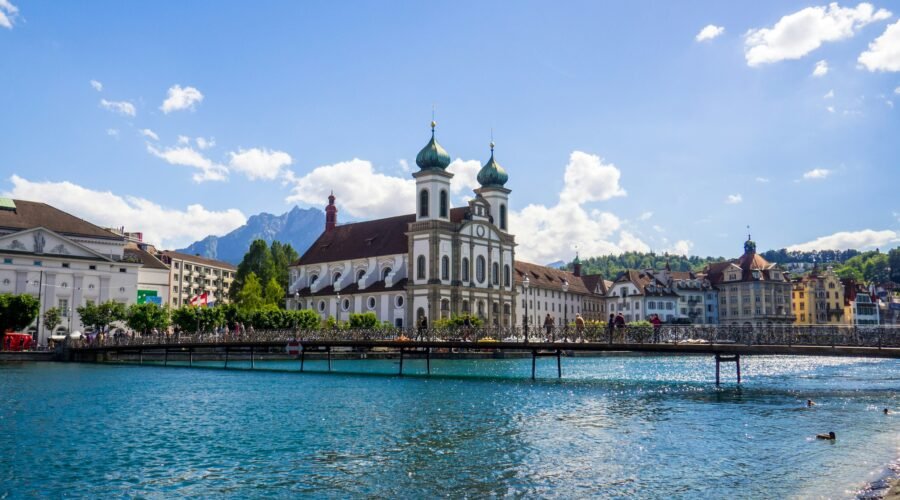
- City Strolls: Enjoy walking the Chapel Bridge, exploring the Old Town, and visiting museums without the summer crowds.
Summer Activities
- Swimming & Watersports: Lake Lucerne is inviting for a dip, paddleboarding, or kayaking.
- Open-Air Events: Many festivals and open-air concerts take place, such as the Lucerne Festival (classical music).
- Long Hikes & Mountain Adventures: All mountain transport is fully operational, offering endless hiking opportunities and thrilling cable car rides.
- Al Fresco Dining: Enjoy meals at lakeside restaurants or charming Old Town cafes.
Autumn Activities
- Foliage Viewing: The main draw for many. Take a train ride, a boat cruise, or hike in the hills for spectacular autumn colours.
- Harvest Festivals: Smaller, local events celebrating the harvest season might occur in the surrounding villages.
- Museums & Galleries: A good time to explore Lucerne’s indoor attractions as the weather gets cooler.
- Wine Tasting: Some vineyards in the wider region offer tours and tastings as the grape harvest concludes.
Winter Activities
- Christmas Markets: From late November through December, Lucerne hosts charming Christmas markets with local crafts and festive food.
- Ice Skating: Temporary ice rinks often pop up in the city centre.
- Skiing & Snowboarding: World-class ski resorts like Engelberg-Titlis are just a short train ride away.
- Cozy Cafes & Fondue: Embrace the Swiss tradition of fondue and raclette in a warm, inviting restaurant.
- Spa & Wellness: Perfect for unwinding after a cold day of exploring.
Special Considerations for Your Trip

Beyond the general seasonal breakdown, a few other points are worth keeping in mind.
Public Holidays and Festivals
- Swiss National Day (August 1st): Celebrated with fireworks, bonfires, and special events. Accommodation can be booked up, and prices might be higher.
- Lucerne Festival (August/September): A renowned classical music festival. If you’re a classical music fan, this is a must, but book well in advance for concerts and hotels.
- Christmas & New Year: A magical time, but also very popular. Expect higher prices and larger crowds.
- Easter: Can be a busy period, especially if it coincides with good weather.
Travelling with Children
- Summer: Best for families who want to enjoy lake activities, playgrounds, and generally have more outdoor options.
- Winter: Good for families interested in snow activities or Christmas markets.
- Shoulder Seasons: Spring and autumn offer a good balance for families who prefer fewer crowds and moderate temperatures for sightseeing.
Photography Enthusiasts
- Autumn: Hands down, the best for vibrant landscape photography with the changing leaves.
- Winter (with snow): Offers incredibly picturesque, postcard-perfect shots of the city.
- Early Morning/Late Evening: No matter the season, the “golden hour” light is always stunning on Lake Lucerne and the surrounding peaks.
Ultimately, Lucerne is a destination that truly shines in every season. Your “best time” will align with your personal preferences for weather, the number of people you want to share your experience with, and your budget. For a well-rounded experience with comfortable conditions and manageable crowds, late spring (May-early June) and early autumn (September) are often recommended. If you dream of lakeside swims and bustling summer energy, July and August are your go-to. And for a quiet, festive, or snow-filled escape, the winter months hold their own special allure.
FAQs

1. What is the best time to visit Lucerne, Switzerland for favorable weather?
The best time to visit Lucerne for favorable weather is during the summer months of June to August. During this time, the weather is warm and pleasant, making it ideal for outdoor activities and sightseeing.
2. When is the peak tourist season in Lucerne, Switzerland?
The peak tourist season in Lucerne is during the summer months of June to August. During this time, the city experiences a high influx of tourists, resulting in crowded attractions and higher accommodation costs.
3. What is the off-peak season in Lucerne, Switzerland?
The off-peak season in Lucerne is during the winter months of December to February. During this time, the city experiences fewer tourists, lower accommodation costs, and the opportunity to experience winter activities such as skiing and snowboarding.
4. When is the best time to visit Lucerne, Switzerland to avoid crowds?
To avoid crowds, it is best to visit Lucerne during the shoulder seasons of spring (March to May) and autumn (September to November). During these times, the city experiences fewer tourists, making it easier to explore attractions and enjoy a more relaxed atmosphere.
5. How does the cost of visiting Lucerne, Switzerland vary throughout the year?
The cost of visiting Lucerne varies throughout the year, with higher accommodation costs and expenses during the peak tourist season of summer (June to August). Visiting during the off-peak seasons of winter and shoulder seasons of spring and autumn can result in lower accommodation costs and overall expenses.