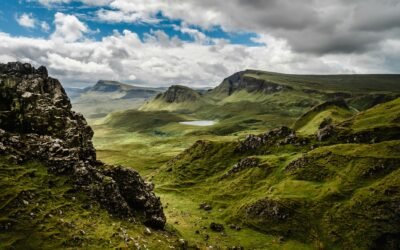
So, you’re wondering about the sweet spot for visiting Nidwalden, Switzerland? The best time depends on what you want to do. Late spring through early autumn works best for hiking, lake views, and mountain excursions, while winter is the season for skiing, sledging, and snowshoeing in operating winter-sports areas. Crowds, prices, snow conditions, and mountain-railway schedules can all change the answer.
Quick Answer
For most first-time visitors, May to June and September to early October offer the best balance of scenery, outdoor access, and manageable crowds. Choose July or August for the warmest lake season, and January or February for winter sports. Always check mountain-railway, trail, and weather conditions before setting your dates.
Key Takeaways
- Best overall balance: May-June and September-early October.
- Best for hiking: June-September, with July-September generally safer for higher routes that hold snow longer.
- Best for lake activities: June-August, with many lidos operating from roughly May into September.
- Best for skiing and snow activities: January-February, subject to snowfall and lift operations.
- Best for fewer visitors: parts of April-May, September-October, and November, although attraction closures can increase in transitional periods.
- Best for value: compare individual dates rather than assuming one season is cheapest; summer holidays, Christmas/New Year, and good ski weekends can all raise demand.
Best Time to Visit Nidwalden at a Glance
Nidwalden changes dramatically through the year because the canton stretches from Lake Lucerne up into the mountains. Conditions in Stans, Buochs, or Beckenried can be mild while higher hiking routes still have snow. That difference is one of the most important things to understand when choosing your dates.
| Period | Best For | Crowd Pattern | Main Trade-off |
| December-February | Skiing, sledging, snowshoeing, winter atmosphere | Varies; ski weekends and holidays can be busy | Cold weather and seasonal closures |
| March-April | Lower-elevation exploring and spring transition | Often quieter outside holidays | Snow may block higher hiking routes |
| May-June | Green scenery, hiking, lake outings | Usually easier than midsummer | Higher trails may open later than valleys |
| July-August | Full hiking season, swimming, long days | Usually the busiest summer period | Higher demand and afternoon storms |
| September-early October | Hiking, autumn scenery, balanced conditions | Generally calmer after peak summer | Shorter days and cooler weather |
| Late October-November | Quiet breaks, villages, food and cultural outings | Often quieter | More mountain facilities enter seasonal closure |
Note: Mountain operating dates change by year and weather. For 2026, the Stanserhorn railway operates from April 11 to November 22, while Lake Lucerne Navigation uses separate summer, autumn, and winter timetables. Check current schedules when you book.
Winter in Nidwalden: December to March
Winter in Nidwalden brings snow-covered mountain landscapes, short days, cold temperatures, and a strong contrast between the relatively low lakeside settlements and higher winter-sports areas. If skiing, sledging, snowshoeing, fondue, and an alpine winter atmosphere are priorities, this can be an excellent time to visit.
Snow Sports Central: Hit the Slopes
Nidwalden is not dominated by giant international ski resorts, but it does have accessible winter-sports areas with a more regional and family-oriented feel. Always check snow and lift status before travelling because conditions can change during the season.
Stanserhorn: A Seasonal Closure to Know About
Stanserhorn should not be treated as a winter snowshoeing destination. According to the official Stanserhorn railway information, its mountain railway and summit restaurant close from late November until around mid-April, and the hiking paths on Stanserhorn are closed in winter.
If Stanserhorn is one of your must-do attractions, plan your trip between spring and late autumn instead. In 2026, the regular railway season runs from April 11 to November 22.
Warning: Do not assume a familiar summer hiking trail is safe or officially open in winter. Snow, ice, avalanche exposure, and seasonal closures can completely change mountain conditions.
Klewenalp-Stockhütte: Family Fun and Skiing
Klewenalp-Stockhütte is one of the more useful winter bases in the Nidwalden area. The official Klewenalp winter guide lists skiing, snowboarding, sledging, winter hiking, and snowshoeing, along with beginner facilities.
A Swiss Ski and Snowboard School also operates in the area, with group and private lessons. This makes Klewenalp-Stockhütte a practical option if you are travelling with children, learning to ski, or simply prefer a smaller winter-sports setting.
Cross-Country Skiing and Snowshoeing Trails
Snowshoeing is a strong winter option, including marked routes around Klewenalp and Stockhütte. Nidwalden Tourism also publishes cross-country skiing options for the wider region, including neighbouring areas around Engelberg. Check the exact trail location and current snow report before setting out rather than assuming every listed route lies within the canton itself.
The Cozy Ambiance: Firesides and Fondue
Winter is also a good season to slow down. After a cold outdoor day, mountain restaurants, village restaurants, hotels, and guesthouses provide an easy way to experience the quieter side of the region.
Culinary Delights: Fondue and Raclette
Fondue and raclette are natural choices in cold weather. A long winter evening makes an especially good setting for traditional melted-cheese dishes, potatoes, bread, and other filling Swiss food.
Christmas Markets and Festive Cheer
Advent brings Christmas markets and St. Nicholas traditions to communities around Nidwalden. Exact events and dates change each year, so check the current Nidwalden Advent and Christmas calendar rather than planning around an old event date.
Weather Realities: Cold, Snow, and Shorter Days
Expect winter weather, but remember that conditions depend heavily on elevation. Overnight temperatures and mountain locations can be below freezing while lower settlements near Lake Lucerne may experience milder daytime conditions. Snowfall can disrupt higher roads, trails, and lifts, and daylight is much shorter than in summer.
Packing Essentials: Layers Are Key
Pack thermal or moisture-wicking base layers, warm mid-layers, a waterproof and wind-resistant outer layer, a warm hat, gloves, and sturdy waterproof footwear. Sunglasses and sunscreen are useful because snow can reflect strong sunlight even when the air feels cold.
If you’re planning a trip to Nidwalden, Switzerland, understanding the best time to visit is crucial for matching your activities to the season. If you are also comparing destination timing elsewhere, you can see our guide to the best time to visit Green Bay, Wisconsin.
Spring Awakening: April to May
Spring in Nidwalden is a transition season. Lower valleys and lakeside communities can turn green while snow still covers high slopes and hiking routes. That contrast makes spring beautiful, but it also means you need to plan by elevation rather than by calendar alone.
Nature’s Rebirth: Blooming Landscapes
As snow retreats from lower ground, meadows green up, trees leaf out, and seasonal flowers appear. For travellers who enjoy quieter landscapes and gentler walking, late spring can offer a refreshing alternative to midsummer.
Hiking Trails Reopening: Gentle Exploration
Lower- and mid-elevation walks may reopen progressively through spring, but high routes can remain snowy well after the valleys look completely springlike. Check individual trail conditions before attempting a mountain hike.
This is especially important in April, when one route may be dry and another nearby route may still require winter equipment or remain closed.
Lakeside Beauty: Vierwaldstättersee Awakens
Lake Lucerne, or Vierwaldstättersee, is a major part of the Nidwalden experience. Boat service expands through the warmer season. The Lake Lucerne Navigation Company publishes separate seasonal timetables, so spring visitors should verify which departures operate on their dates.
Avoiding the Rush: Fewer Tourists
Parts of April and May can feel calmer than July and August, especially outside holiday weekends and fine-weather Saturdays. However, quieter conditions can come with reduced mountain access, so the trade-off is important.
Weather Variability: A Mix of Conditions
Spring can bring mild sunshine, cool rain, cold mornings, and fresh snow at elevation within the same general period. Build some flexibility into your itinerary instead of making every day dependent on a high mountain viewpoint.
Packing for Spring: Versatility Is Key
Layers work best. Bring a waterproof and wind-resistant jacket, comfortable walking shoes, long-sleeved tops, and a warm mid-layer. Pack lighter clothing too, but keep something warm available for evenings and mountain excursions.
Pro Tip: In spring, create one low-elevation backup plan for every mountain day. If clouds, snow, or a seasonal closure affect your first choice, you can switch to Stans, a lakeside village, a boat trip, or another lower route.
The Verdant Peak: June to August
Summer gives you the broadest range of outdoor options in Nidwalden. Hiking, swimming, mountain railways, lake excursions, cycling, and family activities are all easier to combine when longer days and warmer conditions arrive.
The Great Outdoors: Hiking and Mountain Adventures
Summer is the main hiking season in the Swiss Alps. Nidwalden offers everything from easy family walks to demanding mountain routes, but snow can linger on higher trails into early summer.
Stanserhorn: The Summit Experience
Stanserhorn is one of the signature warm-season excursions from Stans. The journey combines a historic funicular with the double-deck CabriO aerial cableway, whose upper deck is open to the air.
At the summit, visitors can take short walks and enjoy broad views over Central Switzerland. Longer hiking routes are available for stronger walkers. Wildlife sightings are possible in the alpine environment, although they are never guaranteed.
Bürgenstock: Views and Nature
Bürgenstock is not in another canton; it is one of Nidwalden’s major excursion areas above Lake Lucerne. The area includes viewpoints, walking routes, resort facilities, and the famous Felsenweg.
The Bürgenstock Felsenweg and Hammetschwand Lift are weather- and season-dependent, so check their current status before making the trip.
Rigi: Queen of the Mountains
Mount Rigi is a worthwhile nearby day trip, but it is not in Nidwalden. The mountain spans the cantons of Schwyz and Lucerne. You can reach different parts of Rigi by cogwheel railway or cable car and combine the excursion with Lake Lucerne transport.
If Rigi is part of your itinerary, treat it as a separate Central Switzerland day trip rather than a Nidwalden attraction.
Family-Friendly Trails and Activities
Nidwalden works well for families during summer because mountain transport can reduce the amount of climbing needed to reach scenic areas. One good example is the Klewenalp-Stockhütte route, which Nidwalden Tourism describes as an easy, family-oriented walk; the standard route is also suitable for sports strollers.
Lakeside Activities: Sun, Swimming, and Serenity
Warm weather brings Lake Lucerne to the centre of many summer itineraries.
Vierwaldstättersee: Water Sports and Relaxation
Nidwalden Tourism lists swimming areas, lidos, canoeing, sailing, and other lake activities around the canton. Facilities such as the Beckenried and Buochs-Ennetbürgen lidos typically operate during the warmer months, with exact dates depending on weather and the facility.
You can also take scheduled sightseeing boats on Lake Lucerne. In 2026, the Lake Lucerne Navigation Company’s summer timetable runs from May 23 through September 6.
Gentle Lakeside Walks
Several Nidwalden villages have promenades and accessible lakeside areas that work well for an easy day, but do not assume the entire shoreline is flat or stroller-friendly. Check the specific route before setting out with a stroller, wheelchair, or limited mobility.
Peak Season Crowds: Expect More People
July and August generally bring stronger summer demand, particularly on sunny weekends, school-holiday periods, lake services, and popular mountain excursions. The Stanserhorn operator specifically recommends reserving a departure time on heavily visited days.
Securing Your Spot: Book Ahead
If you are travelling during July or August, reserving accommodation early gives you a better choice of location and room type. It is also wise to check whether your must-do mountain attraction offers timed reservations or advance tickets.
Do not assume that booking early always guarantees the lowest price, but it can reduce the risk of limited availability during high-demand periods.
Weather Conditions: Warm but Changeable
Summer is generally the easiest season for outdoor sightseeing, but Alpine weather is not consistently sunny. Showers and thunderstorms can develop quickly, especially during warm periods.
MeteoSwiss notes that thunderstorms are highly localised and can form in a short period, so check the current forecast and warnings before committing to exposed mountain terrain.
Warning: A sunny morning does not guarantee a clear afternoon in the Alps. For exposed hikes, check MeteoSwiss shortly before departure and reconsider the route if thunderstorms are forecast.
Sun Protection: Essential for Summer Days
UV exposure can be strong at altitude even when the temperature feels comfortable. Bring sunscreen, sunglasses, a hat, water, and a light layer for rapid weather changes.
The Golden Transition: September to October

September and early October can be among the most rewarding times to visit Nidwalden. Summer demand begins to ease, hiking can still be excellent, and the landscape starts shifting toward autumn colours.
A Symphony of Autumn Colours: Nature’s Palette
Forests and hillsides gradually shift from summer green toward yellow, orange, and red. The timing varies with elevation, weather, and the year, so there is no single guaranteed “peak foliage” week.
Hiking Through Golden Forests
Many trails remain usable in early autumn, and cooler temperatures can make longer walks more comfortable. Higher routes become more sensitive to early snow and frost as the season progresses, so check conditions before heading above the valleys.
Harvest Season: Local Produce and Flavours
Autumn is also a good time to explore Nidwalden’s regional food culture. Official tourism information highlights Alpine cheese markets, game dishes, Alpine cattle traditions, and other seasonal events.
A Quieter Pace: Fewer Visitors
After the main midsummer holiday period, September and October can offer a calmer atmosphere at villages and viewpoints. Fine-weather weekends can still be busy, so “quieter” does not mean empty.
More Space for Exploration
If you value scenery but do not need peak swimming weather, September is one of the strongest compromises. You can often combine hiking, lake transport, village sightseeing, and seasonal food without relying on winter snow.
Weather Considerations: Crisp and Cooler
Temperatures generally cool as autumn progresses and daylight becomes shorter. Clear, crisp conditions can be excellent for walking and photography, but rain, low cloud, frost, and the first significant mountain snow can affect plans.
Layering for Autumn: Adapting to the Elements
Bring layers that can be added or removed through the day. A fleece or warm sweater, waterproof outer layer, long trousers, and suitable walking shoes cover most normal sightseeing conditions.
If you are comparing the same weather-crowd-cost questions for destinations outside Switzerland, you can also read our guide to the best time to visit Maryland.
The Shoulder Seasons: Your Secret to Value and Tranquility
| Month | Typical Conditions | Crowd Pattern | Cost / Availability Note |
|---|---|---|---|
| January | Winter conditions; snow strongest at altitude | Variable; ski weekends can be busy | Do not assume low prices during good snow or holiday periods |
| April | Spring in valleys; lingering mountain snow | Often moderate to quiet outside holidays | Potentially good availability, but some attractions are still reopening |
| July | Warm, long days with possible showers or storms | High summer demand | Book early for the widest accommodation choice |
| October | Cooler, shorter days; autumn colour and variable weather | Usually quieter than midsummer | Can offer good availability, but seasonal closures increase later in the month |
The most useful shoulder-season windows are generally late April through May and September through early or mid-October. March and November are also transitional months, but they come with a greater chance that key mountain activities sit between their summer and winter operating seasons.
Cost Savings: Stretching Your Travel Budget
Shoulder periods can provide better accommodation availability than peak summer dates, but there is no reliable rule that every hotel, apartment, excursion, or package will be cheaper. Prices change with weekends, holidays, events, demand, and individual property policies.
Winter should not automatically be treated as the cheapest season either. Christmas and New Year, good ski weekends, and snow-reliable periods can produce strong demand in winter-sports areas.
Finding Deals: Planning Pays Off
Compare several nearby dates and different bases such as Stans, Stansstad, Hergiswil, Buochs, Beckenried, Emmetten, and Dallenwil. A small date change can sometimes improve availability more than changing the entire season.
Crowd Avoidance: A More Intimate Experience
Spring and autumn often feel calmer than peak midsummer, particularly on weekdays. However, sunny weekends and local events can still draw substantial day-trip traffic.
Experiencing Local Life
With fewer sightseeing groups around, it can be easier to spend time in village centres, markets, restaurants, and lakeside communities at a slower pace.
Weather Trade-offs: Be Prepared for Variety
The advantage of shoulder-season travel is flexibility; the disadvantage is uncertainty. You might have a warm valley day followed by rain, low cloud, frost, or fresh snow at elevation.
Flexibility Is Key
Build a mixed itinerary. Save high mountain excursions for the clearest forecast and use lake trips, village walks, museums, restaurants, and cultural activities when weather limits hiking.
When to Choose Which Shoulder Season
- Spring: Choose late April or May if you want green valleys, spring scenery, increasing transport options, and generally lighter visitor pressure. Expect lingering snow higher up.
- Autumn: Choose September or early October for hiking, autumn colours, seasonal food, and a better chance that major warm-season mountain transport is still operating.
How Seasonal Transport Affects Your Dates
The best weather does not help if the mountain railway or trail you came to use is closed. Before booking, identify two or three must-do attractions and check their seasonal calendars.
For example, Stanserhorn’s 2026 season runs from April 11 through November 22. Lake Lucerne Navigation uses seasonal timetables, with its 2026 summer schedule running May 23-September 6 and autumn schedule September 7-October 18 before the winter timetable begins.
Other mountain facilities may close temporarily for maintenance, snow, wind, ice, or bad weather. Bürgenstock’s Felsenweg and Hammetschwand Lift are also seasonal and weather-dependent.
Pro Tip: If your trip revolves around one mountain attraction, check that attraction’s official operating calendar before booking flights or a non-refundable hotel.
Best Time by Travel Style
Best Time for Hiking
June through September is the safest general recommendation for ordinary hiking access, with July through September better for many high routes that retain snow into early summer. Even then, check individual trail status.
Best Time for Swimming and Lake Days
June through August gives you the strongest combination of warmer weather and seasonal lido operation. May and September can also work on warm days, but water and air temperatures may feel cooler.
Best Time for Winter Sports
January and February are usually the most logical months to target for skiing and snow activities because they sit in the heart of winter. Snow conditions vary from year to year, so confirm lift and piste status shortly before travel.
Best Time for Fewer Crowds
Consider weekdays in May, September, early October, or quieter parts of November. The exact experience depends on weather, events, school holidays, and whether a famous attraction is still operating.
Best Time for Better Value
There is no single guaranteed cheapest month. Compare accommodation for several dates around late spring and autumn, then check whether reduced demand is offset by reduced attraction availability. A slightly higher room rate can still represent better overall value if everything you want to visit is open.
Ultimately, the best time to visit Nidwalden is the period that matches your priorities. May-June and September-early October are strong all-round choices, July-August offer maximum summer activity, and midwinter makes sense when snow sports are the main reason for travelling.
Frequently Asked Questions
What is the best time to visit Nidwalden for good weather?
For broadly comfortable sightseeing and outdoor activities, June through September is the most reliable period. May and early October can also be excellent if you accept cooler or more changeable conditions.
When is the peak tourist season in Nidwalden?
July and August usually bring the strongest summer demand, particularly on sunny weekends and holiday periods. Winter-sports areas can also become busy during Christmas, New Year, ski holidays, and good-snow weekends.
What is the off-peak season in Nidwalden?
There is no single off-peak season for the entire canton. Late autumn can be quiet, and parts of spring are less busy, but seasonal closures increase. Winter is not automatically off-peak because ski areas and holiday periods create their own demand.
What is the shoulder season in Nidwalden?
The most useful shoulder-season windows are late April through May and September through early or mid-October. March and November are more transitional and may have additional mountain-railway or trail closures.
How do travel costs change throughout the year?
Accommodation and activity prices are dynamic. High-demand summer dates, holidays, special events, and strong ski weekends can be expensive. Shoulder periods may provide better availability, but lower prices are not guaranteed, so compare your exact travel dates.
What is the best month for hiking in Nidwalden?
September is an excellent all-round hiking month because many routes and mountain facilities are still operating while temperatures are often cooler than midsummer. For the highest trails, July through September generally gives you the best chance of avoiding lingering spring snow.
Is September a good time to visit Nidwalden?
Yes. September is one of the best choices if you want hiking, lake scenery, somewhat lighter crowds, and cooler weather without moving fully into the late-autumn closure period. Shorter daylight and occasional bad-weather days are the main trade-offs.
Can I visit Stanserhorn in winter?
Not as a normal winter mountain excursion. The official Stanserhorn operator closes the railway and summit facilities from late November until around mid-April, and the mountain’s hiking paths are closed during winter. Choose an operating winter-sports area such as Klewenalp-Stockhütte instead.
Sources
- Nidwalden Tourism — Winter — official overview of winter activities in the region.
- Stanserhorn-Bahn — FAQ — confirms the winter closure and seasonal hiking restrictions.
- Klewenalp-Stockhütte — Winter — official skiing, snowboarding, sledging, hiking, and snowshoeing information.
- Lake Lucerne Navigation Company — Timetable — current seasonal boat-service schedules.
- MeteoSwiss — Climate Normals — official Swiss climate-reference information.
- Nidwalden Tourism — Autumn in Nidwalden — official seasonal hiking, food, market, and cultural guidance.