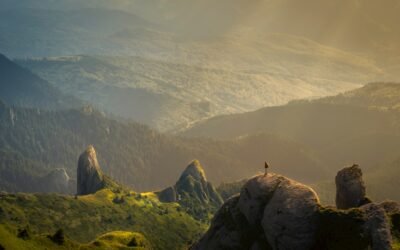
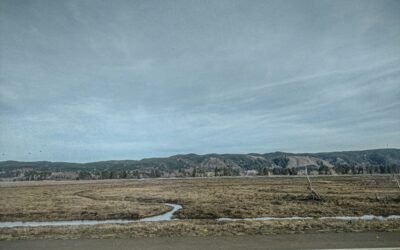
Glarus, Switzerland, rewards different travelers at different times of year. For the best overall balance of hiking conditions, scenery, lighter crowds, and accommodation choice, late May through June and September through early October are usually the strongest periods to consider. Summer is better for high-mountain adventures, while winter is the clear choice for skiing and snow activities.
Quick Answer
The best time to visit Glarus for most travelers is late May to June or September to early October. These periods usually combine comfortable valley weather, good hiking opportunities, fewer peak-season visitors, and better accommodation availability. Choose July-August for high-alpine hiking and December-March for skiing and snow sports.
Key Takeaways
- Best overall: Late May-June and September-early October.
- Best for high-alpine hiking: July through September, depending on snow and trail conditions.
- Best for skiing: The main winter operating period, normally from around December into March when snow and resort schedules allow.
- Best for fewer visitors: Many weekdays in May, June, September, October, November, and selected winter periods outside holidays.
- Best value: Transition periods can offer better accommodation availability, but prices vary by property, weekend, event, and ski conditions.
Weather and Seasons in Glarus
Glarus lies in an Alpine canton where elevation changes quickly. Conditions in Glarus town or the Linth Valley can be very different from those on high trails above Braunwald, Elm, Mettmen, or the Tödi region. For climate planning, use MeteoSwiss climate normals, and check the short-range forecast shortly before outdoor activities.
Note: Calendar month alone does not tell you whether an Alpine trail is ready. Snow depth, recent storms, altitude, slope direction, and maintenance can keep high routes closed after valley paths are already green.
Spring (March-May): Snowmelt, Green Valleys, and Changing Conditions
Spring in Glarus is a transition season. Lower valleys gradually turn green while snow remains much longer in the mountains.
- March: Winter conditions can continue in the mountains. Skiing may still be possible, while many hiking routes at higher elevations remain snow-covered.
- April: Valley walking and lower-elevation outings become more attractive, but rain, cold snaps, and remaining snow can affect mountain plans.
- May: One of the better months for green scenery, waterfalls, lower and mid-elevation hiking, cycling, and quieter sightseeing. High Alpine trails may still have snow.
Spring is especially attractive if you want wildflowers, strong snowmelt waterfalls, green meadows, and fewer peak-summer visitors.
Summer (June-August): Long Days and Alpine Adventures
Summer brings the broadest range of outdoor possibilities, but conditions still depend on altitude.
- June: Valley and many mid-elevation trails are usually increasingly accessible. High routes can still have lingering snow, so check each hike before setting out.
- July: Usually one of the strongest months for high hiking, mountain biking, cable-car excursions, and lake activities. Afternoon thunderstorms are possible, so early starts are useful for long mountain days.
- August: Excellent for most summer activities. Warm spells can occur in the valleys, while exposed summits remain much cooler.
Mountain-lift schedules are seasonal rather than guaranteed by month. VISIT Glarnerland publishes a live operating report covering mountain railways and seasonal facilities. For example, Braunwald’s published 2026 daily summer operation runs from June 6 to October 18, with additional weekend operation planned afterward into early November.
Autumn (September-November): Clearer Trails, Autumn Color, and Quieter Days
Early autumn is one of the strongest periods for a well-rounded Glarus trip. Summer holiday traffic drops, many hiking opportunities remain, and the landscape gradually changes color.
- September: Excellent for hiking, cycling, photography, and mountain excursions. Alpine cattle descents also traditionally take place during the final weeks of September, depending on weather and the alpine season.
- October: Cooler but often rewarding for valley and lower mountain walks. Autumn color can be beautiful, while early snowfall may begin affecting high routes.
- November: A true transition month. Many summer mountain operations have ended, while full winter operations may not yet have started. It can be very quiet but requires careful opening-hours planning.
Winter (December-February): Skiing and Snow Activities
Winter changes Glarus into a snow-sports destination, particularly around Elm and Braunwald. Conditions vary each year, so snow depth and operating schedules should always be checked before booking a trip built around skiing.
- December: Ski areas generally move into winter operation as conditions allow. Christmas and New Year can bring strong demand.
- January: A major winter-sports month. Dates after the New Year holiday period can sometimes be quieter, especially on weekdays.
- February: Excellent for skiing, snowboarding, sledging, snowshoeing, and winter walking when snow conditions are good. School-holiday dates can be busy.
Pro Tip: For hiking or skiing, check the Glarnerland live report and the day’s MeteoSwiss forecast before leaving your accommodation. In the Alps, a sunny valley morning does not guarantee safe conditions higher up.
If you are comparing how seasonal weather affects completely different destinations, you can also read Best Time to Visit Teslin, Yukon: Weather, Crowds, and Costs.
Navigating the Crowds in Glarus
Glarus is not normally as internationally crowded as Switzerland’s biggest visitor centers, but popular trails, ski areas, lakeside spots, mountain railways, and event dates can still become busy. There is no authoritative month-by-month public crowd index for the entire canton, so crowd levels are best treated as practical tendencies rather than fixed rules.
Busier Periods: Summer Weekends and Winter Holidays
- July-August: Warm weather, school holidays, hiking, Lake Walensee, and mountain excursions can increase demand. Popular cable cars and family attractions are generally busiest on good-weather weekends.
- Christmas and New Year: Winter resorts can see strong holiday demand.
- February school-holiday periods: Ski areas such as Elm and Braunwald can be considerably busier than on ordinary winter weekdays.
If you are traveling on a weekend during good weather, booking accommodation and important activities in advance is sensible.
Shoulder Seasons: Late Spring and Early Autumn
- May-June: Often quieter than July-August, especially outside weekends. June usually offers a better balance between trail access and crowd levels than the busiest summer period.
- September-October: Excellent for travelers who value quieter trails, cooler hiking weather, and autumn scenery. September can still be active around events and sunny weekends.
Quiet and Transition Periods
- November: Usually one of the quietest times because summer operations have ended and the ski season may not yet be fully underway.
- Early December: Can be peaceful before Christmas demand builds, depending on ski openings.
- Selected January weekdays: Often calmer after the New Year period and outside school holidays.
- March: Can offer quieter winter sports or early-spring conditions, but operating schedules and snow quality vary.
If solitude is your priority, visit on weekdays and avoid major holiday periods, important local events, and perfect-weather weekends.
Budgeting Your Glarus Trip: Costs by Season

Switzerland is an expensive destination by international standards, but your timing can still affect accommodation availability, transport choices, and activity spending. Avoid relying on fixed percentage savings because hotel rates change by property, day of the week, event, holiday, and demand.
Higher-Demand Periods: Summer and Major Winter Dates
- Accommodation: Good-weather summer weekends, Christmas, New Year, and popular ski dates can produce higher rates and less choice.
- Flights: International airfare to Switzerland changes constantly and should be compared for your actual travel dates rather than estimated by a fixed seasonal percentage.
- Activities: Ski passes, equipment rentals, guided excursions, and mountain transport can form a large part of a winter or high-Alpine budget.
- Rental cars: Prices are demand-based. Glarus is also highly workable by public transport, so a car is not automatically necessary.
Good-Value Periods: Late Spring and Early Autumn
- Accommodation: May, June, September, and October can provide a better mix of availability and pricing than major holiday periods.
- Outdoor activities: Hiking and walking can keep daily activity costs relatively low once you reach the trailhead.
- Dining: Restaurant menu prices do not generally become dramatically cheaper simply because the tourist season changes, so self-catering remains one of the easiest ways to control food spending.
Lower-Demand Opportunities: November, Early December, Selected January Dates, and March
- Accommodation: Quieter dates can produce attractive offers, but fewer businesses may be open.
- Activities: November can be inexpensive partly because many summer activities have ended and winter activities may not yet have started.
- Skiing: A quiet calendar date does not necessarily make a ski holiday cheap because lift passes and equipment remain significant expenses.
Tip for saving money: Compare stays in smaller villages, buy some meals from supermarkets such as Aldi, Lidl, Coop, or Migros, and use public transport when it fits your itinerary.
A major current benefit for overnight visitors is the GlarnerlandPass. Eligible overnight guests who pay the local guest tax receive the pass through their accommodation. It includes public transport within the canton during the valid stay, and the Braunwald funicular is included for eligible passholders. This can make a car-free trip considerably easier.
If you plan to travel widely beyond Glarus, compare normal SBB fares, saver options, regional passes, and the Swiss Travel Pass rather than assuming one pass is always the cheapest.
Activities and Experiences by Season

Glarus offers outdoor activities year-round, but the best season depends heavily on what you actually want to do.
Spring: Valley Hiking, Waterfalls, Photography, and Cycling
- Valley hikes: Lower trails become attractive as the snowline retreats.
- Waterfalls: Snowmelt can make spring a rewarding time for waterfall scenery.
- Wildlife watching: Quiet nature areas can be rewarding, but always respect protected areas and wildlife-distance rules.
- Cultural visits: Explore Glarus, Näfels, Ennenda, and local museums when mountain conditions are uncertain.
- Cycling: Valley and road cycling become increasingly practical as winter recedes.
Summer: High-Alpine Hiking, Lake Activities, and Mountain Biking
- Alpine hiking: Summer provides the widest selection of mountain routes once snow conditions allow.
- Freiberg Kärpf: This protected mountain area was established in 1548 and is described by the Canton of Glarus as Europe’s oldest still-existing wildlife sanctuary.
- Lake Walensee: Swimming, paddling, boating, and lakeside recreation are popular in warm weather.
- Mountain biking: Summer opens many valley and mountain riding possibilities.
- Via ferrata: Braunwald’s Eggstöcke area offers serious climbing routes when seasonal conditions and access are suitable.
- Mountain railways: Summer lift operation provides easier access to elevated walks, viewpoints, and family activities.
Autumn: Scenic Hiking, Photography, Traditions, and Seasonal Food
- Autumn hiking: September and early October can provide excellent mountain and valley walking conditions before significant snow returns.
- Photography: Cooler light, changing foliage, and lower visitor numbers can make autumn particularly rewarding.
- Alpabzug: The traditional cattle descent from the high pastures takes place in the final weeks of September, with timing depending on weather and the alpine season.
- Mushrooms: Autumn is mushroom season. Never eat a wild mushroom unless its identity and safety have been confirmed by a qualified expert.
- Culinary experiences: Look for local alpine cheese and seasonal regional dishes.
- Nearby wine regions: Travelers interested in wine can combine Glarus with other parts of eastern Switzerland rather than treating Glarus itself as a major wine destination.
Winter: Skiing, Snowboarding, Snowshoeing, and Sledging
- Downhill skiing and snowboarding: Elm and Braunwald are two of the main regional winter-sports destinations.
- Cross-country skiing: Groomed options are available when snow conditions permit.
- Snowshoeing: Marked routes offer access to quieter winter landscapes.
- Winter hiking: Prepared winter paths provide a less technical alternative to mountain skiing.
- Sledging: Several winter areas provide dedicated sled runs when operating.
- Mountain restaurants: Warm meals and drinks are part of the winter experience, but opening days should be checked before traveling to remote facilities.
Warning: Mountain weather can change quickly. Do not treat a trail’s summer description, an old trip report, or clear weather in the valley as proof that a high route is safe. Check current conditions, use suitable footwear, and turn back when conditions exceed your experience.
If you are comparing Glarus with another destination by weather, crowds, and seasonal cost patterns, see the related guide to the best time to visit Izmit, Kocaeli.
Best Time to Visit Glarus by Travel Goal
| Travel Goal | Best Period | Why |
| Best overall balance | Late May-June; September-early October | Good outdoor potential with fewer peak-season pressures. |
| High-Alpine hiking | July-September | Highest chance of snow-free high trails, though conditions must still be checked. |
| Green scenery and waterfalls | May-June | Snowmelt, fresh vegetation, and longer daylight. |
| Autumn photography | Late September-October | Changing foliage, cooler light, and generally quieter trails. |
| Skiing and snow sports | Winter operating season | Elm, Braunwald, and other winter areas operate according to snow and seasonal schedules. |
| Fewer visitors | Weekdays in May, June, September, October; November for quiet travel | Avoids many summer and ski-holiday peaks, although November has fewer open mountain facilities. |
Final Considerations for Your Glarus Trip
| Month | Typical Travel Conditions | Crowd Tendency | Best For |
| January | Winter and snow conditions | Moderate; busier around ski demand | Skiing, snowshoeing |
| February | Winter sports season | Can be high during school holidays | Skiing, sledging |
| March | Winter-to-spring transition | Low to moderate | Late winter activities |
| April | Changeable; snow still high up | Generally low | Valley walks, culture |
| May | Green valleys and spring hiking | Low to moderate | Waterfalls, hiking, Landsgemeinde |
| June | Long days; improving mountain access | Moderate | Hiking, cycling, scenery |
| July | Warmest main outdoor season | High on popular dates | High hiking, lakes |
| August | Full summer conditions | High on weekends | Hiking, biking, family trips |
| September | Excellent early-autumn conditions | Moderate | Hiking, Alpabzug, photography |
| October | Cooler with possible early mountain snow | Low to moderate | Autumn scenery, valley hikes |
| November | Quiet transition season | Low | Quiet stays, culture |
| December | Winter season begins as conditions allow | Low early; high around holidays | Winter atmosphere, skiing |
Opening Hours and Availability
- Shoulder seasons: Some cable cars, mountain restaurants, and attractions operate on reduced schedules before or after their main season.
- November: This is particularly important because summer operations may have ended while winter services have not started.
- Weather-sensitive facilities: Mountain railways and outdoor attractions can change operations because of wind, snow, thunderstorms, or maintenance.
Always check the specific operator or the official Glarnerland live report shortly before visiting.
Special Events and Festivals
Glarus has distinctive traditions that can make a trip more memorable but may also increase local demand.
- Landsgemeinde: The traditional open-air cantonal assembly is held on the first Sunday in May at Zaunplatz in Glarus. Eligible citizens vote by raising their voting cards, while visitors can observe this unusual form of direct democracy. See the official Glarnerland Landsgemeinde information.
- Alpabzug: Traditional cattle descents take place toward the end of September, with exact dates depending on the season.
- Autumn events: Elm and other villages host food, hiking, cultural, and alpine-tradition events. Check the current Glarner Agenda because dates change each year.
Your Personal Preferences
- Adventure vs. relaxation: High-Alpine hikers usually benefit from midsummer through early autumn, while travelers wanting quieter village stays may prefer the shoulder seasons.
- Warm-weather tolerance: July and August can produce warm valley days, but mountain temperatures remain cooler and can change rapidly.
- Cold tolerance: Winter is best avoided if snow and freezing conditions would limit your enjoyment.
- Photography: May and June provide fresh greens and waterfalls, autumn provides changing color, and winter offers snow-covered scenery.
Getting to Glarus Without a Car
Public transport makes Glarus practical for a car-free trip. SBB highlights the rail route from Zurich through the Glarus region, continuing as far as Linthal. Local trains, buses, and mountain transport can then connect many excursion areas.
The GlarnerlandPass makes public transport particularly attractive for eligible overnight guests. Confirm with your accommodation when and how your pass will be delivered, especially if you want to use it on your arrival day.
Nature and Geology
Glarus is more than a hiking destination. The region forms part of the UNESCO World Heritage TectonicArena Sardona, where the Glarus thrust provides internationally important evidence of Alpine mountain-building. This makes geological walks and visitor centers useful alternatives when the weather is not suitable for a demanding summit hike.
For most first-time visitors, late May through June and September through early October remain the strongest all-round choices. Choose July and August if high-mountain access matters more than crowd levels, and choose winter if skiing and snow activities are the purpose of your trip. Whatever month you choose, check current weather, trail, lift, and opening information because Alpine conditions can change much faster than a seasonal calendar suggests.
Frequently Asked Questions
What is the best overall time to visit Glarus, Switzerland?
Late May through June and September through early October are usually the best choices for a balanced trip. These periods combine good sightseeing and hiking potential with fewer peak-season pressures than the busiest summer and winter-holiday dates.
When is the best weather for visiting Glarus?
For generally warmer outdoor conditions, June through September is the main period to consider. July and August favor high-mountain activities, while June and September often provide a more comfortable balance. Weather varies sharply with altitude, so check MeteoSwiss before mountain outings.
When is peak tourist season in Glarus?
July and August are among the busiest periods for hiking and summer recreation. Winter demand also rises around Christmas, New Year, February school holidays, and strong ski weekends. Glarus does not have one single peak season for every activity.
When should I visit Glarus to avoid crowds?
Try weekdays in May, June, September, or October. November can be even quieter, but many mountain facilities may be closed between their summer and winter seasons. Selected January and March weekdays can also be relatively calm.
What is the cheapest time to visit Glarus?
There is no guaranteed cheapest month because accommodation rates change dynamically. November, early December before major holiday demand, selected January dates, March, and some shoulder-season weekdays may offer better availability. Compare your exact dates instead of relying on fixed percentage discounts.
What is the best time for hiking in Glarus?
Lower and mid-elevation hiking can become attractive during May and June, while July through September usually offers the broadest high-Alpine access. High trails can retain snow into early summer and receive new snow in autumn, so check current trail conditions before each hike.
When is the best time for skiing in Glarus?
Visit during the operating winter season at areas such as Elm and Braunwald. January and February are common choices, but snow conditions and opening dates vary from year to year. Check the resort and Glarnerland live reports before booking a snow-dependent trip.
Sources
- MeteoSwiss — Climate Normals — climate-normal methodology and weather planning.
- VISIT Glarnerland — Live Report — current mountain railway and seasonal operating information.
- VISIT Glarnerland — GlarnerlandPass — guest-card eligibility and public-transport benefits.
- SBB — Glarnerland by Rail — rail access from Zurich through the region.
- VISIT Glarnerland — Landsgemeinde — timing and explanation of the annual open-air assembly.
- UNESCO World Heritage TectonicArena Sardona — geological and World Heritage information.