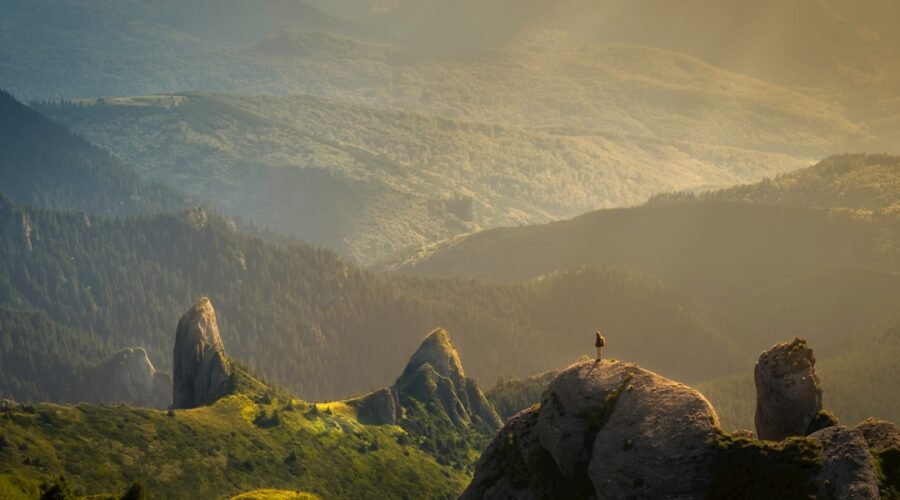
Looking to visit Buzuluk Pine Forest National Park and wondering when’s the sweet spot? Generally speaking, late spring (May to early June) and early autumn (September) offer the best balance of pleasant weather, manageable crowds, and reasonable costs. These periods avoid the intense summer heat and the deep chill of winter, providing ideal conditions for exploring. Knowing the best time to visit Buzuluk Pine Forest National Park helps you plan around weather, crowds, and budget.
Compare our seasonal guides to Orenburg, Orenburg Oblast and Saraktash, Orenburg Oblast when choosing other stops in Orenburg Oblast.
Here’s a deeper dive into what each season brings to the park.
Spring in Buzuluk Pine Forest is a time of vibrant transformation. The landscape sheds its winter coat, and new life emerges, making for some truly picturesque scenes.
a. Weather in Spring
- April: You’ll still feel the tail end of winter in April. Temperatures typically range from 0°C to 10°C (32°F to 50°F). Snowmelt can make some trails muddy, but the air is crisp, and the first hints of green appear. It’s a quieter time, good for those who don’t mind cooler temperatures and want to witness the park slowly coming alive. Expect occasional light rain or even late-season snowfall.
- May: This is arguably one of the best months. Average temperatures climb to a comfortable 10°C to 20°C (50°F to 68°F). The trees begin to fully leaf out, and the forest floor becomes a carpet of wildflowers. Rainfall is moderate, usually in short, refreshing showers. The air is fresh and invigorating.
- Early June: Still part of the “best time,” early June continues the pleasant weather trend, with temperatures averaging 15°C to 25°C (59°F to 77°F). The forest is lush and green, and wildlife is active. While slightly warmer than May, it’s still very comfortable for outdoor activities.
b. Crowds in Spring
- April: Very low crowds. You’ll often have trails to yourself, perfect for solitude and photography.
- May: Moderate crowds, especially towards the end of the month and during long weekends. Locals start heading out for picnics and short hikes, but it’s far from overcrowded.
- Early June: Crowds pick up a bit more as the weather fully warms up, but it’s still manageable compared to peak summer. School holidays haven’t fully kicked in yet.
c. Costs in Spring
- Accommodation: Generally moderate. Prices haven’t hit their peak yet. You can often find good deals on guesthouses and cabins within or near the park.
- Activities: Park entrance fees are standard year-round. Guided tours might see a slight increase in demand in May and June, but prices remain stable.
- Travel: Flights and train tickets to Orenburg or Samara (if connecting via those cities) are usually not at their absolute highest, though booking in advance is always a good idea for better rates.
d. Activities in Spring
- Hiking and Walking: Ideal conditions for exploring the numerous trails without the heat of summer.
- Birdwatching: A prime time as migratory birds return and set up nests.
- Photography: The fresh green foliage and blooming wildflowers offer stunning photo opportunities.
- Cycling: Many trails are suitable for biking, and the cooler weather makes it more enjoyable.
Best Time To Visit Buzuluk Pine Forest National Park: 2. Summer: Warmth and Activity
Summer brings warmth, long days, and a buzzing atmosphere to Buzuluk Pine Forest. It’s the most popular time for visitors, especially families.
a. Weather in Summer
- Late June: Temperatures settle into the 20°C to 30°C (68°F to 86°F) range. It’s warm and sunny, with occasional thunderstorms that clear the air. The forest is at its most vibrant green.
- July: The hottest month, with average temperatures often exceeding 25°C (77°F) and sometimes reaching into the mid-30s°C (90s°F). Expect long, sunny days. It can feel quite humid at times.
- August: Similar to July in terms of warmth, though towards the end of the month, you might feel the first subtle hints of autumn approaching. Temperatures remain in the 20°C to 30°C (68°F to 86°F) range. Rainfall is generally moderate, often in short, intense bursts.
b. Crowds in Summer
- Late June – August: This is peak season. Expect the highest number of visitors, particularly on weekends and during national holidays. Campsites, guesthouses, and popular trails will be busy. If you enjoy a lively atmosphere and don’t mind sharing the space, this is fine, but those seeking solitude might find it challenging.
c. Costs in Summer
- Accommodation: Peak season pricing. Expect to pay the highest rates for lodging. Booking well in advance is essential, especially for popular options.
- Activities: Guided tours and equipment rentals might see slightly higher demand, but core prices usually remain consistent.
- Travel: Flights and train tickets are typically at their most expensive during the summer months due to general vacation travel.
d. Activities in Summer
- Swimming and Beach Activities: If access to the Samarka River is available within the park, it becomes a popular spot for cooling off.
- Camping: Excellent weather for pitching a tent and enjoying starry nights.
- Picnics and BBQs: Many designated areas are perfect for outdoor meals.
- Wildlife Spotting: Mammals are active, and with a bit of luck and patience, you might spot deer, elk, or wild boar.
3. Autumn: Golden Hues and Tranquility
Early autumn is another prime window for visiting Buzuluk Pine Forest, offering a different but equally captivating experience compared to spring.
a. Weather in Autumn
- September: This is the other “best time.” The scorching heat of summer recedes, and temperatures become very pleasant, typically ranging from 10°C to 20°C (50°F to 68°F). The air is crisp, and the forest begins its spectacular transformation into a riot of gold, orange, and russet hues. Rainfall is moderate and usually brief.
- October: Cooler temperatures set in, ranging from 0°C to 10°C (32°F to 50°F). The peak autumn colors might still be present in early October, but leaves start to fall rapidly. Frost becomes common overnight. It’s quieter, but you’ll need warmer layers.
- November: Winter’s doorstep. Temperatures often dip below freezing, and the first permanent snowfalls can occur. Average temperatures are around -5°C to 5°C (23°F to 41°F). Most deciduous trees will be bare, and the landscape starts to look stark but beautiful in its own way.
b. Crowds in Autumn
- September: Moderate crowds, similar to May. Locals still enjoy the outdoors, but the peak tourist rush of summer has passed. It’s a great balance of pleasant conditions and a more relaxed atmosphere.
- October: Low crowds. A peaceful time to visit if you enjoy solitude and don’t mind the chill.
- November: Very low crowds. You’ll likely have the park almost entirely to yourself.
c. Costs in Autumn
- Accommodation: Prices start to drop from their summer peak, making it more affordable. You can often find better deals, especially for mid-week stays.
- Activities: Standard pricing. Some seasonal facilities might begin to wind down by late October.
- Travel: Flight and train fares typically decrease after the summer vacation period, offering better value.
d. Activities in Autumn
- Photography: The fall foliage provides incredible photo opportunities, arguably some of the best of the year.
- Hiking and Forest Walks: The cooler temperatures and stunning scenery make for incredibly enjoyable walks.
- Mushroom Foraging: If you have local knowledge or a guide, this can be a popular activity.
- Wildlife Viewing: Animals are often very active as they prepare for winter.
4. Winter: A Snow-Covered Wonderland
Winter transforms Buzuluk Pine Forest into a serene, snow-covered wonderland. It’s a season of stark beauty and quiet contemplation.
a. Weather in Winter
- December: Temperatures typically range from -15°C to -5°C (5°F to 23°F). Snowfall becomes consistent, blanketing the forest. Days are short.
- January: The coldest month, with average temperatures often dropping below -20°C (-4°F) and sometimes reaching extreme lows. The snowpack is usually at its deepest. Expect clear, crisp air on sunny days, but be prepared for bitter cold.
- February: Similar to January in terms of cold, but days start to lengthen, and towards the end of the month, you might feel a very subtle hint of spring’s approach. Temperatures remain well below freezing.
- Early March: Still very much winter, with temperatures around -10°C to 0°C (14°F to 32°F). Snowmelt begins towards the end of March, leading to muddy conditions.
b. Crowds in Winter
- December – March: Very low crowds. Unless there’s a specific local winter festival or school break, you’ll find the park exceptionally quiet. This is the time for true solitude and experiencing the raw beauty of the forest untouched by the masses.
c. Costs in Winter
| Month | Weather | Crowds | Costs |
|---|---|---|---|
| May | Mild temperatures, some rain | Low | Moderate |
| June | Warm temperatures, occasional rain | Medium | High |
| July | Hot temperatures, low chance of rain | High | High |
| August | Hot temperatures, low chance of rain | High | High |
| September | Cooling temperatures, low chance of rain | Medium | Moderate |
- Accommodation: Generally the lowest prices of the year, especially outside of holiday periods (like New Year’s). You can often snag great deals.
- Activities: Park entrance fees are consistent. Some seasonal activities might be limited or require specialized equipment (e.g., cross-country skis, snowshoes) which might have rental costs.
- Travel: Flights and train tickets are usually at their most affordable, again, outside of major holiday windows.
d. Activities in Winter
- Cross-Country Skiing: The snow-covered trails are perfect for cross-country skiing.
- Snowshoeing: A fantastic way to explore deeper into the snow-laden forest.
- Winter Photography: The pristine snow, frosted trees, and diffused light create unique and beautiful photographic opportunities.
- Ice Fishing: If suitable and safe conditions exist on frozen bodies of water, this can be a local pastime.
- Wildlife Tracking: Animal tracks are easily visible in the snow, offering a glimpse into the forest’s hidden life.
5. What to Consider for Your Visit
Beyond just the season, a few other practicalities can influence your trip’s success.
a. Accommodation Options
- Park Lodges and Guesthouses: There are often options within or immediately adjacent to national parks. These tend to book up quickly, especially during peak season.
- Camping: Designated campsites are available, usually requiring a permit. Summer is the most popular, but some might offer winter camping for the adventurous.
- Nearby Towns: Buzuluk town or other smaller settlements in Orenburg Oblast offer a wider range of hotels, guesthouses, and private rentals. This might require daily travel to and from the park.
b. Transportation
- Private Car: This offers the most flexibility for exploring the park, especially if you plan to visit multiple trailheads or viewpoints. Roads within and around the park are generally well-maintained, though some might be unpaved. Be aware of winter driving conditions.
- Public Transport: While buses or marshrutkas might connect Buzuluk town to the park entrance, getting around within the vast park without a private vehicle can be challenging. Research local routes carefully.
- Taxis/Ride-Shares: Available from larger towns like Buzuluk, but might be costly for extensive park exploration.
c. Park Regulations and Amenities
- Entrance Fees: National parks typically have an entrance fee, which helps with conservation and maintenance. Check the official park website for current rates.
- Visitor Centers: These are invaluable resources for maps, trail information, weather updates, and expert advice. They often have exhibits about the park’s ecology and history.
- Designated Areas: Pay attention to signs regarding hiking trails, picnic spots, camping areas, and restricted zones to protect wildlife and fragile ecosystems.
- Fire Restrictions: Especially in dry summer months, be aware of any fire bans or restrictions for safety.
d. What to Pack (Seasonal Considerations)
- Spring/Autumn: Layers are key. A waterproof and windproof outer shell, fleece mid-layers, sturdy hiking boots, and a hat/gloves for cooler mornings/evenings.
- Summer: Lightweight, breathable clothing, sun protection (hat, sunglasses, sunscreen), insect repellent (especially for mosquitos), and comfortable walking shoes. Swimwear if applicable.
- Winter: Essential to pack warmly. Thermal base layers, insulated mid-layers, a heavy winter coat (waterproof/windproof), insulated pants, warm hat, scarf, waterproof gloves/mittens, and insulated, waterproof winter boots. Hand and foot warmers can be a lifesaver.
Ultimately, the “best” time for you depends on your priorities. Do you crave vibrant colors and comfortable hikes? Aim for May/early June or September. Do you want long, warm days and a lively atmosphere? Summer’s your pick. Are you seeking serene solitude in a snowy landscape? Winter awaits. Each season at Buzuluk Pine Forest National Park offers a unique and memorable experience. Just be sure to plan accordingly for weather, crowds, and budget to make the most of your adventure.
FAQs
1. What is the best time to visit Buzuluk Pine Forest National Park in Orenburg Oblast?
The best time to visit Buzuluk Pine Forest National Park is during the summer months of June to August when the weather is warm and the park is in full bloom.
2. What is the weather like in Buzuluk Pine Forest National Park throughout the year?
The weather in Buzuluk Pine Forest National Park varies throughout the year. Summers are warm with temperatures ranging from 20°C to 30°C, while winters are cold with temperatures dropping below freezing.
3. When is the park most crowded with visitors?
Buzuluk Pine Forest National Park is most crowded with visitors during the summer months of June to August, especially on weekends and public holidays.
4. Are there any specific events or festivals that take place in Buzuluk Pine Forest National Park?
Buzuluk Pine Forest National Park hosts various events and festivals throughout the year, including nature walks, birdwatching tours, and cultural celebrations. It’s best to check the park’s official website for the latest event schedule.
5. What are the costs associated with visiting Buzuluk Pine Forest National Park?
The costs associated with visiting Buzuluk Pine Forest National Park include entrance fees, guided tour fees, and any additional activities or amenities. It’s recommended to check the park’s official website for the most up-to-date pricing information.