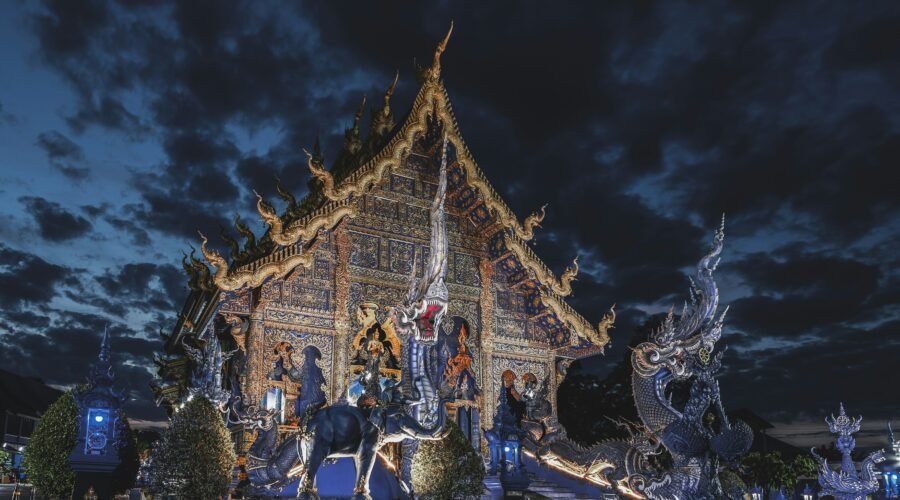
Thinking about a trip to Chiang Rai and wondering when you should actually go? You’re smart to ask, because timing can make a big difference. Generally, the best time to visit Chiang Rai blends pleasant weather with manageable crowds and reasonable prices. For most people, this means aiming for the cool, dry season, roughly from November to February. This period offers the most comfortable temperatures for exploring, especially for outdoor activities.
However, “best” is subjective, and your ideal time might depend on what you prioritize. Are you looking to beat the heat, avoid peak tourist numbers, or snag the best deals? Let’s break down Chiang Rai’s year so you can find your perfect window.
Chiang Rai, nestled in the mountainous north of Thailand, experiences a tropical savanna climate. This means it’s generally warm year-round, but the key differentiators are the rain and humidity. Knowing these patterns is crucial for packing right and planning your days.
The Cool, Dry Season (November to February)
This is often touted as the sweet spot for visiting Chiang Rai, and for good reason. The temperatures are at their most agreeable, making it perfect for wandering through temples, hiking in the hills, or enjoying the night bazaar.
November: The Transition Month
As October’s rains subside, November begins to offer a breath of fresh air. Humidity levels start to drop, and the air feels noticeably cooler, especially in the mornings and evenings. You’ll start to see clearer skies and a more comfortable temperature range. It’s a great time to visit if you want to catch the tail end of the slightly less crowded period before the absolute peak.
December and January: The Core of Cool Comfort
These two months are the heart of Chiang Rai’s coolest and driest period. Daytime temperatures typically hover between the mid-70s to low 80s Fahrenheit (around 24-28°C), while evenings can drop into the 60s F (15-20°C), making a light jacket or sweater a welcome addition. Sunshine is abundant, and rain is rare. This is prime time for exploring the Golden Triangle, visiting the White Temple (Wat Rong Khun) and Blue Temple (Wat Rong Suea Ten) without the intense heat, and enjoying outdoor cafes.
February: A Gradual Warm-Up
February still holds onto much of the pleasant weather of December and January, but you’ll start to feel a gentle increase in temperature and humidity as the dry season winds down. It’s still an excellent month to visit, offering good conditions before the real heat of the hot season kicks in. You might notice the landscape becoming a bit drier, but it’s not usually an issue for tourists.
The Hot Season (March to May)
If you dislike heat and humidity, this is probably not your ideal time for Chiang Rai. The temperatures soar, making outdoor exploration challenging, especially during the midday sun.
March: The Initial Heatwave
As the cool air retreats, March marks the beginning of the hot season. Temperatures start to climb noticeably, often reaching the high 80s and low 90s Fahrenheit (around 30-34°C) and can even surpass that on some days. Humidity also begins to tick up, making the heat feel more oppressive. Many locals will tell you this is when the air starts to feel heavy.
April: The Peak of the Heat
April is typically the hottest month in Chiang Rai. Expect scorching temperatures, often in the low to mid-90s Fahrenheit (35°C+) and sometimes even higher. The humidity can make it feel even hotter. If you do visit during this time, it’s essential to stay hydrated, seek shade, and plan your activities for the cooler parts of the day (early morning and late evening). Many people opt for indoor activities or relaxation by a pool during April.
May: A Hint of Relief
While May is still very hot, you might start to feel a slight shift as the rainy season approaches. There can be occasional cloud cover, and by the end of the month, you might even see some pre-monsoon showers. Temperatures remain high, but the anticipation of rain can sometimes bring a very subtle easing of the oppressive heat. However, it’s still firmly within the hot season.
The Rainy Season (June to October)
This season is characterized by frequent, often heavy, rainfall. However, don’t dismiss it entirely, as it brings its own set of advantages.
June: The Onset of the Rains
June marks the official start of the rainy season. You can expect regular downpours, often in the afternoon or evening, though morning showers aren’t uncommon. The good news is that the rain usually doesn’t last all day. The landscape transforms into a vibrant green, and the temperatures start to become more manageable after the peak heat of April and May.
July and August: The Wettest Months
These are typically the wettest months in Chiang Rai, with the highest rainfall totals. While you should be prepared for rain, it doesn’t necessarily mean constant downpours. Often, the rain comes in intense bursts, followed by periods of sunshine. The humidity is high, and the landscape is lush and green. This can be a beautiful time to see waterfalls at their fullest and enjoy the vibrant foliage.
September: A Gradual Reduction in Rain
September still sees significant rainfall, but the intensity and frequency of downpours often begin to decrease as the month progresses. You’ll still need rain gear, but the chances of extended periods of dry weather increase. The air is still humid, but the landscape remains incredibly green.
October: The Transition Back to Dry
October is a transition month. The rain starts to taper off considerably, especially in the latter half of the month. You might still encounter occasional showers, but they are usually less frequent and less intense than in the peak rainy months. The air begins to feel fresher, and the landscape remains lush, offering a pleasant climate for visitors who don’t mind the possibility of a brief shower.
Best Time To Visit Chiang Rai: Navigating Crowds: When to Avoid the Rush
If you prefer a more laid-back travel experience without the hustle and bustle of peak tourist season, timing your visit strategically is key. Certain periods in Chiang Rai see significantly more visitors, which can impact everything from hotel availability to wait times at popular attractions.
Peak Tourist Season (December to February)
This period coincides with the best weather and also the highest influx of tourists. Both international and domestic travelers flock to Chiang Rai during these months, especially around Christmas, New Year, and the Chinese New Year (which can fall in late January or February).
Holiday Peaks: Christmas and New Year
Expect the highest crowds and prices during the last two weeks of December and the first week of January. Major attractions will be busy, and booking accommodation well in advance is highly recommended. The atmosphere in the city can be festive, but it comes with the trade-off of more people.
Chinese New Year Surge
If Chinese New Year falls in late January or February, you can anticipate another spike in tourist numbers, particularly from Chinese visitors. This can lead to increased demand for flights and accommodation.
Shoulder Seasons: The Sweet Spot for Fewer Crowds
The periods just before and after the absolute peak season offer a fantastic balance of good weather and fewer tourists. These are often considered ideal times for a more relaxed exploration.
Late October to Early November: Post-Rainy Season Bliss
As the rains subside and the weather begins to cool, this period sees a noticeable drop in crowds compared to the peak months. The landscape is still green and beautiful, and the temperatures are comfortable. It’s a great time to enjoy popular sites like the White Temple without the intense summer heat or the holiday crowds.
Mid-February to March: The Fading of the Cold
Once the major holidays are over, there’s a lull in tourist numbers in February. As March begins, the temperatures start to climb, which can deter some travelers, making it a quieter time to visit before the full heat of April sets in. You’ll still have good weather for exploring.
Off-Season: Embracing the Quieter Pace (and Potential Deals)
The rainy season might deter some, but for those who don’t mind the possibility of rain, it offers a chance to experience Chiang Rai with significantly fewer tourists.
June to October: The Rainy Season Advantage
While this period is characterized by rain, it’s also when you’ll find the fewest crowds. Attractions are less packed, and you might find better deals on accommodation and flights. If you’re prepared for occasional showers with a good rain jacket and umbrella, you can have a very rewarding and tranquil experience. The lush scenery during this time is also a unique draw.
Budgeting Your Trip: When Prices Take a Dip

Your travel dates can significantly impact your budget, especially when it comes to accommodation and flights. Understanding the price fluctuations throughout the year will help you plan a more cost-effective trip.
Peak Season Pricing (December to February)
As you might expect, the most popular time to visit also comes with the highest prices. Accommodation rates, especially for hotels and guesthouses in desirable locations, will be at their highest. Flights into Chiang Rai can also see a significant surge, particularly if you book last minute.
Holiday Markups
Expect the most substantial price increases during the Christmas and New Year period. Many hotels implement surcharges, and availability can become extremely limited. Booking months in advance is essential if you plan to travel during this time and want to secure reasonable rates.
Shoulder Season Savings (Late October to March, excluding holidays)
The shoulder seasons offer a great compromise for budget-conscious travelers. While prices won’t be at their absolute lowest, you’ll find them to be considerably more reasonable than during the peak months. This applies to accommodation and can also extend to tour prices.
Post-Holiday Deals
After the New Year rush, prices tend to drop. Late January and February, before the intense heat sets in, can offer good value for money. Similarly, the period between the end of the rainy season and the start of the peak season (late October to early November) can yield good deals.
Off-Season Bargains (April to October, excluding any local holidays)
The rainy season and the start of the hot season are generally the cheapest times to visit Chiang Rai. With fewer tourists, hotels and tour operators are more likely to offer discounts to attract visitors.
Rainy Season Discounts
If you’re flexible and don’t mind the rain, you can often snag significant deals on accommodation during the monsoon months. This is the time to look for packages and special offers. You might find that prices for flights also soften during this period, although international flight prices can be less variable.
Hot Season Price Drops
While the heat can be intense in April and May, it also means fewer people are willing to brave the temperatures. This can translate into lower prices for accommodation. However, be sure to factor in the cost of staying cool, such as relying on air conditioning.
Weather Considerations: Packing for Every Season

Your packing list will vary considerably depending on when you choose to visit Chiang Rai. Being prepared for the specific weather conditions will make your trip much more comfortable.
What to Pack for the Cool, Dry Season (November to February)
This is the easiest season to pack for in terms of temperature. Think layers.
- Light Long-Sleeved Shirts and Pants: For cooler mornings and evenings, and for temple visits where you’ll need to cover your shoulders and knees.
- T-shirts and Shorts: Comfortable for daytime exploration when the sun is out.
- A Light Jacket or Fleece: Essential for the cooler evenings and early mornings.
- Comfortable Walking Shoes: You’ll be doing a lot of walking!
- Sunscreen, Hat, and Sunglasses: Even in the cooler months, the sun can be strong.
- Insect Repellent: While less of an issue than in the rainy season, mosquitoes can still be present, especially at dawn and dusk.
What to Pack for the Hot Season (March to May)
Focus on staying cool and protected from the sun.
- Lightweight, Breathable Fabrics: Cotton, linen, and moisture-wicking synthetic materials are your friends.
- Loose-fitting Clothing: Avoid anything tight or constricting.
- Plenty of T-shirts and Tank Tops: You’ll likely want to change more frequently due to sweat.
- Shorts and Skirts: For maximum airflow.
- A Wide-Brimmed Hat: Absolutely crucial for protecting your face and neck.
- High SPF Sunscreen: Reapply often.
- Sunglasses: Essential for eye protection.
- A Reusable Water Bottle: Staying hydrated is paramount.
- Light Scarf or Sarong: Can be used to cover up for temple visits or as a makeshift shade.
- Comfortable Sandals or Flip-flops: For easy on-and-off when entering temples.
What to Pack for the Rainy Season (June to October)
Rain gear is non-negotiable, but you’ll also need to consider the humidity.
- Quick-Drying Clothing: Synthetic fabrics that don’t hold onto moisture are ideal.
- Waterproof or Water-Resistant Jacket: A lightweight, breathable rain jacket is a must.
- Waterproof Pants: Optional, but useful for heavier downpours.
- Umbrella: A sturdy one that can handle a bit of wind.
- Waterproof or Water-Resistant Shoes: Consider sandals or quick-drying hiking shoes that can handle getting wet. Avoid heavy leather boots.
- Moisture-Wicking Socks: If you’re wearing closed-toe shoes.
- Insect Repellent: Mosquitoes are more prevalent during the rainy season, especially at dawn and dusk.
- A Waterproof Bag or Dry Bag: To protect your electronics and valuables.
- Lightweight Long-Sleeved Shirts and Pants: For cooler, humid evenings and to protect from mosquitoes.
Activities and Experiences: What’s Best When?
| Month | Weather | Crowds | Costs |
|---|---|---|---|
| January | Cool and dry | High | High |
| February | Cool and dry | High | High |
| March | Hot and dry | Medium | Medium |
| April | Hot and dry | Low | Low |
| May | Hot and wet | Low | Low |
| June | Hot and wet | Low | Low |
| July | Hot and wet | Low | Low |
| August | Hot and wet | Low | Low |
| September | Cool and wet | Low | Low |
| October | Cool and dry | Low | Low |
| November | Cool and dry | Medium | Medium |
| December | Cool and dry | High | High |
While you can visit many of Chiang Rai’s attractions year-round, certain activities are best enjoyed during specific seasons due to weather conditions or local events.
Exploring Temples and City Sights (Year-round, but best in Cool Season)
Chiang Rai’s iconic temples like Wat Rong Khun (White Temple), Wat Rong Suea Ten (Blue Temple), and Wat Phra Kaew are generally accessible throughout the year. However, the cool, dry season (November to February) offers the most pleasant temperatures for extensive temple hopping and exploring the city’s markets. The heat of the hot season can make mid-day temple visits less comfortable, and the rain in the wet season might interrupt your sightseeing.
Trekking and Outdoor Adventures (Best in Cool Season, possible in Shoulder Seasons)
For hiking in the surrounding hills, visiting hill tribe villages, or exploring national parks, the cool, dry season is undeniably the best. Trails are usually dry and less muddy, and the temperatures are ideal for physical activity. The shoulder seasons (late October to November and February to March) can also be good, offering a compromise between fewer crowds and manageable weather. During the rainy season, trails can become slippery and impassable, and visibility might be reduced by fog.
The Golden Triangle and River Cruises (Year-round, but best in Dry Season)
Visiting the famous Golden Triangle region, where Thailand, Laos, and Myanmar meet, is possible any time of year. However, clearer skies and calmer waters on the Mekong River make the dry season (November to February) ideal for boat trips and enjoying the panoramic views without the risk of heavy rain disrupting your journey.
Night Markets and Local Cuisine (Year-round)
Chiang Rai’s vibrant night markets, like the Chiang Rai Night Bazaar, are a highlight and are open year-round. The cooler evenings of the dry season make strolling through the stalls and sampling street food particularly enjoyable. However, even during the rainy season, markets often continue, with vendors setting up under cover, and the hot season can offer a vibrant evening atmosphere once the sun goes down.
Festivals and Events (Specific Dates)
Chiang Rai hosts various festivals throughout the year. The most well-known include:
- Loy Krathong (November): Celebrated on the full moon of the twelfth Thai lunar month, this festival involves floating decorated baskets (krathongs) on rivers and waterways. Chiang Rai’s rivers come alive with these beautiful offerings. The weather is typically excellent during this time.
- New Year Celebrations (December/January): Similar to other parts of the world, Chiang Rai celebrates the New Year with events and festivities.
- Songkran (April): The Thai New Year Water Festival, which involves water fights and blessings. While it’s a massive celebration in many parts of Thailand, it can be less intense in Chiang Rai compared to cities like Bangkok or Chiang Mai, but still warrants preparation for getting wet. This falls within the hot season.
- Local Flower Festivals: Various local flower festivals might occur throughout the year, often coinciding with the blooming seasons, especially after the rains.
Understanding these activity-specific considerations will help you align your interests with the most suitable time to visit Chiang Rai.
Finding Your Perfect Window: A Quick Recap
So, when is the “best” time to visit Chiang Rai? It really boils down to what you’re looking for.
- For the quintessential Chiang Rai experience with pleasant weather and the most comfortable conditions for exploring: Aim for November to February. This is the cool, dry season, offering sunshine, comfortable temperatures, and clear skies. Be prepared for higher prices and more crowds, especially around holidays.
- If you want to balance good weather with fewer crowds and better prices: Consider the shoulder seasons. Late October to early November (post-rainy season, pre-peak) or late February to March (after the holidays, before the intense heat) are excellent choices.
- For budget travelers who don’t mind potential rain and don’t mind the heat: The rainy season (June to October) and the hot season (March to May) offer significant savings. If you can handle the heat, March and April can still be quite manageable with careful planning. If you can embrace the rain, the lush scenery and fewer people of the wet season can be very rewarding.
Ultimately, Chiang Rai has something to offer year-round. By understanding the weather patterns, crowd levels, and price fluctuations, you can make an informed decision that perfectly suits your travel style and priorities. Happy planning!
FAQs
1. What is the best time to visit Chiang Rai in terms of weather?
The best time to visit Chiang Rai in terms of weather is during the cool season, which runs from November to February. During this time, the weather is cooler and drier, making it more comfortable for outdoor activities and sightseeing.
2. When is the peak tourist season in Chiang Rai?
The peak tourist season in Chiang Rai is during the cool season, from November to February. During this time, the weather is pleasant, and many tourists visit the city to explore its attractions and enjoy outdoor activities.
3. When is the low tourist season in Chiang Rai?
The low tourist season in Chiang Rai is during the hot season, from March to May, and the rainy season, from June to October. During these times, the weather can be hot and humid, and there may be more rainfall, resulting in fewer tourists visiting the city.
4. What are the average costs for visiting Chiang Rai during the peak tourist season?
During the peak tourist season, the costs for visiting Chiang Rai, including accommodation, transportation, and activities, may be higher due to the increased demand. It is advisable to book accommodations and activities in advance to secure better prices.
5. Are there any festivals or events in Chiang Rai that visitors should consider when planning their trip?
Visitors to Chiang Rai should consider the Songkran Festival, which takes place in April, and the Yi Peng Lantern Festival, which usually occurs in November. These festivals offer unique cultural experiences and are popular among tourists visiting Chiang Rai.