

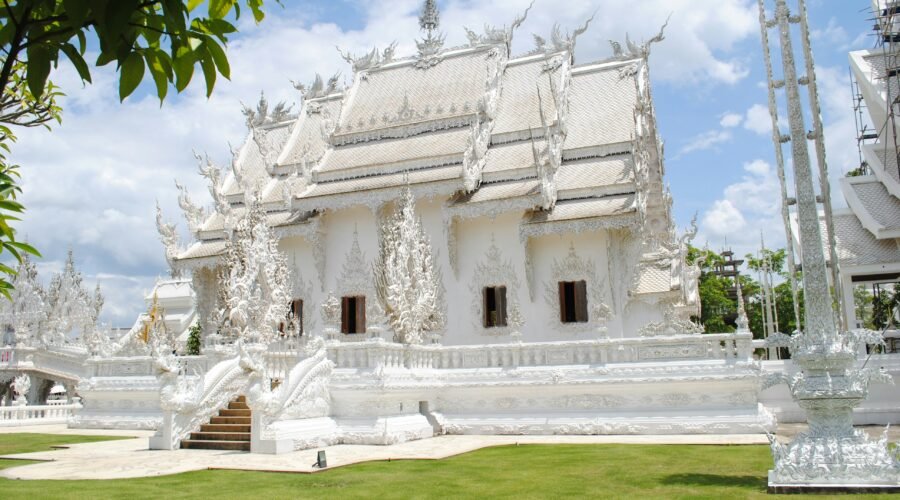
So, you’re wondering about the best time to visit the White Temple (Wat Rong Khun) in Chiang Rai? Let’s cut to the chase: the sweet spot for visiting the White Temple is typically during the cool, dry season, from November to February. This period generally offers the most comfortable weather and a manageable crowd situation, though “manageable” for such a popular spot is relative. You’ll avoid the intense heat and humidity of the hot season, and the heavy rains of the wet season. However, there are nuances to consider for each factor – weather, crowds, and costs – and we’ll dig into those to help you plan your ideal trip. Knowing the best time to visit White Temple Chiang Rai helps you plan around weather, crowds, and budget.
Chiang Rai, like much of northern Thailand, experiences three distinct seasons: cool and dry, hot and dry, and hot and wet (monsoon). Understanding these will directly impact your comfort level during your visit.
1.1 Cool & Dry Season (November – February)
This is generally considered the best time for weather.
- Temperatures: Expect pleasant daytime temperatures ranging from 20°C to 30°C (68°F to 86°F). Evenings can get a bit cooler, sometimes dropping to 15°C (59°F), especially in December and January. You might even need a light jacket or sweater in the mornings and evenings.
- Humidity: Significantly lower than other seasons, making the air feel much more refreshing.
- Rainfall: Minimal to non-existent. You can pretty much guarantee clear skies for those iconic White Temple photos.
- Pros: Comfortable for exploring, less sweat-inducing, perfect for photography, pleasant for outdoor activities before or after your temple visit.
- Cons: Because it’s so pleasant, this is also peak tourist season, meaning more crowds and potentially higher costs for flights and accommodation.
1.2 Hot & Dry Season (March – May)
This season can be quite intense, especially if you’re not a fan of heat.
- Temperatures: Prepare for scorching temperatures, often exceeding 35°C (95°F) and sometimes even hitting 40°C (104°F). April is typically the hottest month.
- Humidity: Still relatively low compared to the wet season, but the high temperatures can make it feel oppressive.
- Rainfall: Very little rain, so you’ll still get clear skies. However, this season is also associated with “burning season” in northern Thailand.
- Burning Season: From late February to April, farmers in the region (and neighboring countries) burn agricultural waste, leading to hazy skies and poor air quality. This can significantly impact visibility for photos and be uncomfortable for those with respiratory sensitivities.
- Pros: Fewer crowds than the cool season (though still popular), potentially lower accommodation prices outside of public holidays.
- Cons: Extreme heat can make sightseeing uncomfortable, especially in the afternoon. Air quality issues can be a major deterrent. Hydration is key.
1.3 Hot & Wet Season / Monsoon Season (June – October)
This season is characterized by heavy rainfall and high humidity.
- Temperatures: Warm, typically ranging from 25°C to 32°C (77°F to 90°F), but the high humidity makes it feel much hotter.
- Humidity: Very high, leading to a sticky and muggy feeling.
- Rainfall: Frequent and often heavy downpours, usually in the late afternoon or evening. However, it rarely rains all day. You’ll often get bright mornings and early afternoons before the skies open up.
- Pros: Lush green landscapes, fewer tourists, lower prices for flights and accommodation, dramatic cloudy skies can make for unique photos, the rain can clear the air of any lingering haze.
- Cons: The possibility of getting caught in a downpour, high humidity can be uncomfortable, some roads to other attractions might be less accessible (though the White Temple is on a major road). The “wet” look of the temple after rain can be stunning, but navigating the grounds might be a bit slippery.
Best Time To Visit White Temple Chiang Rai: 2. Crowds: Navigating the Tourist Flow
The White Temple is one of Thailand’s most iconic and visited sites. Expect crowds, regardless of the season, but some times are definitely busier than others.
2.1 Peak Season (November – February)
As mentioned, the cool season is peak tourist time.
- Weekdays vs. Weekends: Weekends will always be busier than weekdays, even during peak season. Thai tourists also flock to the temple, especially on long weekends and public holidays.
- Morning vs. Afternoon: Arriving right at opening (usually 8:00 AM) or an hour before closing (around 5:00 PM) offers the best chance for slightly smaller crowds. The mid-morning to early afternoon (10:00 AM – 3:00 PM) is usually the busiest. Tour buses tend to arrive in waves during these hours.
- Impact: Longer lines for tickets, more people in your photos, a general feeling of being part of a large group. Inside the main temple hall (Ubosot), it can feel very congested.
- Tip: If visiting during peak season, try to arrive before 8:00 AM and be ready at the gate. Or, plan to go later in the afternoon, around 4:00 PM, when some tour groups start to leave.
2.2 Shoulder Season (March – May & October)
These months can offer a slight reprieve from the intense crowds of peak season, but come with their own trade-offs.
- March – May: While the crowds might be somewhat less than peak, the extreme heat and burning season haze can deter some visitors. You’ll still see a good number of people, especially around Thai public holidays like Songkran (Thai New Year in mid-April), which can be incredibly busy.
- October: As the wet season starts to wind down and temperatures become more moderate, you’ll see a gradual increase in visitors as people anticipate the cool season. This can be a good compromise, though you might still encounter some residual rain.
- Impact: Still plenty of people, but perhaps not the overwhelming numbers of the absolute peak. Good for those who prioritize slightly fewer crowds over perfect weather.
2.3 Low Season (June – September)
This is the monsoon season, and generally the quietest time for tourist numbers.
- Impact: Significantly fewer crowds, especially on weekdays. You’ll have more space to move around, take photos without as many people in the frame, and experience a more serene atmosphere.
- Consideration: While fewer people is a huge plus, the heavy rain and humidity are the main trade-offs. If you don’t mind the rain and are prepared with an umbrella or rain jacket, this could be an excellent time to visit for a more intimate experience.
- Tip: The rain often comes in bursts. Plan your visit around these and use indoor spaces or grab a coffee during a downpour. Mornings are often clear, allowing for good sightseeing before the afternoon showers.
3. Costs: Budgeting Your Trip

The time of year directly influences the cost of various aspects of your trip to Chiang Rai.
3.1 Peak Season (November – February)
Expect to pay premium prices during this period.
- Flights: Airfares to Chiang Rai (and Thailand in general) will be at their highest. Book well in advance for the best rates.
- Accommodation: Hotels and guesthouses will have their highest rates and can book up quickly. Expect to pay 20-50% more than in the low season.
- Tours/Transportation: While the entrance fee to the White Temple remains constant, package tours and private drivers might have slightly higher rates due to demand.
- Overall: If budget is a primary concern, this might not be the ideal time, unless you book everything far in advance.
3.2 Shoulder Season (March – May & October)
A mixed bag, offering some savings but not consistently.
- Flights: Prices might be slightly lower than peak, but not dramatically so, especially around public holidays.
- Accommodation: You’ll start to see some drops in hotel prices compared to peak season, particularly in March and May (due to the heat) and October (as the wet season ends).
- Tours/Transportation: Rates are generally stable but might be slightly more negotiable than in peak season.
- Overall: A good compromise if you’re looking for a balance between reasonable prices and somewhat decent weather/crowds.
3.3 Low Season (June – September)
This is the most budget-friendly time to visit.
- Flights: You’ll find the lowest airfares during these months, often with good promotions.
- Accommodation: Hotels and guesthouses offer their lowest rates to attract visitors. You can often find excellent deals and have more choice.
- Tours/Transportation: Prices for tours and private drivers are generally at their lowest and most negotiable.
- Overall: If saving money is your top priority and you don’t mind the rain and humidity, this is the time to go. You’ll get more bang for your buck.
4. Specific Considerations for the White Temple

Beyond the general weather, crowds, and costs, there are a few unique points specific to Wat Rong Khun.
4.1 Photography Opportunities
The White Temple is a photographer’s dream, but timing is everything.
- Golden Hour: Early morning (just after opening) or late afternoon (an hour or so before closing) offers the best soft light for photos. The stark white of the temple against a blue sky is stunning, and the golden details sparkle.
- Mid-day Sun: Can be harsh, leading to blown-out whites and strong shadows. However, if you’re there for the sheer brilliance of the white, direct sun certainly makes it pop.
- Hazy Season: Burning season (March-April) can severely impact visibility and create very dull, low-contrast photos.
- Wet Season: While challenging, dramatic cloudy skies and the temple’s wet surfaces can create very moody and unique shots. Just protect your gear!
- Crowds in Photos: Be prepared to either patiently wait for gaps in the crowds or strategically compose your shots to minimize people, especially on the iconic bridge over the “Cycle of Rebirth.”
4.2 Temple Etiquette
This applies regardless of the season, but it’s always good to reiterate.
- Dress Code: While the White Temple is somewhat more relaxed than other temples (due to its modern, artistic nature), it’s still a religious site. Shoulders and knees should be covered. Avoid overly revealing clothing. If you forget, sarongs are often available for rent or purchase near the entrance.
- Inside the Ubosot: No photos are allowed inside the main temple hall. Be respectful and follow the signs. Remove your shoes before entering.
- Respectful Behavior: Speak quietly, avoid touching anything, and be mindful of others.
4.3 Other Attractions Nearby
Your visit to the White Temple will likely be part of a larger Chiang Rai itinerary.
- Singha Park: A large agricultural park with tea plantations, farms, and activities, very close to the White Temple. Pleasant to visit in cooler, drier weather.
- Blue Temple (Wat Rong Suea Ten): Another stunning modern temple, located closer to Chiang Rai city. Can be visited on the same day.
- Black House (Baan Dam Museum): A collection of dark, eccentric art houses by another famous Thai artist, Thawan Duchanee. Complements the White Temple’s aesthetic.
- Doi Chang & Doi Mae Salong: Beautiful mountain areas with tea plantations and hill tribe villages, best explored in the cool, dry season for clear views and comfortable trekking.
5. So, What’s the Absolute Best Time?
| Month | Weather | Crowds | Costs |
|---|---|---|---|
| January | Cool and dry | High | High |
| February | Cool and dry | High | High |
| March | Hot and dry | Medium | Medium |
| April | Hot and dry | Low | Low |
| May | Hot and wet | Low | Low |
| June | Hot and wet | Low | Low |
| July | Hot and wet | Low | Low |
| August | Hot and wet | Low | Low |
| September | Cool and wet | Low | Low |
| October | Cool and dry | Medium | Medium |
| November | Cool and dry | High | High |
| December | Cool and dry | High | High |
Given all these factors, here’s a final breakdown to help you decide.
5.1 For Optimal Weather & Good Experience (Most Recommended)
- Late November to Early February: This period offers the best weather conditions with comfortable temperatures, low humidity, and clear skies. You’ll get those postcard-perfect photos. Be prepared for crowds and book everything well in advance to manage costs.
5.2 For Budget Travelers & Fewer Crowds (If You Don’t Mind Rain)
- June to September (Monsoon Season): If saving money is paramount and you prefer a more peaceful experience, this is your window. The rain usually comes in manageable bursts, leaving plenty of dry time. The landscape will be incredibly lush and green, and the air will be clean.
5.3 For a Compromise
- October or Early March:
- October: As the tail end of the wet season, you might catch some residual rain but temperatures are pleasant, and crowds are starting to pick up but not yet at peak.
- Early March: You’ll avoid the absolute peak crowds of January/February and the worst of the burning season haze and heat. However, temperatures will be rising, and air quality can start to deteriorate.
Ultimately, the “best” time depends on your personal priorities. Do you prioritize comfort, solitude, or your wallet? Consider these points carefully, and you’ll be well-equipped to plan a memorable visit to the magnificent White Temple.
FAQs
1. What is the best time to visit the White Temple in Chiang Rai?
The best time to visit the White Temple in Chiang Rai is during the dry season, which runs from November to February. During this time, the weather is cooler and there are fewer chances of rain, making it ideal for exploring the temple and its surroundings.
2. How is the weather at the White Temple during different seasons?
The weather at the White Temple in Chiang Rai can be hot and humid during the summer months from March to May, with temperatures reaching up to 35°C (95°F). The rainy season from June to October brings heavy rainfall and high humidity, which can make visiting the temple less enjoyable.
3. When are the crowds at the White Temple the busiest?
The White Temple tends to be busiest during the peak tourist season from November to February, especially around the Christmas and New Year holidays. It is advisable to visit early in the morning or later in the afternoon to avoid the crowds.
4. Are there any cost differences for visiting the White Temple during different times of the year?
The entrance fee to the White Temple remains the same throughout the year, regardless of the season. However, during the peak tourist season, there may be higher demand for accommodations and other tourist services, leading to potential price increases.
5. What are some tips for visiting the White Temple during the best time?
To make the most of your visit to the White Temple during the best time, it is recommended to arrive early in the morning to avoid the crowds and the heat. Additionally, consider booking accommodations and transportation in advance, especially if visiting during the peak season.



[…] White Temple, Chiang Rai […]