

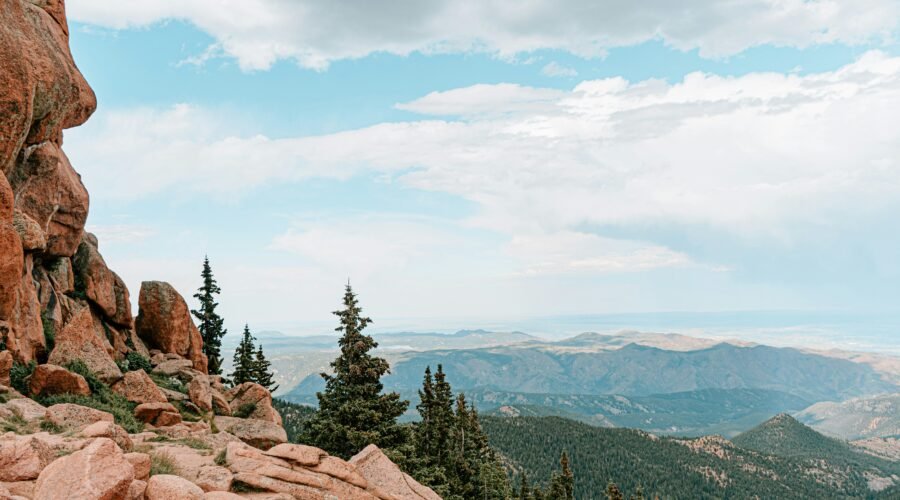
So, you’re wondering when the best time to visit Colorado is? It really depends on what you’re after. Are you dreaming of pristine powder for skiing, vibrant wildflowers, crisp autumn colors, or a budget-friendly escape? Colorado offers something appealing year-round, but for a sweet spot balancing great weather, manageable crowds, and decent prices, late spring (May-June) and early fall (September-October) are often the top contenders.
This guide breaks down the year by season, looking at what you can expect in terms of weather, who else will be there, and what your wallet might feel.
Summer in Colorado is all about long days, sunshine, and the mountains in their full, verdant glory. It’s a fantastic time for hiking, biking, and exploring the national parks, but it also brings its share of crowds and higher prices.
Sunny Skies and Mountain Highs
- Weather: Expect warm to hot temperatures in the lower elevations, often in the 70s and 80s Fahrenheit, while mountain towns stay cooler, typically in the 60s and 70s. Afternoon thunderstorms are common, especially in July and August. These are usually brief but can be intense, so it’s wise to plan your outdoor activities for the mornings.
- What to Do: This is prime time for outdoor enthusiasts. Hiking is at its peak, with trails generally snow-free at lower and mid-elevations. Mountain biking trails are open, and opportunities for whitewater rafting on rivers like the Arkansas and Clear Creek are excellent. Rocky Mountain National Park is a major draw, with its scenic Trail Ridge Road fully open for incredible drives and high-altitude hikes. Many mountain towns host summer festivals and farmers’ markets.
- Crowds: Summer is Colorado’s busiest tourist season. Expect significant crowds, especially in popular destinations like Denver, Boulder, Aspen, Breckenridge, and especially Rocky Mountain National Park. Reservations for lodging and popular activities can book up months in advance, and traffic around mountain passes can be heavy.
- Costs: Due to high demand, lodging and flight prices are at their summer peak. You’ll likely find the highest rates for hotels, vacation rentals, and even car rentals during this period. Eating out and activity costs can also be higher.
- Best for: Those who prioritize warm weather for hiking, biking, rafting, and exploring the national parks, and who don’t mind crowds or higher costs.
Mid-Summer Bloom (July-August)
- Weather: This is the warmest period, generally speaking. While the plains can get quite hot, the mountains offer a welcome respite. However, this is also the peak of the monsoon season, meaning those daily afternoon thundershowers are almost a guarantee. Don’t let them deter you; they often pass quickly, leaving fresh air and stunning rainbows.
- What to Do: Wildflowers are often at their most spectacular in July. Alpine meadows explode with color, making for breathtaking hikes. This is also the prime time for attending outdoor concerts and art fairs that pop up in mountain towns.
- Crowds: Expect the largest crowds of the year. National parks will be packed, and popular trailheads will require early morning arrivals to secure parking.
- Costs: Prices will generally be at their highest. If you’re looking for summer deals, you’ll be out of luck. Booking everything well in advance is crucial.
Early Summer Sweetness (May-June)
- Weather: May can be a bit of a mixed bag. You might still encounter some snow at higher elevations, especially in early May, but by June, most trails are clearing. The weather is generally pleasant, with sunny days and cooler evenings. It’s a great time to enjoy the transition from spring to summer without the intense heat.
- What to Do: This is ideal for those who want to beat the peak summer rush. Hiking and biking are fantastic, and the rivers are usually at their best for rafting due to snowmelt. It’s also a great time to explore cities like Denver and Boulder before they get too sweltering. The wildflowers begin to appear, though they’re not yet at their full July glory.
- Crowds: Crowds are generally smaller than in July and August, though popular spots will still see a good number of visitors, particularly on weekends. It’s a good window for a more relaxed experience.
- Costs: Prices are typically lower than mid-summer. You might find some better deals on lodging and flights if you book ahead.
If you’re planning a trip to Colorado and want to make the most of your visit, you might find it helpful to read an article about the best time to explore the state’s stunning landscapes, taking into account weather, crowds, and costs. For more insights on travel planning and tips, check out this informative piece on Lele Tours, which offers valuable advice for travelers looking to experience the beauty of Colorado.
2. Fall: The “Golden Season” of Cozy Charm
Colorado in the fall is a visual feast, painted with the fiery hues of changing aspen leaves. It’s a time for crisp air, fewer crowds, and a more relaxed pace, making it a favorite for many.
Aspen Gold and Crisp Air
- Weather: Temperatures become cooler and more consistent, especially in September and early October. Days are typically sunny and mild, with evenings getting quite chilly, especially at higher elevations. Frost is common in the mornings, and a light dusting of snow can occur on the peaks by late October.
- What to Do: The main attraction is undoubtedly the fall foliage, which typically peaks from mid-September to early October, depending on elevation and specific location. Driving scenic byways like Independence Pass (weather permitting), Kebler Pass, and Peak to Peak Highway is spectacular. Hiking is still excellent, with comfortable temperatures and fewer bugs. It’s also a great time for breweries and cideries, as many release seasonal offerings.
- Crowds: Crowds significantly decrease after Labor Day. While Aspen-viewing hotspots will see increased day-trippers during peak foliage, overall numbers are much more manageable than in summer or winter.
- Costs: Prices tend to drop considerably compared to summer. Lodging and flight deals become more readily available, making it a more budget-friendly option.
- Best for: Those who appreciate stunning natural beauty, cooler temperatures, fewer crowds, and a chance to experience a more local, relaxed vibe.
Peak Fall Foliage (Late September – Early October)
- Weather: The weather is often at its most pleasant in this window – crisp, sunny days with cool, clear nights. The air is clean, and the threat of severe summer thunderstorms has passed.
- What to Do: This is your absolute best bet for witnessing the iconic Colorado aspens turning brilliant shades of yellow and gold. It’s a photographer’s dream and a truly magical experience for any visitor. Drive the scenic byways, take a gondola ride for panoramic views of the color, or hike through groves of golden aspens.
- Crowds: While significantly less crowded than summer, you will see an increase in visitors looking for fall colors. Popular scenic drives and viewing areas can still get busy, especially on weekends.
- Costs: Prices are still relatively low compared to summer, but you might see a slight bump in lodging rates in popular foliage destinations during peak weekends. Still a great value.
Shoulder Season Transition (Late October – November)
- Weather: The weather becomes increasingly unpredictable. You’ll experience a mix of beautiful, crisp fall days and the first signs of winter. Snow is a real possibility, especially at higher elevations, which can lead to road closures (like Independence Pass).
- What to Do: This is a quieter time. Many summer and fall activities have wound down, and winter resorts haven’t officially opened yet (though some might start making snow). It’s a good time for city exploration, visiting museums, enjoying cozy restaurants, and taking advantage of even lower prices. You might catch the tail end of some fall colors in lower valleys, but it’s not guaranteed.
- Crowds: Generally very minimal. You’ll feel like you have more of the state to yourself.
- Costs: This is often one of the most affordable times to visit, with hotels and flights at their lowest.
3. Winter: The “Snow Season” of Powder Paradise

Winter in Colorado is synonymous with world-class skiing and snowboarding. If hitting the slopes is your primary goal, this is the season for you, but be prepared for cold weather and peak tourist traffic.
White Peaks and Snowy Escapades
- Weather: Cold temperatures are the norm, with daytime highs in mountain towns often hovering in the 20s and 30s Fahrenheit. Snowfall is frequent and abundant, Blanketing the landscapes in white. Denver and eastern plains can experience snow, but it often melts faster than in the mountains.
- What to Do: Skiing and snowboarding are the main events. Colorado boasts numerous renowned ski resorts like Vail, Aspen Snowmass, Breckenridge, and Telluride, offering excellent terrain for all skill levels. Other winter activities include snowshoeing, cross-country skiing, ice skating, and cozying up by a fireplace with hot cocoa.
- Crowds: Winter is the second busiest tourist season, particularly during holidays (Christmas, New Year’s, Presidents’ Day weekend) and school breaks. Ski resorts can be very crowded, and lift lines can be long.
- Costs: Expect the highest prices of the year for lodging, lift tickets, and flights during peak winter weeks. Ski season pricing starts in earnest in December and continues through March.
- Best for: Serious skiers and snowboarders looking for the best snow conditions and who are prepared for cold weather and higher costs.
Peak Ski Season (December – March)
- Weather: This is when you’ll find the most consistent and abundant snowfall, leading to the best powder days. Temperatures will be at their coldest. Be prepared for winter driving conditions and potential road closures due to heavy snow.
- What to Do: World-class skiing and snowboarding are the main draws. Many resorts will be fully operational and boasting the best conditions. Après-ski culture is in full swing in the mountain towns.
- Crowds: This is arguably the busiest time after major holidays. Expect large numbers of people at the major ski resorts.
- Costs: Prices are at their absolute highest during this period, especially around Christmas and New Year’s. Lift tickets, lodging, and even food at resorts will be at a premium.
Early Winter Warm-up (November)
- Weather: November is a transition month. While the higher elevations will likely have snow and some resorts might open late in the month, lower elevations can be a mix of cold and sometimes pleasant days. Snowfall is still possible but less consistent than peak season.
- What to Do: Some early-bird ski resorts will open, offering limited terrain. It’s a good time to get a taste of the winter atmosphere before the major crowds arrive. Otherwise, activities are more focused on indoor pursuits or exploring cities that are gearing up for the holidays.
- Crowds: Generally much lower than the peak ski season. You’ll find fewer people, and potentially better deals on lodging.
- Costs: Prices start to increase as resorts open, but you can still find some good deals, especially earlier in the month or midweek.
4. Spring: The “Mud Season” and Thaw

Spring in Colorado is a time of transition, often referred to as “mud season” in the mountains. It can be a bit of a mixed bag but offers unique opportunities for those seeking fewer crowds and lower prices.
Thawing Mountains and Bursting Blooms
- Weather: Spring is highly variable. March and April can still bring significant snowfall, especially at higher elevations, allowing for late-season skiing. As you move into May, the snow begins to melt rapidly, creating muddy trails at lower and mid-elevations. Temperatures can fluctuate wildly, with sunny warm days followed by cold snaps and more snow.
- What to Do: Late-season skiing is possible at some resorts through April and even into May for a select few. As the snow recedes, wildflowers start to appear, particularly in lower mountain valleys. Hiking becomes more feasible by late May, but be prepared for wet and muddy conditions. This is a good time for exploring cities and lower-altitude attractions.
- Crowds: Crowds are generally low, especially in March and April between the winter holiday rush and the summer influx. May sees a slight increase as people prepare for summer activities.
- Costs: Prices tend to be lower than winter and summer. This can be a very budget-friendly time to visit, especially outside of spring break weeks.
- Best for: Budget-conscious travelers, those who want to experience late-season skiing, or those who don’t mind transitional weather and potentially muddy conditions in exchange for fewer crowds.
Late Winter Skiing (March – April)
- Weather: While the real powder might be starting to diminish at lower elevations, March and April can still deliver fantastic skiing days, often with warmer, sunnier conditions than mid-winter. Snowpack is generally still deep at higher elevations.
- What to Do: Many ski resorts are still open and offering excellent conditions. You might find better deals on lift tickets and lodging compared to peak season. It’s a good time to enjoy the mountains without the extreme cold.
- Crowds: Crowds typically decrease after Presidents’ Day weekend, though spring break weeks can bring a surge of visitors. Mid-March to April can offer a good balance.
- Costs: Prices begin to soften, especially after spring break. You can often find package deals for lodging and lift tickets.
The Great Thaw (May)
- Weather: This is where “mud season” truly lives up to its name. The snow is melting rapidly, making many mountain hiking and biking trails inaccessible or very messy. However, lower elevations start to green up, and early wildflowers can appear. Temperatures are warming up, but afternoon rain showers are common.
- What to Do: It’s a great time to explore the cities and lower-altitude areas. Hiking at lower elevations becomes a possibility by the end of May. Rivers will be filling with snowmelt, making for exciting whitewater rafting opportunities for those who don’t mind cooler water.
- Crowds: This is generally one of the least crowded months. You’ll have a much more relaxed experience in most tourist areas.
- Costs: Prices are often at their lowest of the year, making it an excellent time for budget travelers.
If you’re planning a trip to Colorado, you might find it helpful to explore the article on the best time to visit Colorado, which covers essential details about weather, crowds, and costs. Understanding these factors can significantly enhance your travel experience. For more insights, check out this informative piece on travel tips that can help you make the most of your journey.
5. Finding Your Personal Sweet Spot: Balancing Factors
| Month | Weather | Crowds | Costs |
|---|---|---|---|
| January | Cold, snow | Low | Low |
| June | Mild, sunny | High | High |
| September | Cool, clear | Medium | Medium |
Ultimately, the “best” time to visit Colorado is subjective and depends on your priorities. Here’s a breakdown to help you pinpoint your ideal window.
For the Budget Traveler
- Best Bet: Shoulder seasons are your friend. Late October through November (before ski resorts are in full swing and after fall colors fade) and April through May (after the winter ski season ends and before summer crowds arrive) offer the lowest prices for flights and lodging. You might have to be flexible with weather, but the savings can be substantial.
- Consider: Look for package deals or consider visiting popular destinations on weekdays rather than weekends.
For the Crowd-Averse Explorer
- Best Bet: Again, shoulder seasons are ideal. Early September to mid-October for stunning fall colors with fewer people than summer, and early May when the landscape is awakening but most summer tourists haven’t arrived yet.
- Consider: Visiting national parks on weekdays and arriving early in the morning can significantly reduce your encounter with crowds, even during busier times.
For the Outdoor Adventurer (Hiking & Biking Focused)
- Best Bet: Late June through September offers the best weather and accessibility for most hiking and biking trails. However, for a good balance of great weather and fewer crowds, late September to early October is fantastic, especially for the fall colors. Late May to early June is also excellent once the mud has dried on most trails.
- Consider: Higher elevation trails may not be snow-free until late June. Be aware of afternoon thunderstorms during the summer months.
For the Ski Enthusiast
- Best Bet: January and February typically offer the best and most consistent snowfall and the coldest temperatures for optimal snow conditions.
- Consider: If you’re looking for slightly fewer crowds and potentially better deals, consider early December (before the holiday rush) or late March/early April (watch for spring skiing conditions).
For the Scenic Beauty Seeker (Fall Colors)
- Best Bet: Mid-September to early October is the prime window for the aspens turning their brilliant gold. The exact timing can vary slightly year to year and by elevation, so it’s worth doing a quick search for current foliage reports closer to your planned trip.
- Consider: Coastal and lower elevation areas will turn earlier than higher mountain passes.
If you’re planning a trip to Colorado, you might also find it helpful to read about the best outdoor activities in the state. This article provides insights into various adventures you can enjoy throughout the year, ensuring you make the most of your visit. For more information, check out this related article that highlights exciting options for every season.
6. Key Dates to Watch (or Avoid)
While Colorado is always beautiful, certain times of the year are significantly impacted by holidays and school breaks, which directly affect crowds and costs.
Peak Holiday Weeks
- Christmas and New Year’s Week (Roughly December 24th – January 1st): This is likely the most expensive and crowded time of year for ski resorts and mountain towns. Expect premium pricing for everything and very busy slopes.
- Presidents’ Day Weekend (Third Monday in February): Another major holiday weekend with significant increases in crowds and prices, especially at ski resorts.
- Spring Break Weeks (Varying throughout March and sometimes into early April): Many university and school districts have spring break around this time, leading to a surge in visitors, particularly at ski areas and sometimes national parks.
Shoulder Season Delights
- After Thanksgiving (Late November): As ski resorts begin to open and before the Christmas rush, you can sometimes find good deals and fewer crowds.
- Mid-January (After New Year’s, before Presidents’ Day): There’s often a dip in crowds and prices after the initial holiday surge.
- Late April/Early May: Between the end of ski season and the start of major summer tourism, this period offers the best value and least crowded experience.
By considering these factors – your budget, tolerance for crowds, desired activities, and appreciation for natural beauty – you can confidently choose the perfect time to experience the magic of Colorado. Happy planning!
FAQs
1. What is the best time to visit Colorado for favorable weather?
The best time to visit Colorado for favorable weather is during the summer months, from June to August, when the temperatures are warm and the skies are generally clear.
2. When is the peak tourist season in Colorado?
The peak tourist season in Colorado is during the summer months, from June to August, when the weather is most favorable and outdoor activities are in full swing.
3. What is the shoulder season in Colorado and when does it occur?
The shoulder season in Colorado occurs during the spring and fall months, from April to May and September to October, when the weather is still pleasant but the crowds are thinner and prices are lower.
4. When is the best time to visit Colorado to avoid crowds?
The best time to visit Colorado to avoid crowds is during the shoulder season, in the spring and fall months, when the tourist numbers are lower and popular attractions are less crowded.
5. When is the most cost-effective time to visit Colorado?
The most cost-effective time to visit Colorado is during the shoulder season, in the spring and fall months, when prices for accommodations and activities are generally lower compared to the peak summer season.
[…] comparing another destination’s seasonal trade-offs can also be useful. The guide to the Best Time to Visit Colorado: Weather, Crowds, and Costs offers another example of how weather, crowds, and costs can change the ideal travel […]