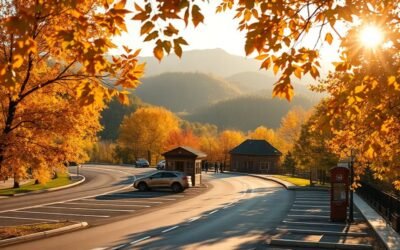
So, you’re wondering about the best time to visit Doi Tung in Chiang Rai? Generally speaking, the sweet spot for Doi Tung is November to February. This period offers the most comfortable weather, though it can also be the busiest and a bit pricier. If you’re looking for fewer crowds and potentially better deals, you might consider the shoulder seasons. Let’s dive into the details. Knowing the best time to visit Doi Tung Chiang Rai helps you plan around weather, crowds, and budget.
Like much of northern Thailand, Doi Tung experiences three main seasons. Knowing these will help you pick the right time for your visit.
1.1 The Cool and Dry Season (November to February)
This is hands down the most popular time to visit Doi Tung, and for good reason.
- Weather: Expect pleasant, mild temperatures during the day, usually ranging from 15°C to 25°C (59°F to 77°F). Evenings can get quite cool, especially at higher elevations, sometimes dropping to 10°C (50°F) or lower. The skies are generally clear and sunny, offering fantastic visibility for panoramic views. Humidity is low, making it very comfortable for exploring.
- Crowds: As the “best” season, it naturally attracts the most visitors. Expect popular spots like the Mae Fah Luang Garden, Doi Tung Royal Villa, and the Tree Top Walk to be bustling, especially on weekends and public holidays. Parking can be a challenge, and queues might form at ticket counters.
- Costs: Accommodation prices tend to be at their peak during this period, particularly around Christmas, New Year’s, and the Chinese New Year. Flights to Chiang Rai also see increased demand. It’s advisable to book well in advance if you’re traveling during these peak times.
- Activities: This weather is perfect for almost any activity – leisurely strolls through the gardens, exploring the royal villa, enjoying the treetop walk, or even hiking some of the surrounding trails. The cool air makes outdoor activities very enjoyable.
1.2 The Hot Season (March to May)
This season can be a mixed bag, and for some, best avoided if intense heat isn’t your thing.
- Weather: Temperatures soar, often reaching 30°C to 40°C (86°F to 104°F) or even higher during the day. Humidity also starts to climb, making it feel even hotter. The air can be hazy, especially in March and April, due to agricultural burning in the region. This “burning season” impacts air quality across Northern Thailand.
- Crowds: Significantly fewer tourists venture out during this period due to the heat and haze. This means fewer crowds at attractions, giving you a more peaceful experience.
- Costs: Accommodation and flight prices generally drop, offering good value for budget-conscious travelers. You might find some excellent deals if you can tolerate the heat.
- Activities: Early mornings are your best bet for outdoor activities. By midday, it becomes too hot for comfortable exploration. Stick to shaded areas and make frequent breaks. The Tree Top Walk might feel more exposed, but the gardens might offer some respite under trees.
1.3 The Rainy Season (June to October)
Don’t let the name deter you completely; the rainy season has its own unique charm.
- Weather: Temperatures are moderate, typically ranging from 20°C to 30°C (68°F to 86°F). Expect frequent, but often short, heavy downpours, usually in the late afternoon or evening. The landscape transforms into a vibrant, lush green. While it rains, it’s rarely an all-day affair. Humidity is high.
- Crowds: This is another low season for tourism, meaning fewer crowds. If you don’t mind getting a little wet, you’ll have many attractions almost to yourself.
- Costs: Similar to the hot season, prices for flights and accommodation are usually at their lowest, presenting great opportunities for budget travel.
- Activities: The rain can impact outdoor plans. However, the misty atmosphere and vibrant greenery make for stunning photographic opportunities. The Mae Fah Luang Garden looks incredibly lush. Just be prepared with rain gear and good walking shoes that can handle wet paths. Some outdoor activities might be temporarily suspended during heavy downpours. The Tree Top Walk is still accessible but might be less enjoyable in the rain.
Best Time To Visit Doi Tung Chiang Rai: 2. Planning Around Specific Events and Festivals
Sometimes, the “best” time to visit isn’t just about weather or crowds, but also about experiencing local culture.
2.1 New Year’s Eve and Day (Late December – Early January)
This is a peak period. Doi Tung, like many places, sees a surge in local and international tourists celebrating the turn of the year. Expect festive decorations and perhaps special events, but definitely higher prices and more people. Booking months in advance is essential if you plan to be there then.
2.2 Chinese New Year (Varies, January or February)
Another significant holiday that brings a temporary spike in visitors, particularly from Chinese-speaking countries and communities within Thailand. If the cool season wasn’t busy enough, this adds another layer of crowdedness.
2.3 Loy Krathong and Yi Peng (Usually November)
While primarily celebrated in cities like Chiang Mai, these lantern festivals do have a presence in Chiang Rai. If Loy Krathong (floating lanterns on water) or Yi Peng (sky lanterns) happens during your visit, it adds a magical dimension. This coincides with the beginning of the cool season, so expect crowds to already be building.
2.4 Doi Tung Flower Festival / “Colours of Doi Tung” (Typically December to January)
This is a major draw for Doi Tung! The Mae Fah Luang Garden really comes alive with a spectacular display of temperate flowers, including petunias, salvias, and various European blooms that thrive in Doi Tung’s cooler climate. If flowers are your passion, this might be your absolute best time to visit, despite the crowds. Check the exact dates as they can vary slightly each year, but it generally runs through the cool season.
3. Considering Your Personal Preferences
What one person considers “best” might not be ideal for another. Think about what matters most to you.
3.1 Crowd Aversion
- Avoid: November to February, especially weekends and public holidays.
- Consider: March to October. You’ll likely encounter fewer tour groups and have a more serene experience.
3.2 Weather Sensitivity
- Prefer Cool: November to February. This is your prime window.
- Prefer Warm/Don’t Mind Heat: March to May (be prepared for intense heat and haze).
- Don’t Mind Rain/Enjoy Lush Greenery: June to October.
3.3 Budget Constraints
- Best Value: March to October. You’ll find more affordable flights and accommodation.
- Expect Higher Costs: November to February, particularly around holidays.
3.4 Photography Opportunities
- Clear Skies & Vibrant Colors: November to February, especially during the flower festival.
- Misty & Lush Greens: June to October. The dramatic skies and rain-kissed foliage can be stunning.
- Hazy: March to May, which can obscure distant views, especially during burning season.
4. Getting to Doi Tung: Logistics and Timing
How you get there can also influence your “best” time, especially concerning road conditions.
4.1 Road Conditions
The roads to Doi Tung are generally well-maintained.
- Cool/Hot Season: Roads are dry and easy to navigate, whether you’re driving a rental car, riding a scooter, or taking a songthaew (shared taxi).
- Rainy Season: While the main roads remain accessible, smaller, unpaved paths might become muddy or slippery. Exercise caution, especially if you’re on a scooter. Landslides are rare on the main route but can happen in the wider region during very heavy, prolonged rain.
4.2 Transportation Options
- Rental Car/Scooter: Provides the most flexibility. Renting a scooter is popular but requires confidence on winding, sometimes steep, mountain roads.
- Songthaew: Shared pick-up trucks often go from Mae Sai or Chiang Rai. During peak season, they are more frequent. In the low season, you might need to wait longer or charter one privately.
- Tour Packages: Many tour operators in Chiang Rai offer day trips to Doi Tung. These are convenient, especially if you’re short on time. Tour prices might be slightly higher in peak season.
4.3 Opening Hours
Most attractions at Doi Tung (like the Royal Villa, Mae Fah Luang Garden, and Tree Top Walk) generally open around 7:00 AM and close around 5:00 PM to 5:30 PM. These hours are fairly consistent year-round, but it’s always a good idea to double-check their official website closer to your travel date, especially for public holidays. Arriving early, especially in the cool season, helps you beat the worst of the crowds.
5. What to Pack Based on Season
| Month | Weather | Crowds | Costs |
|---|---|---|---|
| November – February | Cool and dry | High | High |
| March – May | Hot and dry | Medium | Medium |
| June – October | Rainy season | Low | Low |
A little preparation goes a long way to ensure comfort.
5.1 Cool Season Essentials (November – February)
- Layers: Crucial! Days are pleasant, but mornings and evenings are chilly. Bring light sweaters, jackets, or fleeces.
- Comfortable Walking Shoes: You’ll be doing a lot of walking.
- Sun Protection: Sunscreen, hat, sunglasses. The sun can still be strong.
- Scarf/Beanie: For really cold mornings or evenings, especially if you’re staying overnight.
5.2 Hot Season Essentials (March – May)
- Light, Breathable Clothing: Cotton, linen, moisture-wicking fabrics are your friends.
- Sun Protection: Non-negotiable. High SPF sunscreen, wide-brimmed hat, sunglasses.
- Hydration: Always carry water.
- Light Scarf/Shawl: Can offer sun protection or be useful for temple visits.
5.3 Rainy Season Essentials (June – October)
- Rain Gear: Lightweight rain jacket, umbrella.
- Waterproof Shoes/Sandals: That can handle getting wet and offer good grip.
- Quick-Drying Clothing: Synthetics are better than cotton for drying quickly.
- Insect Repellent: Mosquitoes are more prevalent in the rainy season.
- Small Dry Bag: To protect electronics and valuables from unexpected downpours.
In conclusion, while November to February generally reigns supreme for its comfortable weather, Doi Tung offers something unique in every season. Your ideal time hinges on your tolerance for heat, rain, crowds, and your budget. No matter when you go, Doi Tung’s beauty and cultural significance are sure to leave a lasting impression.
FAQs
1. What is the best time to visit Doi Tung, Chiang Rai in terms of weather?
The best time to visit Doi Tung, Chiang Rai is during the cool and dry season, which typically runs from November to February. During this time, the weather is pleasant with cooler temperatures and minimal rainfall.
2. When is the peak tourist season at Doi Tung, Chiang Rai?
The peak tourist season at Doi Tung, Chiang Rai is during the cool and dry season from November to February. During this time, the area experiences an influx of visitors, so it’s advisable to plan your trip in advance.
3. When is the off-peak season at Doi Tung, Chiang Rai?
The off-peak season at Doi Tung, Chiang Rai is during the hot and rainy season, which typically runs from March to October. During this time, there are fewer tourists, and accommodations and attractions may offer lower prices.
4. What are the average costs associated with visiting Doi Tung, Chiang Rai?
The average costs associated with visiting Doi Tung, Chiang Rai can vary depending on the season. During the peak tourist season, prices for accommodations and attractions may be higher, while the off-peak season may offer lower prices.
5. What are the main attractions to see at Doi Tung, Chiang Rai?
Some of the main attractions to see at Doi Tung, Chiang Rai include the Doi Tung Royal Villa, Mae Fah Luang Garden, and the Mae Fah Luang Arboretum. Additionally, visitors can explore the local hill tribe villages and enjoy the scenic views of the surrounding mountains.