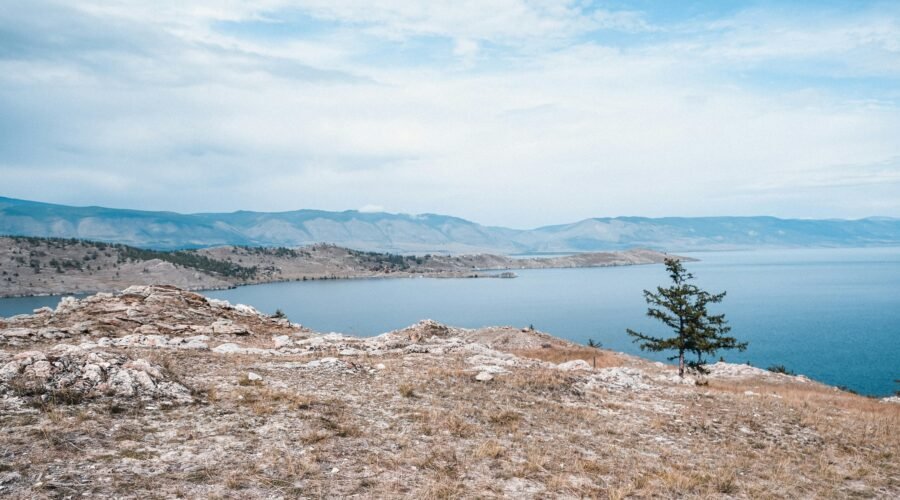
Lake Baikal, a true natural wonder, offers a unique experience regardless of when you visit. However, if you’re looking for the sweet spot that balances pleasant weather, manageable crowds, and reasonable costs, then the shoulder seasons — late May to early June and late August to early September — are generally your best bet. This is when you can enjoy comfortable temperatures, fewer tourists than the peak summer, and often better deals on accommodation and tours. Knowing the best time to visit Lake Baikal Irkutsk Irkutsk Oblast helps you plan around weather, crowds, and budget.
Compare our seasonal guides to Olkhon Island, Irkutsk Oblast and Listvyanka, Irkutsk Oblast when choosing other stops in Irkutsk Oblast.
Here’s a breakdown to help you decide the ideal time for your Lake Baikal adventure:
Lake Baikal experiences four distinct seasons, each offering a dramatically different landscape and set of activities. Getting a grip on these broad categories is the first step to planning your trip.
1.1. Winter (November to March)
Imagine a world blanketed in snow and ice, where the lake transforms into a vast, crystal-clear skating rink. That’s winter at Lake Baikal.
1.2. Spring (April to May)
A period of transition, spring sees the ice slowly melt, giving way to burgeoning life and a sense of renewal.
1.3. Summer (June to August)
The peak tourist season, summer brings warmer temperatures, lush greenery, and the most opportunities for water-based activities.
1.4. Autumn (September to October)
As the leaves change, the landscape ignites with vibrant colors, and the air becomes crisp and invigorating.
Best Time To Visit Lake Baikal Irkutsk Irkutsk Oblast: 2. Weather: What to Expect When
Weather is arguably the biggest factor in determining your comfort and the types of activities you can enjoy. Here’s a closer look at each season’s typical conditions around Irkutsk and Lake Baikal.
2.1. Winter Weather (November – March)
Winter at Lake Baikal is truly something to behold, but it’s not for the faint of heart when it comes to temperature.
2.1.1. November: Early Winter Chill
November marks the beginning of the deep freeze. Temperatures typically drop to around -10°C to -15°C (14°F to 5°F). The lake begins to freeze, though it’s usually not solid enough for ice activities yet. Expect snow flurries and a stark, beautiful landscape.
2.1.2. December: Deep Freeze Sets In
By December, average temperatures hover around -15°C to -20°C (5°F to -4°F), often dipping much lower, especially at night. The lake usually begins to freeze solid by mid-month, making way for unique winter scenery. Heavy snowfall is common.
2.1.3. January: The Coldest Month
January is consistently the coldest month, with average temperatures ranging from -20°C to -25°C (-4°F to -13°F), and frequently much colder. This is when the ice is at its thickest and most spectacular, perfect for ice activities. Pack serious winter gear.
2.1.4. February: Still Frigid, More Light
February maintains very cold temperatures, similar to January, but with noticeably longer daylight hours. This is prime time for ice skating, ice driving, and exploring the stunning ice formations. Snow cover is at its peak.
2.1.5. March: Beginning of the Thaw
While still very cold (averaging -10°C to -15°C / 14°F to 5°F), March shows the first signs of spring. The ice remains solid and excellent for activities, but the sun feels stronger. By late March, a slight warming trend begins.
2.2. Spring Weather (April – May)
Spring is a season of dramatic change, witnessing the transition from frozen wilderness to budding nature.
2.2.1. April: Ice Melts and Mud Appears
April sees temperatures rise to around 0°C to 5°C (32°F to 41°F). The ice on Lake Baikal begins its slow, majestic melt. This period can be quite muddy, especially in rural areas, as the snow thaws. It’s not ideal for most activities.
2.2.2. May: Green Shoots and Warming Air
By May, temperatures generally range from 10°C to 15°C (50°F to 59°F). The ice is usually gone from the main body of the lake by mid-May, and nature starts to burst into life. While still cool, it’s pleasant for hiking, and the landscape is fresh and green. Late May is the start of the shoulder season and generally good for travel.
2.3. Summer Weather (June – August)
Summer is the most popular time, and for good reason: the weather is at its most inviting.
2.3.1. June: Pleasant and Sunny
June offers comfortable temperatures, typically ranging from 18°C to 23°C (64°F to 73°F). The lake water is still quite cold for swimming but manageable for boat trips. Days are long and generally sunny, perfect for hiking and exploring. This is the tail end of the shoulder season or the very beginning of peak season, offering a good balance.
2.3.2. July: Warmest Month
July is the warmest month, with averages between 22°C to 27°C (72°F to 81°F), though it can occasionally reach higher. This is prime swimming weather for the brave, and ideal for all outdoor activities. Expect occasional summer thunderstorms, usually brief.
2.3.3. August: Still Warm, Approaching Autumn
August remains warm, similar to July, but with a slight decrease in temperatures towards the end of the month (20°C to 25°C / 68°F to 77°F). The water in Lake Baikal is at its warmest. Early August is still peak season, while late August marks the beginning of the shoulder season, offering a good blend of nice weather and fewer crowds.
2.4. Autumn Weather (September – October)
Autumn brings spectacular colors and a refreshing coolness to the air.
2.4.1. September: Golden Hues and Crisp Air
September is a gorgeous month, with temperatures ranging from 12°C to 18°C (54°F to 64°F). The foliage turns brilliant shades of gold, red, and orange, creating stunning photo opportunities. The air is crisp and clear, excellent for hiking. Late September is the tail end of the shoulder season.
2.4.2. October: Declining Temperatures, Preparing for Winter
By October, temperatures drop to 5°C to 10°C (41°F to 50°F). While still beautiful, the golden leaves start to fall, and the landscape takes on a more subdued look. Frosts become common, and preparations for winter begin. Many tourist facilities start to close down for the season.
3. Crowds: Navigating the Tourist Flow

The number of people you encounter can significantly impact your experience. Some prefer the buzz of peak season, while others seek solitude.
3.1. Winter Crowds (November – March)
Winter sees a specific type of traveler.
3.1.1. November – December: Very Low
These months are generally very quiet. The weather is getting extreme, and ice activities haven’t fully kicked off yet. You’ll find solitude, but also limited tour options and closed facilities.
3.1.2. January – Early March: Moderate but Focused
While not as busy as summer, there’s a distinct surge of tourists drawn specifically by the ice. Olkhon Island, in particular, can feel relatively crowded with ice tours and ice-skaters. However, outside these specific activities, you’ll still find plenty of peace.
3.1.3. Late March: Quieter Again
As the ice starts to show signs of melting, the winter crowds thin out considerably.
3.2. Spring Crowds (April – May)
Spring is one of the quietest times.
3.2.1. April: Extremely Low
This is often considered the “off-season” due to the muddy conditions and transitioning ice. You’ll have places to yourself, but many services will be limited.
3.2.2. May: Still Low, Increasing Towards End
Early May remains very quiet. Towards late May, as the weather improves and the landscape greens, a small increase in visitors begins, particularly around the long Russian holidays. This is a great time to enjoy the beauty before the summer rush.
3.3. Summer Crowds (June – August)
Summer is undeniably the busiest period.
3.3.1. June: Moderate to High
Early June offers a pleasant balance; crowds are manageable. By mid-June, particularly with the start of school holidays, tourist numbers significantly increase.
3.3.2. July – Early August: Peak Season, Very High
These are the most crowded months. Popular spots like Olkhon Island, Listvyanka, and Bolshie Koty will be bustling. Expect higher prices, booked accommodations, and potentially longer waits for tours and restaurants. If you travel during this time, book everything well in advance.
3.3.3. Late August: High, but Decreasing
As schools reopen and holidays end, the crowds start to thin out, making late August an attractive option for those who want good weather with fewer people.
3.4. Autumn Crowds (September – October)
Autumn offers a delightful escape from the summer throngs.
3.4.1. September: Moderate to Low
Early September still sees some lingering tourists, but numbers drop significantly after the first week. The weather is beautiful, and the crowds are very manageable, making it an excellent shoulder season choice.
3.4.2. October: Low
By October, tourist numbers are quite low. While the autumn colors are still vibrant in early October, the chill sets in, and many seasonal businesses begin to close. You’ll have most places to yourself, but options will be fewer.
4. Costs: Budgeting Your Baikal Adventure

Your budget will also play a crucial role in deciding your travel dates. Prices for flights, accommodation, and tours fluctuate significantly with demand.
4.1. Winter Costs (November – March)
Winter can be a mixed bag cost-wise.
4.1.1. November – December: Lower Prices
Generally, accommodation and tour prices are lower due to reduced demand, especially outside the short New Year’s peak.
4.1.2. January – Early March: Moderate to Higher for Specific Tours
While general accommodation might not be as high as summer, specialized ice tours (ice driving, hovercrafts) can be quite expensive due to their unique nature and equipment costs. Flights can also be more expensive around the Russian New Year (early January).
4.1.3. Late March: Lower
As winter activities wind down, prices typically decrease.
4.2. Spring Costs (April – May)
Spring is generally the most budget-friendly time.
4.2.1. April: Lowest Prices
Due to the limited activities and often less-than-ideal conditions, April is usually the cheapest month for travel to Baikal. Many hotels offer significant discounts.
4.2.2. May: Low to Moderate
Prices start to climb slightly towards the end of May, especially around the Russian public holidays (May 1st and May 9th), but generally remain lower than peak summer. This is a good time to snag deals.
4.3. Summer Costs (June – August)
| Month | Weather | Crowds | Costs |
|---|---|---|---|
| January | Cold, snowy | Low | Low |
| April | Cool, some snow | Low | Low |
| July | Warm, sunny | High | High |
| October | Cool, rainy | Low | Low |
Prepare for peak season pricing during summer.
4.3.1. June – August: Highest Prices
This is when you’ll pay the most for everything – flights, hotels, guesthouses, and tours. Demand is highest, so availability can also be an issue, especially if you don’t book far in advance. Expect to pay a premium.
4.4. Autumn Costs (September – October)
Autumn offers good value for money.
4.4.1. September: Moderate
Early September might still see some higher prices from the tail end of summer, but generally, accommodation and tour costs are moderate and offer good value, especially mid to late September.
4.4.2. October: Lower
By October, prices drop significantly as the tourist season winds down. This is another excellent time for budget-conscious travelers who don’t mind cooler weather and fewer options.
5. Activities and Experience by Season
Beyond weather, crowds, and costs, consider what kind of experience you’re hoping for. Each season offers a distinct set of activities.
5.1. Winter Activities (November – March)
Winter Baikal is all about the ice and snow.
5.1.1. Ice Driving and Skating
The frozen lake transforms into a playground. You can drive across the ice (with experienced guides), skate for miles on the famously clear “black ice,” or even cycle.
5.1.2. Ice Caves and Grottos
Explore the stunning ice caves and grottoes, especially around Olkhon Island, which glisten with intricate frozen formations.
5.1.3. Dog Sledding and Snowmobiling
Adventure through the snowy taiga and across the frozen lake with dog sleds or snowmobiles.
5.1.4. Russian Banya and Winter Fishing
Experience a traditional Russian banya (sauna) followed by a dip in an ice hole, or try your hand at ice fishing.
5.2. Spring Activities (April – May)
Spring is a quiet time of observation and renewal.
5.2.1. Observing the Thaw
Witness the dramatic breaking up of the ice, a powerful natural phenomenon (though can be difficult to time perfectly).
5.1.2. Early Hiking and Nature Spotting
Enjoy early season hikes as the landscape awakens. It’s a great time for birdwatching before the summer crowds arrive.
5.1.3. Cultural Immersion in Irkutsk
Spend more time exploring Irkutsk’s historical sites, museums, and cafes, as outdoor activities around the lake might be limited.
5.3. Summer Activities (June – August)
Summer is all about outdoor adventure and relaxation.
5.3.1. Boat Trips and Cruises
Explore the vastness of the lake by boat, visiting various islands, coves, and scenic spots like Peschanaya Bay.
5.3.2. Hiking and Trekking
The Great Baikal Trail offers numerous routes, from easy day hikes to multi-day treks, providing breathtaking views.
5.3.3. Swimming and Sunbathing
While the water is always cold, July and August are the best months for a refreshing dip or simply relaxing on the shore.
5.3.4. Cycling and Horse Riding
Explore the landscapes around the lake on two wheels or horseback.
5.3.5. Festivals and Events
Summer often sees local festivals and cultural events, particularly in Irkutsk and Listvyanka.
5.4. Autumn Activities (September – October)
Autumn offers a picturesque and tranquil experience.
5.4.1. Golden Foliage Photography
The changing leaves create stunning landscapes, making it a photographer’s paradise.
5.4.2. Clear Air Hiking
Enjoy crisp, clear air and fewer insects on hiking trails. The views are often spectacular with the autumn colors.
5.4.3. Mushroom and Berry Foraging
Foraging for wild mushrooms and berries is a popular local pastime if you know what you’re doing.
5.4.4. Cultural Exploration
With fewer crowds, you can enjoy museums and cultural sites in Irkutsk and around the lake at a more leisurely pace.
To sum it up, while Lake Baikal holds its allure year-round, for a balanced trip that offers pleasant weather, manageable crowds, and reasonable costs, aim for the shoulder seasons: late May to early June or late August to early September. If unique frozen landscapes are your priority, January and February offer unparalleled ice adventures, just be ready for the extreme cold and potentially higher costs for specific tours.
FAQs
1. What is the best time to visit Lake Baikal in Irkutsk, Irkutsk Oblast?
The best time to visit Lake Baikal in Irkutsk, Irkutsk Oblast is during the summer months of June to August when the weather is warm and the lake is accessible for activities such as swimming, hiking, and boat tours.
2. What is the weather like at Lake Baikal in Irkutsk, Irkutsk Oblast?
The weather at Lake Baikal in Irkutsk, Irkutsk Oblast varies throughout the year. Summers are warm with temperatures ranging from 15°C to 25°C, while winters are cold with temperatures dropping to -20°C or lower.
3. Are there any peak tourist seasons at Lake Baikal in Irkutsk, Irkutsk Oblast?
The peak tourist season at Lake Baikal in Irkutsk, Irkutsk Oblast is during the summer months of June to August when the weather is warm and the lake is accessible for outdoor activities. The area can get crowded during this time.
4. What are the costs associated with visiting Lake Baikal in Irkutsk, Irkutsk Oblast?
The costs of visiting Lake Baikal in Irkutsk, Irkutsk Oblast can vary depending on the type of accommodation, activities, and transportation chosen. Generally, costs may be higher during the peak tourist season.
5. Are there any off-peak times to visit Lake Baikal in Irkutsk, Irkutsk Oblast?
Off-peak times to visit Lake Baikal in Irkutsk, Irkutsk Oblast are during the shoulder seasons of May and September when the weather is still pleasant but the crowds are thinner. Additionally, visiting during the winter months can provide a unique experience with ice activities and fewer tourists.