
Like packing an umbrella for a sunny day, timing your Punta Cana trip wrong can leave you unprepared for what’s ahead. Visit during the wrong month and you’re either battling hurricane-season downpours or competing with thousands of tourists for a beach chair. The good news? There’s a perfect window for every type of traveler — whether you’re chasing adventure, romance, or a budget deal. You just need to know where to look. Knowing the best time to visit Punta Cana helps you plan around weather, crowds, and budget.
Also compare: Kızkalesi, Mersin.
Punta Cana’s Weather by Month: Temperature, Rain, and What to Expect
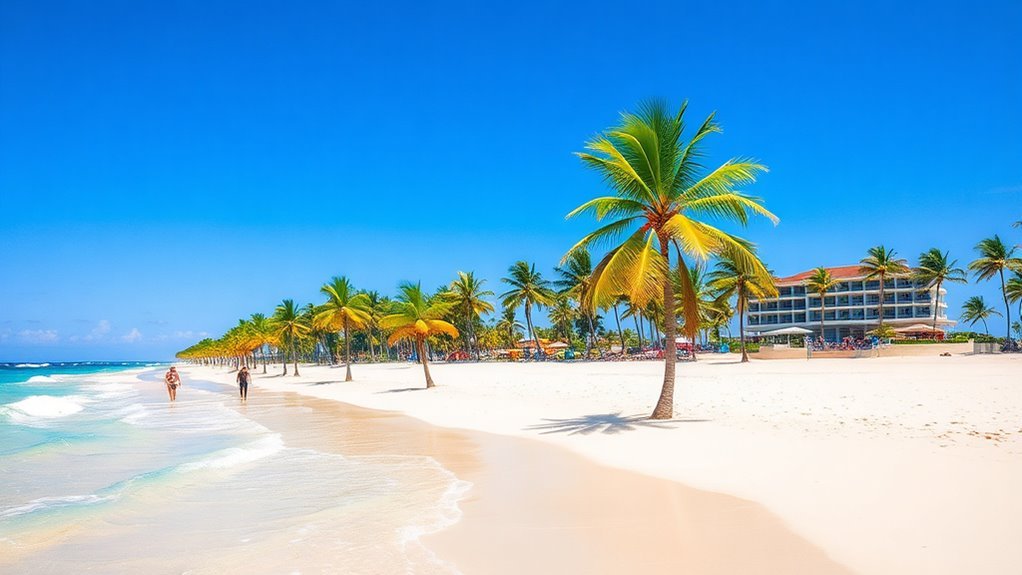
Punta Cana enjoys a tropical savanna climate, meaning warm temperatures and sunshine are pretty much guaranteed year-round — but rainfall, humidity, and crowd levels shift considerably depending on the month.
Temperatures stay between 77°F and 88°F throughout the year, so you’ll never need to pack heavy layers.
Punta Cana stays between 77°F and 88°F all year — leave the sweaters at home.
December through April brings the driest, most comfortable conditions — ideal for beach activities like snorkeling, kitesurfing, and long afternoons on Bávaro Beach. You’ll also find local cuisine festivals and outdoor dining experiences more enjoyable when humidity isn’t suffocating you.
May through November marks the rainy season, with August and September carrying the highest hurricane risk. Showers typically arrive in short afternoon bursts rather than all-day downpours, so mornings often stay clear.
Understanding monthly patterns lets you choose when to go based on your priorities — whether that’s perfect weather, fewer crowds, or lower costs. Each season genuinely offers something worth considering.
The Best Months to Visit Punta Cana
With the monthly weather patterns in mind, narrowing down the actual best time to visit Punta Cana becomes much easier. Your ideal window depends on what you’re chasing.
| Travel Goal | Best Months | Why It Works |
|---|---|---|
| Family vacations | December–April | Dry skies, calm seas, minimal rain disruptions |
| Romantic getaways | January–February | Cooler temps, fewer crowds, intimate atmosphere |
| Adventure activities | March–April | Perfect conditions for diving, surfing, and hiking |
If you’re prioritizing cultural experiences, visit during local festivals in January or June, when Dominican traditions come alive beyond the resort bubble.
December through April consistently delivers the strongest combination of sunshine, manageable humidity, and reliable beach conditions. You’ll pay peak-season prices, but you’re buying certainty.
If budget matters more than perfection, May and November offer solid weather with dramatically lower costs — a smart trade-off worth considering.
Peak Season vs. Off-Season: How Crowds Change the Experience
When you visit Punta Cana during peak season (December through April), you’ll encounter packed beaches, crowded resorts, and long waits at popular attractions.
If you shift your trip to the off-season, you’ll enjoy a more relaxed atmosphere with fewer tourists competing for space, though you’ll need to stay alert to hurricane activity.
Peak season also tightens booking availability dramatically, so you’ll want to secure reservations months in advance, while off-season travel gives you far more flexibility and last-minute options.
Peak Season Crowd Levels
During peak season, Punta Cana’s beaches, resorts, and attractions fill up fast—and you’ll feel it. From mid-December through April, tourist numbers surge, turning pristine shorelines into crowded stretches of umbrellas and lounge chairs.
Popular excursions book out weeks in advance, resort pools get packed by mid-morning, and restaurant wait times stretch longer than you’d expect.
That said, peak season also aligns with vibrant local events and cultural festivals that give your trip real depth beyond the beach. You’ll find live music, traditional Dominican celebrations, and community gatherings that connect you to the destination authentically.
If you value space and spontaneity, peak season demands advance planning. Book early, arrive at attractions before 9 a.m., and you’ll reclaim the freedom peak crowds often steal.
Off-Season Visitor Experience
Flip the calendar past April, and Punta Cana becomes a different destination entirely. You’ll find quieter beaches, shorter lines, and genuinely relaxed locals who actually have time to connect with you.
Off-season discounts slash hotel rates dramatically, freeing your budget for unique activities like deep-sea fishing charters, zip-lining through lush rainforest canopies, or authentic Dominican cooking classes that crowded peak months rarely accommodate comfortably.
Yes, afternoon rain showers appear more frequently, but they’re typically brief and invigorating rather than vacation-ruining. You’ll explore cenotes, coral reefs, and local markets without elbowing past tour groups.
Restaurants seat you immediately, bartenders remember your name, and resort staff deliver genuinely personalized service. If you crave real freedom over a polished, crowded spectacle, the off-season delivers exactly that.
Booking Availability Differences
Booking Punta Cana during peak season means competing with thousands of travelers chasing the same sun-drenched escape. Accommodation availability shrinks fast, and price fluctuations spike dramatically between December and April.
Without smart booking strategies, you’ll either overpay or settle for less desirable options.
Off-season flips the script entirely. You’ll find generous seasonal discounts, flexible cancellation policies, and wider travel package options that actually let you customize your experience.
Resorts actively compete for your business when demand drops, giving you real negotiating power.
Timing flexibility is your greatest asset. Shifting your trip by even two weeks outside peak windows reveals premium rooms at fraction-of-the-cost rates.
You’re not sacrificing quality — you’re reclaiming control over how and where your money goes.
Hurricane Season in Punta Cana: What’s the Real Risk?
Hurricane season in Punta Cana runs from June through November, with August and October carrying the highest storm risk.
That said, you shouldn’t let fear of hurricanes automatically rule out those months—direct hits are relatively rare, and many travelers visit without incident.
If you’re booking during this window, you’ll want to purchase travel insurance, choose hotels with solid cancellation policies, and monitor forecasts closely as your trip approaches.
Hurricane Season Timeline
While the Atlantic hurricane season officially runs from June 1 through November 30, Punta Cana’s real window of risk is much narrower. Peak threat concentrates between August and October, giving you plenty of room to plan smart.
| Month | Risk Level |
|---|---|
| June | Low |
| July | Low-Moderate |
| August | High |
| September | Highest |
| October | Moderate |
Use storm tracking apps like Weather Underground or Windy to monitor conditions before and during your trip. Strong hurricane preparedness tips include booking refundable accommodations and purchasing travel insurance that covers weather disruptions. September carries the greatest statistical danger, so avoiding that month alone dramatically improves your odds of smooth, uninterrupted travel. You’re not powerless — you’re informed.
Actual Storm Probability
Fear often outpaces fact when it comes to hurricane season in Punta Cana. Yes, storm season runs June through November, but direct hits are genuinely rare. The Dominican Republic’s geographic position means most hurricanes track northward before making landfall.
You’re looking at roughly a 10% chance of any significant storm impact during your visit—and an even smaller chance of a direct hit.
Understanding Punta Cana’s weather patterns gives you real freedom to plan confidently. August and September carry the highest statistical risk, so if you’re anxious, avoid those weeks.
But June, July, October, and November offer lower prices, thinner crowds, and mostly sunny skies with brief afternoon showers. Don’t let inflated fears steal a genuinely rewarding travel opportunity from you.
Safety Precautions Tips
Traveling smart during hurricane season means following a few straightforward precautions that dramatically reduce your risk.
Buy extensive travel insurance before departing — it’s your financial lifeline if storms force cancellations. Save emergency contacts, including local authorities and your country’s embassy, directly into your phone.
- Beach safety: Watch posted flag warnings religiously; red flags mean dangerous currents that can overpower even strong swimmers.
- Transportation tips: Rent from reputable agencies offering storm flexibility policies, and avoid driving flooded roads after heavy rainfall.
- Health precautions: Pack a waterproof kit with medications, water purification tablets, and insect repellent — post-storm humidity accelerates mosquito activity.
Respect local customs by staying calm during weather disruptions — locals navigate these situations expertly and will guide you safely through any challenge.
How Much Does Punta Cana Cost Depending on When You Go?
Your budget can shift dramatically depending on when you book your Punta Cana trip. Seasonal pricing directly controls what you’ll pay for flights, hotels, and excursions.
Peak Season (December–April): Expect premium rates across the board. All-inclusive resorts can run $300–$600 per night, and flights spike considerably.
You’re paying for guaranteed sunshine and minimal rain risk.
Shoulder Season (May & November): This sweet spot balances reasonable weather with noticeably lower costs. Hotels often drop 20–35%, making budget travel genuinely achievable without sacrificing comfort.
Low Season (June–October): You’ll find the most aggressive deals here. Resorts slash rates by 40–50%, and airlines compete for fewer travelers.
Hurricane risk is real, but travelers who embrace flexibility can access extraordinary value.
Book at least 3–4 months ahead during peak periods. During low season, last-minute deals frequently surface.
Knowing when to go gives you complete financial control over your vacation.
The Best Time to Visit Punta Cana for Every Type of Traveler
Beyond budget, the best time to visit Punta Cana depends heavily on what you actually want from the trip.
Whether you’re planning family vacations, romantic getaways, or solo travel, timing shapes your entire experience.
- Families and group trips thrive in December through April — calm turquoise waters, dry skies, and endless adventure activities like whale watching and snorkeling fill every day.
- Honeymoon destinations and romantic getaways shine brightest in January and February, when crowds thin slightly, beachside dinners feel intimate, and the ocean glows under cooler, golden sunsets.
- Wellness retreats and cultural experiences peak in May and June — you’ll dodge peak-season chaos, explore local festivals with authentic energy, and find resort spas blissfully uncrowded.
For solo travel, shoulder seasons offer the perfect balance of safety in numbers and personal freedom.
No matter your style, Punta Cana delivers — you just need to pick your moment.
Frequently Asked Questions
What Are the Best All-Inclusive Resorts in Punta Cana?
You’ll love top picks like Excellence Punta Cana for romantic getaways, Barceló Bávaro for family-friendly options, and Hard Rock Hotel for luxury amenities—all offering stunning beachfront locations that’ll set you free!
Do I Need a Visa to Visit Punta Cana From the US?
You don’t need a visa! As a US citizen, you’ll breeze through entry requirements with just your passport. Your travel documentation stays simple — just verify your passport’s valid, and you’re free to explore Punta Cana effortlessly.
What Vaccinations Are Recommended Before Traveling to Punta Cana?
Before heading to Punta Cana, you’ll want to meet key travel health standards. While there aren’t strict vaccination requirements, doctors recommend you’re current on hepatitis A, typhoid, and routine immunizations to protect your freedom to explore confidently.
Is Punta Cana Safe for Solo Female Travelers Year-Round?
Yes, you can enjoy Punta Cana safely year-round as a solo female traveler! Follow essential solo travel tips, take smart safety precautions, stay in reputable resorts, trust your instincts, and you’ll experience true freedom and empowerment throughout your journey.
How Far Is Punta Cana Airport From the Main Resort Areas?
You’d think Resort Accessibility means a long haul, but it’s surprisingly close! Punta Cana Airport sits just 20-30 minutes from major resorts. Airport Transportation options like shuttles and taxis give you quick, hassle-free freedom upon arrival.
Conclusion
Whether you’re chasing sun-soaked beaches or hunting for budget-friendly deals, Punta Cana’s got something for every type of traveler. Timing your trip smartly can save you hundreds — peak season prices can run up to 40% higher than the off-season. If you want fewer crowds and lower costs, aim for May or November. But if you’re dreaming of picture-perfect weather, December through April won’t let you down.