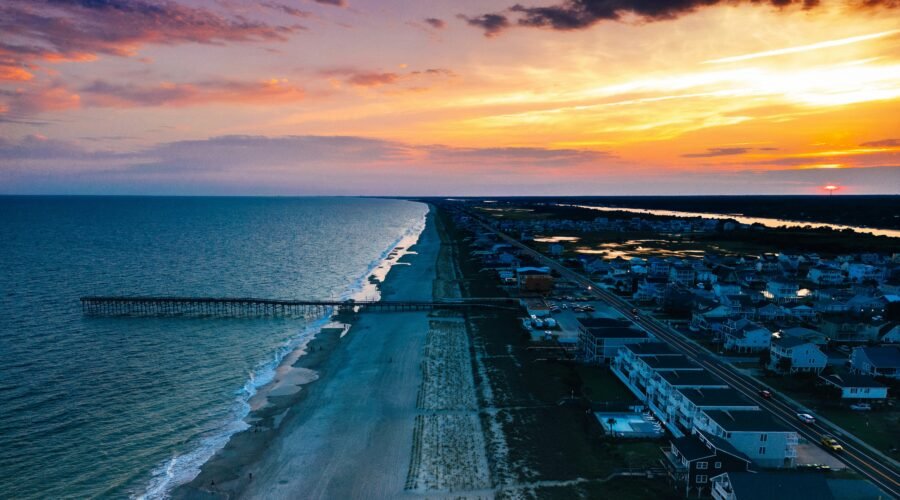
So, you’re thinking about a trip to North Carolina, huh? Smart move. It’s a state with serious variety – from the mountains to the coast, there’s a lot to take in. But when’s the best time to actually go? The quick answer is: it really depends on what you’re looking for. Are you chasing mild weather for hiking? Hoping to avoid the biggest crowds? Trying to stretch your dollar as far as it can go? This guide will break it down, month by month, so you can pick your perfect window.
Spring in North Carolina is like watching the state shake off winter’s slumber. It’s a season of transition, with temperatures warming up and everything starting to bloom.
What the Weather’s Like
- Early Spring (March): Still a bit chilly, especially in the mountains. You might get some lingering frost, and the coast can still be breezy and cool. Think layers. Average highs in the 50s and 60s Fahrenheit.
- Mid-Spring (April): This is often when things really start to heat up. Days get noticeably longer and warmer. The mountains are a stunning sight with fresh green growth, and the coast becomes more inviting. Average highs in the 60s and 70s Fahrenheit.
- Late Spring (May): Generally beautiful. You can expect warm, pleasant days perfect for almost any activity. It’s a sweet spot before the summer heat and humidity really kick in. Average highs in the 70s and 80s Fahrenheit.
- Rain: Spring can bring thunderstorms, particularly in April and May. They’re often intense but usually pass relatively quickly.
Crowd Levels
- Early Spring (March): Generally less crowded. While some spring breakers might be around, it’s not peak season for most destinations.
- Mid-to-Late Spring (April – May): Crowds start to pick up, especially around Easter and into May as schools get closer to summer break. Popular spots in the mountains and at the beaches will see more visitors. It’s not as busy as summer, but don’t expect to have everything to yourself.
Cost Considerations
- Generally Affordable: For the most part, spring offers good value. Accommodations and flights are typically more affordable than during the summer peak.
- Holiday Spikes: Be aware of potential price increases around Easter and Memorial Day weekend.
What to Do
- Hiking: The mountains are fantastic in spring. Trails are less muddy than in winter, and the blooming wildflowers and new leaves are beautiful.
- Outer Banks: The beaches start to come alive. While the water might still be a bit cool for swimming, it’s perfect for long walks, fishing, or exploring.
- Gardens and Arboretums: This is prime time for flowers. The State Botanical Garden of North Carolina and the Elizabethan Gardens are stunning.
- City Exploration: Cities like Asheville, Durham, and Charlotte are pleasant to explore with milder temperatures.
If you’re planning a trip to North Carolina and want to make the most of your visit, it’s essential to consider various factors such as weather, crowds, and costs. For more insights on how to choose the best time for your travels, you might find this related article helpful: How We Review Products. This resource provides valuable information that can enhance your travel planning experience.
Summer: Sun, Sweat, and Seashells (June – August)
Summer in North Carolina is all about embracing the heat and humidity, and for many, that means heading for the coast or the cooler mountain elevations.
What the Weather’s Like
- Hot and Humid: This is the main characteristic. Expect high temperatures, often in the 80s and 90s Fahrenheit, with significant humidity. The coast can feel even hotter due to the sea breeze, but the humidity is persistent.
- Afternoon Thunderstorms: Very common, especially in the mountains and inland areas. These can be quite dramatic but are usually short-lived and offer a refreshing break from the heat.
- Coastal Breezes: The Outer Banks and other coastal regions offer a bit of relief with sea breezes, but the air is still warm and humid.
Crowd Levels
- Peak Season: Summer is the peak travel season for North Carolina. Beaches are packed, mountain towns are bustling, and popular attractions will have long lines.
- Family Vacations: With school out, families flock to the state, especially to the beaches. Expect higher numbers of tourists throughout June, July, and August.
Cost Considerations
- Highest Prices: This is when you’ll pay a premium for just about everything – accommodations, flights, and even some activities. Booking well in advance is crucial.
- Minimum Stays: Many beach rentals have weekly minimum stay requirements, which can increase the overall cost of your trip.
What to Do
- Beach Vacation: This is prime beach time. The Outer Banks, Wilmington, Myrtle Beach (just across the border in SC, but a popular draw), and Oak Island are major draws. Swimming, sunbathing, watersports – it’s all about the sand and surf.
- Mountain Escapes: While it’s hot at lower elevations, the higher reaches of the Appalachian Mountains offer cooler temperatures. Hiking, scenic drives (like the Blue Ridge Parkway), and exploring mountain towns like Asheville or Boone are popular ways to beat the heat.
- Outdoor Festivals: Summer is festival season. Music festivals, craft fairs, and food events pop up across the state.
Fall: A Golden Glow (September – November)

For many, this is the undisputed champion season in North Carolina. The humidity recedes, the colors explode, and the temperatures are downright pleasant.
What the Weather’s Like
- Crisp and Comfortable: This is the highlight. Temperatures are mild, often in the 60s and 70s Fahrenheit, with significantly lower humidity than summer. Evenings can get cool, especially in the mountains.
- The Foliage: Early to mid-fall (late September through October) is when the mountains put on a spectacular show of autumn colors. The Blue Ridge Parkway and the Great Smoky Mountains are iconic for this.
- Coastal Serenity: The coast remains enjoyable. The water might be too cool for swimming for many, but the beaches are less crowded and perfect for walking and enjoying the sea air.
- Frost Potential: By late November, especially in the mountains, you can start to expect frost.
Crowd Levels
- Moderate to High: Fall is very popular, particularly for the fall foliage. Mountain towns and scenic drives can get very crowded, especially on weekends in peak leaf season.
- Shoulder Season Benefits: Outside of peak foliage weekends and holidays, you’ll find fewer crowds than in summer. The coastal areas will start to thin out after Labor Day.
Cost Considerations
- Variable: Prices can be higher in popular fall destinations like Asheville during peak foliage. However, if you can travel mid-week or slightly outside the absolute peak, you can find better deals.
- Good Value Outside Peak Foliage: If you’re not specifically chasing the leaves, early September and late November can offer excellent value before and after the busiest periods.
What to Do
- Fall Foliage Drives: The Blue Ridge Parkway and scenic byways are must-dos. Plan your trip based on expected peak color times (which vary by elevation and year).
- Hiking: The cooler, drier air makes hiking a dream. Explore trails in the state parks or Pisgah National Forest.
- Apple Picking and Pumpkin Patches: A quintessential fall activity. Many farms across the state offer these experiences.
- Wine and Beer Trails: Carolina’s wine regions and growing craft beer scene are particularly enjoyable in the fall.
- Coastal Exploration: The beaches are still lovely for a relaxed visit. Enjoy seafood festivals and the quieter atmosphere.
Winter: Cozy and Quiet (December – February)

Winter in North Carolina offers a different kind of charm, with fewer crowds and the possibility of snow in the mountains.
What the Weather’s Like
- Mild to Cold: Coastal areas generally experience mild winters, with average highs in the 50s Fahrenheit. Inland and especially in the mountains, it gets colder, with temperatures often dipping into the 30s and 40s Fahrenheit.
- Snow Potential: The Western parts of the state, particularly elevations above 3,000 feet, can see significant snowfall. Ski resorts operate during this time.
- Chilly Coast: Expect cool, breezy conditions at the coast. It’s rarely freezing, but not beach-swimming weather.
Crowd Levels
- Lowest of the Year: Generally, winter is the quietest season. The beaches are virtually empty, and the mountains see fewer visitors, except for ski resorts.
- Holiday Rush: Expect a slight bump in crowds around Christmas and New Year’s, especially in mountain towns with ski resorts or holiday festivities.
Cost Considerations
| Month | Weather | Crowds | Costs |
|---|---|---|---|
| March | Mild temperatures, some rain | Low | Low |
| April | Warm temperatures, blooming flowers | Low to moderate | Moderate |
| May | Warm temperatures, increasing chance of rain | Moderate | High |
| June | Hot temperatures, higher chance of rain | High | High |
| July | Hot temperatures, occasional thunderstorms | High | High |
- Best Deals: If you’re looking to save money, winter is your best bet. Accommodations and flights are significantly cheaper, especially outside of the holiday period.
- Ski Town Premium: Ski resorts and nearby towns will be more expensive during their operating season, but still likely less than peak summer rates elsewhere.
What to Do
- Skiing and Snowboarding: Head to the mountains for winter sports. Sugar Mountain, Beech Mountain, and Appalachian Ski Mountain are popular choices.
- Cozy Mountain Getaways: Rent a cabin, enjoy a fireplace, and explore quiet mountain towns. The scenic drives are still beautiful, even without foliage.
- Coastal Calm: If you enjoy the stark beauty of a winter beach, the Outer Banks and other coastal areas are peaceful and uncrowded. Perfect for long walks and birdwatching.
- Historic Sites: Explore historical sites like Old Salem in Winston-Salem or try some of the state’s iconic barbecue joints without the summer crowds.
- Indoor Attractions: Museums, theaters, and breweries are great options for cooler days.
If you’re planning a trip to North Carolina, you might also find it helpful to read about the best travel tips and insights in our related article. This resource provides valuable information on how to make the most of your visit, including recommendations on local attractions and hidden gems. For more details, check out this article to enhance your travel experience.
Shoulder Seasons: The Sweet Spot (Late Spring & Early Fall)
These are often the times when you get the best of everything: pleasant weather, manageable crowds, and reasonable prices.
What the Weather’s Like
- Late Spring (Mid-May to Early June): Days are warm and sunny, and the humidity hasn’t reached its summer peak. It’s a delightful time for outdoor activities before the intense heat and crowds arrive.
- Early Fall (Mid-September to Mid-October): This is the heart of fall for many. The temperatures are ideal, with crisp mornings and warm afternoons. The leaves are just starting to turn in the mountains, offering beautiful scenery without the full autumn rush.
Crowd Levels
- Moderate: These periods strike a good balance. You’ll encounter other travelers, but it’s far less intense than during peak summer or foliage season. Weekends will be busier than weekdays.
- Great for Flexibility: You have more options for booking accommodations and tours without needing to plan months in advance.
Cost Considerations
- Good Value: Prices tend to be more reasonable during these shoulder seasons. You can often find better deals on flights and hotels compared to the absolute peak times.
- Strategic Booking: While not peak prices, booking a few weeks ahead is still a good idea, especially if you’re traveling on a weekend or near a holiday.
What to Do
- Outdoor Adventures: Perfect for hiking, biking, kayaking, and exploring all the outdoor beauty North Carolina has to offer.
- City Breaks: Mild weather makes exploring cities like Raleigh, Charlotte, or the historic charm of Wilmington very enjoyable.
- Coastal Visits: Enjoy the beaches without the summer hustle and bustle. The water might be cooler, but the atmosphere is relaxed.
- Foliage Sneak Peek (Early Fall): Catch the early stages of autumn color in the mountains, which can be less crowded than the peak viewing times.
If you’re planning a trip to North Carolina, you might find it helpful to explore the best times to visit based on various factors such as weather, crowds, and costs. For additional insights on travel planning, check out this informative article on travel tips that can enhance your experience and help you make the most of your journey.
Timing Your Trip Based on Your Priorities
Ultimately, the “best” time to visit North Carolina boils down to what matters most to you.
For the Best Weather
- Spring (April-May): Mild temperatures, blooming nature, and a good balance before summer heat.
- Fall (September-October): Crisp, dry air, comfortable temperatures, and stunning foliage (in the mountains).
For Avoiding Crowds
- Winter (January-February): Generally the quietest time across the state, especially at the beaches and inland.
- Early Spring (March): Before spring break crowds and before the summer rush.
- Late Fall (November): After the peak foliage season, but before the Christmas rush.
For Budget Travelers
- Winter (January-February): Lowest prices for accommodations and flights, except around holidays.
- Early Spring (March): Good deals before the main tourist seasons kick into gear.
For Beach Lovers
- Late Spring (May): Warm enough to enjoy the coast, with fewer crowds than summer.
- Early Fall (September): Water is still warm enough for swimming, and the beaches are much more relaxed.
For Mountain Explorers
- Spring (April-May): Hiking trails are beautiful with new growth and wildflowers.
- Fall (September-October): Ideal for hiking with cooler temperatures and the dramatic fall colors.
For Fall Foliage Admirers
- Mid-to-Late October: This is generally when the peak colors are seen at lower and mid-elevations in the mountains. For higher elevations, late September to early October is often best. Always check foliage reports closer to your travel dates as it can vary year to year.
By considering these factors, you can pinpoint the perfect time for your North Carolina adventure. It’s a state that truly offers something special for every season.
FAQs
1. What is the best time to visit North Carolina for favorable weather?
The best time to visit North Carolina for favorable weather is during the spring (April to June) and fall (September to November) when the temperatures are mild and the humidity is lower.
2. When is the peak tourist season in North Carolina?
The peak tourist season in North Carolina is during the summer months (June to August) when the weather is warm and schools are on break. This is when the state experiences the highest number of visitors and crowds.
3. What is the off-peak season in North Carolina for lower costs and fewer crowds?
The off-peak season in North Carolina is during the winter months (December to February) when the temperatures are cooler and there are fewer tourists. This is a great time to visit for lower costs and fewer crowds.
4. What are the average costs of visiting North Carolina during the peak tourist season?
During the peak tourist season, the costs of visiting North Carolina, including accommodations, activities, and dining, tend to be higher due to the increased demand. It’s advisable to book in advance and expect higher prices.
5. Are there any specific events or festivals that are worth considering when planning a trip to North Carolina?
North Carolina hosts various events and festivals throughout the year, such as the Biltmore Blooms in the spring, the North Carolina State Fair in the fall, and the Carolina Renaissance Festival in the autumn. These events can add to the overall experience of visiting the state.