Choosing the best time to visit Palu, Elazığ, comes down to weather, crowds, and what you want to see. This historic town in eastern Turkey has ancient ruins, views of the Murat River, and striking seasonal changes. Some months are much better for walking around its outdoor attractions than others.
Quick Answer
The best time to visit Palu is from late April through May or September through October. These months offer a good balance of pleasant weather and comfortable sightseeing. May is especially attractive for spring scenery, while October brings cooler walking conditions. July and August are much hotter, and winter can bring frost and snow.
Last checked: October 23, 2026. Dates and figures were verified against official sources.
Best Time to Visit Palu: Weather and Seasonal Comparison
Palu has a climate with hot, relatively dry summers and cold winters. Spring and autumn provide the most comfortable conditions for sightseeing, although spring can be rainy and September can remain quite warm.
The Turkish State Meteorological Service’s official Elazığ climate statistics provide useful regional averages. The figures below use the Elazığ station’s observations through 2025, so temperatures in Palu itself may differ.
| Season | Average Daytime Highs | Crowds and Events | Best For |
|---|---|---|---|
| Spring March-May |
March: 11°C April: 18°C May: 23.7°C |
Generally quiet outside holidays. In 2026, Eid al-Fitr fell on March 20-22 and Eid al-Adha on May 27-30. | Castle visits, green landscapes, and walking. |
| Summer June-August |
June: 29.9°C July: 34.4°C August: 34.4°C |
Potentially busier during school holidays. Elazığ summer events ran June 25-August 30, 2026. | Evening activities, cultural events, and short visits. |
| Autumn September-November |
September: 29.5°C October: 21.6°C November: 12.8°C |
Usually quieter after summer. Republic Day is October 29. | Historical sites, photography, and cooler walks. |
| Winter December-February |
December: 5.7°C January: 3.1°C February: 5.2°C |
Generally quieter for outdoor sightseeing. Winter sports are seasonal elsewhere in Elazığ province. | Quiet visits and winter landscape photography. |
Temperature values are monthly average daytime highs from the Elazığ meteorological station, not forecasts or exact measurements for Palu.
1. Understanding Palu’s Climate by Season
Spring in Palu: March, April, and May
Spring is one of the best seasons to explore Palu. Temperatures rise steadily, the surrounding countryside becomes greener, and walking is more comfortable than during the hottest summer months.
- March: The weather is still chilly, especially in the mornings and evenings. The regional average daytime high is 11°C (52°F), with nights often much colder.
- April: Average daytime highs reach about 18°C (64°F). This is a good month for exploring, although rain can interrupt outdoor plans.
- May: Daytime highs average 23.7°C (75°F). Late spring offers comfortable conditions for longer visits to the castle and nearby ruins.
Spring isn’t completely dry. Elazığ’s average monthly rainfall reaches 63.2 mm in April and 54.3 mm in May. A lightweight rain jacket and comfortable shoes are useful for exploring the old settlement.
Best for: First-time visitors, historical sightseeing, nature walks, and travelers who prefer moderate temperatures.
Summer in Palu: June, July, and August
Summer brings strong sunshine, high temperatures, and very little rainfall. It’s suitable for travelers who enjoy warm weather, but midday sightseeing can become tiring.
- June: The average daytime high is 29.9°C (86°F). Early June can still be manageable for outdoor activities.
- July: The average high rises to 34.4°C (94°F). This is one of the hottest months, and afternoon sightseeing can be uncomfortable.
- August: Average daytime highs remain around 34.4°C (94°F). Rain is particularly scarce, with an average monthly total of just 1.8 mm at the Elazığ station.
Summer may attract more domestic travelers because of school vacations and family visits. Palu does not have the same mass-tourism pattern as Turkey’s famous coastal resorts, so crowded attractions are not guaranteed.
If you visit during July or August, explore exposed historical sites in the early morning or late afternoon. Carry drinking water, wear sun protection, and leave the hottest part of the day for indoor activities or a relaxed meal.
Best for: Travelers who tolerate heat well, enjoy long daylight hours, and want to combine Palu with summer cultural events in Elazığ.
Autumn in Palu: September, October, and November
Autumn is another excellent time to visit. Temperatures become more comfortable as summer ends, although September remains warm enough that midday shade can still be welcome.
- September: Average daytime highs are approximately 29.5°C (85°F). This is a good alternative for visitors who want mostly dry weather without July’s strongest heat.
- October: Temperatures fall to an average high of 21.6°C (71°F), creating comfortable conditions for sightseeing. Autumn colors may appear in the surrounding landscape.
- November: The average high drops to 12.8°C (55°F). Colder mornings, shorter days, and more rain make outdoor activities less predictable.
October has an average monthly rainfall of 38.8 mm in the official regional records. It is wetter than September but still offers a strong balance between pleasant temperatures and historical exploration.
Best for: Photography, sightseeing, countryside walks, and travelers seeking a relaxed autumn trip.
Winter in Palu: December, January, and February
Winter is the coldest season in Palu. Snow, freezing temperatures, and icy conditions can make outdoor sightseeing more difficult, although winter scenery has its own appeal.
- December: Average daytime highs are about 5.7°C (42°F). Nights frequently approach or fall below freezing.
- January: The average high is 3.1°C (38°F), making it the coldest month in the regional records.
- February: Average daytime highs rise slightly to 5.2°C (41°F), but winter conditions can continue.
Palu’s historical setting can look striking under snow. However, the steep terrain around the castle becomes more challenging when wet, icy, or snow-covered.
Some smaller establishments may operate shorter hours during quiet winter periods, and outdoor activities may depend on weather and road conditions.
Best for: Winter photography, quiet sightseeing, and visitors comfortable with cold weather.
2. When Is Palu Most Crowded?
Palu is a relatively small destination, and reliable monthly visitor-count data is limited. Local holidays, school breaks, and individual events may affect crowds more than the usual international tourism calendar.
Peak Travel Period: July and August
July and August are likely to be among the busier periods for domestic travel because Turkish schools are on summer break. Families traveling within the region may increase demand for accommodation and transportation.
However, Palu is not a major coastal resort. Even during summer, its historical attractions may feel quieter than famous tourist destinations elsewhere in Turkey.
Shoulder Seasons: Late April to Early June and September to October
These periods offer the best combination of comfortable sightseeing weather and a generally relaxed atmosphere.
- Late April to early June: Excellent for greenery, spring scenery, and exploring historical landmarks.
- September to October: Better for travelers who prefer drier conditions in early autumn or cooler weather in October.
These are sensible travel windows rather than guaranteed low-crowd periods. Public holidays and special events can still create temporary demand.
Off-Peak Period: November to March
November through March is generally less attractive for extended outdoor sightseeing because of cold weather and shorter days.
Visitors who prefer quiet surroundings may enjoy this period, but winter weather can restrict access to exposed ruins and natural areas. Plan a flexible itinerary instead of relying on uninterrupted outdoor activities.
3. Costs and Budgeting: When Can You Save Money?
Accommodation and transport costs can change with demand, holidays, and how far ahead you book. Palu-specific monthly price data is too limited to establish a reliable cheapest or most expensive month.
Summer: Potentially Higher Travel Costs
July and August can bring greater demand for domestic flights and accommodation across Turkey. Prices may rise during popular travel dates, particularly where room availability is limited.
For a summer visit, booking accommodation and long-distance transportation in advance may help you secure suitable options. There is no verified fixed percentage increase for Palu itself.
Spring and Autumn: A Good Balance of Cost and Comfort
Late spring and early autumn may provide better value than busy summer holiday dates. The main advantage, however, is getting comfortable sightseeing weather without needing a winter itinerary.
May and October are especially appealing if you want to spend more time outdoors. September may also work well, particularly if you prefer warm, mostly dry conditions.
Winter: Possible Savings With Trade-Offs
Winter is often considered an off-season period, and some accommodation providers may offer attractive rates. However, it is not safe to assume every winter date is cheaper than spring or autumn.
Reduced lodging choices, winter transportation needs, and potential weather delays can affect the total cost of a trip.
A useful way to budget is to compare the complete cost of the visit: accommodation, travel to Elazığ, local transport to Palu, meals, and any paid attractions or guided activities. Exact admission fees and seasonal room-price averages were not confirmed for Palu’s historical sites.
4. Special Events and Cultural Experiences
Events can make a trip more interesting, particularly if you also plan to visit Elazığ city. The most reliable approach is to distinguish confirmed event dates from celebrations that vary from year to year.
Summer Cultural Events in Elazığ
Elazığ Municipality organized a summer events program from June 25 to August 30, 2026, according to its official summer events announcement.
The program included concerts, traditional Kürsübaşı music performances, outdoor film screenings, theater, and children’s activities. The main summer program was held in Elazığ city, not Palu.
This provides a useful reason to consider a summer side trip if you are interested in local music and culture. These dates describe the confirmed 2026 program, not a permanent schedule for future years.
Traditional Markets and Seasonal Food
Local markets offer opportunities to experience everyday life throughout the year. Seasonal produce, such as grapes and walnuts, becomes particularly interesting around late summer and autumn.
Look for orcik, a traditional regional sweet made with walnuts and grape-based ingredients, alongside other local products.
Market activity varies, and there is no verified fixed annual harvest festival in Palu that travelers should assume will take place on a particular date.
Religious and National Holidays
Turkey’s religious holidays follow the Islamic lunar calendar, so their dates change each year. Public holidays can affect transport demand, business hours, and accommodation availability.
According to the official Turkish public holiday calendar, important 2026 dates included:
- March 20-22: Ramazan Bayramı (Eid al-Fitr).
- April 23: National Sovereignty and Children’s Day.
- May 1: Labor and Solidarity Day.
- May 19: Commemoration of Atatürk, Youth and Sports Day.
- May 27-30: Kurban Bayramı (Eid al-Adha).
- July 15: Democracy and National Unity Day.
- August 30: Victory Day.
- October 29: Republic Day, preceded by a half-day holiday on October 28.
Religious holidays are particularly important for travel planning because many people visit relatives or travel between cities. National holidays may also bring local celebrations and changes to normal schedules.
Winter Sports Near Elazığ
Winter sports are an option elsewhere in Elazığ province, although they are not a standard activity in Palu itself.
The Hazarbaba Ski Center is located near Sivrice, overlooking Lake Hazar. The provincial tourism authority describes December through March as its normal skiing period, with facilities including a chairlift and cafeteria.
The actual operating days depend on conditions. A recurring February event called the Hazarbaba Ski Festival could not be confirmed from the official information reviewed.
5. Best Activities in Palu by Season
The best time to visit Palu also depends on your interests. Historical sightseeing, countryside walking, photography, and local food experiences each benefit from slightly different conditions.
Historical Exploration: May and October
May and October are excellent choices for exploring Palu’s historical landmarks without the most intense summer heat.
The Elazığ Provincial Directorate of Culture and Tourism’s Palu guide identifies several important attractions:
- Palu Castle: A historic stronghold approximately 1 km east of the town, with Urartian remains and views over the Murat River.
- Urartian Rock Inscription: An ancient cuneiform inscription associated with King Menua, located on the castle’s northeastern side.
- Historic Palu Bridge: A stone bridge over the Murat River with architecture reflecting Seljuk bridge traditions. It measures approximately 156.5 meters long.
- Palu Ulu Mosque: A historic mosque ruin in the old Çarşıbaşı area.
- Alacalı Mescit: A religious structure recognized for its contrasting dark and light stonework.
- Historic Baths, Tombs, and Church Remains: Additional landmarks that reflect the area’s layered history.
Several buildings survive as ruins rather than fully functioning attractions. Exploring their surroundings is different from entering a restored museum with fixed visitor facilities.
Note: Archaeological excavations were documented at Palu Castle in 2026 through official provincial tourism announcements. Excavation work does not necessarily mean the entire site is closed, but access to particular areas may be restricted. Follow local signs and do not enter active excavation zones.
Hiking and Outdoor Activities: April-May and September-October
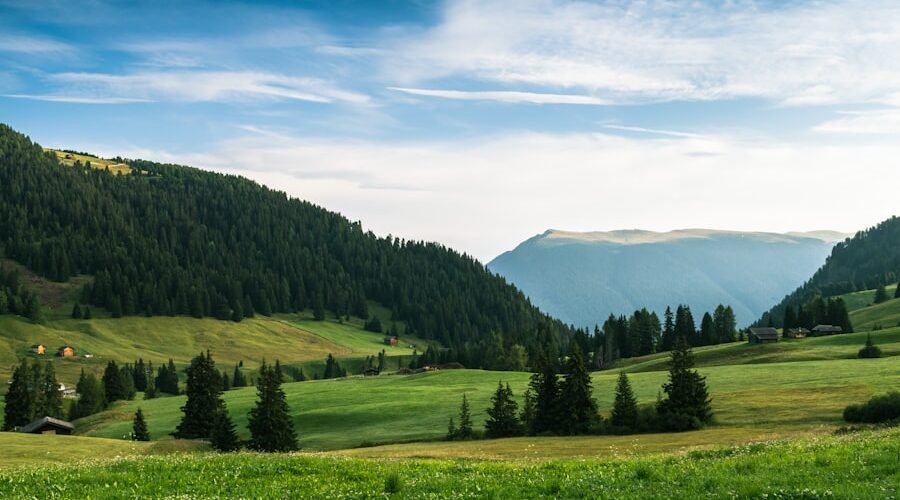
Spring and autumn provide the most comfortable periods for enjoying Palu’s countryside. The Murat River valley and surrounding hills create attractive settings for walks and photography.
Spring brings greener scenery, while autumn offers warmer landscape colors and cooler temperatures later in the season.
The hills near historical structures can be steep or uneven. Wear shoes with good grip, and avoid unsupported ruins or unstable slopes.
Summer hiking is better kept to cooler parts of the day. In winter, snow and ice can make exposed routes difficult or unsafe.
Photography: Spring, Autumn, and Snowy Winter Days
Palu is particularly attractive for landscape and historical photography because of the contrast between its rocky hills, ancient structures, and river valley.
- Spring: Green countryside, fresh vegetation, and softer seasonal colors.
- Summer: Clearer skies and strong sunlight, with better light for photography near sunrise and sunset.
- Autumn: Golden tones, cooler weather, and atmospheric scenes around historic buildings.
- Winter: Snow-covered hills and dramatic scenery when weather conditions allow safe access.
Local Food and Everyday Life: Most of the Year
You can experience local cuisine in any season, although spring through autumn is more comfortable for outdoor markets and cafes.
The regional food culture includes dishes such as Palu Tava, Harput Köfte, and local soups. The official Elazığ cuisine guide also lists orcik, pestil, traditional breads, and locally grown grape varieties among its regional specialties.
Autumn is particularly appealing for visitors interested in agricultural produce and traditional preserved foods.
6. Getting to Palu and Planning Your Visit
Palu is east of Elazığ city and can be visited as a separate destination or as part of a wider trip around the province. Its main attractions are historical sites rather than large entertainment complexes.
The provincial tourism authority places the district approximately 75 km east of Elazığ and describes road, minibus, and rail connections.
A practical approach is to use Elazığ as a travel base if you want more accommodation and transport options. Palu itself is better suited to travelers primarily interested in history, quiet surroundings, and local culture.
Before traveling, use this simple planning checklist:
- Choose May or October if comfortable outdoor sightseeing is your main goal.
- Allow time for Palu Castle, the historic bridge, and other old-town remains.
- Arrange transportation between historical sites, especially if you are not driving.
- Carry water, suitable footwear, and weather-appropriate clothing.
- Confirm local access arrangements for archaeological areas and restored structures.
- Allow extra flexibility when traveling in winter or during national holidays.
Frequently Asked Questions
What is the best time to visit Palu and Elazığ for good weather?
Late April through May and September through October are generally the best periods for pleasant sightseeing weather. May offers comfortable spring temperatures, while October is cooler than September. July and August are much hotter, and winter can bring freezing conditions.
When is the peak tourist season in Palu and Elazığ?
July and August are likely to be busier for domestic travel because of summer school holidays. Religious holidays and local events can also increase demand. However, reliable Palu-specific monthly visitor counts are limited, and the town is generally less tourism-focused than Turkey’s major resort destinations.
When is the off-peak season in Palu and Elazığ?
November through March is generally a quieter period for outdoor sightseeing, especially during the coldest winter months. The trade-off is a greater chance of snow, icy paths, and reduced access to exposed historical sites. Winter travelers should allow more flexibility in their plans.
How much does it cost to visit Palu and Elazığ?
Travel costs depend on accommodation, transportation, dates, and planned activities. Summer holidays may bring higher demand, while quieter periods sometimes offer better rates. No reliable Palu-wide seasonal price average was confirmed, so winter cannot be assumed to be the cheapest period for every visitor.
Are there festivals or major events near Palu?
Yes. Elazığ city hosts cultural events, including a municipal summer program that ran from June 25 to August 30 in 2026. Religious and national holidays also affect local activities and travel demand. A fixed annual August date for the Harput Culture and Arts Festival was not confirmed.
Does it snow in Palu during winter?
Yes, snow is possible in Palu during winter, and nighttime temperatures can fall below freezing. January is the coldest month in the nearby Elazığ climate records. Snow can create attractive views, but icy conditions make walks around the castle and historical ruins more challenging.
What is the best month to explore Palu Castle?
May and October are excellent months for exploring Palu Castle because average daytime temperatures are comfortable for walking. September is another option, although it is warmer. The castle has steep, rocky terrain, and archaeological activities may restrict access to certain sections.
Conclusion
For most travelers, the best time to visit Palu is May or October. Both months offer comfortable conditions for exploring its castle, historic bridge, and surrounding countryside.
Choose September for warmer, drier weather, summer for regional cultural events, or winter for a quieter trip with possible snow. Matching your plans to the season will make it easier to enjoy Palu’s history and natural scenery.
Sources
- Turkish State Meteorological Service: Official Elazığ monthly temperature, precipitation, and climate statistics.
- Elazığ Provincial Directorate of Culture and Tourism — Palu District: Historical attractions, castle information, heritage sites, and transportation details.
- Elazığ Municipality — Summer Events 2026: Confirmed summer cultural program dates and activities.
- Borsa İstanbul — Official Public Holidays: Turkish national and religious holiday dates for 2026.
- Elazığ Provincial Directorate of Culture and Tourism — Hazarbaba Ski Center: Ski center location, facilities, and normal winter season.
- Elazığ Provincial Directorate of Culture and Tourism — Elazığ Cuisine: Traditional regional dishes, sweets, and food culture.
- Elazığ Provincial Directorate of Culture and Tourism — 2026 Announcements: Official reporting on archaeological excavations at Palu Castle.