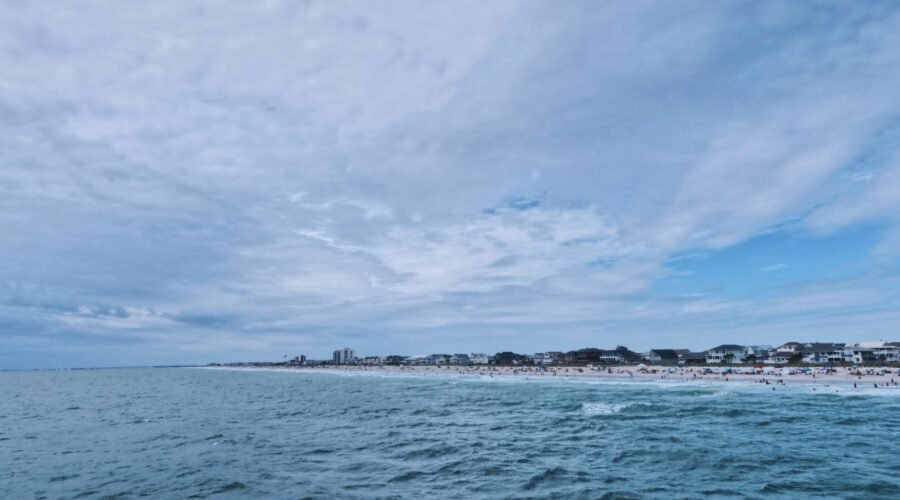
Thinking about a trip to Wilmington, NC? Great choice! When to go really boils down to what you’re looking for. Generally, late spring (April-May) and early fall (September-October) offer the sweet spot of pleasant weather, manageable crowds, and decent prices. But let’s dive into the specifics so you can pick the perfect time for your visit.
1. Understanding Wilmington’s Seasons: A Quick Overview
Wilmington, nestled on the coast, experiences distinct seasons. Think warm, humid summers, mild winters, and beautiful shoulder seasons. Each brings its own vibe and set of considerations for your travel plans.
1.1 Hot, Humid Summers (June-August)
If you love the heat and don’t mind a little humidity, summer can be a fantastic time, especially if beach days are your priority. Expect average daily temperatures to hover in the high 80s to low 90s Fahrenheit (around 30-35°C), often with heat index values making it feel even warmer. This is peak beach season, so surf, sand, and ocean breezes are big draws.
1.2 Mild, Pleasant Winters (December-February)
Wilmington winters are a far cry from the snowy blizzards you might find further north. Average daytime temperatures range from the low 50s to low 60s Fahrenheit (10-16°C). It can get chilly, especially in the evenings, but snow is rare. This is a great time for exploring the historic district, museums, and enjoying a quieter pace.
1.3 The Sweet Spot: Spring and Fall (March-May & September-November)
These shoulder seasons often hit the jackpot for visitors. Spring brings blooming azaleas and comfortable temperatures in the 60s and 70s Fahrenheit (15-25°C). Fall offers crisp air, often sunny days, and similar temperatures. Both seasons are ideal for just about anything you’d want to do outdoors, from strolling the Riverwalk to exploring gardens, without the intense heat or cold.
If you’re planning a trip to Wilmington, North Carolina, it’s essential to consider not only the best time to visit but also the various activities and attractions available throughout the year. For more insights on how to make the most of your visit, you can check out this related article that discusses the top things to do in Wilmington, ensuring you have a memorable experience regardless of when you go. For more information, visit here.
2. Decoding the Weather: What to Expect Month by Month
Knowing the typical weather patterns can help you pack appropriately and plan your activities.
2.1 Spring (March, April, May)
- March: Still a bit cool, especially at the beginning of the month, with average highs in the low 60s (15-18°C) and lows in the 40s (4-7°C). It’s a transitional month, so be prepared for some cooler days mixed with pleasant ones. Rain is moderate.
- April: Often considered one of the best months. Temperatures become much more comfortable, averaging highs in the low 70s (21-23°C) and lows in the 50s (10-12°C). Everything is in bloom, and rainfall is manageable.
- May: Warms up significantly, with average highs in the high 70s to low 80s (25-28°C) and lows in the 60s (15-18°C). Humidity starts to creep in towards the end of the month. Perfect for beach activities before the peak crowds arrive.
2.2 Summer (June, July, August)
- June: Starts hot and humid, with average highs in the upper 80s (30-31°C) and lows in the low 70s (21-22°C). Thunderstorms are common, often in the late afternoon. The water is warm and inviting.
- July: The hottest month. Expect daily highs in the low 90s (32-34°C), often feeling even warmer due to high humidity. Lows are in the mid-70s (23-24°C). Afternoon thunderstorms are frequent and provide temporary relief from the heat.
- August: Very similar to July, with high heat and humidity persisting. Average highs are still in the low 90s, with warm nights. Hurricane season is in full swing, so keep an eye on forecasts.
2.3 Fall (September, October, November)
- September: The heat and humidity begin to recede, but slowly. Early September can feel very much like summer, with highs in the mid-80s (29-30°C). By late September, it becomes much more pleasant. Hurricane risk remains elevated.
- October: Another contender for the best month to visit. Beautiful, clear days with average highs in the low 70s (21-23°C) and lows in the 50s (10-12°C). Humidity is low, making for very comfortable conditions. Ideal for outdoor activities.
- November: Cools down noticeably, with average highs in the mid-60s (18-20°C) and lows in the 40s (4-7°C). A great time for exploring without the summer crowds, though beach swimming might be too chilly for some.
2.4 Winter (December, January, February)
- December: Mildest of the winter months, with average highs in the low 50s to low 60s (11-16°C) and lows in the low 40s (4-6°C). It can be crisp and cool, especially during holiday lights events.
- January: Typically the coldest month, with average highs in the low 50s (10-12°C) and lows in the high 30s (2-4°C). Freezing temperatures are possible, but significant snowfall is rare.
- February: Very similar to January, possibly a touch warmer towards the end of the month. Still cool, with average highs in the low to mid-50s (12-14°C) and lows in the high 30s (3-5°C).
3. Navigating the Crowds: When Wilmington Gets Busy
Visitor numbers can significantly impact your experience, from booking accommodations to enjoying attractions.
3.1 Peak Season: Summer (June-August)
This is when Wilmington and its surrounding beaches (Carolina Beach, Kure Beach, Wrightsville Beach) are absolutely buzzing.
- What to expect: Packed beaches, long waits at popular restaurants, higher prices for lodging, and more traffic, especially on weekends and holidays. Attractions like the USS North Carolina battleship and the Wilmington Riverwalk will see a constant stream of visitors.
- Best for: Families on summer vacation, beach enthusiasts, and those looking for a lively atmosphere. If you’re coming in summer, book everything well in advance – especially lodging at the beaches.
3.2 Moderate Crowds: Spring and Fall (April-May & September-October)
The shoulder seasons strike a great balance.
- What to expect: Still plenty of visitors, but generally more manageable than summer. You might encounter school groups on field trips in spring and fall, but overall, you’ll have more breathing room. Restaurants might still have waits, but not as consistently long. Events like the Azalea Festival (April) or Riverfest (October) will draw larger crowds during those specific weekends.
- Best for: Most visitors who want pleasant weather without the intense summer bustle. This is an ideal time for exploring the historic district, gardens, and enjoying outdoor dining.
3.3 Off-Season: Winter (December-March)
Winter is the quietest time in Wilmington.
- What to expect: Very few tourists, especially in January and February. You’ll often have attractions almost to yourself. Some smaller beach-town businesses might have reduced hours or close for a few weeks in the dead of winter.
- Best for: Budget travelers, those seeking a peaceful getaway, exploring indoor attractions without crowds, and enjoying the charm of the historic district at a relaxed pace. Holiday events in December can bring a temporary increase in local visitors, but it’s still generally calm.
4. Considering the Costs: Budgeting for Your Trip
Your timing inevitably influences how much you’ll spend on lodging, flights, and activities.
4.1 Peak Season Pricing (June-August)
- Lodging: This is when hotels, vacation rentals, and campsites are at their most expensive. Expect to pay premium rates, especially for beachfront properties or those close to the historic district. Booking months in advance is highly recommended, and even then, selection can be limited.
- Flights: Airfares into Wilmington International Airport (ILM) will likely be higher during summer due to increased demand.
- Activities: While many attractions have fixed prices, certain beach-related rentals (kayaks, paddleboards, bikes) might see slightly higher rates due to demand, though this is less pronounced than lodging.
4.2 Shoulder Season Value (April-May & September-October)
- Lodging: You’ll generally find more reasonable prices during these months compared to summer, though rates will still be higher than in winter. There’s better availability, especially if you book a few weeks to a couple of months out. Prices around major festivals (like Azalea Festival or Riverfest) will jump for those specific dates.
- Flights: Airfares are usually more moderate, offering a good balance between availability and cost.
- Activities: Standard pricing. You might find some package deals, especially as operators try to attract visitors outside of pure peak season.
4.3 Off-Season Savings (November-March)
- Lodging: This is where you’ll find the best deals. Hotels in Wilmington and rentals at the beaches often offer significantly reduced rates. You might even find promotions or special packages. Great for a budget-friendly trip.
- Flights: Airfares are typically at their lowest, making it a good time to snag a deal.
- Activities: Most attractions maintain their standard pricing, but you might find fewer crowds means more focused attention from guides or shorter lines. Some seasonal attractions (like certain boat tours) might run on a reduced schedule or close for winter.
If you’re planning a trip to Wilmington, North Carolina, understanding the best time to visit can greatly enhance your experience. For insights on how weather, crowds, and costs can affect your travel plans, you might find it helpful to check out a related article that discusses these factors in detail. This information can help you make informed decisions about when to explore the charming streets and beautiful beaches of Wilmington. To learn more, visit this helpful guide that provides additional tips for your journey.
5. Special Events and Considerations by Month
Beyond general weather and crowds, some specific events or factors might sway your decision.
5.1 Spring Events (March-May)
- North Carolina Azalea Festival (April): A huge deal in Wilmington, featuring parades, concerts, garden tours, and street fairs. It’s beautiful but draws enormous crowds and drives up prices for that specific week. Plan very far ahead if you want to attend.
- Pleasure Island Seafood, Blues, and Jazz Festival (April/May): A popular event in Kure Beach focusing on local food and music.
- Blooming Gardens: Airlie Gardens, Bellamy Mansion, and Cape Fear Botanical Garden are at their most vibrant in spring.
5.2 Summer Considerations (June-August)
- Hurricane Season (June 1 – November 30): While the peak is usually August and September, always be aware of the potential. Keep an eye on weather forecasts and consider travel insurance that covers weather-related disruptions if traveling during these months.
- Fourth of July: A major holiday with fireworks displays and celebrations, leading to maximum crowds and prices.
- Fishing Tournaments: The area hosts several fishing tournaments, bringing in anglers and their families.
5.3 Fall Events (September-November)
- Riverfest (October): Another large festival along the Riverwalk, featuring crafts, food, live music, and fireworks. It’s a fantastic atmosphere but expect larger crowds.
- Halloween in Wilmington: The city has a rich haunted history, and several ghost tours and events pop up in October.
- Perfect for Outdoor Adventures: Kayaking, paddleboarding, and biking are incredibly enjoyable with the cooler temperatures and lower humidity.
5.4 Winter Delights (December-February)
- Holiday Season (December): Historic homes are often decorated, and there are special holiday events, including candlelight tours and Christmas boat parades. Still relatively low crowds compared to summer.
- North Carolina Jazz Festival (January): A well-regarded event for jazz enthusiasts.
- Film History Tours: As a popular filming location, winter is a great time to take a film-themed tour without the heat.
The Ultimate Takeaway
For the best all-around experience – pleasant weather, manageable crowds, and good value – aim for late April to May or late September to October.
If budget is your absolute top priority and you don’t mind cooler weather and fewer beach amenities, January-February can offer fantastic deals.
If a full-on beach vacation with lively crowds and bustling activity is what you crave, July-August is your time, but be prepared for high temperatures, humidity, crowds, and prices. Just remember to book early!
FAQs
1. What is the best time to visit Wilmington, North Carolina for favorable weather?
The best time to visit Wilmington, North Carolina for favorable weather is during the spring (March to May) and fall (September to November) when the temperatures are mild and the humidity is lower.
2. When is the peak tourist season in Wilmington, North Carolina?
The peak tourist season in Wilmington, North Carolina is during the summer months (June to August) when the weather is hot and humid, and the beaches are popular with visitors.
3. What is the off-peak season in Wilmington, North Carolina for avoiding crowds?
The off-peak season in Wilmington, North Carolina is during the winter months (December to February) when the temperatures are cooler, and there are fewer crowds at popular attractions and beaches.
4. When is the most affordable time to visit Wilmington, North Carolina?
The most affordable time to visit Wilmington, North Carolina is during the off-peak seasons of winter and early spring when hotel rates and airfare tend to be lower, and there are often discounts on attractions and activities.
5. What are some annual events and festivals in Wilmington, North Carolina that visitors may want to consider when planning their trip?
Some annual events and festivals in Wilmington, North Carolina include the North Carolina Azalea Festival in April, the Riverfest in October, and the Cape Fear Independent Film Festival in March. These events can add to the overall experience of visiting Wilmington and may influence the best time to plan a trip.