

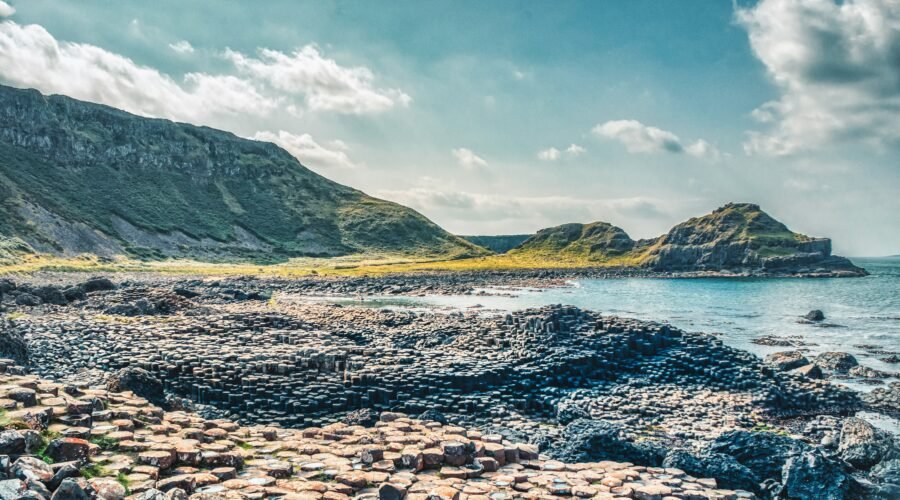
So, you’re thinking of heading to Northern Ireland, and the big question is, “When’s the best time?” The short answer is: it depends on what you’re looking for. If sunshine and long days are your priority, then summer (June to August) is generally your best bet. But if you prefer fewer crowds and don’t mind a bit of a chill, shoulder seasons (spring and autumn) offer a fantastic experience and often better value. Winter is a different beast entirely, offering a stark beauty but comes with shorter days and more challenging weather. Let’s dig into the details so you can pick the perfect time for your trip.
Summer in Northern Ireland is when the country truly comes alive. The days are long – sometimes feeling endless with daylight stretching well into the evening – and the weather is at its most stable. This is prime time for visitors, meaning more buzz, but also more competition for everything.
1.1 Weather: The Best of a Temperate Climate
You’ll find average temperatures ranging from 15°C to 20°C (59°F to 68°F), sometimes creeping higher during heatwaves. Don’t expect scorching Mediterranean sun, but rather pleasant warmth perfect for exploring. Rain is still a possibility – this is Northern Ireland, after all – but it tends to be lighter and less frequent than other times of the year. The biggest draw here is the sheer amount of daylight. You can comfortably enjoy outdoor activities until 9 or 10 PM, making your days feel incredibly productive.
1.2 Crowds: Peak Season Hustle and Bustle
Naturally, everyone wants to enjoy Northern Ireland in its summer glory. This means attractions like the Giant’s Causeway, Titanic Belfast, and Derry’s Walls will be busier. Popular coastal towns and national parks will also see increased foot traffic. You’ll need to book accommodations, car rentals, and popular tours well in advance, especially if you have specific places in mind. Restaurants can get booked up, too, so planning ahead is key. While it’s busier, there’s also a vibrant atmosphere with street performers, outdoor events, and a general buzz that some find exciting.
1.3 Costs: The Highest Prices
Unsurprisingly, peak season comes with peak prices. Flights tend to be more expensive, and accommodation rates, from hotels to B&Bs and self-catering options, will be at their highest. Car rental prices also surge due to demand. If you’re on a tighter budget, summer might not be your best bet unless you book everything many months in advance and are flexible with your choices. However, for many, the trade-off for good weather and lively energy is worth the extra cost.
1.4 Summer Activities: Outdoor Adventures and Festivals
Summer is ideal for hiking (think Mourne Mountains or Causeway Coastal Route), cycling, golfing, and exploring the stunning coastline. Boat trips along the Antrim Coast, lake cruises on Lough Neagh, and exploring the Fermanagh lakelands are all popular. Culturally, you’ll find a range of festivals, outdoor concerts, and agricultural shows across the country. Check local listings for events like the Belfast Pride Festival or various traditional music sessions that often spill out into the streets.
For those planning a trip to Northern Ireland, understanding the best time to visit is crucial for an enjoyable experience. In addition to exploring the weather, crowds, and costs, you might find it helpful to read about travel tips and guidelines in our related article on privacy policies, which can be found here: Privacy Policy. This resource provides insights that can enhance your travel planning and ensure a smooth journey.
2. Spring: Emerging Beauty and Fewer Crowds (April – May)
Spring is a beautiful time to visit Northern Ireland. The landscape shakes off its winter slumber, bursting into verdant greens and vibrant blossoms. It’s a great shoulder season, offering a more relaxed experience than the peak summer months.
2.1 Weather: Unpredictable but Often Pleasant
Temperatures in spring typically range from 8°C to 14°C (46°F to 57°F). While you’ll still experience the occasional shower, the days are noticeably longer, and you’ll get plenty of sunshine. The weather can be fickle – you might experience all four seasons in one day – so layering is essential. Expect crisp mornings, potentially mild afternoons, and cool evenings. April showers are a real thing, but they tend to be intermittent rather than persistent downpours.
2.2 Crowds: A Quieter Experience
Compared to summer, spring sees significantly fewer tourists. This means you can often enjoy popular attractions with more breathing room. You won’t feel rushed, and getting those perfect photos without a crowd in the background becomes much easier. Accommodation and restaurant bookings are generally less competitive, offering more flexibility for last-minute decisions. However, do keep an eye out for the Easter holidays, which can bring a brief surge in domestic tourism.
2.3 Costs: More Budget-Friendly Options
Flights and accommodation tend to be more affordable in spring than in summer. Car rental rates are also usually lower. This makes spring an excellent option for budget-conscious travelers who still want to enjoy good weather and active exploration. You might find better deals on package tours or special offers from hotels looking to attract early-season visitors.
2.4 Spring Activities: Nature’s Awakening and Early Events
Spring is perfect for witnessing nature’s revival. Walk through blooming bluebell woods, visit National Trust properties with their vibrant gardens, or simply enjoy scenic drives as the countryside turns green. Birdwatching picks up as migratory birds return. Many outdoor activities like hiking and cycling are perfectly enjoyable without the summer heat or crowds. Some smaller local festivals and agricultural shows may just be starting up, offering a glimpse into local culture before the main tourist rush.
3. Autumn: Golden Hues and Cozy Charm (September – October)

Autumn is another fantastic shoulder season. The vibrant greens of summer give way to stunning fiery reds, oranges, and golds, creating a dramatic backdrop for exploration. It’s a time of crisp air, fewer crowds, and a distinct cozy charm.
3.1 Weather: Crisp Air and Beautiful Foliage
Average temperatures in autumn hover between 10°C and 15°C (50°F to 59°F) in September, gradually cooling to 7°C to 12°C (45°F to 54°F) by October. While you’ll likely encounter more rainy days than in late spring or summer, the rain often adds to the dramatic atmosphere, especially along the coast. The biggest draw is the spectacular autumn foliage, making scenic drives and walks particularly rewarding. Day length starts to noticeably shorten, but there’s still plenty of light for touring, especially in early autumn.
3.2 Crowds: Post-Summer Calm
As summer tourism winds down, autumn brings a much calmer atmosphere. Attractions are less crowded, and you’ll find more space to yourself. This is ideal if you prefer a more contemplative travel experience. Local life returns to a more normal pace after the tourist season, offering a more authentic feel. Weekends, especially if the weather is good, can still see a modest rise in local visitors to popular spots.
3.3 Costs: Good Value
Similar to spring, autumn offers excellent value. Flight prices begin to drop after the summer peak, and accommodation rates typically become more competitive. Car rental costs also ease up. If you’re looking for a balance between pleasant weather, manageable crowds, and reasonable prices, early autumn (September especially) hits a sweet spot.
3.4 Autumn Activities: Leaf Peeping and Hearty Fare
Autumn is prime time for appreciating the natural beauty of the changing leaves. Forest parks, glens, and national parks are particularly stunning. Consider visiting the Fermanagh Lakelands or exploring the trails around the Sperrin Mountains for incredible vistas. It’s also a great time for cozy pub experiences, enjoying traditional Irish stew or a pint by a roaring fire. Cultural events continue, with Halloween often being a big deal in Derry/Londonderry, renowned for its festivities. You might also find food festivals celebrating seasonal produce.
4. Winter: Stark Beauty and Festive Spirit (November – March)

Winter in Northern Ireland is certainly not for everyone, but it holds a unique appeal for those who don’t mind the cold and shorter daylight hours. It’s a season of dramatic, moody landscapes and a chance to experience the country with very few other tourists.
4.1 Weather: Cold, Wet, and Short Days
This is the chilliest and wettest period. Average temperatures range from 4°C to 8°C (39°F to 46°F), frequently dropping below freezing. Snow is less common than often imagined, but it does happen, especially in higher elevations. Rain is frequent, and the wind can be biting, particularly along the coast. Daylight hours are significantly shorter, with the sun setting as early as 4 PM in December. This means you need to plan your outdoor activities carefully around the available light.
4.2 Crowds: Solitude and Serenity
If you crave solitude, winter is your season. You’ll encounter the fewest tourists by far, meaning you can often have popular sites almost entirely to yourself. This offers a truly unique and serene experience, allowing for deeper reflection and uninterrupted appreciation of the landscape. Hotels and attractions may have reduced hours or even close for part of the season, so always check in advance.
4.3 Costs: The Cheapest Time to Visit
| Month | Weather | Crowds | Costs |
|---|---|---|---|
| January | Cold and wet | Low | Low |
| April | Mild and sunny | Medium | Medium |
| July | Warm and dry | High | High |
| October | Cool and rainy | Low | Low |
Undoubtedly, winter offers the best value for money. Flights are generally at their lowest, and accommodation prices can be incredibly attractive. You might find great deals on hotel stays and car rentals. This makes a winter trip particularly appealing if budget is your absolute top priority and you’re prepared for the weather.
4.4 Winter Activities: Cozy Indoors and Dramatic Outdoors
Winter is perfect for exploring indoor attractions like museums, art galleries, and historic houses. Belfast offers excellent shopping and a lively Christmas market. Pubs become even cozier with roaring fires, providing the perfect refuge from the cold. For the adventurous, a crisp, clear winter’s day walk along the Giant’s Causeway or in the Mournes can be incredibly dramatic and beautiful, but you’ll need appropriate clothing. The festive season (late November through December) transforms towns and cities with Christmas lights and markets, adding a magical touch.
If you’re planning a trip to Northern Ireland, you might also find it helpful to explore the article on the best travel tips for Northern Ireland, which provides insights into local attractions, cultural experiences, and hidden gems. Understanding the ideal time to visit can enhance your experience, allowing you to enjoy the stunning landscapes and rich history without the hassle of large crowds or unexpected weather.
5. Weighing Your Priorities: Which Season Suits You?
Ultimately, the ‘best’ time to visit Northern Ireland is a personal choice based on your preferences and what you want to get out of your trip.
5.1 For the Best Weather and Outdoor Activities: Summer (June – August)
If long days, warmer temperatures, and the highest chance of sunshine for hiking, cycling, and exploring coastal paths are paramount, summer is your go-to. Just be prepared for more people and higher costs.
5.2 For a Balance of Weather, Fewer Crowds, and Good Value: Shoulder Seasons (April – May & September – October)
Spring and autumn offer a fantastic compromise. You get decent weather (though potentially more unpredictable), beautiful scenery (blooming flowers in spring, vibrant foliage in autumn), and significantly fewer crowds than summer. Your budget will also stretch further. May and September are often cited as the sweet spots within these seasons for their agreeable weather and still-long days.
5.3 For Budget Travel and Solitude: Winter (November – March)
If saving money is your absolute priority and you don’t mind the cold, shorter days, and higher chance of rain, winter can be incredibly rewarding. It provides a unique, raw beauty and a tranquil experience, particularly for those interested in photography or simply escaping the crowds. December can be charming with Christmas festivities, while January and February are generally the quietest and often cheapest.
5.4 For Specific Events: Check Local Calendars
Beyond the general seasons, consider any specific events or festivals you might want to attend. From the Balmoral Show in May to the Belfast International Arts Festival in autumn, or the famous Halloween parade in Derry/Londonderry, events can heavily influence your ideal travel dates. Always check local tourism websites for up-to-date event listings.
In conclusion, Northern Ireland offers something unique in every season. There’s no single “best” time, but by understanding the nuances of weather, crowds, and costs, you can pinpoint the period that aligns perfectly with your travel style and expectations. Happy planning!
FAQs
1. What is the best time to visit Northern Ireland in terms of weather?
Northern Ireland experiences a mild and temperate maritime climate, with cool summers and mild winters. The best time to visit for pleasant weather is during the months of May to September, when temperatures are warmer and rainfall is lower.
2. When is the best time to visit Northern Ireland to avoid crowds?
To avoid crowds, it is best to visit Northern Ireland during the shoulder seasons of spring (April to May) and autumn (September to October). During these times, tourist attractions are less crowded compared to the peak summer months.
3. What is the peak tourist season in Northern Ireland?
The peak tourist season in Northern Ireland is during the summer months of June to August. This is when the weather is warmest, and many festivals and events take place, leading to larger crowds and higher accommodation costs.
4. When is the best time to visit Northern Ireland to save on costs?
To save on costs, consider visiting Northern Ireland during the off-peak months of November to February. During this time, accommodation and flight prices are generally lower, making it a more budget-friendly option for travelers.
5. What are the main factors to consider when planning a trip to Northern Ireland?
When planning a trip to Northern Ireland, it is important to consider the weather, crowds, and costs. Additionally, it is advisable to research and plan around specific events or attractions that may be of interest during the chosen travel dates.
[…] crowds, and seasonal attractions change from one destination to another, the existing guide to the best time to visit Northern Ireland provides another example of how shoulder seasons can change a trip. Augusta’s climate and […]