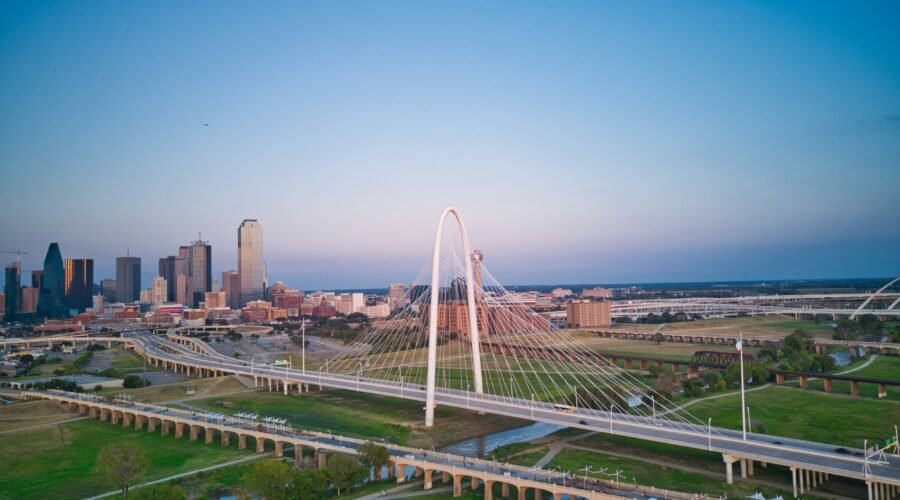
So, you’re thinking about heading to Dallas, Texas, and wondering about the sweet spot for your visit? That’s a smart question! The “best” time really boils down to what you’re hoping to get out of your trip. Are you a die-hard fan of sunshine and warm breezes, or do you prefer to dodge the biggest crowds and maybe snag a better deal on flights and hotels? We’ll break down the weather, the crowd levels, and your wallet’s feelings for each season to help you pinpoint the perfect time to experience the Big D.
Spring often hits the mark for a lot of visitors, and for good reason. The weather is generally pleasant, and the city starts to come alive after the winter chill.
March: The Transition Month
March in Dallas is kind of like a teenager – it’s still figuring things out. You can get some beautiful, warm days that feel like summer, but you should also be prepared for a few cooler, even chilly, evenings.
- Weather: Expect average highs in the low 70s (°F) and lows in the 40s. It’s a mixed bag, so layering is key. There’s a decent chance of rain, so packing an umbrella is a good idea.
- Crowds: Generally moderate. You won’t find the massive throngs of summer tourists. Spring break crowds can sometimes appear, particularly in late March, but it’s usually not overwhelming.
- Costs: Flights and accommodations tend to be reasonably priced. It’s before the major summer travel season kicks in, so you can often find good deals.
April: Blossoms and Blue Skies
April is often when Dallas truly hits its stride outdoors. The city is usually painted with blooming flowers, and the weather is just fantastic.
- Weather: Highs typically hover around the mid-70s to low 80s (°F), with lows in the 50s. The humidity hasn’t fully kicked in yet, making it really comfortable for exploring. Rain is still possible but less frequent than in March.
- Crowds: Moderate. It’s a popular time to visit, but it rarely feels packed. You can enjoy attractions without feeling rushed.
- Costs: Prices start to inch up as the weather gets better and more people travel, but it’s still a good value. Booking a bit in advance can help secure better rates.
May: Warming Up Nicely
May is a transitional month where it starts to feel distinctly more like summer, but usually without the intense heat and humidity that can come later.
- Weather: Average highs climb into the mid-80s (°F), with lows in the 60s. It’s warm enough for outdoor pools and patios, but typically still manageable for sightseeing. Humidity begins to rise.
- Crowds: Starting to pick up, especially as school gets out for some. It’s a popular time for families and spring festivals.
- Costs: More in line with peak season pricing, particularly for popular events or weekends. Consider weekday travel for potentially lower rates.
For those planning a trip to Dallas, Texas, understanding the best time to visit can greatly enhance your experience by aligning your travel plans with favorable weather, manageable crowds, and reasonable costs. To further explore travel tips and insights, you might find it helpful to read our related article on travel planning and destination guides, which can be accessed here: Travel Planning Insights. This resource offers valuable information that complements your journey to Dallas and helps you make the most of your visit.
2. Summer: Embracing the Heat (and A.C.)
Summer in Dallas is synonymous with heat and humidity. If you can handle the temperatures, there’s still plenty to do, but you’ll be relying heavily on air conditioning.
June: The Heat Arrives in Force
June marks the official start of summer, and Dallas doesn’t hold back. The temperatures climb quickly, and you’ll definitely feel the humidity.
- Weather: Highs regularly push into the upper 80s and low 90s (°F), often feeling hotter with the humidity. Lows are in the upper 60s to low 70s. Sunscreen and hydration become critical.
- Crowds: Significant. Summer vacation is in full swing, and Dallas is a popular destination for families and events. Attractions can be busy.
- Costs: Peak season pricing is in effect. Flights and hotels will be at their highest, especially around holidays and major events. Booking well in advance is crucial.
July and August: The Sweat Season
These are typically the hottest months in Dallas. If you’re not a fan of extreme heat and high humidity, this might not be your ideal time.
- Weather: Daily highs are consistently in the low to mid-90s (°F), and heat advisories are common. The humidity makes it feel even hotter, often reaching triple digits on the heat index. Evenings offer little relief.
- Crowds: While it’s hot, crowds remain strong due to summer holidays and conventions. Many people opt for indoor activities.
- Costs: Still at their peak. Discounts are rare unless you find a last-minute deal or travel during the very slowest parts of the week.
3. Fall: A Welcome Respite and Vibrant Scenery

As the oppressive heat of summer recedes, Dallas enters a beautiful fall season. The weather becomes more comfortable, and the city offers a different kind of charm.
September: Lingering Warmth
September is often a continuation of summer, but with a gradual trend towards cooler weather. You might still encounter some hot days, but they are usually less persistent.
- Weather: Highs are typically in the mid-80s (°F), gradually dropping to the upper 70s by the end of the month. Lows are in the 60s. Humidity begins to decrease.
- Crowds: Starting to taper off a bit after the summer rush, but still can be busy, especially for college football games.
- Costs: Prices begin to soften slightly as summer vacationers leave and before holiday travel ramps up. It can be a good time to find slightly better deals.
October: The Golden Month
October is arguably one of the best months to visit Dallas. The weather is fantastic, and the city is gearing up for fall festivals and holidays.
- Weather: Expect highs in the 70s (°F) and lows in the 50s. The air is crisp, the sun is pleasant, and it’s perfect for all outdoor activities. Rain is less common.
- Crowds: Moderate. It’s a popular time for visitors, but it generally doesn’t feel overwhelmingly crowded. You can enjoy the State Fair of Texas (typically late September/early October) and other events without feeling too squeezed.
- Costs: Still leans towards shoulder season pricing, offering a good balance of pleasant weather and reasonable costs. You can often find good value for flights and hotels.
November: Cooling Down and Cozy Vibes
As November progresses, Dallas takes on a cozy autumn feel. The temperatures drop, and the city starts preparing for the winter holidays.
- Weather: Highs are generally in the 60s (°F), with lows in the 40s. It’s cool enough to enjoy a warm drink and a sweater, but rarely cold enough to deter outdoor plans entirely. Thanksgiving week can bring cooler temperatures.
- Crowds: Generally lower, except for the Thanksgiving holiday period. Many people are focused on pre-holiday preparations.
- Costs: Prices often dip after the fall travel but rise sharply around Thanksgiving. Weekdays in November outside of the holiday can offer some of the best deals of the year.
4. Winter: Mild and Affordable

Dallas winters are generally mild compared to many other parts of the country. If you don’t mind cooler temperatures and occasional crisp days, winter can be a very appealing time to visit.
December: Festive and Frosty
December in Dallas is characterized by cooler temperatures and a festive atmosphere as the holiday season takes hold.
- Weather: Highs are typically in the 50s (°F), with lows in the 30s. Frosty mornings are common, and while snow is rare, a light dusting isn’t impossible. It’s chilly enough to need a jacket and scarf.
- Crowds: Moderate. The holiday season brings local crowds for events and shopping. Out-of-town visitors are present but not in the overwhelming numbers of summer.
- Costs: Prices can be high in the weeks leading up to Christmas and New Year’s. However, the period between Thanksgiving and mid-December, or the first two weeks of January, can offer significant savings.
January and February: The Quiet Months
January and February are typically the coldest and quietest months in Dallas. If you’re looking to avoid crowds and save money, this is a great window.
- Weather: Highs often hover in the 50s (°F), with lows in the 30s. It can feel quite chilly, and occasional cold snaps are possible. However, you can also experience surprisingly mild, sunny days, perfect for exploring.
- Crowds: Low. This is the off-season for tourism in Dallas. Attractions are less crowded, and you can often enjoy them at your own pace.
- Costs: This is often the best time of year to find deals on flights and hotels. Prices are at their lowest, especially if you can travel mid-week.
If you’re planning a trip to Dallas, Texas, understanding the best time to visit can greatly enhance your experience. Factors such as weather, crowds, and costs play a crucial role in determining the ideal time for your adventure. To further enrich your travel planning, you might find it helpful to read a related article that discusses essential tips for navigating the city and making the most of your stay. For more insights, check out this informative piece on travel tips for Dallas.
5. Considering Specific Events and Holidays
| Month | Weather | Crowds | Costs |
|---|---|---|---|
| January | Cool and dry | Low | Low |
| April | Mild and comfortable | Medium | Medium |
| July | Hot and humid | High | High |
| October | Mild and pleasant | Medium | Medium |
Beyond the general seasonal weather, certain events and major holidays can significantly impact your visit to Dallas. Keeping these in mind can help you plan strategically.
Major Sporting Events
Dallas is a huge sports town. Depending on the season, you might want to catch a Dallas Cowboys (NFL), Dallas Mavericks (NBA), Dallas Stars (NHL), or Texas Rangers (MLB) game.
- Impact on Crowds: Game days, especially for popular teams, can mean more people in hotels and restaurants. Stadium areas will be busier.
- Impact on Costs: Accommodation prices can spike on game weekends, particularly around major rivalries or playoff games. Flights might also see a slight increase.
- Best Time to Visit: If you’re a sports fan, plan your visit around your team’s schedule. Be aware of the cost and crowd implications.
The State Fair of Texas
This iconic event usually runs from late September into early October. It’s a massive draw for locals and tourists alike.
- Impact on Crowds: Expect large crowds, especially on weekends. The fairgrounds will be packed.
- Impact on Costs: Hotels in and around Dallas can become significantly more expensive during the fair. Booking months in advance is highly recommended.
- Best Time to Visit: If the State Fair is your primary reason for visiting, embrace the crowds and the festive atmosphere. Consider visiting on a weekday to mitigate some of the congestion.
Holidays and Major Festivals
Christmas, New Year’s, Thanksgiving, and local festivals can all affect your visit.
- Impact on Crowds: Holiday periods, especially Christmas and New Year’s, will see increased local and visitor traffic. Major local festivals can draw significant crowds to specific areas.
- Impact on Costs: Expect peak pricing around major holidays like Christmas and New Year’s. If you’re looking for deals, avoid these dates.
- Best Time to Visit: For holiday decorations and a festive feel, December is great, but be prepared for higher costs and more people. For fewer crowds and better prices, aim for the shoulder seasons.
If you’re planning a trip to Dallas, Texas, understanding the best time to visit can greatly enhance your experience. Factors such as weather, crowds, and costs play a significant role in determining when to explore this vibrant city. For more insights on travel planning, you might find it helpful to check out this related article that offers additional tips and resources for your journey.
6. Cost Considerations: Balancing Your Budget
Your budget will likely play a big role in deciding when to visit Dallas. Prices for flights and accommodations fluctuate throughout the year.
Peak Season Pricing
Summer (June-August) and major holiday periods (Christmas, New Year’s, Thanksgiving) will generally see the highest prices for flights and hotels.
- What to Expect: Double-digit percentage increases compared to off-peak times. Booking months in advance is essential to secure good rates.
- Tips for Managing Costs: If you must travel during peak season, be flexible with your travel dates (mid-week is usually cheaper) and consider booking packages that combine flights and hotels.
Shoulder Season Savings
Spring (April-May, excluding spring break) and Fall (September-October, excluding major events like the State Fair) offer a good balance.
- What to Expect: Prices are higher than in the off-season but significantly lower than peak season. This is where you can often find a sweet spot for value.
- Tips for Managing Costs: Booking a few months in advance can secure competitive rates. Look for hotel deals on weekdays.
Off-Season Deals
Winter (January-February, excluding holiday weeks) is typically the cheapest time to visit.
- What to Expect: The lowest prices on flights and accommodations. You’ll find the most competitive deals.
- Tips for Managing Costs: This is the ideal time to snag bargain flights and hotel rooms. Consider the weather and pack accordingly for cooler temperatures.
The Verdict: When is the Absolute Best Time?
If we had to pick one umbrella “best” time that balances great weather, manageable crowds, and reasonable costs, it would likely be late April to mid-May or October. These periods offer beautiful spring or fall weather that’s perfect for exploring everything Dallas has to offer, without the intense heat of summer or the potential chill of winter. Crowds are present but usually not overwhelming, and you can often find good value for your travel dollar if you plan a little ahead.
However, the “best” time is truly subjective. If you’re a summer lover who doesn’t mind the heat and wants to catch a baseball game, summer might be your ideal. If you’re on a tight budget and don’t mind bundling up, the winter months offer fantastic deals. Consider your priorities, and you’ll find your perfect moment to experience Dallas.
FAQs
1. What is the best time of year to visit Dallas, Texas?
The best time to visit Dallas, Texas is during the spring (March to May) and fall (September to November) when the weather is mild and the city hosts various outdoor events and festivals.
2. What is the weather like in Dallas throughout the year?
Dallas experiences hot summers with temperatures often exceeding 90°F (32°C) and mild winters with occasional cold snaps. Spring and fall offer the most pleasant weather with mild temperatures and lower humidity.
3. When are the peak tourist seasons in Dallas?
The peak tourist seasons in Dallas are during the summer months (June to August) and major holidays such as Thanksgiving and Christmas. During these times, the city experiences higher crowds and hotel prices.
4. Are there any cost-saving opportunities during the off-peak seasons in Dallas?
Visiting Dallas during the off-peak seasons, such as winter and early spring, can result in cost-saving opportunities as hotel prices tend to be lower and there are often discounts on attractions and activities.
5. What are some popular events and festivals in Dallas that visitors should consider when planning their trip?
Some popular events and festivals in Dallas include the State Fair of Texas in the fall, the Dallas Blooms festival at the Dallas Arboretum in the spring, and the Dallas International Film Festival in the spring. These events offer unique experiences for visitors to enjoy during their trip to Dallas.