So, you’re wondering about the best time to visit Utah? The short and sweet answer is: late spring (April-May) or early fall (September-October). These shoulder seasons generally offer the sweet spot of pleasant weather, manageable crowds, and reasonable costs across most of the state, especially for national parks. However, Utah is a big state with diverse landscapes and activities, so let’s unpack that a bit more.
Utah experiences four distinct seasons, each with its own charm and challenges. Knowing what to expect during different times of the year is key to planning your trip.
1.1 Spring (March-May)
Spring in Utah is a time of transition. March can still feel quite wintry, especially at higher elevations, but by April and May, things really start to warm up.
- Weather: Expect wildly varying temperatures. Early spring can bring snow or chilly rain, while late spring often has warm, sunny days in the 60s and 70s Fahrenheit, with cooler nights. Desert areas get hot earlier. Wildflowers begin to bloom in late April and May in many areas.
- Crowds: Generally moderate. Spring break weeks can be busy in popular national parks, but overall, it’s less crowded than summer.
- Costs: Generally moderate. Lodging and flights are typically more affordable than during peak summer or winter holidays.
1.2 Summer (June-August)
Summer is peak season for many of Utah’s outdoor attractions, especially the national parks.
- Weather: Hot! Especially in the southern desert parks like Zion and Arches, temperatures can consistently hit the 90s and even triple digits Fahrenheit. Northern Utah and higher elevations are more moderate, often in the 70s and 80s. Expect afternoon thunderstorms, particularly in July and August, which can bring flash flood risks.
- Crowds: Very high. Parks are often at capacity, requiring shuttle systems and early morning starts to beat both the heat and the crowds.
- Costs: High. Lodging, flights, and even some activity bookings see peak pricing.
1.3 Fall (September-November)
Fall is another fantastic shoulder season, especially for leaf peeping and cooler hiking.
- Weather: Often ideal. September and October bring crisp, clear days in the 60s and 70s Fahrenheit, with significantly cooler nights. Leaf peeping is spectacular in late September and early October, especially in areas like the Uintas, Alpine Loop, and less-visited parts of the national forests. By November, things start to get chilly, and higher elevations see their first significant snow.
- Crowds: Moderate, diminishing as the season progresses. Early fall (September) can still be busy in national parks but generally feels less frantic than summer.
- Costs: Moderate. Similar to spring, prices tend to be more reasonable than summer.
1.4 Winter (December-February)
Winter in Utah is synonymous with skiing and snowboarding.
- Weather: Cold and snowy, especially in the mountains. Park City, Alta, Snowbird, and Brian Head receive abundant snowfall. Southern desert parks are cool to cold, with occasional snow, but usually remain accessible.
- Crowds: High in ski resorts, low in national parks (outside of holiday weekends).
- Costs: High for ski resorts (lodging, lift tickets), low for national park areas.
If you’re planning a trip to Utah and want to make the most of your visit, you might find our article on the “Best Time to Visit Utah: Weather, Crowds, and Costs” particularly helpful. For additional insights on travel planning and tips, check out our affiliate disclosure page, which provides valuable information on how to navigate your travel choices effectively.
2. National Parks Focus: When to Explore Utah’s Mighty 5
Utah’s “Mighty 5” national parks – Zion, Bryce Canyon, Arches, Canyonlands, and Capitol Reef – are massive draws. The best time to visit largely depends on which parks you prioritize and what activities you plan to do.
2.1 Zion National Park
- Best Time: Late March to early May or late September to October.
- Weather during best times: Pleasant for hiking (60s-70s F), less extreme heat than summer. Stream crossings for The Narrows are more comfortable.
- Crowds during best times: Manageable compared to summer, but still significant. The shuttle system will be fully operational.
- Summer (June-August): Very hot (90s-100s F). Crowds are intense. Requires very early morning starts for popular hikes. Flash flood risk is highest due to monsoon season.
- Winter (December-February): Cold (30s-50s F). Less crowded. Some trails (like Angels Landing with ice) can be hazardous. The shuttle does not run the whole season; private vehicles are allowed on the scenic drive.
2.2 Bryce Canyon National Park
- Best Time: Late April to early June or September to early October.
- Weather during best times: Mild temperatures (50s-70s F), perfect for hiking among the hoodoos.
- Crowds during best times: Moderate.
- Summer (July-August): Warm (70s-80s F), but still pleasant due to higher elevation. Thunderstorms are common. Crowds are high.
- Winter (November-March): Beautiful with snow on the hoodoos. Cold (20s-40s F). Some trails and roads may close. Snowshoeing and cross-country skiing are popular. Low crowds.
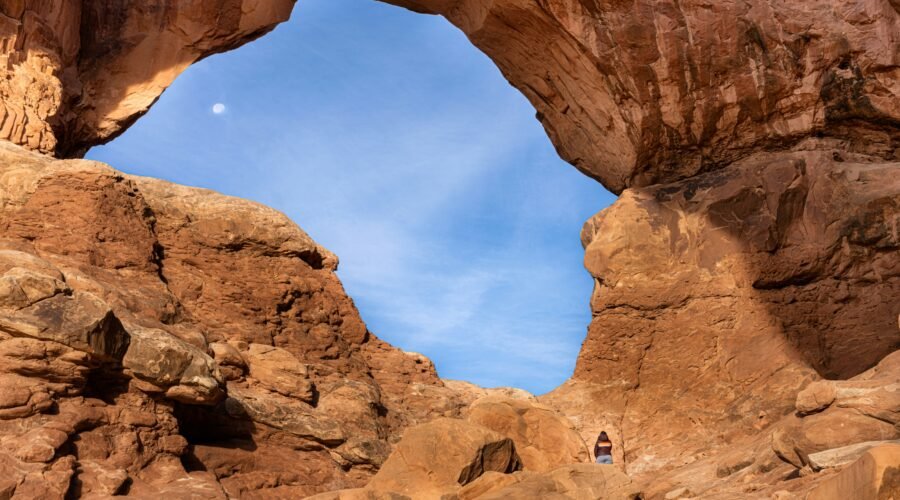
2.3 Arches & Canyonlands National Parks (Near Moab)
These two parks are close to each other and experience similar conditions.
- Best Time: Late March to early May or late September to October.
- Weather during best times: Warm days (60s-80s F), comfortable for hiking and exploring.
- Crowds during best times: High, especially during spring break and the fall Moab car/bike shows. Early morning starts are crucial for popular trails (e.g., Delicate Arch).
- Summer (June-August): Extremely hot (90s-100s F). Hiking is challenging and potentially dangerous due to heat. Very high crowds. Expect timed entry systems.
- Winter (December-February): Cold (30s-50s F). Occasional snow can make trails slippery but offers stunning scenery. Fewer crowds. Some areas may close due to snow.
2.4 Capitol Reef National Park
- Best Time: April to May or September to October.
- Weather during best times: Warm and sunny (60s-80s F). Fruit orchards are delightful in spring (blooms) and fall (harvest).
- Crowds during best times: Moderate. Generally less crowded than the more famous Mighty 5 parks, offering a more tranquil experience.
- Summer (June-August): Hot (90s F), but often more tolerable than Zion/Arches due to slightly higher elevation and fewer sheer rock faces reflecting heat. Crowds are moderate.
- Winter (December-February): Cold (30s-50s F), with occasional snow. Very quiet.
3. Beyond the National Parks: Other Popular Destinations

Utah offers much more than just its national parks. Here’s a look at some other popular spots.
3.1 Salt Lake City & Northern Utah
- Best Time: Late April to June or September to October.
- Spring/Fall: Pleasant temperatures (50s-70s F), ideal for city exploration, hiking in the nearby Wasatch Front, and enjoying cultural events without extreme heat or cold. Fall foliage is beautiful.
- Summer: Warm to hot (80s-90s F). Good for urban activities and higher-elevation hikes to escape the heat.
- Winter: Cold and snowy. Excellent for skiing and snowboarding at world-class resorts (Park City, Alta, Snowbird, Solitude, Brighton).
3.2 Lake Powell / Glen Canyon
- Best Time: May to early June or mid-September to October.
- Spring/Fall: Warm enough for water activities (70s-80s F), but not the oppressive heat of summer.
- Summer: Extremely hot (90s-100s F). Very popular for houseboating and water sports, despite the heat. Crowds are high, and costs peak.
- Winter: Cool (40s-60s F). Water activities are generally not appealing due to temperature. Very quiet.
4. Considerations for Planning Your Utah Trip

Once you’ve narrowed down the when, here are some practical tips.
4.1 Weather Preparedness
- Layering is crucial. Utah’s desert and mountain climates mean significant temperature swings between day and night, and even within a single day.
- Hydration is non-negotiable. Always carry more water than you think you’ll need, especially in the desert and during warmer months.
- Sun Protection. Even on cooler days, Utah’s high elevation means intense sunlight. Hats, sunglasses, and sunscreen are essential.
- Flash Flood Awareness. Pay attention to weather forecasts, especially in slot canyons and washes in the southern parks, particularly during monsoon season (July-September).
4.2 Managing Crowds
- Arrive Early. For national parks, getting to trailheads or shuttle stops at sunrise (or before!) can significantly improve your experience.
- Visit Lesser-Known Parks/Areas. While the Mighty 5 are incredible, consider adding destinations like Goblin Valley State Park, Kodachrome Basin State Park, or Snow Canyon State Park to your itinerary for a change of pace and fewer people.
- Book Accommodations Well in Advance. Especially in peak seasons (summer, spring break, fall foliage), lodging inside and just outside popular parks fills up months ahead.
- Timed Entry Systems. Many popular parks (Arches, Zion, sometimes even Glacier) are implementing timed entry or shuttle reservation systems. Check park websites before you go!
4.3 Cost-Saving Tips
- Travel in Shoulder Seasons. As discussed, spring and fall offer a balance of good weather and lower prices for flights and lodging.
- Stay Outside Park Gates. While convenient, park lodging is expensive and often booked out. Look for accommodations in nearby towns (e.g., Springdale for Zion, Moab for Arches/Canyonlands, Torrey for Capitol Reef).
- Cook Your Own Meals. Eating out can add up quickly. Many accommodations offer kitchenettes, or you can pack picnic lunches for your days in the parks.
- Consider a National Parks Pass. If you plan to visit multiple national parks or federal recreation areas within a year, an America the Beautiful Annual Pass ($80) pays for itself quickly.
When planning your trip to Utah, it’s essential to consider not just the best time to visit but also how to make the most of your experience. For additional insights on travel tips and recommendations, you might find this article on traveling in Utah particularly helpful. It covers various aspects that can enhance your journey, ensuring you enjoy the stunning landscapes and vibrant culture without the hassle of large crowds or unexpected costs.
5. Month-by-Month Snapshot
| Month | Weather | Crowds | Costs |
|---|---|---|---|
| January | Cold, snow | Low | Low |
| April | Mild, spring blooms | Low | Low |
| July | Hot, peak summer | High | High |
| October | Cool, fall foliage | Low | Low |
Here’s a quick cheat sheet for general expectations across Utah:
- January-February: Cold, snowy in mountains (skiing peak season), quiet in southern parks.
- March: Transition month. Can be cold/snowy or mild. Crowds pick up mid-late March (spring break).
- April: Excellent. Generally pleasant weather statewide, wildflowers starting, moderate crowds, reasonable prices.
- May: Excellent. Warm days, still manageble crowds before summer rush, blooming.
- June: Transition to summer. Getting hot in deserts, pleasant at higher elevations. Crowds increasing.
- July-August: Peak summer. Very hot in deserts, busy everywhere. High prices, potential for afternoon thunderstorms.
- September: Excellent. Cooler temps, glorious fall colors starting (late Sept). Crowds receding.
- October: Excellent. Crisp, clear days. Peak fall colors, especially early in the month. Continued moderate crowds.
- November: Cooler, increasingly cold. Less crowded everywhere. Start of ski season for some resorts.
- December: Cold. Ski season in full swing. Holiday crowds for resorts. Desert parks are quiet.
Ultimately, the “best” time for you will depend on your priorities: are you chasing snow, wildflowers, solitude, or just the best weather for specific hikes? With a little planning, Utah offers an incredible experience no matter when you decide to visit.
FAQs
1. What is the best time to visit Utah in terms of weather?
The best time to visit Utah in terms of weather is during the spring (April to June) and fall (September to October) when the temperatures are mild and the landscapes are vibrant with blooming flowers or changing foliage.
2. When is the peak tourist season in Utah?
The peak tourist season in Utah is during the summer months (July and August) when the national parks and outdoor attractions are most crowded. Additionally, winter months (December to February) also see an influx of tourists due to ski season.
3. What is the most cost-effective time to visit Utah?
The most cost-effective time to visit Utah is during the shoulder seasons of spring and fall when accommodation prices are lower, and there are often discounts on outdoor activities and tours.
4. What are the average temperatures in Utah throughout the year?
In Utah, the average temperatures vary throughout the year. Summers can see temperatures ranging from 70°F to 100°F, while winters can range from 20°F to 40°F. Spring and fall temperatures typically range from 50°F to 70°F.
5. Are there any specific events or festivals that are worth considering when planning a trip to Utah?
Utah hosts several events and festivals throughout the year, including the Sundance Film Festival in January, the Utah Arts Festival in June, and the Utah State Fair in September. These events can add cultural and entertainment value to a trip to Utah.