

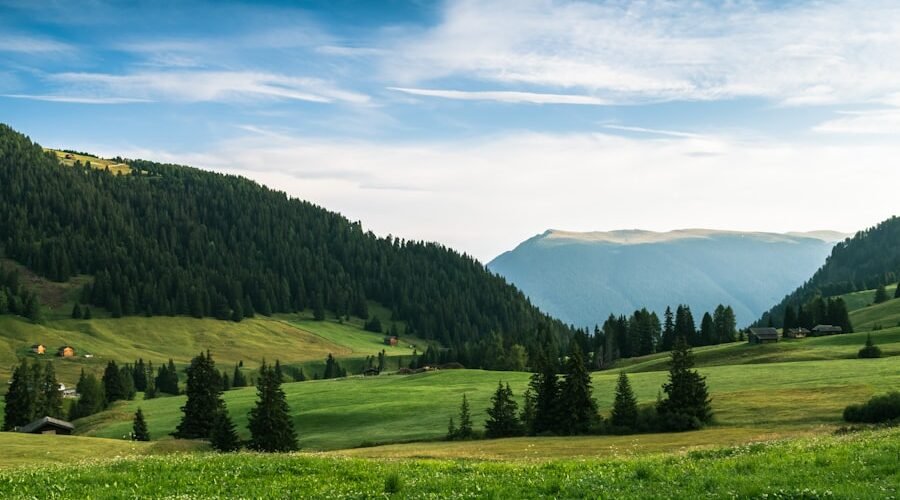
So, you’re thinking about a trip to Grand Falls-Windsor, Newfoundland and Labrador? Excellent choice! When’s the best time to go, you ask? If you’re looking for the sweet spot combining pleasant weather, manageable crowds, and decent prices, your best bet is late June to early September. This window offers the warmest temperatures and the most activities, but we’ll dive into how to navigate potential crowds and costs within that period. Let’s break down the details to help you plan your perfect visit.
1. Weather: What to Expect Season by Season
Newfoundland weather can be a bit of a character, as anyone who lives here will tell you. Grand Falls-Windsor, being inland somewhat, can experience more distinct seasonal changes than coastal towns, but “mild” is a relative term.
1.1 Summer (June to August): The Golden Window
This is prime time, and for good reason.
- Temperatures: Expect average daily highs ranging from 18°C (64°F) to 25°C (77°F). It can occasionally nudge into the high 20s, especially in August. Nights are cool and comfortable, usually dropping to 10°C (50°F) to 15°C (59°F).
- Sunshine: You’ll get the most daylight hours and the highest chance of sunny skies. This is crucial for enjoying the scenic outdoors without battling the elements.
- Rainfall: While you can still experience rain showers, they’re generally less frequent and shorter-lived than in other seasons. Packing a light waterproof jacket is always a good idea, though.
- Humidity: It’s generally not overly humid, making those warm days quite pleasant.
- Wind: While Newfoundland is known for its wind, Grand Falls-Windsor tends to be a bit more sheltered than coastal areas, but expect a breeze, especially on open trails.
1.2 Autumn (September to October): Crisp Air and Fewer People
Autumn offers a beautiful, albeit shorter, window, especially for those who prefer cooler weather and striking scenery.
- Temperatures: September can still feel like an extension of summer, with highs around 15°C (59°F) to 20°C (68°F). By October, it cools down significantly, with daily highs around 8°C (46°F) to 12°C (54°F). Nights get frosty.
- Foliage: This is the time for stunning fall colors as the leaves change. The surrounding forests turn into a vibrant tapestry of reds, oranges, and yellows.
- Rainfall: Be prepared for more frequent rain, and possibly some early flurries by late October.
- Wind: Winds tend to pick up as the season progresses.
- Activities: Many outdoor activities are still enjoyable, especially hiking and scenic drives, but some seasonal attractions might start to close down by late September or early October.
1.3 Winter (November to April): A Snowy Wonderland
If you’re into winter sports or just love a snowy landscape, winter has its own charm, though it’s not the go-to for most tourists.
- Temperatures: Brace yourself. Daily highs hover around -5°C (23°F) to 0°C (32°F), but can easily dip much lower, especially with wind chill. Nights are well below freezing.
- Snowfall: You’ll see plenty of snow, often accumulating significantly. This is great for snowmobiling, snowshoeing, and cross-country skiing, which are popular local pastimes.
- Ice: Roads and walkways can be icy, so proper winter footwear is essential.
- Daylight: Shorter daylight hours mean less time for outdoor activities.
- Closures: Many tourist attractions and some businesses operate on reduced hours or close entirely for the season.
1.4 Spring (May to Early June): The Thaw and New Beginnings
Spring is a transition period, and it can be a bit unpredictable.
- Temperatures: May sees highs around 8°C (46°F) to 15°C (59°F), while early June edges up to 12°C (54°F) to 18°C (64°F). Night temperatures can still be quite cool, even dipping below freezing in May.
- Melt: Snow is melting, which means some trails can be wet, muddy, or still have ice patches. Rivers and waterfalls are often at their most powerful due to snowmelt.
- Rainfall: Expect a fair amount of rain during this period.
- Bugs: Early spring, especially once things start warming up, brings out the infamous Newfoundland black flies and mosquitoes. Be prepared with insect repellent.
- Greenery: While nature is waking up, the full lushness of summer won’t be evident until late June.
If you’re planning a trip to Grand Falls-Windsor, Newfoundland and Labrador, you might find it helpful to read more about the various factors that influence travel decisions. A related article that provides insights into how travel products are reviewed can be found at this link. Understanding the criteria used in product reviews can enhance your travel planning experience, ensuring you make informed choices about the best time to visit, considering weather, crowds, and costs.
2. Crowds: When Grand Falls-Windsor Gets Busy (and When It Doesn’t)
Grand Falls-Windsor isn’t typically packed with tourists like some major destinations, but there are definitely peak and off-peak times that impact your experience.
2.1 Peak Season (July to August): Bustling, But Not Overwhelming
This is when you’ll see the most visitors, both local and from away.
- Local Events: This period often coincides with local festivals, community events, and things like Salmon Festival, which draws a significant crowd.
- Family Travel: Families often plan their trips during school holidays, meaning more children around attractions and parks.
- Accommodations: Hotels and B&Bs will be busier, and it’s highly recommended to book well in advance, especially if you have specific preferences.
- Attraction Wait Times: Generally, wait times are minimal, but popular spots like the Salmonid Interpretation Centre might have more people. Restaurants will be busier, especially on weekends.
- Wildlife Sightings: More people in the parks might mean wildlife is a bit more skittish, but the warmer weather increases activity levels for animals.
2.2 Shoulder Seasons (Late June & September): A Happy Medium
These periods offer a great balance of decent weather and fewer people.
- Late June: The weather is starting to be reliably warm, but significant school holidays haven’t fully kicked in yet. You get the best of both worlds.
- September: Post-Labour Day, many families are back home, leading to a noticeable drop in visitor numbers. The weather is often still pleasant, especially early in the month, and the fall foliage starts to emerge.
- Accommodation Availability: You’ll find more options and potentially better rates than in peak summer.
- Quiet Trails: Hiking trails and natural areas will feel more serene with fewer fellow adventurers.
- Local Expertise: With tourist numbers easing, local guides and business owners might have more time for personalized interactions.
2.3 Off-Peak (October to May): Solitude and Winter Charm
If you’re seeking solitude and don’t mind embracing the colder, snowier side of Newfoundland, these months are for you.
- Sparse Crowds: You’ll often have attractions almost entirely to yourself, if they’re open.
- Winter Enthusiasts: The only “crowds” you’ll likely encounter are fellow snowmobilers or ice fishing enthusiasts.
- Accommodation: Plenty of availability, often at lower prices, though some smaller establishments might close for the season.
- Limited Services: Be aware that many seasonal businesses, restaurants, and tourist information centers will be closed or have reduced hours. Plan accordingly.
- Event-Driven: Unless there’s a specific winter event happening, the town will be much quieter.
3. Costs: Stretching Your Dollar
Like anywhere, prices fluctuate with demand. Planning your visit around these fluctuations can save you a pretty penny.
3.1 Peak Season (July to August): Higher Prices
Expect to pay top dollar during these months.
- Accommodation: Hotel rates, B&Bs, and rental cottages will be at their highest. Booking well in advance is crucial, even more so if your trip coincides with the Salmon Festival.
- Flights: If flying into Gander (Gander International Airport – YQX) then driving, or Deer Lake (Deer Lake Regional Airport – YDF), summer flight prices are generally at their peak.
- Car Rentals: Similarly, car rental agencies will charge their premium rates due to high demand.
- Activities: While most outdoor activities are free, organized tours or guided excursions might be priced higher, simply due to the demand.
- Food & Drink: Restaurant prices don’t typically surge with seasons, but increased visitor numbers can mean less chance for “early bird” specials or other minor discounts.
3.2 Shoulder Seasons (Late June & September): Moderate Savings
These times offer a good compromise between decent weather and more manageable costs.
- Accommodation: You’ll likely see a slight dip in hotel rates compared to peak season, especially for September. Late June might still be close to peak as summer tourism kicks off.
- Flights & Rentals: Depending on how early or late in the shoulder season you book, you might find slightly better deals on flights and car rentals than in the heart of summer.
- Package Deals: Sometimes you can snag package deals from tour operators during these periods as they try to extend the tourist season.
3.3 Off-Peak (October to May): Budget-Friendly Travel
If saving money is your primary goal, and you’re prepared for the weather, this is your window.
- Accommodation: You’ll find the lowest rates on hotels and other lodging. Some smaller establishments might even offer special winter packages.
- Flights & Rentals: Flights can be significantly cheaper, particularly if you book well in advance. Car rentals also see a substantial drop in price.
- Activities: Many outdoor activities like snowmobiling or cross-country skiing require equipment rentals or trail passes, but these are generally reasonable for what they offer. Certain attractions might have winter admission rates or free entry days.
- Planning Ahead: While cheaper, remember that some services might be closed, so research intensely to avoid disappointment or unexpected costs if you need specific goods or services.
- Fuel: Fuel prices are relatively stable throughout the year, but with less demand on rentals, the overall cost of getting around might be lower.
4. Special Considerations and Events
Beyond the weather, crowds, and costs, there are a few other things that might sway your decision for when to visit.
4.1 Salmon Festival Weekend (July): The Big One
Grand Falls-Windsor is famous for its annual Salmon Festival, which typically takes place in mid-July.
- Massive Crowds: This is the busiest weekend of the year in terms of visitor numbers. Thousands flock to the town for the concert, community events, and general festivities.
- Booking Essential: If you plan to visit during Salmon Festival, you MUST book accommodations, flights, and car rentals many months in advance. Prices will be at their absolute highest.
- Vibrant Atmosphere: If you love a lively, celebratory atmosphere, this is a fantastic time to experience community spirit and Newfoundland hospitality at its finest.
- Beyond the Festival: Even if you’re not attending the concert, the town will be buzzing with related activities and a general festive vibe.
4.2 Newfoundland and Labrador Hunting & Fishing Seasons
For those interested in angling or hunting, specific seasons dictate when you can visit.
- Salmon Fishing: Prime salmon fishing season usually runs from June 1st to early September, but specific rivers and zones have their own regulations. The Grand Falls-Windsor region is known for its Atlantic salmon rivers.
- Big Game Hunting: Moose and caribou seasons usually span from early September to late November, depending on the zone and specific hunt. You need licenses and often guides for these activities.
- Conservation: Always check the latest provincial hunting and fishing regulations well in advance, as dates and quotas can change.
4.3 Shoulder-Season Beauty: Fall Colours
Beyond simply fewer crowds and lower costs, late September to early October offers a truly spectacular visual treat.
- Photography: The vibrant hues of the changing leaves make for incredible photography opportunities along riverside trails and scenic drives.
- Crisp Hikes: Cooler temperatures are often ideal for longer, more strenuous hikes without the summer heat or humidity.
- Unique Vibe: There’s a particular calmness to the autumn air that can be very invigorating.
If you’re planning a trip to Grand Falls-Windsor, Newfoundland and Labrador, you might find it helpful to explore the best times to visit based on factors like weather, crowds, and costs. For more insights on travel tips and destination highlights, check out this informative article on Lele Tours, which offers valuable information to enhance your travel experience.
5. Final Recommendations: Your Ideal Trip
Let’s distill all this information into some practical advice based on your priorities.
5.1 For the All-Rounder (Best Experience): Late June to Mid-July
This period gives you:
- Reliably warm and pleasant weather, perfect for outdoor excursions.
- Most attractions and businesses are fully open and operational.
- Managed crowds, before the absolute peak of late July/August, though Salmon Festival will make mid-July busy.
- Reasonable costs if booked in advance, possibly slightly less than August.
- Lush green landscapes and active wildlife.
5.2 For Budget Travellers (Without Sacrificing Too Much): September
If saving money is a priority but you still want decent weather:
- Temperatures are still comfortable for outdoor activities, especially early September.
- Significantly fewer crowds, making for a more relaxed visit.
- Lower prices on accommodations and potentially flights/rentals.
- The stunning bonus of fall foliage.
- Some seasonal activities might start to wind down by late September, so check ahead.
5.3 For Warmest Weather & Family Fun: July to Early August
If sun and warmth are paramount and school holidays dictate your schedule:
- The warmest and often sunniest days of the year.
- All attractions and events are in full swing.
- Perfect for enjoying Grand Falls-Windsor from the splash pad to the river trails.
- Be prepared for higher prices and more people, and book everything well in advance.
5.4 For Solitude and Winter Sports: January to March
If you embrace the cold and snow for specific activities:
- Experience Newfoundland’s stark, beautiful winter landscape.
- Ideal for snowmobiling, snowshoeing, cross-country skiing, and ice fishing.
- Virtually no tourist crowds.
- Significantly lower costs for travel and accommodation.
- Limited dining and cultural options; prepare for potential road closures due to heavy snowfall.
Ultimately, Grand Falls-Windsor offers something worthwhile in every season. Your ideal time to visit really hinges on what kind of experience you’re chasing. Hopefully, this breakdown helps you pinpoint the perfect timing for your adventure!
FAQs
1. What is the best time to visit Grand Falls-Windsor, Newfoundland and Labrador for favorable weather?
The best time to visit Grand Falls-Windsor for favorable weather is during the summer months of June to August, when temperatures are mild and precipitation is lower compared to other times of the year.
2. When is the peak tourist season in Grand Falls-Windsor, Newfoundland and Labrador?
The peak tourist season in Grand Falls-Windsor is during the summer months of June to August, when the weather is most favorable and outdoor activities are popular.
3. What is the off-peak season in Grand Falls-Windsor, Newfoundland and Labrador?
The off-peak season in Grand Falls-Windsor is during the winter months of December to February, when temperatures are colder and outdoor activities are limited.
4. When can visitors expect lower costs for accommodations and attractions in Grand Falls-Windsor, Newfoundland and Labrador?
Visitors can expect lower costs for accommodations and attractions during the off-peak seasons of fall (September to November) and winter (December to February), when tourist demand is lower.
5. What are the average temperatures in Grand Falls-Windsor, Newfoundland and Labrador throughout the year?
The average temperatures in Grand Falls-Windsor range from -10°C (14°F) in the winter months to 20°C (68°F) in the summer months, with variations depending on the specific month and weather patterns.
[…] If you’re planning a trip to Sardinia, Italy, you might also find it helpful to explore the best times to visit other destinations. For instance, you can read about the ideal times to experience Grand Falls-Windsor in Newfoundland and Labrador, considering factors like weather, crowds, and costs. This information can help you plan a well-rounded travel itinerary. Check out the article here: Best Time to Visit Grand Falls-Windsor, Newfoundland and Labrador: Weather, Crowds, and Costs. […]