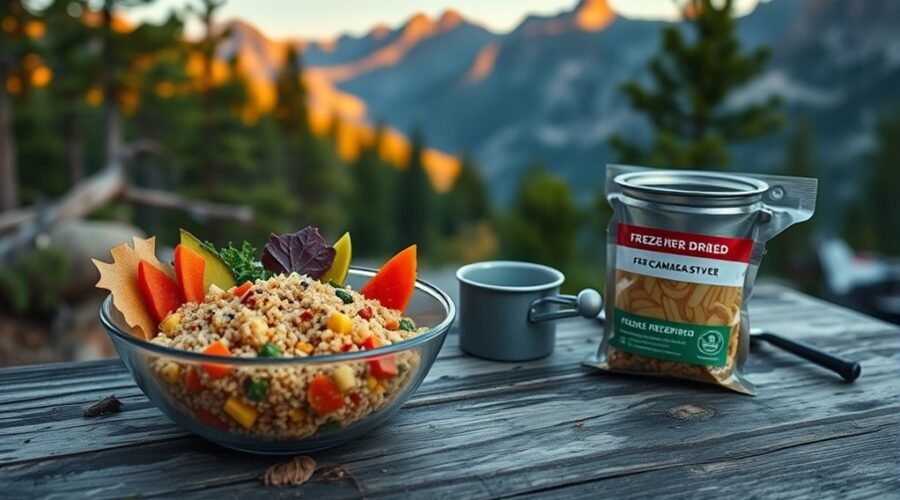
Backpacking meals in 2027 are shifting toward options that save weight without sacrificing nutrition. Two ideas stand out for backcountry trips: quinoa salad packets and dehydrated curry meals. One favors quick hydration and balanced fuel, while the other offers a warm, satisfying finish with little effort. The real question is which one holds up better when distance, water, and cleanup all start to matter.
Marconi Organic Extra Virgin Olive Oil – 0.38 Fl Oz (Pack of 100)
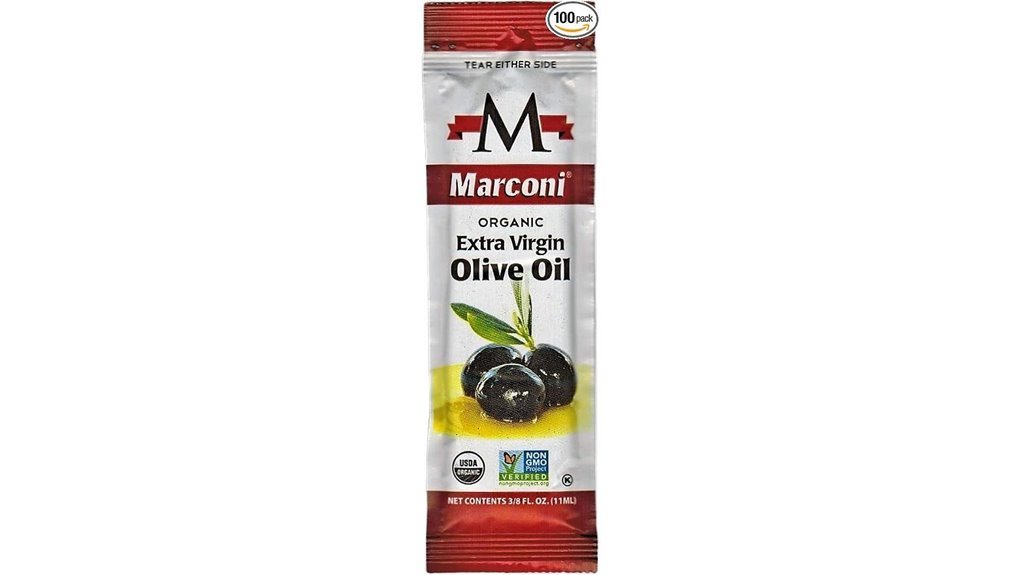
For backpackers who value compact, easy-to-pack flavor boosters, Marconi Organic Extra Virgin Olive Oil offers a practical trail-side upgrade. The pack includes 100 individual 0.38-ounce packets, making portioning simple and storage efficient. Its classic extra virgin profile suits fresh salads, hot breadsticks, and simple camp meals, while also serving as a substitute for butter or other oils in recipes. Beyond taste, it supplies heart-healthy vitamins and beneficial fatty acids. Packaging may vary, but the format remains geared toward convenience, versatility, and dependable flavor on backcountry trips.
Best For: Backpackers, campers, and anyone wanting convenient, portioned organic extra virgin olive oil for trail meals and easy packing.
Pros:
- 100 individual 0.38 oz packets make packing and portioning simple
- Versatile for salads, breadsticks, camp meals, and recipe substitution
- Offers a classic flavor along with heart-healthy vitamins and beneficial fatty acids
Cons:
- Small packet size may not be ideal for larger group cooking
- Single-use packaging creates more waste than a bottle
- Limited to a mild, straightforward olive oil profile rather than specialty flavors
NESCO FD-75A Snackmaster Pro Food Dehydrator
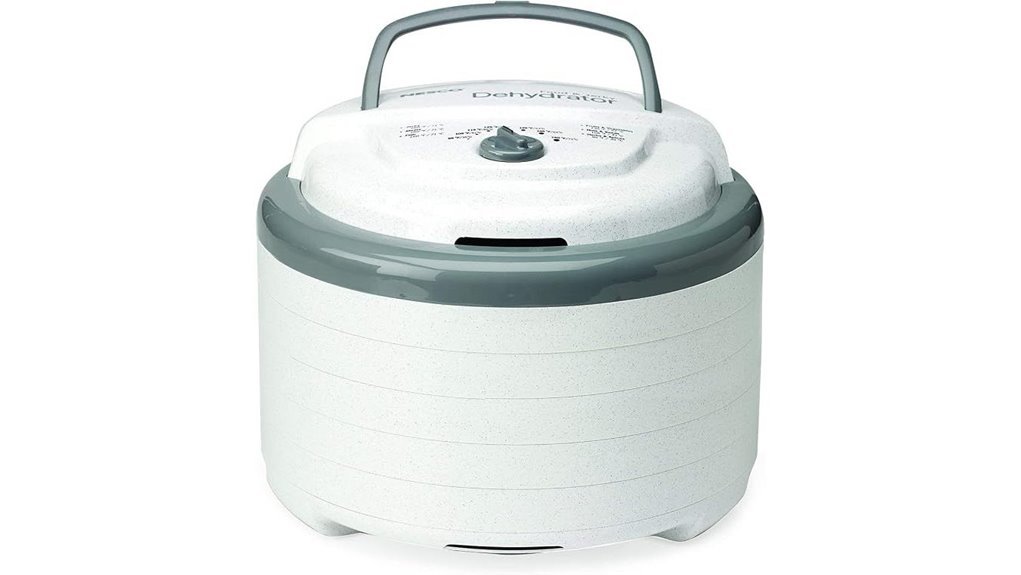
With five trays and expandable capacity, the NESCO FD-75A suits bulk-prep backpackers and gardening families alike. Its patented Converga-Flow system moves heat evenly through all trays, eliminating rotation and helping food dry quickly and uniformly. The top-mounted fan keeps drips away from the heating element, lowering spoilage risk. A 95°F to 160°F temperature range supports jerky, fruit, and herbs. Included fruit roll sheets, screens, spice packets, and a 52-page guide add practical value. Made in the USA with a one-year warranty, it weighs 3.5 kg and runs on 600 watts.
Best For: Families, gardeners, and bulk-prep users who want a reliable dehydrator for making jerky, fruit, herbs, and other dried snacks with minimal effort.
Pros:
- Patented Converga-Flow technology dries food evenly without tray rotation.
- Expandable from 5 to 12 trays for larger batches and more flexibility.
- Includes useful accessories and a 52-page recipe/instruction book.
Cons:
- Only the powerhead is imported, which may matter to buyers seeking fully domestic manufacturing.
- 5 trays included may not be enough for users needing maximum capacity right away.
- The 1-year warranty is fairly limited compared with some competitors.
Factors to Consider When Choosing Backpacking Meal Ideas 2026: Easy Food for Backcountry Trips
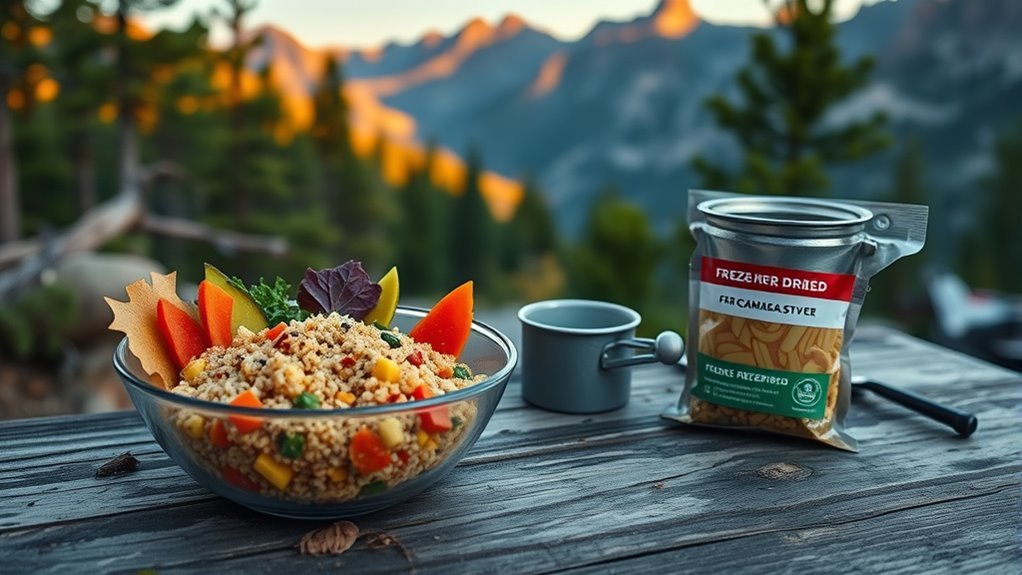
When selecting backpacking meal ideas for 2026, calorie density and pack weight remain key factors, since food must provide enough energy without adding unnecessary bulk. Prep time, shelf stability, and cooking simplicity also matter, especially for backcountry trips where storage and equipment are limited. The best choices balance efficient nutrition with easy handling and reliable performance on the trail.
Calorie Density
Calorie density is a key measure in backpacking meal planning because it shows how much energy food provides relative to its weight and volume. For backcountry trips, this matters because meals must deliver enough fuel without relying on bulky portions. High-calorie-dense options, such as nut butters, oils, and other fat-rich foods, supply more energy per ounce than many staples. Fats are especially efficient, offering 9 calories per gram, while carbohydrates and proteins each provide 4. A practical target is about 100 to 200 calories per ounce, which supports strenuous activity and helps maintain energy throughout the day. Including several calorie-dense foods can improve meal quality, raise total energy intake, and reduce the amount of food needed overall.
Pack Weight
Pack weight is a major factor in choosing backpacking meal ideas because every ounce adds strain on the trail. Meal planning should favor lightweight options that still deliver strong nutrition, with a daily target of about 1 to 2 pounds per person. Freeze-dried and dehydrated foods are practical choices because they are light and preserve much of their nutritional value. Packaging also matters: bulk ingredients may seem efficient, but extra containers can add unwanted weight, so single-serving portions are often better. High-calorie items such as nuts and energy bars offer quick fuel without much mass. Water weight should not be ignored, since meals that need little cooking or added water help reduce the total burden in the pack.
Prep Time
Prep time should remain a priority when choosing backpacking meal ideas, since meals that can be prepared in under 15 minutes help conserve energy and keep camp routines efficient. Efficient backcountry menus often rely on ingredients that are already pre-cooked, dehydrated, or portioned for rapid assembly. Meal kits with simple components can reduce effort further, especially when they need only boiling water and a brief wait. Cold or room-temperature options can be equally practical, eliminating cooking altogether when conditions or schedules call for speed. Simple recipes with fewer ingredients also streamline preparation, limit decision fatigue, and make cleanup faster. By favoring meals that move quickly from pack to plate, backpackers can spend less time managing dinner and more time resting, maneuvering, or enjoying the trail.
Shelf Stability
Shelf stability is a key factor in choosing backpacking meal ideas, since food should remain safe and usable long enough to cover the full trip. Meals with at least a six-month shelf life are generally preferable, as they are more likely to stay nutritious and dependable before departure. Dehydrated and freeze-dried foods are especially useful because they are lightweight and can last for years when stored properly. Vacuum-sealed packaging adds further protection by limiting air and moisture exposure, helping preserve quality. By contrast, high-fat items such as nut butters and oils may spoil sooner and deserve closer scrutiny. Clear expiration dates should always be checked so selected foods stay safe, palatable, and suitable for backcountry use throughout the trip.
Cooking Simplicity
Cooking simplicity matters just as much as shelf stability when selecting backpacking meal ideas, since backcountry food should be easy to carry, prepare, and clean up. Lightweight, compact ingredients reduce pack weight and make trail cooking less cumbersome. Pre-packaged meals and dehydrated foods are practical choices because they usually need little more than hot water and a waiting period. Meals that avoid refrigeration and elaborate cooking steps also suit remote campsites, where time and gear are limited. Versatile staples, such as olive oil, can add flavor and moisture to several dishes without occupying much space. Single-serving packets further streamline preparation by limiting waste and making portions easy to manage. In backcountry settings, simple food often means fewer dishes, less effort, and a smoother camp routine overall.
Nutrition Balance
Nutrition balance is a key factor in choosing backpacking meal ideas, since trail food should support energy, recovery, and endurance without adding unnecessary weight. The strongest options combine carbohydrates for quick fuel, protein for muscle repair, and healthy fats for longer-lasting stamina. Nutrient-dense items such as nuts and seeds are especially useful because they deliver vitamins, minerals, and calories in a compact form. Fiber also matters, helping maintain digestive regularity during extended hikes. Meals should be practical and lightweight, with dehydrated or minimally prepared ingredients often fitting that goal. Sodium should stay moderate, since overly salty foods can encourage dehydration. Balanced seasoning improves flavor while keeping meals efficient, satisfying, and suited to demanding backcountry travel.
Water Needs
Water needs should be weighed carefully when selecting backpacking meal ideas, since each person typically requires about 2 to 3 liters per day depending on activity level and climate. Dehydrated and freeze-dried options can help conserve carried water because they need only small amounts for preparation. Meal planning should also account for cooking needs, since many dishes require 1 to 2 cups of water per serving. Efficient water use matters on long routes, where every extra ounce increases pack weight. Drinking water should remain readily available, so meals should fit around realistic access to water sources. A purification method should always be included, since natural water may need treatment during extended backcountry travel. Choosing meals with modest water demands supports simpler logistics and lighter loads.
Cleanup Ease
Cleanup ease is another important factor when choosing backpacking meal ideas, especially after water use and cooking needs have been considered. Single-serving packaging reduces the number of dishes required and keeps mealtime simple. Dehydrated and freeze-dried meals are especially practical because they need only boiling water and typically leave little residue behind. Resealable bags also help, since snacks and ingredients can be packed out without extra containers. Meals that can be eaten directly from their packaging further cut down on utensil and dish washing. To stay organized, a designated trash bag should be carried for wrappers, leftovers, and other waste. These choices help maintain a cleaner campsite and make post-meal cleanup faster, lighter, and more efficient for backcountry travel.
Frequently Asked Questions
How Do I Prevent Backpacking Meals From Freezing Overnight?
He should store meals in an insulated stuff sack, keep them inside his sleeping bag, and use warm water before bed. Moist foods need extra protection, while freeze-dried options resist overnight freezing better.
What Spices Improve Trail Meals Without Adding Much Weight?
A pinch of smoked paprika can transform bland rice like sunset turning a gray ridge gold. Cinnamon, garlic powder, chili flakes, cumin, and curry powder stay light, compact, and reliably elevate trail meals.
How Can I Reduce Meal Prep Time Before a Long Hike?
They can reduce meal prep time by batch-cooking, pre-portioning ingredients, using dehydrated foods, and choosing no-cook meals. Labeling bags and packing a simple menu also streamlines final assembly before departure.
Which Utensils Are Best for Eating Dehydrated Backpacking Meals?
A titanium spork is often best: it slips through pouch corners and lights in the hand like a silver twig. A lightweight long-handled spoon suits deep freeze-dried bags; a compact fork helps with chunkier meals.
How Do I Pack Meals to Avoid Crushing Them in a Backpack?
He should pack meals in hard-sided containers or rigid stuff sacks, placing them near the pack’s center. Soft items can surround them as padding. Vacuum-sealed portions and labeled zip bags reduce shifting and crushing.
Conclusion
Together, quinoa salad packets and dehydrated curry meals show how backcountry dining has evolved: one is cool, light, and fast-hydrating, the other warm, dense, and deeply satisfying. Marconi Organic Extra Virgin Olive Oil and the NESCO FD-75A Snackmaster Pro Food Dehydrator further reflect the growing appeal of compact, self-reliant food systems. For 2027 hikers, the best meal choice is less about indulgence than balance—between weight and nourishment, simplicity and flavor, speed and endurance.