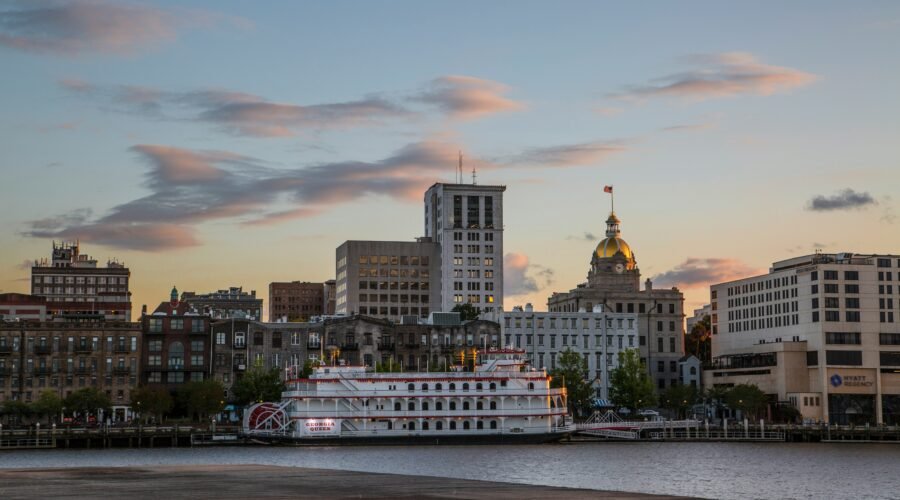
So, you’re wondering when’s the sweet spot for visiting Savannah, Georgia? It’s a great question, and honestly, there isn’t one single “best” time that fits everyone. It really boils down to what you’re looking for in a trip. Are you a heat-seeker, a festival fan, or do you prefer to dodge the biggest crowds? We’ll break down the seasons and highlight what makes each one unique so you can pick the Savannah trip that’s perfect for you.
Spring in Savannah is like the city slowly shaking off winter and putting on its prettiest outfit. The azaleas start to bloom, painting the historic squares in vibrant colors, and the air gets that perfect, comfortable warmth. It’s a fantastic time to explore without feeling like you’re melting.
Weather Wonders
- March: You’ll likely experience mild temperatures, often in the 60s and 70s Fahrenheit. While you’ll still want a light jacket for the evenings, daytime strolls are absolutely delightful. Rain is a possibility, but it’s usually not relentless.
- April: This is often considered peak spring. Expect warmer days, typically in the high 70s, and pleasant evenings that are perfect for al fresco dining. The city is in full bloom, and it’s incredibly picturesque.
- May: The humidity starts to climb as summer approaches, but for most of May, it’s still very manageable. Daytime temperatures can easily reach the low 80s, making it great for outdoor activities, but you’ll start noticing the air getting a bit thicker.
Blooms and Buzz
- Savannah Music Festival (Late March/Early April): This is a major event, drawing musicians and music lovers from all over. If you’re into blues, jazz, folk, and more, this is a major draw. It brings a lot of energy to the city, but also higher accommodation prices and bigger crowds.
- Historic Garden Week (Late April): While not exclusive to Savannah, many private gardens and historic homes in the Historic District open their doors for tours during this week, offering a unique glimpse into the city’s architectural and horticultural beauty.
If you’re planning a trip to Savannah, Georgia, understanding the best time to visit is crucial for an enjoyable experience. For insights on how to make the most of your stay, you might find the article on Lele Tours particularly helpful. It offers valuable information about local attractions, seasonal events, and tips for navigating the city, ensuring you have a memorable visit while considering the weather, crowds, and costs.
Summer: The Sultry Savannah Experience (June – August)
Summer in Savannah means embracing the heat and humidity. It’s the kind of warmth that settles deep into your bones, and you’ll quickly learn to appreciate air-conditioned spaces and the shade of the oak trees dripping with Spanish moss. If you can handle the heat, there’s still plenty to enjoy.
Humidity and Heatwaves
- June: Things heat up considerably. Expect temperatures in the mid-80s to low 90s Fahrenheit, with humidity that makes it feel even hotter. Afternoon thunderstorms are common and can be quite dramatic, offering a brief respite from the heat.
- July: This is generally the hottest and most humid month. Temperatures regularly exceed 90°F, and the humidity can be oppressive, often reaching 80-90%. Hydration is key, and you’ll want to plan your outdoor activities for early mornings or late evenings.
- August: Similar to July, August is very hot and humid. The heat lingers, and while the school holidays are winding down, the summer weather definitely sticks around. You might start to see a slight dip in tourist numbers towards the end of the month as people prepare for fall.
Cooling Down & Events
- Riverboat Cruises: A summer evening on the Savannah River is a wonderful way to experience the city with a pleasant breeze.
- Museums and Indoor Attractions: This is the time to explore the Telfair Museums, the historic house museums, or take a ghost tour (which often happens after dark when it’s cooler).
- Fourth of July: Savannah celebrates Independence Day with public events and fireworks, often along the riverfront. It’s a lively time to be in the city, with a patriotic buzz.
Fall: Savannah’s Golden Hour (September – November)

Ah, fall. If you’re looking for the sweet spot where the weather is fantastic, the crowds are manageable, and the city feels alive with a different kind of energy, this is it. The oppressive summer heat gives way to crisp air, and the colors of the leaves add another layer of beauty.
Comfortable Climates
- September: The heat of August gradually starts to recede. You’ll still find warm days, often in the high 80s, but the humidity begins to decrease, making it much more pleasant. It’s a good transition month.
- October: This is arguably the prime ticket for many visitors. Temperatures are usually in the 70s and 80s Fahrenheit, with cooler, comfortable evenings. The air is crisp, the sky is often a brilliant blue, and it’s perfect for walking and exploring all day long.
- November: As the month progresses, it gets progressively cooler, with daytime temperatures often in the 60s and dropping into the 50s in the evenings. It’s ideal for cozying up in a historic inn and enjoying the season.
Festivities and Fewer Crowds
- SCAD Savannah Film Festival (Late October/Early November): This is a huge event for film buffs, attracting filmmakers, actors, and critics. It brings a vibrant, creative energy to the city, but can also mean booking accommodations well in advance.
- Georgia Pecan Festival (November): Held in nearby Glennville, but often drawing Savannah residents, this celebrates all things pecan. If you’re a fan of this Southern staple, it’s a fun day trip.
- Pre-Holiday Charm: As the year winds down, Savannah starts to twinkle. You’ll see early holiday decorations starting to pop up in November, adding a festive touch without the full holiday rush yet.
Winter: Savannah’s Quiet Charm (December – February)

Winter in Savannah is a different kind of beautiful – quieter, more introspective, and with a unique coastal charm. While it’s not a beach destination in the traditional sense during these months, the city offers a cozy, historic experience without the throngs of tourists.
Mild Winters
- December: Expect mild temperatures, typically in the 50s and 60s Fahrenheit during the day, with evenings dipping into the 40s. It’s comfortable enough for walking around, and you might even get some days that feel like early spring.
- January: This is usually the coldest month. Daytime highs are usually in the 50s, and overnight lows can dip into the 30s. While it’s not freezing, you’ll definitely need a warm coat, hat, and gloves for evenings.
- February: Things start to warm up again, with temperatures gradually climbing back into the 50s and 60s. You might even see early signs of spring blooming towards the end of the month.
Holidays and Low Season Perks
- Christmas and Holiday Lights: Savannah truly shines during the Christmas season. The historic district is beautifully decorated, and many homes and businesses go all out with lights and displays. The Christmas Eve Bon will be held at Colonial Park Cemetery on Christmas Eve, where you can enjoy a special candlelit performance of “A Christmas Carol.”
- New Year’s Eve: Celebrations are held on River Street, with fireworks and festivities.
- Lower Accommodation Prices: Generally, winter is the off-season, meaning you can often snag better deals on hotels and other accommodations.
- Fewer Crowds: If you prefer a more relaxed pace and want to wander through the historic squares without bumping into large groups, winter is an excellent choice. You’ll have more access to popular restaurants and attractions.
If you’re planning a trip to Savannah, Georgia, understanding the best time to visit can greatly enhance your experience. Factors such as weather, crowds, and costs play a crucial role in determining when to explore this charming city. To further assist you in your travel planning, you might find it helpful to read about how we review products and services to ensure you make informed decisions during your journey. For more insights, check out this article on how we review products.
Considerations Beyond the Seasons
| Month | Weather | Crowds | Costs |
|---|---|---|---|
| January | Cool and mild | Low | Low |
| April | Warm and sunny | Medium | Medium |
| July | Hot and humid | High | High |
| October | Mild and pleasant | Medium | Medium |
Beyond the weather and the usual tourist seasons, there are a few other things to think about when planning your Savannah trip. What kind of traveler are you? What are your priorities? Thinking about these will really help narrow down the best time for your visit.
Your Travel Style
- The Budget Traveler: If you’re trying to stretch your dollars, aim for the shoulder seasons (early spring and late fall) or during the winter months (excluding the Christmas holidays). You’ll likely find better deals on flights and hotels.
- The Crowd-Averse Explorer: If you prefer to see the sights at your own pace without feeling rushed or jostled, the winter months (January-February) or the very beginning of December will likely be your best bet for fewer people.
- The Festival Fan: If you’re drawn to the buzz of local events, check the calendars for the Savannah Music Festival, the SCAD Film Festival, or any of the many smaller festivals and holiday events. Just be prepared for higher prices and more people during these times.
- The “Can’t Stand the Heat” Tourist: If high temperatures and humidity are deal-breakers for you, steer clear of July and August. Your ideal times would be spring (March-May, leaning towards March/April) and fall (September-November, leaning towards October/November).
- The Photographer: For the most picturesque scenes, consider spring for the blooming flowers and fall for the golden light and changing leaf colors. However, Savannah is photogenic year-round, so don’t let it be your only deciding factor.
Special Events and Holidays
- Major Holidays: Christmas and New Year’s are beautiful times to visit but also incredibly busy and more expensive. Thanksgiving can also see increased travel.
- Local Festivals: Beyond the big ones, Savannah has numerous smaller festivals throughout the year celebrating music, art, food, and local culture. Do a quick search for “Savannah events calendar” when you’re narrowing down your dates.
- Military Events: Occasionally, larger military events or conventions can affect hotel availability and prices, so it’s worth a quick check if you’re traveling around major naval base activity.
By considering these factors, you can move beyond just knowing the “average” weather and pinpoint the perfect time for your unique Savannah adventure, ensuring you experience the city at its best for you.
FAQs
1. What is the best time of year to visit Savannah, Georgia?
The best time to visit Savannah, Georgia is during the spring (March to May) and fall (September to November) when the weather is mild and the city is less crowded.
2. What is the weather like in Savannah, Georgia throughout the year?
Savannah experiences hot and humid summers with temperatures reaching into the 90s, mild winters with occasional frost, and moderate rainfall throughout the year.
3. When are the peak tourist seasons in Savannah, Georgia?
The peak tourist seasons in Savannah, Georgia are during the summer months (June to August) and around major holidays such as St. Patrick’s Day and Thanksgiving.
4. What are the average costs of visiting Savannah, Georgia throughout the year?
The average costs of visiting Savannah, Georgia vary throughout the year, with higher prices for accommodations and attractions during the peak tourist seasons and lower prices during the shoulder seasons.
5. Are there any annual events or festivals that visitors should consider when planning a trip to Savannah, Georgia?
Savannah hosts several annual events and festivals, including the Savannah Music Festival in spring, the Savannah Jazz Festival in fall, and the Savannah Food & Wine Festival in November, which may influence the best time to visit for some travelers.