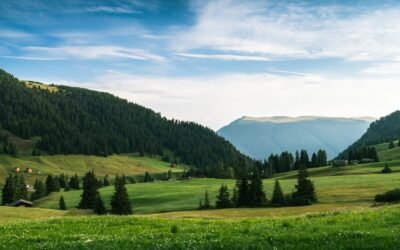
Thinking about traveling to Yüksekova in Turkey’s Hakkari province? Located in the far southeastern corner of the country, Yüksekova sits at an impressive elevation of roughly 1,950 meters (6,400 feet) surrounded by the dramatic Cilo and Sat mountain ranges. It is an extraordinary destination for travelers seeking pristine alpine landscapes, glacial lakes, rich cultural traditions, and off-the-beaten-path outdoor adventures. However, because of its extreme high-altitude continental climate, timing your visit carefully is critical to getting the experience you want.
Quick Answer
The best time to visit Yüksekova is from late May through September. July and August offer ideal conditions for high-altitude trekking in the Cilo-Sat Mountains with daily highs around 25°C–28°C (77°F–82°F). Late May and June bring peak wildflower blooms across the plateaus, while September offers crisp autumn foliage with fewer crowds.
Key Takeaways
- Best for Hiking & Trekking: July to August (all high-altitude mountain passes and plateau trails are snow-free).
- Best for Photography & Wildflowers: Late May through June (blooming mountain flora) and September to October (golden autumn landscapes).
- Best for Budget Travelers: May and September–October (shoulder seasons offer lower accommodation rates and comfortable weather).
- Winter Warning (Dec–March): Heavy snow accumulation and freezing temperatures (below -20°C/-4°F) frequently cause mountain road closures and airport flight delays.
Yüksekova Climate & Weather by Season
Yüksekova experiences a severe continental mountain climate. Its towering elevation creates sharp distinctions between hot, dry summers and bitterly cold, snowy winters. Understanding these microclimates is essential when planning your itinerary.
Summer (June – August): Peak Warmth & Mountain Access
Summers in Yüksekova are pleasantly warm and predominantly dry, making this the most popular window for exploration. Unlike lower-elevation Turkish cities that suffer sweltering summer heat, Yüksekova offers comfortable alpine conditions.
Average daily highs hover in the mid-to-upper 20s Celsius (77°F–82°F) during July and August. However, due to low humidity and high altitude, temperatures drop rapidly after sunset into single digits (5°C–10°C / 41°F–50°F). While summer is the driest season, late afternoon mountain thunderstorms can occasionally develop, bringing brief but heavy showers.
Pro Tip: Even in mid-July, always pack a thermal mid-layer and a windproof jacket. Temperatures at high-altitude yaylas (mountain plateaus) like Sat Gölleri are significantly cooler than in Yüksekova town center.
Autumn (September – November): Crisp Air & Golden Foliage
Autumn brings a dramatic visual transformation to Hakkari’s valleys. As temperatures begin to cool, the foliage across the river valleys and mountain slopes turns striking shades of amber, yellow, and deep red.
September remains warm and pleasant, with daytime temperatures averaging 20°C–24°C (68°F–75°F). By October, daytime highs drop to around 15°C (59°F), and night frosts become frequent. November brings early mountain snowfall and daytime temperatures averaging just 8°C (46°F).
Winter (December – February): Snowy Landscapes & Harsh Cold
Winter transforms Yüksekova into an extreme snowscape. The region receives heavy, persistent snowfall that coats the valley floor and buries the surrounding peaks in meters of snow.
Daytime temperatures routinely fail to rise above freezing (0°C / 32°F), while night temperatures regularly plunge to -15°C to -25°C (5°F to -13°F). Remote mountain villages and high passes often become unreachable for long stretches.
Warning: Travel during winter requires specialized cold-weather preparation. Heavy fog and snowstorms frequently lead to flight cancellations at Yüksekova Selahaddin Eyyubi Airport (YKO) and hazardous driving conditions on the mountain highway connecting Yüksekova to Van and Hakkari city center.
Spring (March – May): Snowmelt, Mud, & Spring Blooms
Spring is a turbulent transition period. March and April see significant snowmelt combined with frequent spring rains, creating muddy conditions across dirt roads and hiking paths.
By May, temperatures rise to a comfortable 15°C–20°C (59°F–68°F). The valleys burst into vibrant green, and alpine wildflowers—including rare species of inverted tulips (Ters Lale)—begin blooming across the mountainsides.
Crowd Levels & Seasonal Tourist Flow
Because Yüksekova is off the main international tourist circuit, it never experiences intense mass tourism. However, seasonal travel flows vary significantly based on local holidaymakers and trekking expeditions.
Summer Months: Peak Regional Activity
July and August represent the busiest time of year. Regional visitors, families returning to ancestral villages, and trekking groups converge on the district to enjoy cooler mountain temperatures and access the alpine plateaus.
Shoulder Seasons (May & September–October): Optimal Tranquility
May, September, and October offer a peaceful balance. You will encounter very few other visitors, allowing for tranquil sightseeing, undisturbed photography, and meaningful interactions with local communities.
Off-Season (November – April): Extreme Quiet
Aside from locals and winter photojournalists, tourist visitors are virtually non-existent in winter and early spring due to challenging weather and transport logistics.
Costs and Budget Travel in Yüksekova
Overall, Yüksekova is an affordable travel destination compared to major western Turkish tourist hubs such as Istanbul, Antalya, or Cappadocia. Travel costs shift slightly across seasons:
* Summer (Peak Season): Hotel room demand increases slightly in Yüksekova town center. Booking a few weeks in advance is recommended to secure preferred local options. Prices in local Turkish Lira (TRY) remain reasonable.
* Shoulder Seasons (May & September–October): Guesthouses and boutique hotels frequently offer lower rates, making this the best period for value-focused travelers.
* Winter (Off-Peak Season): Accommodation rates reach their lowest points, but operational services at hotels may be reduced. Transport delays can add incidental accommodation costs if flights are grounded.
Top Seasonal Activities in Yüksekova
Your choice of travel dates directly impacts the outdoor activities and cultural experiences open to you during your trip:
Summer: Trekking Cilo-Sat Mountains & Plateau Life
Summer is prime time for exploring the Hakkari Cilo ve Sat Dağları Milli Parkı (declared a National Park in 2020). Highlights include:
- Trekking to high-altitude glacial lakes, such as the Sat Lakes (Sat Gölleri).
- Visiting summer mountain pastures (yaylalar) to experience traditional semi-nomadic pastoral life and taste local herbal cheeses (Otlu Peynir).
- Hiking along the foothills of Mount Cilo (Uludoruk peak).
Autumn: Landscape Photography & Cultural Immersion
Autumn offers extraordinary opportunities for landscape photographers seeking vibrant fall colors against rugged granite peaks. It is also an ideal time to explore local historical sites and mosques without the summer dust.
Winter: Snowscape Photography & Cozy Hospitality
For adventurous winter travelers equipped with proper thermal gear, Yüksekova offers breathtaking, untouched snowcapped mountain vistas and warm regional hospitality in local teahouses.
Spring: Spotting Reverse Tulips & Waterfall Watching
May is the premier month for botany enthusiasts. The region is famous for the blooming of Ters Lale (Inverted Tulips), a rare botanical phenomenon native to southeastern Anatolia. Melting snowpacks also turn local rivers and seasonal waterfalls into roaring torrents.
Best Time to Visit by Specific Travel Goal
To help you choose the ideal travel window, the table below breaks down Yüksekova’s monthly conditions across weather, crowd density, and average travel costs.
Yüksekova Month-by-Month Overview
| Period | Weather & Conditions | Crowd Level | Cost Level |
|---|---|---|---|
| Dec – Feb | Heavy snow, freezing (-10°C to -25°C) | Very Low | Budget / Low |
| Mar – April | Snowmelt, muddy roads, rain (5°C to 12°C) | Low | Low |
| May – June | Pleasant, wildflower blooms (15°C to 22°C) | Moderate | Moderate |
| July – Aug | Warm, dry, sunny days (24°C to 28°C) | Peak | Moderate / High |
| Sept – Oct | Mild, crisp, foliage season (12°C to 20°C) | Low – Moderate | Moderate |
| November | Chilly, early snowfall (5°C to 10°C) | Low | Low |
For Hikers & Nature Lovers
Plan your journey for July through August. All high-altitude mountain passes in the Cilo Range are accessible, and conditions are ideal for camping under clear skies.
For Photographers
Visit in May for blooming mountain flora and snow-capped peaks, or in September for golden autumn forest colors and clear atmosphere.
For Budget Travelers
Target the shoulder months of May or September–October to take advantage of lower lodging prices while still benefiting from agreeable weather.
For Solitude & Cultural Immersion
Visit in early autumn (September–October). Local village harvests are underway, and regional life can be observed without peak summer crowds.
Essential Logistics & Border Region Considerations
Note: Hakkari province borders Iran and Iraq. Certain high-altitude national park zones and mountain routes require official permits or registration with local gendarmerie authorities (*Jandarma*). Always consult local guides or tourist authorities in Yüksekova before embarking on remote mountain treks.
Conclusion: Your Yüksekova Adventure Awaits
Yüksekova is a remarkable destination that deeply rewards travelers venturing beyond Turkey’s conventional tourist paths. While there is no single best month for every traveler, understanding its high-altitude seasons enables you to align your trip with your personal interests. Whether you are seeking high-altitude summer treks in the Cilo Mountains, spring wildflower blooms, or serene autumn landscapes, Yüksekova delivers an unforgettable journey into Turkey’s wild eastern frontier.
Frequently Asked Questions
What is the best time to visit Yüksekova, Hakkari in terms of weather?
The best time for optimal weather is from June to August, when daytime temperatures range between 24°C and 28°C (75°F to 82°F) with plenty of sunshine and minimal rainfall.
When is the peak tourist season in Yüksekova?
The peak tourist season occurs during July and August. This is when weather conditions are most suitable for trekking, outdoor festivals, and visiting high mountain pasture communities (yaylas).
When is the off-peak season in Yüksekova?
The off-peak season runs from December through March. During these winter months, temperatures drop well below freezing, accompanied by heavy snow accumulation.
What are the crowd levels like in Yüksekova during peak season?
Crowd levels are modest even in peak season compared to Western Turkey. However, local hotels and popular mountain trails experience higher visitor traffic in mid-summer, so booking accommodation in advance is recommended.
How does the cost of visiting Yüksekova vary throughout the year?
Accommodation rates peak slightly in July and August due to summer demand. The shoulder months (May and September–October) offer lower lodging rates alongside pleasant outdoor weather.
Sources
- Turkish State Meteorological Service (MGM) — Official climate statistics and historical weather data for Hakkari Province
- Republic of Türkiye Ministry of Culture and Tourism — Official destination guides and regional tourism information
- General Directorate of Nature Conservation and National Parks — Cilo ve Sat Dağları National Park protection guidelines and park details