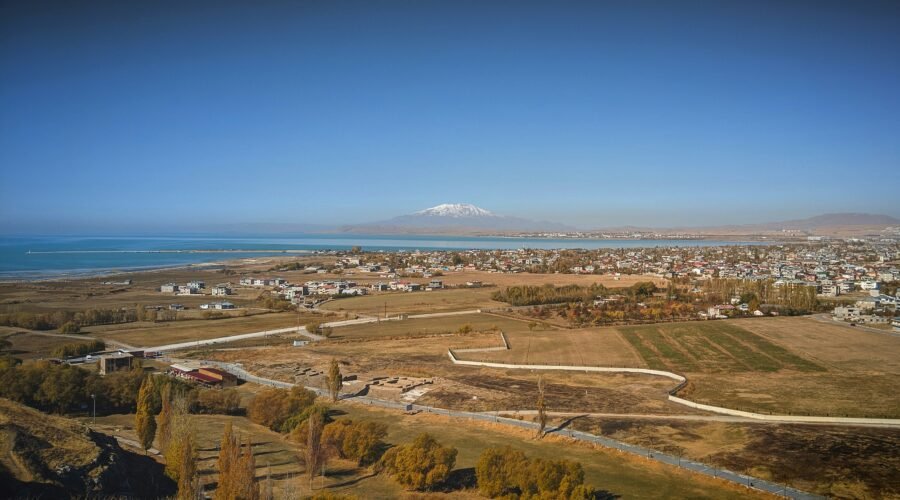
Thinking about heading to Şemdinli in the Hakkari province of eastern Türkiye and wondering when to schedule your trip? Located in a picturesque mountain valley at an elevation of roughly 1,450 meters near the Iraqi and Iranian borders, Şemdinli offers dramatic scenery, deep-rooted traditions, and distinct microclimates. The ideal window for your trip depends heavily on whether you prioritize outdoor hiking, mountain photography, or local cultural experiences.
For most travelers, the sweet spots are late spring (May to June) and early autumn (September to October). During these shoulder periods, you will enjoy comfortable daytime temperatures, blooming wildflowers or rich fall foliage, and smooth road conditions without the oppressive summer peak heat or severe winter snowstorms.
Quick Answer
The best time to visit Şemdinli, Hakkari, is during May–June and September–October. Daytime temperatures average between 15°C and 23°C, ideal for outdoor exploration. Late spring features lush, blooming valleys, while early autumn brings vibrant foliage and local harvest traditions without the travel disruptions of heavy winter snows.
Key Takeaways
- Prime Months: May–June (lush spring flora) and September–October (autumn colors and harvest) offer the mildest weather for trekking and village visits.
- Summer Peak: July and August are warm (28°C–34°C) and dry, making higher mountain passes accessible, though domestic tourism spikes accommodation demand.
- Winter Realities: Heavy snowfall from November through March leads to sub-zero temperatures and occasional road closures across Hakkari’s high mountain passes.
- Transit Hubs: Yüksekova Selahaddin Eyyubi Airport (YKO) is the closest flight gateway (~80 km), while Van Ferit Melen Airport (VAN) serves as a larger alternative (~200 km).
1. Weather in Şemdinli: Seasonal Breakdown
Weather in Şemdinli is strongly defined by its high-altitude continental topography. Surrounded by steep ridges of the Zagros mountain range, the district experiences dramatic seasonal contrasts. Understanding these patterns according to data from the Turkish State Meteorological Service helps ensure a safe and enjoyable journey.
Spring: A Gentle Awakening
Spring in Şemdinli unfolds gradually as snowlines retreat up the mountainsides, filling valley rivers and nourishing local flora.
- Early Spring (March–April): Winter lingering holds temperatures low, frequently dipping below freezing overnight. Snowmelt makes higher trails muddy, and remote mountain routes can remain blocked. Local markets fill with harvested mountain herbs like mendi, çiriş, and heliz.
- Late Spring (May–June): Conditions improve significantly. Daytime highs range comfortably between 16°C and 22°C. Alpine meadows burst with blooming wildflowers, creating exceptional photography and gentle trekking opportunities. Rain showers occur periodically, so a water-resistant jacket is recommended.
Summer: Warm Days and Clear Mountain Skies
Summer brings abundant sunshine, warm weather, and high accessibility throughout Hakkari province.
- July: The warmest month, featuring daytime highs between 28°C and 33°C. Because of the altitude, evenings cool down pleasantly. Clear skies provide excellent visibility for long-distance mountain hikes.
- August: Continues the dry, warm conditions of July. Toward the end of the month, evening breezes grow crisp, signalling the transition toward autumn.
Autumn: Rich Colors and Harvest Season
Autumn brings mild daytime temperatures, clear air, and stunning displays of changing foliage across forest groves and valley orchards.
- Early Autumn (September–October): Daytime temperatures linger around 18°C to 25°C in September before gently tapering into the mid-teens by mid-October. Mountain slopes turn brilliant shades of crimson and gold. This period coincides with the region’s famous floral honey harvest.
- Late Autumn (November): Temperatures drop quickly, averaging single digits Celsius during the day and dipping below freezing at night. Early snowfall begins topping high peaks and travel logistics become more challenging.
Winter: The Snow-Covered Landscape
Winter turns the region into a quiet, snow-covered landscape, accompanied by severe cold.
- December–February: Sub-zero temperatures are standard, routinely dropping between -5°C and -15°C overnight. Deep snow accumulation frequently impacts transportation over high passes such as the Haruna Pass. Visits during this window require proper winter preparation and flexible scheduling.
2. Navigating the Crowds: Finding Your Peace
Şemdinli remains off the beaten track for standard international tour circuits, providing an authentic atmosphere year-round. However, visitor density shifts depending on seasonal domestic travel trends.
Note: During national holidays such as Ramazan Bayramı (Eid al-Fitr) and Kurban Bayramı (Eid al-Adha), intercity transport and regional guesthouses experience increased demand from family visits and domestic travelers.
Peak Activity Windows
- Mid-Summer (July–August): Peak summer brings increased travel from regional residents and outdoor enthusiasts taking advantage of clear weather to explore high plateau pastures (yaylas).
- Festivals & Holidays: Major national holidays bring higher occupancy to local hotels and increased passenger volume on regional shared transit.
Shoulder Season Advantages
- May–June & September–October: These months balance comfortable weather with low tourist density. You can explore sites such as the historic Taş Köprü (Stone Bridge) or Kayme Palace ruins quietly and interact easily with local shopkeepers and artisans.
3. Budgeting Your Şemdinli Adventure: Cost Considerations

Travel costs in Şemdinli are generally lower than in coastal Turkish resort hubs, though timing influences accommodation rates and transit availability.
When Prices Rise
- Peak Summer & Holidays: Accommodation rates rise slightly during mid-summer and holiday periods due to smaller total room inventory in town. Advance booking is advisable.
Budget-Friendly Windows
- Shoulder Months: May, June, September, and October offer reliable lodging prices and steady transport services without peak markups.
- Off-Peak Winter: While winter prices are low, reduced business hours and higher heating or specialized transport expenses can offset potential savings.
4. Seasonal Activities: What to Do When

Planning your itinerary around seasonal conditions allows you to experience the best of Şemdinli’s natural beauty and culture.
Spring: Wildflower Photography and Cultural Discovery
- Flora and Nature: Capture blooming inverted tulips (Ters Lale), an iconic species native to the high altitudes of Hakkari.
- Historic Landmarks: Visit the historic Nehri (Bağlar) village area, home to the Kayme Palace ruins and the Ottoman-era Taş Köprü spanning the Şemdinli Stream.
Summer: Mountain Trekking and High Plateaus
- High-Altitude Trekking: Summer opens access to high mountain ridges and alpine lakes that remain icebound during spring.
- Yayla Life: Observe traditional semi-nomadic pastoral life in high-altitude summer pastures.
Autumn: Scenic Drives and Honey Tasting
- Foliage Tours: Travel through forested valleys connecting Şemdinli to Yüksekova to photograph vibrant autumn leaf displays.
- Local Produce: Taste freshly harvested organic Şemdinli honey, renowned across Türkiye for its distinctive floral profile derived from high-altitude wildflowers.
Pro Tip: When visiting local markets in late spring, try regional dishes prepared with mountain herbs, such as otlu peynir (herb-infused cheese) and fresh herb pastries.
5. Practicalities and Preparedness: What to Pack and Know
| Season Window | Weather Profile | Crowd Levels | Relative Costs |
|---|---|---|---|
| May – June | Mild (15°C–22°C), blooming landscapes | Low to Moderate | Moderate |
| July – August | Warm (28°C–34°C), dry, clear skies | Peak (Domestic) | Slightly Higher |
| Sept – Oct | Crisp (14°C–22°C), autumn colors | Low to Moderate | Moderate |
| Nov – April | Cold (-15°C–5°C), heavy snow risks | Very Low | Low |
Weather-Specific Packing Advice
- Spring & Autumn: Pack versatile layers, including moisture-wicking base layers, a mid-weight fleece, and a waterproof shell. Sturdy waterproof hiking boots are recommended for damp ground.
- Summer: Light, breathable clothing is best for daytime, accompanied by broad-spectrum sunscreen, sunglasses, and a wide-brimmed hat. Keep a light jacket for cooler mountain evenings.
- Winter: High-grade thermal underwear, an insulated winter coat, wool socks, waterproof snow boots, gloves, and a beanie are essential.
Transportation and Accessibility
- Airports: The nearest airport is Yüksekova Selahaddin Eyyubi Airport (YKO), located approximately 80 km northwest of Şemdinli (~1.5 hours by road). Alternatively, Van Ferit Melen Airport (VAN) offers more daily flight connections and is located about 200 km away (~4 hours drive).
- Ground Transit: Regular minibus services (dolmuş) connect Şemdinli with Yüksekova and Hakkari city center. Hiring a local vehicle with an experienced driver is best for visiting outlying villages.
6. Unique Considerations for Şemdinli
Warning: Always carry official identification (passport or Turkish ID card) at all times. Security checkpoints operate along major transit corridors in Hakkari province, and routine checks are standard practice for all travelers.
Peace and Security Preparedness
Conditions in Hakkari province have stabilized considerably, allowing visitors to explore its natural and historic sites safely. However, standard travel precautions apply:
- Official Advisories: Check current government travel guidance from your country’s foreign ministry before setting out.
- Local Knowledge: Consult your local accommodation hosts or official regional guides from the Governorship of Hakkari regarding weather conditions and route accessibility before traveling into remote mountain valleys.
Cultural Etiquette and Communication
- Dress Code: Modest, respectful attire is appreciated when visiting local villages and traditional communities.
- Language: Turkish and Kurdish are the primary languages spoken locally. Learning a few basic greeting phrases in Turkish or Kurdish goes a long way toward building warm rapport.
- Connectivity: Mobile phone reception is reliable in Şemdinli town center and along main highways, but signal strength may drop in deep valleys or high passes.
Ultimately, selecting the best time to visit Şemdinli depends on your personal balance of weather preference, travel flexibility, and interest in local seasonal activities. Planning around the shoulder months of late spring or early autumn guarantees a rewarding visit to this dramatic corner of eastern Türkiye.
Frequently Asked Questions
What is the best time to visit Şemdinli, Hakkari in terms of weather?
The best weather occurs during late spring (May to June) and early autumn (September to October). During these months, daytime temperatures range from 15°C to 23°C, offering pleasant conditions for hiking, photography, and exploring historic sites without intense heat or heavy winter snows.
When is the peak tourist season in Şemdinli, Hakkari?
Peak domestic travel occurs during the summer months of July and August, as well as during major national and religious holidays. Clear skies and warm weather make high mountain pastures and valleys fully accessible during this period.
When is the off-peak season in Şemdinli, Hakkari?
The off-peak season spans the winter months from November through March. Cold temperatures, freezing overnight conditions, and heavy mountain snowfall lead to lower visitor numbers and potential pass closures.
What are the travel costs like during the peak season in Şemdinli?
During peak summer months and national holidays, lodging prices in town increase slightly due to limited room capacity. Booking accommodation and regional transit in advance is recommended to secure good rates.
When is the best time to visit Şemdinli to avoid crowds and save on costs?
Visiting during the shoulder months of May–June or September–October allows you to avoid peak summer domestic crowds while benefiting from comfortable outdoor weather, stable lodging rates, and open roads.
Sources
- Turkish State Meteorological Service (MGM) — Official regional climate and temperature observations for Hakkari province.
- Republic of Türkiye Ministry of Culture and Tourism — Official travel guidelines and cultural heritage documentation for eastern Anatolia.
- Governorship of Hakkari (Hakkâri Valiliği) — Local civil administration notices and local infrastructure updates.
- General Directorate of State Airports Authority (DHMİ) — Operational airport data for Yüksekova Selahaddin Eyyubi Airport and Van Ferit Melen Airport.