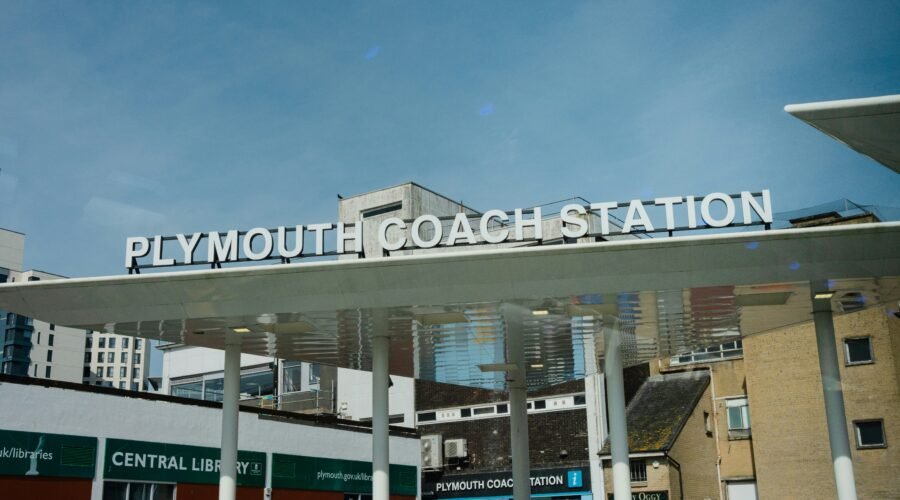
If you’re deciding when to visit Plymouth, the best month depends on what matters most to you: warmer weather, smaller crowds, lower accommodation demand, or a busy waterfront atmosphere. Plymouth’s maritime climate keeps temperatures fairly mild throughout the year, but rainfall, daylight, school holidays, major events, and seasonal attraction opening times can make one month much better than another.
Quick Answer
For the best balance of comfortable weather and manageable crowds, consider May or September. July and August are best for the warmest conditions and major events, but they are also busier. January, February, and November are usually quieter, although shorter days, wetter weather, and seasonal closures can limit outdoor plans.
Key Takeaways
- Best overall balance: May and September combine mild weather with less visitor pressure than the main summer holiday period.
- Warmest weather: July and August have average daily highs of about 20°C (68°F), according to Met Office 1991–2020 data.
- Quietest feel: November through February generally offers a calmer visit outside the Christmas and New Year period.
- Prepare for rain year-round: Plymouth has a maritime climate, so a waterproof layer is useful in every season.
- Check your exact dates: School holidays, major waterfront events, and seasonal attraction openings can change crowd levels and prices.
Spring in Plymouth: March to May
Spring is one of Plymouth’s most useful shoulder seasons. Days lengthen, gardens and waterfront spaces become more inviting, and the main summer rush has not yet arrived. May is especially attractive if you want reasonable daylight and relatively mild conditions without committing to a peak-season visit.
Weather in Spring
The figures below use Met Office 1991–2020 averages for Plymouth, Mountbatten. They are climate averages, not a forecast for your exact travel dates.
- March: Average daily high about 10.9°C (52°F) and low about 4.9°C (41°F). Expect cool mornings, mixed skies, and enough rain risk to justify a waterproof jacket.
- April: Average high about 13.2°C (56°F) and low about 6.3°C (43°F). Longer daylight and increasing sunshine make walking around Plymouth Hoe and the Barbican more comfortable.
- May: Average high about 16.0°C (61°F) and low about 8.8°C (48°F). Met Office normals also make May one of Plymouth’s drier months, although showers are still possible.
Crowds in Spring
- March and April: Visitor pressure is generally lighter than in the main summer period. This can make the Barbican, Plymouth Hoe, Mayflower Steps, and indoor attractions easier to explore at an unhurried pace.
- May: Demand starts to build as the weather improves. Bank-holiday weekends and the late-May school half-term can feel noticeably busier than an ordinary weekday.
Costs in Spring
- Accommodation: Room rates are often easier to manage than during high-demand summer weekends, but prices still vary by property, event calendar, weekday, and how early you book.
- Activities: Attraction admission is normally based on the venue rather than the season. Some places offer cheaper advance tickets, so compare official booking pages before arriving.
- Transport: Rail fares are dynamic rather than tied neatly to a season. Booking eligible services in advance can be more important than simply choosing April instead of July.
If you’re planning a spring trip to Plymouth, compare your dates with bank holidays, school breaks, and the city’s official event calendar. A quiet midweek stay can feel very different from a sunny holiday weekend even within the same month.
Pro Tip: If your dates are flexible, compare a Sunday-to-Thursday stay with a Friday-to-Sunday stay. Accommodation demand can change sharply around weekends and waterfront events even when the weather is identical.
Summer in Plymouth: June to August
Summer provides Plymouth’s longest days, mildest average temperatures, and busiest outdoor calendar. It is the natural choice for waterfront walks, boat trips, outdoor events, and time around Plymouth Hoe, but the trade-off is stronger accommodation demand and more visitors around popular areas.
Weather in Summer
- June: Average daily high about 18.4°C (65°F) and low about 11.4°C (52°F). Long daylight makes June particularly useful for sightseeing.
- July: Average high about 20.2°C (68°F) and low about 13.2°C (56°F). It is one of the warmest months, but rain remains possible.
- August: Average high about 20.3°C (69°F) and low about 13.4°C (56°F). On the 1991–2020 Met Office averages, August is fractionally warmer than July by average maximum temperature.
Plymouth’s summers are generally mild rather than extremely hot: average daily maximum temperatures are about 18.4°C in June and just over 20°C in July and August.
Crowds in Summer
- June: You get summer daylight without the whole month falling inside the main school summer break, making June a useful compromise for travellers with flexible dates.
- Late July and August: This is the period most likely to combine family holidays, good weather, outdoor attractions, and major waterfront events.
- Events: Plymouth’s summer calendar can create concentrated crowd spikes. The city’s major events include the British Firework Championships and West End Carnival, with dates varying by year.
Note: UK school holiday dates vary by local authority and school. Use the GOV.UK school holiday checker rather than assuming all of June, July, and August are school holidays.
Costs in Summer
- Accommodation: Expect stronger demand during summer weekends, school holidays, and major events. Booking earlier gives you a wider choice of rooms and locations.
- Transport: Rail and coach prices depend on route, ticket type, departure time, and booking date. Do not assume every summer journey will automatically cost more.
- Food and attractions: Standard admission and menu prices do not necessarily change just because it is summer, although availability for popular times can become tighter.
Autumn in Plymouth: September to November

September is one of Plymouth’s strongest all-round months. The main school summer holiday period has ended, yet average daytime temperatures remain mild. Conditions become cooler and wetter through October and November, making indoor attractions increasingly useful as autumn progresses.
Weather in Autumn
- September: Average daily high about 18.5°C (65°F) and low about 11.7°C (53°F). It often retains a mild late-summer feel.
- October: Average high about 15.1°C (59°F) and low about 9.5°C (49°F). Rainfall increases compared with late spring and early summer, so waterproof clothing becomes more important.
- November: Average high about 11.9°C (53°F) and low about 6.7°C (44°F). Daylight is shorter, and indoor museums, galleries, cafés, and historic venues become more useful for flexible itineraries.
Crowds in Autumn
- September: A strong shoulder-season choice. The main summer school break is over, although major events can still make particular waterfront weekends busy.
- October: Visitor pressure generally softens outside the school half-term period.
- November: The city normally has a quieter visitor feel than summer, although events and the start of festive activity can affect individual weekends.
Costs in Autumn
- Accommodation: After the main summer period, you may find a wider range of lower-demand dates. September event weekends can still command stronger prices.
- Packages and promotions: Offers vary by hotel and attraction, so treat seasonal discounts as a possibility rather than a guarantee.
- Transport: Flexibility with departure time and advance booking can matter more than the month itself. Official Plymouth travel guidance recommends checking routes and booking rail journeys ahead when possible.
Winter in Plymouth: December to February

Winter suits travellers who value a quieter city break more than long outdoor days. Plymouth’s maritime setting keeps average temperatures relatively moderate compared with many inland locations, but wind, rain, limited daylight, and seasonal attraction schedules can affect what you can comfortably fit into a day.
Weather in Winter
- December: Average daily high about 9.7°C (49°F) and low about 4.8°C (41°F). December is among the wetter months in the Met Office climate record for Plymouth.
- January: Average high about 9.0°C (48°F) and low about 4.2°C (40°F). Cool, damp and windy periods are possible.
- February: Average high about 9.2°C (49°F) and low about 3.9°C (39°F). Days begin lengthening, but February remains firmly a winter month.
Crowds in Winter
- December: Festive shopping, markets, performances, and Christmas events can create pockets of activity even though this is outside the main summer tourism period.
- Christmas and New Year: Holiday dates can create short bursts of demand for accommodation and restaurants.
- January and February: These months generally provide one of the calmest visitor experiences, especially on ordinary weekdays.
Costs in Winter
- Accommodation: Lower-demand winter dates can offer attractive rates, but Christmas, New Year, Valentine’s weekends, conferences, and special events can interrupt that pattern.
- Activities: Do not assume every attraction will have the same winter opening schedule as it does in summer.
- Planning flexibility: Keep at least one indoor activity available in case wet or windy weather changes your original plan.
If you’re planning a winter or shoulder-season trip to Plymouth, check current attraction opening hours and transport before booking. Some outdoor heritage attractions operate seasonally, and several local ferry services also have seasonal timetables.
Events and Seasonal Opening Times
Plymouth’s event calendar can change the best weekend to visit. The official Visit Plymouth major-events calendar includes events such as Pirates Weekend, Armed Forces Day, the British Firework Championships, West End Carnival, and Seafest Plymouth. Large waterfront events can make the city more exciting, but they can also increase demand for central accommodation, parking, restaurants, and transport.
Seasonal opening hours matter too. For example, Smeaton’s Tower publishes specific seasonal opening dates, while some ferry services run mainly between spring and autumn. Check official pages shortly before your trip rather than relying on an old itinerary.
Best Months at a Glance
| Month | Avg. High / Low | Typical Visitor Pressure | Best For |
|---|---|---|---|
| January | 9.0 / 4.2°C | Low | Quiet city breaks, indoor attractions |
| February | 9.2 / 3.9°C | Low to moderate | Budget-conscious trips, fewer visitors |
| March | 10.9 / 4.9°C | Low to moderate | Early-spring sightseeing |
| April | 13.2 / 6.3°C | Moderate | Walking, history, spring scenery |
| May | 16.0 / 8.8°C | Moderate | Best overall spring balance |
| June | 18.4 / 11.4°C | Moderate to high | Long days, outdoor sightseeing |
| July | 20.2 / 13.2°C | High | Warm weather, outdoor activities |
| August | 20.3 / 13.4°C | High | Events, families, waterfront atmosphere |
| September | 18.5 / 11.7°C | Moderate | Best overall autumn balance |
| October | 15.1 / 9.5°C | Low to moderate | History, photography, quieter streets |
| November | 11.9 / 6.7°C | Low | Quiet trips, indoor attractions |
| December | 9.7 / 4.8°C | Low to moderate | Festive atmosphere, museums and dining |
When you’re planning a trip to Plymouth, think about what you most want to experience. Weather is only one part of the decision; events, attraction opening dates, school breaks, daylight, and how much time you want to spend outdoors can be just as important.
For History Lovers
- Best Bet: April to May or September to October.
- Why: These months give you reasonable daylight for the Mayflower Steps, Plymouth Hoe, the Barbican, the Royal Citadel area, and other heritage sites without relying on peak summer dates.
- Consider: Some historic attractions have seasonal schedules. Check the official opening page before building your day around one particular site.
For Families with School-Aged Children
- Best Bet: The main summer holiday, late-May half-term, or October half-term if those periods match your family’s school calendar.
- Why: Summer offers long days, outdoor events, coastal activities, and the widest choice of family-oriented seasonal experiences.
- Consider: School holiday dates vary, and high-demand weekends can mean busier attractions and fewer central accommodation choices.
For Budget Travellers
- Best Bet: January, February, or November, with flexibility around individual event and holiday weekends.
- Why: These are outside the main summer leisure period and can provide lower-demand dates for accommodation.
- Consider: A winter trip is not automatically cheaper. Compare live hotel and transport prices because conferences, Christmas, New Year, and other events can alter rates.
For Photography Enthusiasts
- Best Bet: April to May or September to October.
- Why: Sunrise and sunset occur at more convenient hours than around midsummer, and lower-angle seasonal light can work well around Plymouth Hoe, Sutton Harbour, the Barbican, and the waterfront.
- Consider: Winter can produce dramatic skies and quieter compositions, but shorter daylight reduces the number of locations you can photograph comfortably in one day.
For Coastal Activities and Boat Trips
- Best Bet: June to September.
- Why: These months provide the mildest average temperatures and longer daylight for waterfront walks, ferries, coastal sightseeing, and time around Plymouth Sound.
- Consider: Some local ferry routes operate seasonally. Check the official Plymouth transport information for current ferry and public-transport details.
Making Your Decision: A Quick Summary
Ultimately, the best time to visit Plymouth depends on your priorities.
- For the warmest average weather and lively atmosphere: Choose July or August. Expect stronger visitor demand and check the major-event calendar.
- For the best overall balance: Consider May or September. Both provide relatively mild conditions without putting you in the heart of the main summer holiday period.
- For mild weather with fewer visitors: April, May, September, and early October are useful shoulder-season choices.
- For a quieter, potentially lower-demand trip: Look at January, February, or November, while accepting shorter daylight and a greater chance of wet or windy conditions.
No matter when you visit, Plymouth’s waterfront, maritime history, museums, food scene, and coastal setting give you options in every season. Use climate averages to choose the right part of the year, then check the actual forecast, event calendar, accommodation prices, transport, and attraction opening hours for your exact dates.
Frequently Asked Questions
What is the best time to visit Plymouth for good weather?
July and August have the highest average daytime temperatures, at about 20°C (68°F). If you want comfortable weather without relying on the busiest summer period, May, June, and September are strong alternatives.
When is the best time to visit Plymouth to avoid crowds?
Try March to May or September to November outside bank holidays, school half-terms, and major event weekends. January and February are also generally quiet if you are comfortable with shorter days and winter weather.
What is the most cost-effective time to visit Plymouth?
January, February, and November can provide lower-demand accommodation dates, but there is no guaranteed cheapest month. Hotel rates and transport fares change with events, weekends, booking lead time, and availability, so compare live prices for your exact dates.
What are the busiest times to visit Plymouth?
Late July and August are among the busiest periods because warmer weather, the main school summer break, and major events can overlap. Individual festival weekends may be much busier than surrounding dates.
What are the main events and festivals in Plymouth?
Major Plymouth, Devon events include Pirates Weekend, Armed Forces Day, the British Firework Championships, West End Carnival, and Seafest Plymouth, plus seasonal Christmas activities. Dates and programmes change from year to year, so check Visit Plymouth’s official event calendar before booking.
Does it rain a lot in Plymouth?
Rain is possible in every month. Met Office 1991–2020 averages show wetter conditions in late autumn and winter than in late spring and early summer. Pack a light waterproof layer even when travelling in July or August.
Are all Plymouth attractions open throughout winter?
No. Some museums and indoor venues operate through much of the year, but certain historic attractions, outdoor sites, and ferry services have seasonal or reduced schedules. Always check the official attraction or transport page for your exact travel date.
Sources
- Met Office — Plymouth, Mountbatten climate averages — 1991–2020 monthly temperature, rainfall, sunshine, and frost normals.
- Visit Plymouth — Visitor FAQs — official seasonal guidance, major attractions, and annual events.
- Visit Plymouth — Major Events — official information on Plymouth’s principal festivals and waterfront events.
- Visit Plymouth — Getting Around — local transport and seasonal ferry information.
- The Box Plymouth — Smeaton’s Tower — seasonal opening and visitor information for a major Plymouth landmark.
- GOV.UK — School term and holiday dates — official guidance confirming that school holiday dates vary by local authority and school.