

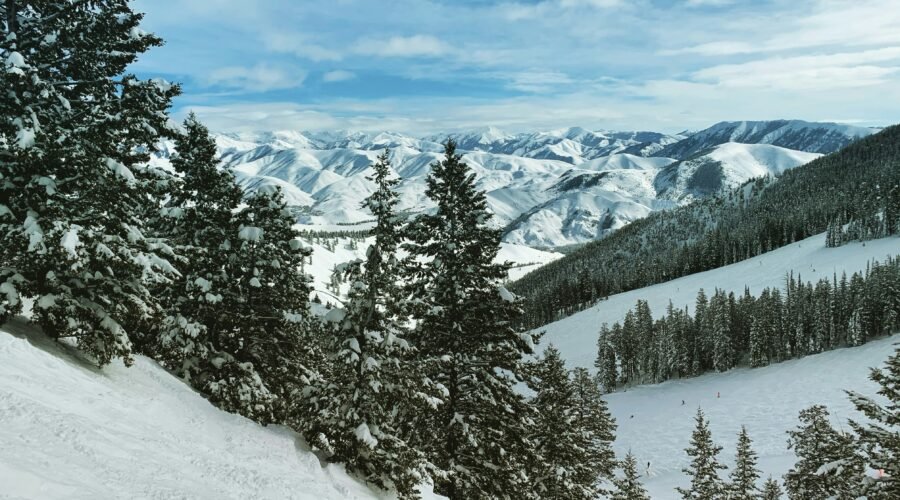
Sun Valley, Idaho, nestled in the Northern Rockies within the Sawtooth National Forest, offers a premier high-desert mountain getaway. Whether you are seeking world-class winter alpine skiing, summer mountain biking, or autumnal leaf-peeping, timing your visit is essential. This comprehensive guide details seasonal weather patterns, crowd fluctuations, transportation logistics, packing requirements, and realistic travel budgets to help you plan an extraordinary trip to Sun Valley.
Quick Answer
The best time to visit Sun Valley depends on your activity preference. For skiing and snowsports, visit from mid-December through March. For warm-weather hiking, mountain biking, and outdoor concerts, late June through August offers ideal daytime temperatures in the mid-80s°F with low humidity. For lower rates and autumn foliage, visit during the shoulder months of September and October.
Key Takeaways
- Peak Seasons: Winter (December–March) and mid-summer (July–August) see the highest lodge rates and largest crowds.
- Budget & Solitude: Spring (April–May) and late Fall (October–November) offer significant lodging discounts, though some seasonal businesses temporarily close.
- Local Transit: The free Mountain Rides bus system connects Ketchum, Sun Valley Resort, Hailey, and Bellevue without requiring a rental vehicle.
- High Altitude: The valley floor sits at ~5,920 feet, while Bald Mountain’s peak reaches 9,150 feet; proper hydration and sun protection are required year-round.
1. When to Go: Sun Valley by the Seasons
Sun Valley experiences four distinct mountain seasons, each offering unique outdoor recreation. Choosing the best time to visit depends on your preferred activities, budget, and tolerance for crowds.
Spring: The Thaw and Trail Transition (March–May)
- Conditions & Weather: Spring in the Wood River Valley brings changing weather. March and early April retain skiable snow on Bald Mountain, with daytime highs in the 40s°F. By May, valley temperatures warm into the mid-60s°F, melting mountain snowpacks and swelling the Big Wood River.
- Activities: Enjoy late-season “spring skiing” in t-shirts on Baldy, transitioning into early-season fly fishing and valley-floor cycling along paved multi-use paths as trails dry out.
- Crowds & Pricing: Following the official ski mountain closing in mid-April, tourism drops significantly. Accommodation rates reach annual lows, providing exceptional value for budget-conscious travelers.
Note: Late April through May is locally referred to as “slack key season.” Several local restaurants and boutique shops close for brief annual staff vacations during these weeks.
Summer: Sunshine, Trails, and Cultural Events (June–August)
- Conditions & Weather: Summer delivers sunny, low-humidity days with average daytime temperatures ranging from 75°F to 85°F. Nighttime temperatures drop into the mid-40s°F due to the high elevation. Rainfall is rare, though brief afternoon dry thunderstorms occasionally occur. According to official climate records from the National Weather Service, July is historically the sunniest month of the year in Blaine County.
- Activities: Prime season for hiking and mountain biking in the Sawtooth National Forest, fly fishing on the Big Wood River and Silver Creek Preserve, golfing at Sun Valley Resort, and attending outdoor classical concerts at the Sun Valley Pavilion.
- Crowds & Pricing: July and August represent peak summer tourism. Expect busier trailheads and premium lodging rates, particularly during holiday weekends such as the Fourth of July. Advanced bookings are strongly recommended.
Pro Tip: Attend the Sun Valley Music Festival during July and August. It is the largest free admission orchestral music festival in the United States, held at the outdoor Sun Valley Pavilion.
Fall: Golden Aspens and Crisp Mountain Air (September–November)
- Conditions & Weather: September offers crisp autumn mornings and daytime highs in the upper 60s°F to low 70s°F. October brings striking golden aspen foliage as daytime temperatures drop to the 50s°F, with overnight freezing temperatures. November introduces early winter snowfalls at higher elevations.
- Activities: Excellent fall foliage hiking along Adams Gulch and Chocolate Gulch, scenic drives over Galena Pass toward Redfish Lake, mountain biking, and attending regional heritage events.
- Crowds & Pricing: Tourism tapers rapidly after Labor Day. September and October offer an ideal balance of pleasant weather, golden scenery, moderate lodging prices, and quiet hiking trails.
Winter: Alpine Skiing and Snowsports (December–February)
- Conditions & Weather: Winter transforms the region into a snowy paradise. Daytime highs typically range between 20°F and 35°F, with night temperatures frequently dropping into the single digits or below zero. Snow cover is consistent on the mountains, supported by extensive snowmaking infrastructure at Sun Valley Resort.
- Activities: Alpine skiing and snowboarding on Bald Mountain (3,400 vertical feet) and Dollar Mountain (beginner terrain and terrain parks), Nordic skiing along 200+ kilometers of groomed trails, snowshoeing, outdoor ice skating at the Sun Valley Lodge rink, and horse-drawn sleigh rides.
- Crowds & Pricing: Peak winter crowds arrive during the Christmas and New Year holiday period, Martin Luther King Jr. weekend, and February. Premium holiday rates apply for accommodations and ski passes.
2. Weather Specifics: What to Pack for Each Season
Pack according to high-altitude mountain climate requirements. Temperature swings between day and night often exceed 30°F to 40°F in a single day.
Warning: The valley floor sits at ~5,920 feet above sea level, and high-altitude ultraviolet radiation is intense year-round. Always pack high-SPF sunscreen, UV-blocking sunglasses, lip balm with SPF, and an insulated water bottle to maintain hydration.
Spring Packing List
- Layering Pieces: Thermal base layers, fleece mid-layers, and a waterproof shell jacket.
- Footwear: Waterproof hiking boots for muddy trail conditions and casual walking shoes for town.
- Accessories: Warm knit hat, light gloves, and high-SPF sun protection.
Summer Packing List
- Daywear: Lightweight, moisture-wicking shirts, shorts, breathable hiking pants, and swimwear.
- Outerwear: Synthetic mid-layer jacket or light fleece for cool evenings.
- Footwear: Sturdy trail runners or hiking boots, plus comfortable walking shoes.
- Gear: Wide-brimmed sun hat, polarized sunglasses, insect repellent, and a hydration daypack.
Fall Packing List
- Layering Pieces: Wool or fleece sweaters, down vest, and thermal base layers.
- Outerwear: Windproof and waterproof insulated jacket for changing mountain conditions.
- Footwear: Insulated, waterproof boots paired with merino wool socks.
- Accessories: Beanie, insulated gloves, and a neck gaiter for late fall cold snaps.
Winter Packing List
- Base & Mid-Layers: Heavyweight moisture-wicking thermal underwear and fleece or down insulating layers.
- Ski Gear: Waterproof, insulated ski jacket and ski pants, snow goggles, and ski socks.
- Footwear: Waterproof winter boots with deep rubber tread for icy surfaces.
- Accessories: Insulated winter gloves/mittens, balaclava, and hand warmers.
3. Crowds: Navigating Peak and Off-Peak Times
Understanding visitor patterns helps you select travel dates aligned with your preference for vibrant resort energy or quiet mountain solitude.
“Sun Valley balances world-class alpine amenities with authentic small-town Idaho hospitality. Choosing shoulder seasons like October or May offers a tranquil look into local valley life.”
- High Peak Winter (Dec 20 – Jan 5, Mid-Feb): Maximum crowd density. Advanced reservations are required for dining, ski equipment rentals, and lodging.
- High Peak Summer (July 1 – August 15): Busy trailheads, bustling outdoor dining along Ketchum’s Main Street, and high occupancy across resort properties.
- Moderate Shoulder Season (June & September): Excellent weather, fully open trails, accessible dining, and manageable crowd levels.
- Low Season Solitude (April–May & October–November): Minimal crowd levels, low lodging rates, and serene conditions across the valley floor.
4. Costs: Budgeting for Your Sun Valley Getaway
Sun Valley offers options ranging from luxury accommodations to mid-range stay options. Knowing cost structures helps tailor a realistic budget.
Accommodation Nightly Estimates
- Luxury Resorts & Boutique Hotels ($500–$1,200+/night): Properties such as the historic Sun Valley Lodge, Sun Valley Inn, and Limelight Hotel Ketchum offer full concierge services, ski shuttles, and luxury spa access.
- Mid-Range Hotels & Condos ($250–$450/night): In-town options in Ketchum or condo rentals in Warm Springs offer fully equipped kitchens and convenient transit access.
- Value Lodging ($140–$240/night): Select motels and inns located south in Hailey or Bellevue, connected via local public transportation.
Activities & Ski Pass Costs
- Alpine Ski Lift Tickets: Single-day window lift tickets range from $160 to $240+ depending on date and demand. Sun Valley is accessible on select tier options of the Ikon Pass and Mountain Collective Pass. Advance online purchases provide significant savings.
- Equipment Rentals: Demo ski or snowboard packages cost between $60 and $90 per day. Performance mountain bike rentals in summer cost $75 to $125 per day.
- Golf Greens Fees: 18-hole green fees at Trail Creek or White Clouds courses range between $120 and $230 including cart fees.
Dining Expenses
- Fine Dining: $80–$160 per person including entree and beverages at established spots along Main Street and Sun Valley Village.
- Casual Restaurants & Pubs: $25–$50 per person for lunch or casual dinner options.
- Groceries & Self-Catering: Cooking select meals in a vacation rental with kitchen facilities lowers your daily food budget. Local grocery markets include Atkinsons’ Market in Ketchum and Hailey.
5. Getting Around: Navigating Sun Valley and its Surroundings
Understanding regional transportation options simplifies traveling around the Wood River Valley.
Airport Connections
The local airport is Friedman Memorial Airport (SUN) in Hailey, located 14 miles south of Sun Valley. Direct non-stop flights operate seasonally from major airline hubs including Salt Lake City (SLC), Denver (DEN), Seattle (SEA), Los Angeles (LAX), San Francisco (SFO), and Chicago (ORD). Alternatively, travelers fly into Boise Airport (BOI), located 150 miles (a 2.5-hour scenic drive) west via US-20 and ID-75.
Public Shuttle System
The Mountain Rides Transit Authority provides free bus service connecting Ketchum, Sun Valley Resort lodges, Dollar Mountain, Warm Springs base area, and Hailey. Buses feature bike racks in summer and ski racks in winter, reducing the need for a rental car within the town core.
Pro Tip: Download the Mountain Rides tracking app or check route schedules at Town Square to view real-time arrival times for the Town Bus and Valley routes.
Driving & Winter Highway Rules
If renting a vehicle during winter, select an All-Wheel Drive (AWD) or Four-Wheel Drive (4WD) SUV. Idaho law requires traction devices or snow tires on mountain passes during winter storm events.
6. Activities: Beyond the Slopes and Trails
Beyond skiing and mountain biking, Sun Valley features rich cultural, wellness, and outdoor pursuits.
- Arts & Culture: Explore contemporary art exhibitions at the Sun Valley Museum of Art (SVMoA), attend live theatrical performances at The Argyros Performing Arts Center in Ketchum, or participate in the annual Sun Valley Film Festival in March.
- Fly Fishing: The Big Wood River, Salmon River, and nearby Silver Creek Preserve offer world-class fly fishing for wild rainbow and brown trout. Local outfitters offer guided wading and float trips year-round.
- Hot Springs & Wellness: Visit full-service luxury spas at Sun Valley Lodge or soak in natural geothermal mineral pools nearby in the Sawtooth National Recreation Area.
- Heritage Events: Experience the annual Wagon Days parade over Labor Day Weekend featuring historic non-motorized horse-drawn wagons, or the Trailing of the Sheep Festival in October celebrating historic regional ranching heritage.
Frequently Asked Questions
What is the best time to visit Sun Valley, Idaho for ideal weather?
For warm-weather outdoor activities like hiking, mountain biking, and fly fishing, the best time to visit is from mid-June through August, when daytime temperatures average 75°F to 85°F under dry, sunny skies. For snowsports and winter alpine skiing, mid-December through March offers optimal snow conditions and cold, clear days.
When is the peak tourist season in Sun Valley, Idaho?
Sun Valley experiences two distinct peak seasons: Winter peak runs from mid-December through February (peaking over Christmas/New Year’s and Presidents’ Day weekend), and Summer peak spans July through mid-August. During these times, lodging rates are highest and advanced reservations for dining and activities are recommended.
What is the shoulder season in Sun Valley, Idaho?
The spring shoulder season runs from mid-April through May, while the fall shoulder season spans September through November. These months offer lower lodging prices, peaceful hiking trails, and striking seasonal changes, though some businesses operate on reduced hours between major seasons.
When is the most affordable time to visit Sun Valley, Idaho?
The most budget-friendly time to visit is during late spring (April and May) and late fall (October and November). Hotel rates drop significantly during these transition periods, and vacation rentals offer discounted nightly rates compared to winter ski and peak summer months.
What are some popular events and festivals in Sun Valley, Idaho throughout the year?
Key annual events include the Sun Valley Film Festival (March), the Sun Valley Music Festival (July–August), the Sun Valley Writers’ Conference (July), Wagon Days parade (Labor Day Weekend in September), and the Trailing of the Sheep Festival (October).
Sources
- Visit Sun Valley — Official destination marketing organization for official event schedules and travel guides
- Sun Valley Resort — Official mountain operations, lift ticket pricing, and trail status maps
- Mountain Rides Transit Authority — Local public transit schedules and valley routes
- U.S. Forest Service (Sawtooth National Forest) — Trailhead permits, recreation guidelines, and wilderness safety
- National Weather Service (NOAA) — Historical Blaine County climate data and active forecasts

[…] If you’re planning a trip to Basilicata, Italy, understanding the best time to visit can greatly enhance your experience. For insights on how weather, crowds, and costs can affect your travel plans, you might find it helpful to read a related article about another beautiful destination. Check out this guide on Sun Valley, Idaho, which offers valuable information on similar factors that can influence your journey: Your Guide to Sun Valley, Idaho: Weather, Crowds, and Costs. […]