


So, you’re thinking about a trip to Abana, Kastamonu, and wondering when’s the sweet spot to go? Smart question! It really boils down to what you’re looking for in a getaway. If you’re after sunshine and beach vibes, the summer months are your best bet, but be ready for more people and higher prices. If you prefer a quieter experience with milder weather and a chance to see the local life without the tourist rush, spring or autumn might be more your style. Let’s dive into the details to help you pick the perfect time.
This is when Abana truly comes alive, especially for those who love the sea and soaking up the sun. Think long, warm days perfect for beach activities and enjoying the coastal atmosphere.
1.1. Weather in Summer: Sun, Sun, and More Sun
- Temperatures: Expect consistently warm to hot weather. July and August are the hottest months, with average highs often reaching into the high 20s and even low 30s Celsius (around 80-90°F). This is ideal for swimming and sunbathing.
- Rainfall: Summer in Abana generally sees very little rainfall. It’s typically a dry period, so you can pack your shorts and t-shirts with confidence.
- Sea Temperature: The Black Sea waters are at their warmest during summer, making it perfect for a refreshing dip. You can expect sea temperatures to hover around 22-26°C (72-79°F) in July and August, feeling quite pleasant.
- Sunshine Hours: You’ll get plenty of daylight for exploring and relaxing. Days are long, offering ample opportunity to make the most of your time outdoors.
1.2. Crowds in Summer: Bustling Beaches and Lively Streets
- Peak Tourist Season: From late June through August, Abana experiences its highest influx of visitors. This includes both domestic Turkish tourists and, to a lesser extent, international travelers looking for a Black Sea escape.
- What to Expect: Beaches will be more crowded, restaurants will be busier, and the general atmosphere will be livelier. If you enjoy a buzzing environment and don’t mind sharing the sights, this is the time.
- Booking in Advance: Due to the high demand, it’s highly recommended to book your accommodation and potentially even popular restaurant reservations well in advance, especially if you have specific preferences.
1.3. Costs in Summer: The Premium Price Tag
- Higher Prices: As is common with peak seasons, you’ll find that accommodation, and sometimes even some services and activities, will be at their most expensive. Hotels, guesthouses, and rental properties will reflect the demand.
- Value for Money: While it costs more, you’re paying for the best weather and the full-on Abana experience with all services operating at their maximum. If a perfect beach holiday is your priority and budget allows, summer is worth the splurge.
2. Spring: The Gentle Awakening
Spring in Abana is a breath of fresh air, quite literally. The landscape is coming back to life, and the weather is generally mild and pleasant, making it an excellent time for those who prefer a more relaxed pace.
2.1. Weather in Spring: Mild and Blossoming
- Temperatures: Starting from around April, temperatures begin to climb from cooler spring days to comfortably warm afternoons by May and early June. Expect averages in the mid-teens to low 20s Celsius (50s-70s°F). It’s a great temperature for walking and sightseeing without feeling overheated.
- Rainfall: Spring can bring more variable weather than summer. You might encounter some rainy days, especially in April and May, but these are often interspersed with sunny spells. It’s not usually constant downpour, but packing a light raincoat or umbrella is wise.
- Sea Temperature: The Black Sea is still quite cool in early spring, but by late May and June, it starts to warm up enough for a determined dip, especially on warmer days. Don’t expect summer swimming temperatures just yet.
- Nature’s Display: This is a beautiful time to see the surrounding natural landscape, with greenery emerging and flowers starting to bloom. The air is crisp and clean.
2.2. Crowds in Spring: A Peaceful Prelude
- Fewer Tourists: Compared to summer, spring sees significantly fewer tourists. The shoulder months of May and early June are particularly quiet. April can still be a bit early for some, so it’s even more peaceful.
- Local Feel: You’ll get a much more authentic feel for Abana, interacting more with locals without the overwhelming presence of large tourist groups.
- Flexibility: With fewer people, you’ll generally find more availability for accommodation and less pressure to book everything far in advance, though it’s still a good idea for popular spots.
2.3. Costs in Spring: Budget-Friendly Beginnings
- More Affordable: Prices for accommodation and sometimes other services are generally lower than in the peak summer months. This makes spring a fantastic option for budget-conscious travelers.
- Good Value: You can enjoy pleasant weather and a more serene atmosphere without the premium price tag of summer. It’s a sweet spot for experiencing Abana without breaking the bank.
3. Autumn: The Golden Harvest
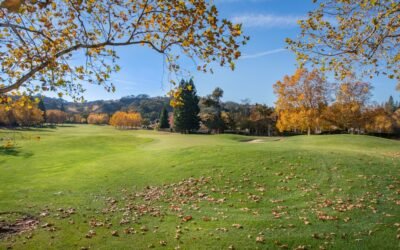
Autumn brings a different kind of beauty to Abana. The intense heat of summer subsides, and the landscape often takes on a warm, golden hue. It’s a time of transition that offers a unique charm.
3.1. Weather in Autumn: Crisp and Colorful
- Temperatures: September is often still quite warm and can feel like an extension of summer, perfect for enjoying the coast. As you move into October and November, temperatures gradually cool down. Expect average highs in the teens to low 20s Celsius (60s-70s°F) in early autumn, dropping to the tens Celsius (50s°F) and below later on.
- Rainfall: Autumn sees an increase in rainfall compared to summer. October and November are typically the rainiest months. While you can still have lovely sunny days, be prepared for more frequent rain showers.
- Sea Temperature: The sea retains warmth from the summer for quite some time, so September and even early October can still be suitable for swimming for the hardy. By late autumn, it will be quite chilly.
- Scenic Beauty: The natural surroundings can be stunning with changing foliage, offering a picturesque backdrop for exploration. The air is often clear and refreshing.
3.2. Crowds in Autumn: A Tranquil Farewell
- Waning Crowds: After the summer rush, crowds begin to thin out considerably from September onwards. October and November are very quiet months.
- Relaxed Atmosphere: This is ideal if you’re seeking peace and quiet. You’ll have more space on the beaches, and dining out will be a much more relaxed affair.
- Local Life: You’ll have a great opportunity to observe the local rhythm of life as the focus shifts from tourism to more community-based activities.
3.3. Costs in Autumn: Savvy Savings
- Discounted Prices: Accommodation and other travel expenses generally become more affordable as the tourist season winds down. September might still hold slightly higher prices, but October and November offer significant savings.
- Excellent Value: You can experience the beauty of Abana with fewer crowds and more budget-friendly options, making it a great choice for a more extended stay or for those who want to maximize their travel budget.
4. Winter: The Quiet Contemplation
Abana in winter is a world away from its summer persona. It’s a time of quietude, where the focus shifts inward, and the town takes on a different, more introspective character.
4.1. Weather in Winter: Cool and Crisp
- Temperatures: Winters are generally cool to cold. Average daytime temperatures in December, January, and February often range from single digits to low double digits Celsius (40s-50s°F). Frost is possible, and temperatures can drop below freezing at night.
- Rainfall and Snow: While Abana is a coastal town, winter can bring rain, and sometimes even snow, particularly in the surrounding higher elevations. The coast itself usually sees more rain than snow, but it can be damp and chilly.
- Sea Temperature: The Black Sea will be at its coldest during winter, making swimming highly unlikely and very brisk if attempted.
- Atmosphere: The atmosphere is very subdued. The stormy grey of the sea against the muted landscapes can be dramatic and appealing to those who appreciate a more raw, elemental beauty.
4.2. Crowds in Winter: Almost Deserted
- Minimal Tourism: This is the absolute low season for tourism in Abana. You’ll find very few visitors, making it an extremely tranquil experience.
- Local Pace: The town will be dominated by its year-round residents. You’ll see the daily routines of local life unfolding at a much slower pace.
- Limited Services: Some tourist-oriented businesses, like certain restaurants or small souvenir shops, may close for the season. You’ll primarily experience the local services that remain open.
4.3. Costs in Winter: The Deepest Discounts
- Lowest Prices: If your primary concern is budget, winter offers the lowest prices for accommodation. Hotels and guesthouses that remain open will often have significant discounts to attract the few visitors.
- Off-Season Charm: You’re essentially paying for the peace and quiet and the opportunity to see Abana in its most authentic, unvarnished state. It’s a niche experience, but one that can be very rewarding for the right traveler.
5. Key Considerations for Planning Your Abana Trip
| Month | Weather | Crowds | Costs |
|---|---|---|---|
| April – June | Mild and pleasant | Moderate | Moderate |
| July – August | Warm and sunny | High | High |
| September – October | Cool and comfortable | Moderate | Moderate |
Beyond just the seasons, a few other practical points can help you fine-tune your timing. These are the nuances that can make or break a trip.
5.1. Special Events and Festivals: Adding Local Flavor
- Local Holidays: Keep an eye on Turkish national holidays. While Abana might not have massive festivals, these periods can see increased local travel and slightly busier conditions, especially if they fall during warmer months.
- Seasonal Markets: Depending on the time of year, you might encounter local agricultural markets or smaller community gatherings that offer a glimpse into regional traditions and products. These are more likely in spring and autumn.
- Absence of Major Festivals: Abana isn’t known for large-scale international festivals. Your experience will likely be more about the natural beauty and the local pace of life rather than attending specific events.
5.2. Your Travel Purposes: Beach vs. Exploration
- Beach Holiday Focus: If your dream is pure beach relaxation with swimming and sunbathing, the summer months (July-August) are your undeniable best bet, despite the crowds and costs.
- Nature and Sightseeing: For hiking in the surrounding areas, exploring the coastline without intense heat, and enjoying scenic drives, late spring (May-June) and early autumn (September-October) offer the most pleasant balance of weather and fewer crowds.
- Quiet Retreat: If you’re looking for a genuinely peaceful escape, perhaps for writing or reflection, and don’t mind cooler or potentially wetter weather, late autumn (November) or even winter (December-February) could be surprisingly rewarding.
5.3. Balancing Costs and Crowds: Finding Your Sweet Spot
- The Ideal Compromise: For many, the ideal time to visit Abana strikes a balance. May, early June, and September often represent this sweet spot. You’ll enjoy lovely weather, fewer tourists than the absolute peak of summer, and prices that are more reasonable.
- Shoulder Season Advantages: Traveling in these shoulder seasons allows you to experience the beauty of Abana with more breathing room. You can explore beaches without feeling cramped, find better deals on accommodation, and enjoy a more relaxed pace.
- Personal Prioritization: Ultimately, the “best” time depends on what you prioritize. If guaranteed sunshine and warm sea are non-negotiable, summer it is. If a peaceful experience and budget savings are paramount, spring or autumn will likely serve you better.
Choosing the right time to visit Abana, Kastamonu, is all about aligning the weather, the crowds, and your budget with your personal travel preferences. By understanding the nuances of each season, you can make an informed decision that leads to a truly memorable trip.
FAQs
1. What is the best time to visit Abana, Kastamonu for favorable weather?
The best time to visit Abana, Kastamonu for favorable weather is during the summer months of June to August when the temperatures are warm and the days are sunny.
2. When is the peak tourist season in Abana, Kastamonu?
The peak tourist season in Abana, Kastamonu is during the summer months of June to August when the weather is ideal for outdoor activities and sightseeing.
3. What is the off-peak season in Abana, Kastamonu?
The off-peak season in Abana, Kastamonu is during the winter months of December to February when the temperatures are cold and the region experiences snowfall.
4. When can visitors expect lower costs for accommodations and activities in Abana, Kastamonu?
Visitors can expect lower costs for accommodations and activities in Abana, Kastamonu during the off-peak season of winter, particularly in the months of December to February.
5. What is the shoulder season in Abana, Kastamonu?
The shoulder season in Abana, Kastamonu is during the spring and fall months of March to May and September to November, when the weather is mild and the crowds are thinner compared to the peak summer season.

[…] Turkey, discusses similar factors such as weather, crowds, and costs. You can check it out here: Best Time to Visit Abana, Kastamonu: Weather, Crowds, and Costs. This information could provide valuable insights for planning your […]