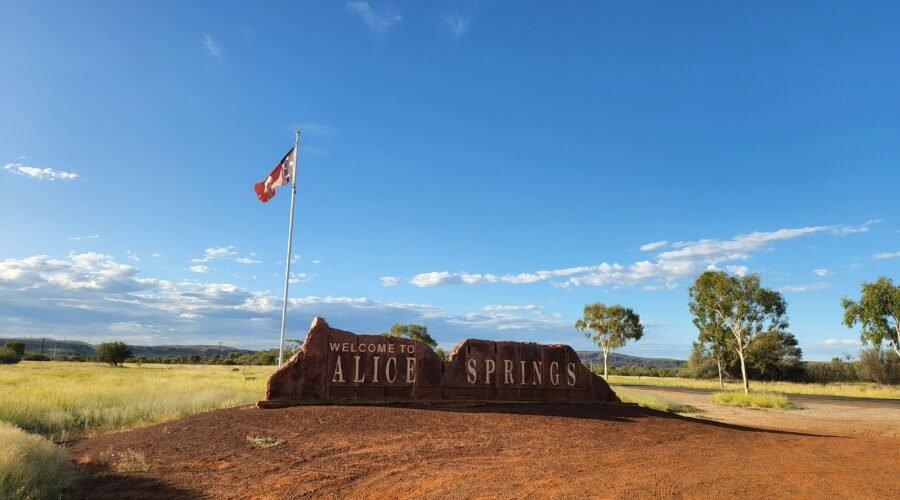
If you are deciding on the best time to visit Alice Springs, the most comfortable period for most travellers is usually May to September. These cooler months suit hiking, sightseeing, scenic drives and exploring the West MacDonnell Ranges. However, April and October can also work well if you want fewer peak-season visitors and can handle warmer days.
Quick Answer
For most visitors, May through September is the best time to visit Alice Springs. Days are cooler, rainfall averages are relatively low, and conditions are better for walking and sightseeing. June and July have the coolest days, but winter nights can approach or fall below freezing, so warm layers are essential.
Key Takeaways
- Best overall period: May to September for cooler daytime conditions and outdoor activities.
- Coolest months: June and July, with average daytime maximums around 20°C (68°F).
- Shoulder months: April and October can offer a useful balance of weather, availability and crowds.
- Hottest period: December to February, when average maximums are around 35–37°C (95–99°F) and individual days can exceed 40°C (104°F).
- Important: Road and park conditions in Central Australia can change quickly after rain, so check official updates before remote drives.
Why May to September Is Usually the Best Time to Visit Alice Springs
Alice Springs sits in Australia’s semi-arid Red Centre. Unlike the tropical Top End, which is commonly divided into Wet and Dry seasons, Alice Springs experiences more recognizable summer, autumn, winter and spring conditions. Tourism Northern Territory describes winter as the most popular time to visit because the days are crisp and cooler while nights can become very cold.
The Appeal of Cooler Temperatures
According to long-term observations from the Bureau of Meteorology’s Alice Springs Airport climate station, average maximum temperatures are about 23.1°C (73.6°F) in May, 19.9°C (67.8°F) in June and July, 22.9°C (73.2°F) in August and 27.5°C (81.5°F) in September.
Those temperatures are generally much easier for hiking, walking around outdoor attractions and taking long sightseeing drives than the intense summer heat.
July’s long-term average in Alice Springs is about 19.9°C (67.8°F) during the day and 3.9°C (39°F) overnight, showing just how large the desert’s day-to-night temperature swing can be.
Do not assume that Central Australia stays warm just because it is a desert. Average winter minimums fall to about 4.9°C (40.8°F) in June and 3.9°C (39°F) in July, and temperatures can fall below freezing on particularly cold nights.
Note: Pack for both warm sunshine and genuinely cold desert nights. A T-shirt may feel comfortable during a sunny afternoon, while a fleece or warm jacket may be necessary before sunrise and after sunset.
Relatively Low Average Rainfall
May through September is also relatively dry on average. Bureau of Meteorology long-term monthly rainfall averages for Alice Springs Airport are approximately 18.3 mm in May, 12.8 mm in June, 13.8 mm in July, 8.0 mm in August and 8.8 mm in September.
That does not mean rain is impossible. Central Australian rainfall is highly variable, and an individual month can be much wetter than its long-term average. Heavy rain may affect unsealed roads, floodways and access to remote attractions.
Better Conditions for Outdoor Activities
The cooler months are particularly useful if your plans include bushwalking, cycling, sightseeing or exploring Tjoritja / West MacDonnell National Park. Popular destinations around Alice Springs include Simpsons Gap, Ormiston Gorge, Ellery Creek Big Hole and other sites along Larapinta and Namatjira drives.
Cooler temperatures reduce the heat burden during outdoor activities, although sun protection and plenty of drinking water are still important throughout the year.
Alice Springs Weather by Month
The following long-term averages from the Bureau of Meteorology’s Alice Springs Airport station give a more useful picture than simply dividing the year into a “dry” and “wet” season.
| Month | Avg. High | Avg. Low | Avg. Rainfall | What to Expect |
| January | 36.6°C / 97.9°F | 21.6°C / 70.9°F | 41.8 mm | Very hot; greater chance of summer storms |
| February | 35.3°C / 95.5°F | 20.7°C / 69.3°F | 40.7 mm | Very hot; flexible plans recommended |
| March | 32.9°C / 91.2°F | 17.7°C / 63.9°F | 33.1 mm | Still hot, especially in the afternoon |
| April | 28.4°C / 83.1°F | 12.6°C / 54.7°F | 16.7 mm | Excellent shoulder-season option |
| May | 23.1°C / 73.6°F | 8.1°C / 46.6°F | 18.3 mm | Comfortable days and cool nights |
| June | 19.9°C / 67.8°F | 4.9°C / 40.8°F | 12.8 mm | Cool days; cold nights and mornings |
| July | 19.9°C / 67.8°F | 3.9°C / 39°F | 13.8 mm | One of the coolest and busiest periods |
| August | 22.9°C / 73.2°F | 5.9°C / 42.6°F | 8.0 mm | Excellent for outdoor activities |
| September | 27.5°C / 81.5°F | 10.3°C / 50.5°F | 8.8 mm | Warmer spring days with cool evenings |
| October | 31.3°C / 88.3°F | 14.9°C / 58.8°F | 19.6 mm | Hotter afternoons; useful shoulder month |
| November | 33.8°C / 92.8°F | 17.9°C / 64.2°F | 32.2 mm | Increasing heat |
| December | 35.6°C / 96.1°F | 20.3°C / 68.5°F | 37.4 mm | Very hot; plan outdoor activity carefully |
Climate figures are long-term averages from the Bureau of Meteorology Alice Springs Airport station. Actual weather during your trip can vary considerably.
Shoulder Seasons: April and October
April and October sit between the most comfortable winter period and the hottest part of the year. They can be good choices if your schedule is flexible.
April: A Gentle Transition
April has a long-term average maximum of about 28.4°C (83.1°F) and an average minimum of 12.6°C (54.7°F). That is warm enough for comfortable evenings but usually much easier for daytime sightseeing than midsummer.
Depending on recent rainfall, the surrounding landscape may also show more vegetation than visitors expect from Central Australia’s desert environment.
October: Warmer Days Return
October is noticeably hotter, with a long-term average maximum of about 31.3°C (88.3°F). It can still work well for heat-tolerant travellers, but longer walks are better planned for the cooler morning hours.
Pro Tip: If you want pleasant weather without targeting the coldest winter nights, consider late April, May, August or September. Exact crowds and prices vary by event dates, school holidays and accommodation availability.
Summer and the Hotter Months: November to March
November through March brings much hotter conditions. This period should not simply be treated as a tropical-style “wet season.” Alice Springs remains semi-arid, and rainfall varies greatly from year to year, but summer does bring a greater chance of showers and thunderstorms.
Intense Summer Heat
Long-term average maximum temperatures are about 33.8°C (92.8°F) in November, 35.6°C (96.1°F) in December, 36.6°C (97.9°F) in January, 35.3°C (95.5°F) in February and 32.9°C (91.2°F) in March.
Individual days can exceed 40°C (104°F), so strenuous hiking during the hottest part of the day can become unsafe.
Warning: Extreme heat is a serious consideration in Central Australia. Carry and drink plenty of water, wear sun protection, choose walks suited to your fitness, and avoid strenuous activity during the hottest part of the day. Follow park warnings and weather advice.
Summer Rain and Thunderstorms
Rain can arrive suddenly and may produce dramatic changes in normally dry creeks and riverbeds. The desert may temporarily become greener after significant rainfall, which can make this an interesting season for photographers.
However, rain can also affect floodways, unsealed roads and remote tracks. Never assume that a road that was open yesterday will still be suitable today.
Fewer Visitors May Mean More Availability
The hottest months generally attract travellers who are more comfortable with extreme heat. Depending on demand, you may find more accommodation availability or promotional rates than during popular winter dates. Savings are not guaranteed, so compare live prices rather than relying on a fixed seasonal rule.
Best Time to Visit Alice Springs by Travel Style
| Priority | Best Period to Consider | Why |
| Hiking and outdoor sightseeing | May–September | Cooler daytime temperatures |
| Cool weather | June–July | Lowest average daytime temperatures, but nights are cold |
| Balance of weather and shoulder-season travel | April or October | Warmer than winter while avoiding the peak of summer heat |
| Events and festivals | June–September | Many major Alice Springs events fall in the cooler months |
| Potential accommodation deals | Hotter months | Demand may be lower, although pricing varies |
| Summer storm photography | November–March | Greater chance of dramatic weather, but much hotter conditions |
Crowds and Events in Alice Springs
Weather is only part of the decision. Events, school holidays and major race weekends can significantly affect accommodation demand.
Peak Travel Period
The cooler months attract many visitors because outdoor conditions are more comfortable. Popular destinations such as Alice Springs Desert Park, Simpsons Gap and Ormiston Gorge can therefore feel busier than during the hottest months.
If you have fixed dates during winter or a major event weekend, book important accommodation, vehicle rentals and tours early.
Major Events Can Affect Availability
Alice Springs has a busy events calendar, particularly during the cooler part of the year. Dates change, so always check the current Tourism Northern Territory Alice Springs events calendar before choosing flights and accommodation.
- Tatts Finke Desert Race: This major off-road motorsport event traditionally takes place around the King’s Birthday period in June and brings large numbers of competitors, crews and spectators to Central Australia.
- Alice Springs Show: The annual show is normally held during the cooler part of the year; for example, the 2026 show took place on July 3–4.
- Red CentreNATS: A major automotive event usually held around the start of September. The confirmed 2026 event runs September 3–6.
- Desert Mob: A major celebration of Central Australian Aboriginal art and culture. The confirmed 2026 program runs from September 10 to October 25.
- Alice Springs Beanie Festival: This much-loved community festival ran for 30 years, but the organizers announced that June 19–22, 2026 was its final edition. Do not plan a future trip expecting it to continue annually.
Major events can be a reason to visit in their own right, but they may also increase demand for accommodation and rental vehicles.
How the Time of Year Can Affect Costs
Alice Springs is a remote destination, so flights, rental vehicles and accommodation can represent a large part of your budget. Seasonal demand can influence prices, but there is no reliable rule guaranteeing that a particular month will always be cheapest.
Cooler-Month Demand
May through September is popular with leisure travellers, walking groups, road-trippers and event visitors. During busy dates, desirable accommodation or specific vehicle categories may sell out earlier.
Booking ahead can give you a wider choice, particularly if your visit overlaps with a major event or school-holiday period.
Hotter-Month Opportunities
During the hotter months, some hotels, tours or airlines may offer lower prices when demand is softer. Compare actual fares and room rates for your dates rather than assuming an off-season discount will always be available.
Car Rental Considerations
The cheapest rental vehicle is not always the correct vehicle for your itinerary. Many major sealed-road attractions can be reached with a conventional vehicle, while some remote tracks require or recommend a high-clearance 4WD.
For example, NT Parks may restrict particular Central Australian destinations to high-clearance 4WD access depending on the road and current conditions.
Practical Tips for Visiting Alice Springs
Good preparation matters in Central Australia regardless of the month you choose.
Packing Essentials
- Sun protection: Bring a broad-brimmed hat, sunglasses, sunscreen and clothing that protects exposed skin.
- Layered clothing: Essential during the cooler months because desert temperatures can change sharply after sunset.
- Warm winter layer: A fleece, insulated jacket or similar layer is useful on cold winter mornings and evenings.
- Sturdy walking shoes: Wear footwear suited to rocky and uneven terrain.
- Plenty of water: Carry enough drinking water for your planned activity and additional water when travelling remotely.
- Insect repellent: Useful around water and during warmer periods.
- Basic first-aid supplies: Particularly useful when travelling away from town.
Getting Around Alice Springs
- Rental car: A car provides the most flexibility for exploring attractions outside central Alice Springs, including the West MacDonnell Ranges.
- Organized tours: Useful if you prefer not to drive or want guided interpretation of the region. Multi-day Red Centre itineraries can also connect Alice Springs with destinations such as Kings Canyon and Uluru.
- Public buses: Alice Springs has several local routes operating Monday to Saturday, excluding public holidays. Regular public bus services are currently free. Check the latest NT Government Alice Springs bus timetables before relying on them.
Public buses are useful within town but are not a replacement for a rental vehicle or organized tour when visiting distant national parks and remote attractions.
Safety in the Outback
- Tell someone your plans: Share your route and expected return time before remote trips or long walks.
- Carry enough water: Take more water than you expect to drink, particularly on remote drives.
- Avoid peak heat: During hot weather, schedule demanding walks for cooler periods of the day.
- Stay on designated tracks: Follow park signage and trail instructions.
- Respect wildlife: Give snakes and other wildlife plenty of space and never attempt to handle them.
- Check vehicle requirements: Confirm whether your destination requires a high-clearance 4WD.
- Check current conditions: Review road closures, park alerts and weather warnings before leaving town.
Use the NT Government road-conditions service and the Alice Springs region park-status page before travelling to remote areas. Access can change after rainfall or maintenance work.
Warning: Never drive through a flooded road or floodway simply because another vehicle has done so. Central Australian road conditions can change rapidly after heavy rain. Follow official closures and local instructions.
Final Thoughts on the Best Time to Visit Alice Springs
For most travellers, May to September remains the strongest all-round choice for visiting Alice Springs. The days are cooler, average rainfall is relatively low and the weather is generally better suited to walking, sightseeing and exploring Central Australia’s desert landscapes.
June and July provide the coolest conditions but also bring very cold nights and strong visitor demand. May, August and September offer a particularly attractive balance for many travellers. April can be an excellent shoulder-season alternative, while October works for visitors comfortable with hotter afternoons.
Summer from December through February offers a very different experience. The desert can be dramatic after rain, crowds may be lighter and availability may improve, but temperatures around the mid-30s Celsius are normal and extreme heat above 40°C is possible.
Your ideal dates therefore depend on what matters most to you: comfortable hiking weather, event timing, budget, quieter attractions or experiencing the Red Centre in summer. Check the weather forecast, road conditions, park alerts and event calendar shortly before departure rather than relying only on seasonal averages.
Frequently Asked Questions
What is the best time to visit Alice Springs?
May to September is generally the best period for most visitors because daytime temperatures are cooler and conditions are better suited to walking and sightseeing. April and October are useful shoulder-season alternatives.
What is the coldest month in Alice Springs?
June and July have the coolest average daytime temperatures at about 19.9°C (67.8°F). July has a long-term average minimum of about 3.9°C (39°F), and temperatures can occasionally fall below freezing.
What is the hottest time of year in Alice Springs?
December through February is the hottest period. January has a long-term average maximum of about 36.6°C (97.9°F), and extreme days above 40°C (104°F) are possible.
Does Alice Springs have a wet season?
Alice Springs is better described as having four typical Red Centre seasons rather than the tropical Top End’s distinct Wet and Dry seasons. Summer has a greater chance of rain and thunderstorms, but rainfall in Central Australia is highly variable.
When is Alice Springs busiest?
Visitor demand is generally stronger during the cooler months, especially around winter holidays and major events. Specific event weekends can create sharp increases in accommodation and rental-car demand.
When is the cheapest time to visit Alice Springs?
The hotter months may sometimes offer better accommodation or flight deals because leisure demand can be softer, but there is no guaranteed cheapest month. Compare live prices for your dates and check whether a major event overlaps with your visit.
Do I need a 4WD in Alice Springs?
Not for every trip. Many attractions are accessible by sealed roads, but some remote tracks and park sites require or recommend a high-clearance 4WD. Always check the official road and park-access information for your exact destination before leaving.
Is April a good time to visit Alice Springs?
Yes. April is an excellent shoulder-season option, with a long-term average maximum around 28.4°C (83.1°F) and an average minimum around 12.6°C (54.7°F). It is warmer than winter without the extreme heat typical of midsummer.
Sources
- Bureau of Meteorology — Alice Springs Airport climate statistics — long-term monthly temperature and rainfall averages.
- Tourism Northern Territory — Alice Springs — Red Centre seasons and general visitor information.
- Northern Territory Government — Check road conditions — official guidance for road closures and access conditions.
- Northern Territory Government — Alice Springs park status — current park access, closures and vehicle requirements.
- Northern Territory Government — Alice Springs public buses — current local bus routes and service information.
- Tourism Northern Territory — Alice Springs events — current event dates and festival information.