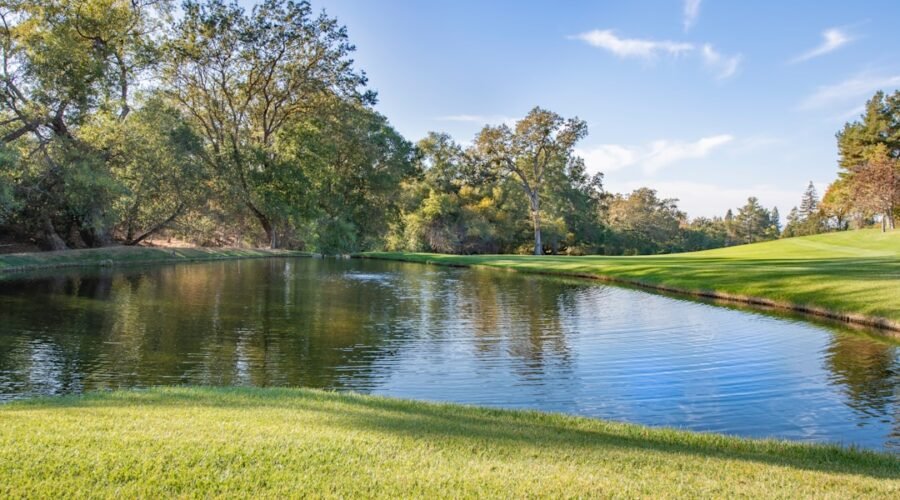
Figuring out the best time to visit Bathurst, New Brunswick, comes down to what you want from your trip. This coastal city on Chaleur Bay offers sandy beaches, waterfront walks, nature trails, seasonal festivals, and snowy winter landscapes. However, the experience changes considerably throughout the year.
For most visitors, June through September offers a good balance of comfortable weather and outdoor activities. July and August are especially appealing for a beach holiday, while September is a good option for sightseeing at a more relaxed pace. If you prefer fall colours or winter adventures, a different season may suit you better.
Quick Answer
The best time to visit Bathurst, New Brunswick, is generally June through September. Choose July or August for warm weather and beach activities, June or September for a quieter sightseeing trip, and late September to early October for fall foliage. Winter is suitable for snow-based recreation, while spring offers fewer visitors but cooler, less predictable weather.
Key Takeaways
- Best overall period: June through September for generally comfortable sightseeing weather.
- Best for beaches: July and August, when Bathurst normally experiences its warmest daytime temperatures.
- Best for a quieter trip: June and September, particularly outside major event dates.
- Best for fall colours: Late September through early October, depending on weather and location.
- Best for winter activities: January through March, subject to snow and trail conditions.
- Best for finding potential accommodation deals: Compare spring, autumn, and non-holiday winter dates rather than assuming any month is always cheapest.
1. Summer: Warm Weather and Beach Adventures
Summer in Bathurst stretches roughly from June through August. Long daylight hours, comfortable temperatures, and a wider selection of seasonal activities make it an appealing time for a coastal holiday.
The city sits along Chaleur Bay, which is known for its comparatively warm saltwater. Summer visitors can combine beach time with waterfront dining, nature walks, golf, and nearby outdoor attractions.
June: A Gentle Start to Summer
June is an excellent month for travelers who want comfortable weather without committing to the busiest part of the summer holiday period.
According to Environment and Climate Change Canada’s 1991–2020 climate normals, Bathurst has an average June daytime high of approximately 21.8°C (71°F).
- Weather: Expect mild to warm afternoons and cooler evenings. A light jacket is useful near the water.
- Activities: Walking, sightseeing, golfing, and exploring parks become increasingly appealing as the weather warms.
- Beaches: Youghall Beach is accessible, but early-season water temperatures and lifeguard availability should be checked before swimming.
- Crowds: June may be quieter than the main summer holiday period, although weekends and local events can attract visitors.
- Costs: Early June can be worth comparing with July and August, but accommodation prices depend on specific dates and availability.
June is particularly suitable for visitors who prefer outdoor exploration over spending an entire day swimming.
July and August: Peak Summer Weather
July and August are Bathurst’s warmest months on average. They are especially attractive for travelers planning a beach-focused holiday or a family summer vacation.
Environment Canada’s climate normals show average daytime highs of approximately 25.1°C (77°F) in July and 24.4°C (76°F) in August. Individual days can be considerably warmer or cooler.
- Weather: Warm afternoons are well suited to beaches, outdoor dining, and exploring the region.
- Activities: Beach visits, hiking, golf, community celebrations, and waterfront walks are popular summer options.
- Crowds: Expect greater demand around school holidays, weekends, and festivals.
- Costs: Popular accommodation dates can book early. Compare prices before finalizing your travel dates.
- Planning: Check the opening hours of individual attractions rather than assuming every seasonal service operates daily.
Where to Go During Summer
Bathurst offers several attractions that make the most of its coastal location.
- Youghall Beach Park: Enjoy sandy shores, a boardwalk, picnic opportunities, and access to Chaleur Bay.
- La Promenade Waterfront: Explore Bathurst’s waterfront area, nearby restaurants, and local shops.
- Daly Point Nature Reserve: Enjoy trails and the natural environment surrounding the city.
- Nepisiguit River area: Discover scenic landscapes and outdoor recreation in the surrounding region.
- Golf courses: Bathurst offers golfing opportunities, including Gowan Brae Golf & Country Club and Squire Green Golf & Country Club.
These attractions are identified in Tourism New Brunswick’s official Bathurst destination guide.
Beach Safety: Swimming conditions and lifeguard coverage change throughout the season. The City of Bathurst states that Youghall Beach lifeguard services ended August 29 for the 2026 season. Swimming afterward is unsupervised. Never swim alone, supervise children closely, and avoid the channel, where strong currents create a hazard. Check the city’s latest beach information before visiting.
2. Autumn: Colourful Scenery and a Slower Pace
As the summer holiday period ends, autumn brings cooler temperatures and changing foliage to Bathurst and the surrounding Chaleur region.
September and October are appealing for scenic drives, walking, photography, and visitors who prefer exploring without relying on beach weather.
September: The Golden Transition
September is one of Bathurst’s most appealing shoulder-season months.
The average daytime high is approximately 19.7°C (67°F), although temperatures generally become cooler as the month progresses.
- Weather: Mild afternoons are possible, especially earlier in the month. Pack layers for cooler mornings and evenings.
- Activities: Explore the waterfront, walking trails, parks, and nearby natural attractions.
- Fall scenery: Early colour changes may begin appearing later in the month.
- Crowds: Tourist activity may ease after the main summer holiday period.
- Costs: Compare accommodation rates after the summer rush, particularly on weekdays.
September is a sensible choice for travelers interested in sightseeing and nature rather than relying on warm swimming conditions.
Note: Youghall Beach remains accessible outside the supervised swimming season, but seasonal facilities and services change. The city’s August 2026 update confirms that lifeguards are off duty after August 29, while some washroom access continues on a reduced schedule.
October: Crisp Air and Fall Foliage
October brings a more noticeable autumn feel to Bathurst. Environment Canada’s climate normals place the average daytime high at approximately 12°C (54°F).
Cool mornings, changing leaves, and shorter days create a different experience from summer.
- Weather: Expect cool conditions, with the possibility of rain and chilly nights.
- Activities: Scenic drives, nature walks, photography, and exploring the surrounding countryside are good options.
- Foliage: Late September and early October are useful periods to consider, although peak colour varies from year to year.
- Crowds: Many summer attractions are less busy, but popular fall weekends can still attract visitors.
- Costs: Some properties may offer attractive rates, although availability and pricing vary.
Tourism New Brunswick identifies late September and early October as typical peak fall-colour periods across parts of the province, with timing influenced by location and weather.
For the most flexibility, plan a fall trip around a broader period rather than expecting the leaves to reach peak colour on one exact date.
3. Spring: A Quieter Season of Renewal

Spring in Bathurst generally runs from March through May, although April and May are when the transition toward warmer weather becomes more noticeable.
Snowmelt, changing landscapes, and fewer leisure visitors can make spring attractive to travelers who prefer a slower pace.
However, this season requires flexibility. Temperatures can change quickly, trails may be wet, and some summer-oriented businesses may not yet be operating.
April: The Lingering Chill and Slow Thaw
April can still feel quite cold in Bathurst.
The average daytime high is approximately 8.2°C (47°F), while the average nighttime low remains below freezing.
- Weather: Expect a mixture of cool days, occasional warmer spells, rain, and possible late snowfall.
- Activities: Focus on sightseeing, indoor attractions, waterfront walks, and suitable outdoor trails.
- Trail conditions: Snowmelt can leave paths wet or muddy, so check local conditions before heading out.
- Crowds: April may suit visitors seeking a quieter trip.
- Costs: Compare spring accommodation rates, but do not assume every property will offer its lowest annual price.
April works best if your schedule is flexible and you do not need summer-like weather.
May: Warming Weather and Emerging Greenery
May marks a clearer transition toward warmer conditions.
Bathurst’s average daytime high reaches approximately 15.8°C (60°F), although evenings can remain cool.
- Weather: Days become longer and generally milder, but rain and chilly mornings remain possible.
- Activities: Walking, sightseeing, golf, and exploring parks become increasingly practical as conditions improve.
- Nature: Fresh greenery and seasonal changes make the surrounding landscapes attractive for photography.
- Crowds: Visitor activity may increase as summer approaches.
- Costs: May can be worth checking for accommodation deals before the main summer travel period.
Some seasonal attractions may still have limited operating hours. Confirm availability before planning your entire day around one location.
4. Winter: Snowy Landscapes and Outdoor Adventures
Winter in Bathurst brings freezing temperatures, snow, and a different kind of coastal atmosphere.
December through March is most relevant for travelers interested in winter scenery and snow-based recreation, although actual snow conditions vary throughout the season.
December and January: The Arrival of Deep Winter
December brings shorter days and increasingly cold conditions. January is colder on average.
Environment Canada’s climate normals show average daytime highs of approximately −1.5°C (29°F) in December and −5.2°C (23°F) in January.
- Weather: Prepare for freezing temperatures, snow, ice, and potentially difficult driving conditions.
- Activities: Winter walks, seasonal celebrations, and snow-based recreation may be available when conditions permit.
- Snowmobiling: The Bathurst region is known for its snowmobile trails and surrounding winter recreation areas.
- Crowds: General sightseeing may be quieter, although holidays and winter events can create local demand.
- Costs: Compare non-holiday dates with Christmas and New Year’s travel periods.
For a winter-focused getaway, check the condition of trails and recreational facilities before traveling.
February and March: Late-Winter Adventures
February remains firmly within Bathurst’s winter season, while March begins the gradual transition toward spring.
Average daytime highs are approximately −3.7°C (25°F) in February and 1.6°C (35°F) in March.
- Weather: Snow and freezing conditions remain possible throughout both months.
- Activities: Snowmobiling and other winter recreation depend on current snow depth, weather, and trail conditions.
- March travel: Longer daylight hours can be helpful, but thawing and refreezing may affect roads and trails.
- Crowds: General tourism activity may be lower than in summer, although winter events and holiday weekends can affect availability.
- Costs: Compare accommodation prices across your preferred dates instead of relying on seasonal assumptions.
Tourism New Brunswick’s Bathurst destination guide highlights snowmobiling as an important regional winter activity.
Winter Travel Warning: Snow, ice, and reduced visibility can affect travel throughout northern New Brunswick. Check the latest forecast and New Brunswick 511 road conditions before driving. Use suitable winter equipment, carry warm clothing, and avoid entering closed trails or unsafe ice.
5. Event-Driven Travel: Festivals and Seasonal Activities
Bathurst hosts community celebrations and seasonal activities throughout the year. If your main reason for visiting is a festival or special event, its confirmed dates should guide your travel plans.
Major events can affect accommodation availability and local activity levels, so checking the calendar before booking is worthwhile.
Summer Travel Comparison
The following table provides a simple overview of the main summer and early-autumn travel period.
| Month | Average High | Typical Travel Pattern | Cost Considerations |
|---|---|---|---|
| June | 21.8°C | Early summer; good for sightseeing | Compare early- and late-month rates |
| July | 25.1°C | Warm summer weather and major events | Book early around popular events |
| August | 24.4°C | Warm weather and summer holidays | Compare weekends and weekdays |
| September | 19.7°C | Early autumn and relaxed sightseeing | Check shoulder-season offers |
Temperature figures are historical 1991–2020 Bathurst climate normals, not forecasts. Crowd and pricing descriptions are planning guidance rather than measured local visitor or hotel-price statistics.
Summer Festivals and Community Celebrations
One of Bathurst’s established summer events is Bathurst Hospitality Days.
The celebration features community activities, entertainment, and opportunities to experience the local atmosphere.
Tourism New Brunswick listed the 2026 edition for July 15–19, with activities at several locations in Bathurst.
For future visits, consult the official Bathurst Hospitality Days listing rather than assuming the same dates apply every year.
Other music, sports, and community activities may also be scheduled during summer. Their dates and locations should be verified individually.
Shoulder-Season Events
Spring and autumn can offer smaller community activities, cultural programs, local markets, and outdoor gatherings.
Availability varies by year, so check event schedules before building your trip around a particular activity.
Travelers interested in local culture may enjoy combining an event with a waterfront walk, a meal downtown, or a visit to a nearby nature area.
How to Plan Around Events
- Check official calendars: Use the City of Bathurst event calendar for city-organized activities.
- Confirm dates: Check the organizer’s information for the year of your trip.
- Book accommodation: Reserve early when visiting during a popular festival or holiday period.
- Check event locations: Some activities take place outside the downtown area.
- Allow flexibility: Outdoor events may be affected by weather or schedule changes.
Pro Tip: If you want a quiet visit, check Bathurst’s event calendar before booking a weekend. A date that appears to fall outside the busiest travel period may still coincide with a major local celebration.
6. Cost and Crowd Considerations: Choosing Your Travel Dates
Weather is only one part of choosing when to visit Bathurst. Accommodation availability, local events, seasonal operating hours, and your preferred activities also matter.
The most suitable dates depend on whether you prioritize summer recreation, lower travel demand, or a particular seasonal experience.
When Might Accommodation Be Cheaper?
If your budget is a priority, compare accommodation rates during the shoulder seasons and outside major holidays.
Periods worth checking include:
- April and early May.
- Early June before the main summer holiday period.
- September and October outside popular event weekends.
- Non-holiday winter dates.
These periods may offer opportunities to save, but there is no guarantee that they will be the cheapest.
Hotel prices depend on demand, property availability, booking terms, and the exact travel dates.
What Do You Give Up by Visiting Off-Season?
Lower-demand periods can involve trade-offs.
- Cooler or less predictable weather.
- Reduced hours at seasonal businesses.
- Limited water-based activities.
- Possible snow, ice, or muddy trails.
- Fewer scheduled summer events.
Before reserving a room, check that the attractions you most want to visit will be operating.
When Is Bathurst Likely to Feel Quieter?
Travelers who prefer a slower pace should consider visiting outside the main summer holiday period.
April, May, September, October, and parts of winter may be suitable, depending on local events and weather.
However, popular festivals, school holidays, and winter recreation weekends can still affect visitor numbers.
The Sweet Spot for a Balanced Trip
For travelers who want comfortable weather without relying on the busiest summer weeks, early June and September are useful starting points.
June offers increasing warmth and longer days, while September provides comfortable sightseeing opportunities and the beginning of autumn scenery.
Both periods can work well for first-time visitors who want to explore Bathurst rather than focus exclusively on swimming or winter sports.
7. What to Pack and Check Before Visiting Bathurst
Bathurst’s seasonal weather can change noticeably, so your packing list should reflect the activities and month you choose.
Summer Packing Essentials
- Comfortable walking shoes.
- Light clothing and a jacket for cooler evenings.
- Sun protection, including sunscreen and a hat.
- Swimwear and a towel if visiting the beach.
- A light rain jacket.
Spring and Autumn Packing Essentials
- Layered clothing.
- A waterproof or wind-resistant jacket.
- Comfortable footwear suitable for wet ground.
- Warmer clothing for early mornings and evenings.
- A camera or phone for scenic walks and foliage photography.
Winter Packing Essentials
- An insulated winter coat.
- Warm gloves, a hat, and thermal layers.
- Waterproof winter boots with suitable traction.
- Appropriate equipment for planned winter recreation.
- Vehicle emergency supplies if traveling by road.
Check These Details Before Departure
A little planning can make a significant difference, particularly during the shoulder seasons.
- Weather: Check the current forecast rather than relying only on monthly averages.
- Beach facilities: Confirm lifeguard coverage, washroom access, and seasonal services.
- Attractions: Verify operating hours and any booking requirements.
- Events: Confirm current dates and locations.
- Road conditions: Check official travel information during winter and periods of severe weather.
Ultimately, the best time to visit Bathurst, New Brunswick, depends on the experience you want. Summer brings warm weather and beach activities, autumn offers colourful landscapes, spring provides a quieter setting, and winter opens the door to snow-based recreation. Match the season to your plans, check current conditions, and allow room for the weather to change.
Frequently Asked Questions
1. What is the best time to visit Bathurst, New Brunswick, for favorable weather?
June through August generally offers the warmest weather. July has an average daytime high of approximately 25.1°C, while August averages 24.4°C. September is also suitable for visitors who prefer milder conditions and sightseeing.
2. When is the peak tourist season in Bathurst?
The main summer holiday period, especially July and August, is an important travel season for Bathurst. Major events and weekends can increase demand for accommodation and local activities. Actual visitor numbers vary by date.
3. What is the off-peak season in Bathurst, New Brunswick?
Periods outside the main summer holiday season, including parts of spring, autumn, and winter, may have lower general sightseeing demand. Winter holidays and recreational events can still attract visitors.
4. When can visitors expect lower accommodation and activity costs?
Spring, autumn, and non-holiday winter dates are worth comparing for potential savings. Prices are not guaranteed to be lowest during any particular month, so compare actual accommodation rates and activity availability before booking.
5. What are the popular events and festivals in Bathurst?
Bathurst Hospitality Days is an established summer celebration. Tourism New Brunswick listed its 2026 edition for July 15–19. Other community and seasonal events are listed through official tourism resources and the City of Bathurst event calendar. Confirm dates for the year you intend to travel.
6. When is the best time to swim at Youghall Beach?
July and August are generally suitable months to consider because of warmer summer weather. Supervised swimming depends on the city’s seasonal lifeguard schedule. In 2026, lifeguard services ended August 29. Always check current conditions and avoid swimming near the channel.
7. When can I see fall colours around Bathurst?
Late September through early October is a useful period to consider. Peak foliage depends on local temperatures, weather, and location, so exact timing changes from year to year.
8. Is Bathurst worth visiting in winter?
Yes, particularly for travelers interested in snowy scenery and winter recreation. The surrounding region is known for snowmobiling. Check trail conditions, weather forecasts, and road reports before traveling, since winter conditions can change quickly.
Sources
- Environment and Climate Change Canada — Bathurst Climate Normals, 1991–2020 — Monthly temperature averages and seasonal weather comparisons.
- Tourism New Brunswick — Bathurst Destination Guide — Local attractions, outdoor recreation, and regional travel information.
- City of Bathurst — Youghall Beach Park — Beach access, lifeguard schedules, seasonal services, and swimming safety.
- Tourism New Brunswick — Fall Foliage Guide — Seasonal colour timing and regional variation.
- Tourism New Brunswick — Bathurst Hospitality Days — Verified festival details and the 2026 event schedule.
- City of Bathurst — Official Events Calendar — Current city-organized events and activity information.