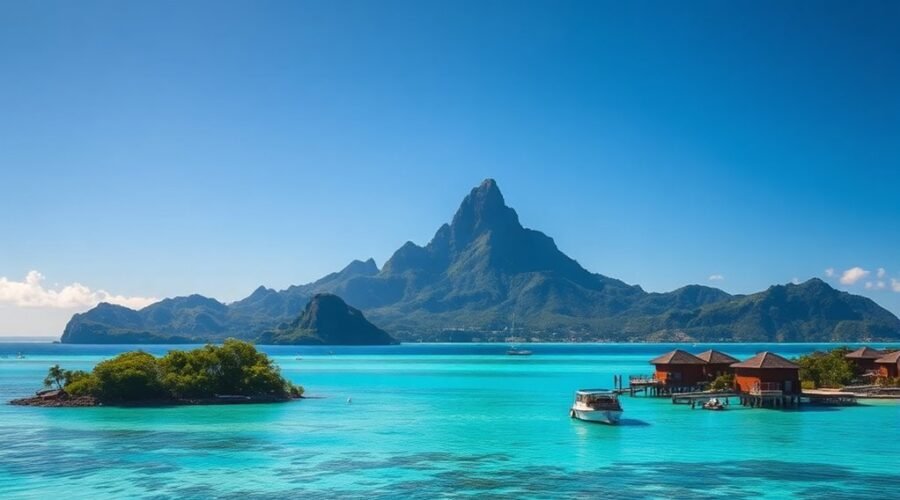
The best time to visit Bora Bora depends on whether you want sunny weather, fewer tourists, or lower resort prices. This French Polynesian island stays warm throughout the year, but rainfall, trade winds, and travel demand change by month. Choosing the right dates can make a big difference to your lagoon adventures and your budget.
Quick Answer
The best time to visit Bora Bora is May through October, during the drier season. July and August offer especially low rainfall but attract more visitors. May, September, and October provide a useful balance of weather and crowds. For lower accommodation rates, consider November through March, excluding the Christmas and New Year holidays.
Last checked: November 11, 2026. Key dates and figures were checked against official and established sources.
Key Takeaways
- Driest months: July, August, and September have historically low average rainfall.
- Best for culture: Heiva i Bora Bora brings traditional dance, music, and sports to the island around July.
- Best for snorkeling: Conditions can be excellent year-round, but wind and underwater visibility matter more than the calendar alone.
- Best for savings: The wetter months may offer better accommodation deals, although holiday dates remain expensive.
- Important weather consideration: The November 2026–April 2027 season carries an elevated regional cyclone risk linked to El Niño.
Bora Bora’s Dry Season vs. Wet Season
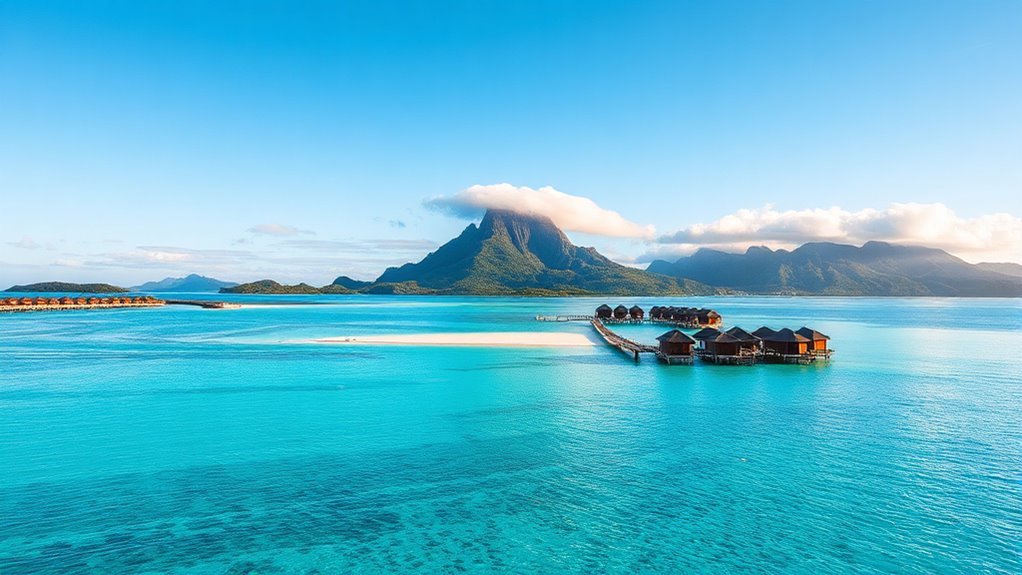
Bora Bora has two main weather seasons: a dry season from May to October and a wet season from November to April. Both are warm enough for swimming and outdoor activities. The biggest differences are rainfall, humidity, and the reliability of your outdoor plans.
Dry Season: May to October
The dry season is the most popular time for a Bora Bora vacation. Rainfall drops, humidity becomes more comfortable, and southeast trade winds help cool the island.
Typical average air temperatures range from about 79–82°F (26–28°C). Daily highs are often warmer, generally around 84–86°F (29–30°C).
These conditions make the season appealing for:
- Snorkeling and scuba diving in Bora Bora’s lagoon.
- Exploring beaches and taking boat excursions.
- Hiking on suitable trails around the volcanic island.
- Relaxing in overwater bungalows with a better chance of sunshine.
- Enjoying outdoor cultural events and sunset cruises.
However, the dry season does not guarantee cloudless skies or flat water. Trade winds can make exposed lagoon areas choppy, particularly during the middle of the season.
Wet Season: November to April
The wet season is warmer, more humid, and generally rainier. Average air temperatures are around 82–84°F (28–29°C), with daytime highs often reaching the upper 80s°F.
Rain may arrive as brief tropical showers or longer periods of heavy weather. You can still enjoy sunny mornings, warm water, and beautiful sunsets, but boat trips may require more flexibility.
The wetter months also bring greener mountains and lush vegetation. They can be attractive if you prefer a quieter resort experience and are comfortable spending more time indoors during bad weather.
December and January are usually among the wettest months. July through September are significantly drier on average.
The Best Months to Visit Bora Bora
May, September, and October are excellent choices if you want to balance weather and crowds. July and August are especially dry but busier. January through March may suit travelers who prioritize accommodation savings over predictable sunshine.
To compare the months accurately, it helps to look at actual climate averages rather than broad descriptions such as “hot” or “rainy.”
Bora Bora Weather by Month
The following figures come from the 1991–2020 climate normals for Bora-Bora–Motu Airport. They show average air temperature and monthly rainfall, not a forecast for an upcoming trip.
| Month | Average Air Temperature | Average Rainfall | Travel Outlook |
|---|---|---|---|
| January | 82.8°F (28.2°C) | 245 mm (9.6 in) | Very wet; holiday demand early in the month |
| February | 82.9°F (28.3°C) | 212 mm (8.3 in) | Humid; potential accommodation deals |
| March | 83.5°F (28.6°C) | 168 mm (6.6 in) | Warm, humid, and generally quieter |
| April | 83.1°F (28.4°C) | 144 mm (5.7 in) | Transition toward drier weather; Easter may increase demand |
| May | 81.9°F (27.7°C) | 112 mm (4.4 in) | Good balance of weather and visitor demand |
| June | 80.4°F (26.9°C) | 86 mm (3.4 in) | Dry weather; increasing summer vacation demand |
| July | 79.7°F (26.5°C) | 62 mm (2.4 in) | Very dry; Heiva celebrations and peak demand |
| August | 79.5°F (26.4°C) | 64 mm (2.5 in) | Very dry; popular with vacationers |
| September | 80.1°F (26.7°C) | 65 mm (2.5 in) | Dry conditions with generally fewer summer vacationers |
| October | 81.0°F (27.2°C) | 109 mm (4.3 in) | Warmer; good late-season travel opportunity |
| November | 82.2°F (27.9°C) | 139 mm (5.5 in) | Wetter season begins; fewer visitors outside holidays |
| December | 82.4°F (28.0°C) | 251 mm (9.9 in) | Very wet; Christmas and New Year increase demand |
What these numbers mean: July receives around 62 mm of rain on average, compared with approximately 245 mm in January. That is a substantial difference, even though individual weeks can be much wetter or drier than normal.
The table uses average air temperatures, not daily highs. You should still expect warm afternoons and strong tropical sunshine in every season.
May and June: Good Weather Before the Busiest Weeks
May marks the start of the drier period. It is a strong choice for couples and families who want comfortable weather without traveling during the busiest part of the Northern Hemisphere summer.
June is drier still, with average rainfall near 86 mm. Trade winds become more noticeable, and travel demand starts increasing as international school holidays approach.
Both months work well for lagoon excursions, snorkeling, and sightseeing.
July and August: Dry Weather and Heiva Celebrations
July and August offer some of Bora Bora’s driest weather. They are excellent months for beach vacations, although resort availability can become limited and prices may rise.
July is also closely associated with Heiva i Bora Bora, the island’s major cultural celebration.
According to the Bora Bora municipality’s official 2026 festival report, the 2026 festivities ran from June 26 to August 2. Traditional song and dance competitions began on July 7 and concluded on July 19.
Events took place around Tuvava’u Square in Vaitape. Visitors could enjoy traditional dance, singing, crafts, sporting events, and va’a outrigger canoe races.
These are the confirmed dates for the 2026 edition, not an announcement of future festival dates.
If cultural activities are central to your vacation, July is especially appealing. If you prefer quieter beaches, consider September instead.
September and October: Sunshine With Fewer Crowds
September is one of the strongest all-around months to visit. Average rainfall remains low, while the rush of July and August vacationers generally starts to ease.
October is warmer and somewhat wetter, but it still falls within the traditional dry season. It can be a good option for travelers who want beach time, lagoon tours, and more flexibility with accommodations.
These months are worth comparing if you want a honeymoon or relaxing island getaway without the peak summer atmosphere.
November: A Transition Toward Wetter Weather
November is the beginning of the wet season, not the final month of the dry season. Rainfall rises, but the island does not suddenly become unsuitable for travel.
You may find attractive accommodation offers and quieter resorts. However, you should allow for changes to outdoor activities and recognize that November falls within the regional cyclone-risk period.
Best Time to Visit for Specific Activities
The best month for your trip also depends on what you plan to do. Snorkeling, scuba diving, kiteboarding, surfing, and wildlife watching all respond differently to changing wind and sea conditions.
You can enjoy many of Bora Bora’s water activities year-round. However, the driest month is not always the month with the calmest water.
Snorkeling and Diving Seasons
May through October is a popular window for snorkeling and scuba diving because rainfall is generally lower. Reduced runoff can help improve underwater visibility, although wind, waves, and currents still affect individual dive sites.
Water temperatures remain warm throughout the year. Divers can explore coral gardens, reef fish, sharks, turtles, and rays in different seasons.
For a clearer comparison, consider these seasonal conditions:
- January–April: Warm water and active marine life. Heavier rainfall may affect visibility on some days.
- May–July: Generally drier weather and many opportunities for clear-water snorkeling. Trade winds can become stronger.
- August–October: Low rainfall and good diving opportunities, although exposed sites may be windy or choppy.
- November–December: Warmer, wetter conditions with fewer visitors outside the holiday period. Diving remains possible when weather allows.
Marine wildlife is not restricted to these calendar windows. For example, the PADI description of the Anau manta-ray dive site says reef manta rays can be found there almost year-round.
Anau is a manta cleaning station on the eastern side of Bora Bora. Its currents and plankton can sometimes reduce visibility, even during favorable weather.
That means the original assumption that manta sightings peak only between August and October should not be treated as a fixed seasonal rule.
For the best experience, choose a licensed local dive operator who can match the day’s conditions to your ability. Beginners should avoid strong currents and exposed reef passes without suitable professional supervision.
Surfing and Kiteboarding Windows
Kiteboarding and windsurfing are usually most appealing during the southeast trade-wind season, roughly May through October. Winds commonly strengthen during the middle of this period.
Motu Piti Aau and exposed parts of the lagoon can experience useful wind conditions. Some kiteboarding descriptions report sessions around 15–25 knots, but those speeds are not a guaranteed daily forecast.
You should also distinguish kiteboarding from surfing. They depend on different conditions.
- Kiteboarding: May–October generally offers more reliable trade winds.
- Windsurfing: The same windy season can provide favorable sessions, depending on local conditions.
- Surfing: Rideable waves depend on swell direction, wind, tides, and reef conditions rather than a fixed monthly schedule.
Bora Bora is primarily a lagoon destination, not a major beginner surfing destination. Its outer reef breaks and passes can have strong currents and shallow coral.
Warning: Do not treat Bora Bora’s outer reef breaks as beginner-friendly surfing spots. Shallow coral, currents, and changing swell conditions can create serious hazards. Use an experienced local guide and stay within your ability.
If wind sports are your main reason for visiting, the middle of the dry season is a sensible starting point. If calm snorkeling is more important, choose sheltered lagoon locations based on the conditions during your stay.
When Can You See Whales Near Bora Bora?
July through November is the broad humpback whale season in French Polynesia. Whale watching may be possible during this period, with sightings depending on migration patterns and ocean conditions.
According to Tahiti Tourisme’s whale-season guidance, humpback whales visit Polynesian waters to mate and give birth.
For visitors interested in whale watching, August through October is a particularly appealing period to consider. It also overlaps with relatively dry weather.
However, whale sightings are never guaranteed. The best viewing locations and the official observation period can vary by island and year.
Choose an authorized operator who follows marine mammal protection rules. Boats must maintain appropriate distances and avoid disturbing whales, especially mothers with calves.
When Bora Bora Gets Crowded: and When It Doesn’t
Bora Bora’s busiest travel periods generally coincide with the dry season and major international holidays. The island may never feel as crowded as a large beach resort city, but popular hotels and organized activities can become heavily booked.
Understanding these demand patterns can help you choose a quieter vacation.
When Are the Busiest Times?
- July–August: Popular with European and North American summer vacationers. Resorts and excursions may book up early.
- June and September: Part of the broader high season, although visitor demand varies between properties.
- Christmas and New Year: Holiday travel can create a separate period of strong demand, despite wetter weather.
- Easter and school holidays: Certain travel dates may experience short-term increases in hotel and flight demand.
- Heiva celebrations: Major cultural events can attract additional visitors and local participants.
These periods matter most if you want a particular overwater bungalow, private excursion, or popular restaurant reservation.
When Is Bora Bora Quieter?
January through March, outside major holidays, is generally quieter because the weather is wetter. November can also be less crowded than peak dry-season months.
May, September, and October offer a different balance. They can provide relatively favorable weather without the highest levels of summer vacation demand.
Do not assume every resort follows the same pattern. Luxury properties may fill for weddings, honeymoons, or special events even when the island is otherwise quiet.
How Bora Bora Prices Change by Season
Bora Bora usually costs more during popular dry-season travel periods. Resort prices and airline fares can rise when demand is high, especially during July, August, and major holidays.
Traveling during the wetter months may save money, but the final price depends heavily on accommodation type, travel dates, included services, and how early you book.
Peak Season Price Spikes
Overwater bungalows often represent the largest part of a Bora Bora vacation budget. Luxury resorts may charge substantially more than guesthouses or standard rooms on the main island.
The original article used examples of $500 per night in the off-season versus $1,500 or more during July and August. It also mentioned private charters costing $800–$1,200 per day and holiday flight increases of 40–60%.
Those figures are not verified live prices. They show the scale of cost differences suggested in the original article, but they should not be used as guaranteed rates or reliable seasonal averages.
Here is how to approach the major expense categories:
| Expense | Seasonal Pattern | What Affects the Final Price |
|---|---|---|
| Overwater bungalows | Generally higher during popular dry-season dates | Resort, room category, cancellation policy, meals, and taxes |
| Private boat charters | Availability can become tighter during busy weeks | Trip duration, boat size, guide, fuel, and included activities |
| Flights | Holiday and peak-travel dates can increase fares | Departure city, seat availability, baggage, and inter-island connections |
For a concrete airfare reference, Air Tahiti’s Bora Bora booking page advertised round-trip fares from 40,246 CFP francs, including 6,246 CFP francs in taxes, when checked in November 2026.
That is an advertised starting fare, not a guaranteed price for every date or itinerary.
Off-Season Budget Opportunities
The best opportunities for lower accommodation costs generally occur during the wetter months, particularly January through March. November may also offer appealing deals outside holiday dates.
The original article suggested discounts of around 30–40%, sometimes reaching 50%. These percentages are not established seasonal averages and require confirmation against actual resort offers.
Instead of assuming a fixed discount, compare the full cost of the same room category across different travel dates.
Budget-friendly alternatives include guesthouses, smaller hotels, and accommodations on Bora Bora’s main island.
Staying on the main island can also make it easier to visit local restaurants and explore beyond your resort.
Pro Tip: Compare the total price of a main-island guesthouse plus paid excursions with an overwater bungalow package. Include boat transfers, meals, and resort charges. The cheaper nightly room rate does not always produce the cheapest complete trip.
For a free activity, consider Matira Beach. Tahiti Tourisme identifies Matira as a public beach with free access.
You can enjoy its white sand, lagoon views, and swimming areas without booking a luxury resort. Guided excursions, rentals, and food remain separate expenses.
Is Bora Bora Worth Visiting in the Off-Season?
Yes, Bora Bora can be worth visiting during the off-season if you accept a greater chance of rain. November through March can offer a quieter atmosphere, warm water, green landscapes, and potentially lower accommodation rates.
The main trade-off is less reliable weather for outdoor activities.
Here are the most useful advantages and disadvantages to consider.
Reasons to Visit During the Wet Season
- Potential hotel savings: Some accommodations offer lower prices when visitor demand decreases.
- Fewer tourists: Popular lagoon excursions and resort facilities may feel less busy outside holiday periods.
- Lush scenery: Regular rainfall keeps the island’s vegetation green.
- Warm water: Swimming, kayaking, and snorkeling remain possible throughout the year.
- A relaxed schedule: Quiet periods may allow more flexibility when arranging selected resort services and excursions.
You can still enjoy coral gardens, lagoon tours, sunset views, and cultural experiences in the wetter months. However, you should not expect every activity to operate regardless of weather.
What Are the Disadvantages?
Heavy showers, thunderstorms, and unsettled seas can interrupt excursions. Some rainy periods last longer than a typical short tropical downpour.
Reduced visibility may affect snorkeling and diving. Strong wind or waves can also make certain boat trips uncomfortable or unsafe.
Travelers with a limited number of vacation days may find these interruptions particularly frustrating.
Special Weather Considerations for 2026–2027
The November 2026–April 2027 wet season deserves extra attention because of a strong El Niño event in the tropical Pacific.
In its October 26, 2026 outlook, Météo-France Polynésie française warned of elevated cyclone risk across several island groups, including the Society Islands, where Bora Bora is located.
The outlook does not predict that a cyclone will strike Bora Bora. It indicates an increased regional risk of named tropical systems during the season.
These forecasts can change. A seasonal outlook describes broad probabilities rather than the weather on a specific vacation date.
Travel insurance that covers eligible weather disruptions, cancellations, and medical emergencies is especially valuable during this period.
For visitors who are uncomfortable with changing plans or significant weather uncertainty, the dry season remains the safer scheduling choice.
What Every Visitor Should Know Before Booking
Before booking Bora Bora, plan your transportation, accommodation, activities, and travel documents together. The island’s location and resort arrangements can create additional expenses that are easy to overlook.
These practical steps can help you avoid common problems.
1. Plan Your Inter-Island Transportation
International travelers generally arrive at Tahiti’s Faa’a International Airport before continuing to Bora Bora by domestic flight.
The flight to Bora Bora takes approximately 50 minutes. It lands at Motu Mute Airport, which sits on a small islet rather than the main island.
Air Tahiti operates a boat shuttle between the airport and Vaitape, Bora Bora’s main village. The crossing takes approximately 15 minutes, and the shuttle is included in the Air Tahiti ticket.
Resorts on separate motus may arrange their own transfers. Confirm whether these are included in your accommodation package.
2. Reserve Popular Accommodations Early
Overwater bungalows with specific views, private pools, or premium locations may sell out well before popular travel dates.
If staying in one of these rooms is your main goal, secure suitable accommodation before committing to expensive international flights.
3. Choose Activities That Fit the Weather
A balanced itinerary should include both lagoon adventures and activities that can be adjusted for rain.
Boat tours, snorkeling, and hiking depend on suitable conditions. Cultural activities, restaurants, spas, and some covered resort facilities provide alternatives when weather changes.
4. Respect Local Culture and Marine Life
French Polynesia has a strong cultural identity. Respectful clothing away from beaches, polite greetings, and consideration for local customs can make your visit more rewarding.
Protect the lagoon by avoiding contact with coral and never chasing or touching marine wildlife.
Use sun protection, including a hat and protective clothing. If you use sunscreen, consider a mineral-based option and avoid leaving waste in the water.
5. Prepare for Tropical Weather and Health Risks
Pack lightweight clothing, swimwear, water shoes, rain protection, and effective insect repellent.
Even during the dry season, tropical showers can develop. A light waterproof layer is useful for boat transfers and outdoor excursions.
Mosquito protection is important because dengue occurs in French Polynesia.
Note: Travelers who are pregnant, immunocompromised, or managing a medical condition should discuss vaccinations and travel precautions with a qualified healthcare professional before departure. Medical evacuation coverage is also worth considering for an isolated island destination.
6. Understand Your Total Vacation Budget
In addition to accommodation, allow for international flights, domestic connections, boat transportation, meals, excursions, and travel insurance.
Review what your booking includes. Breakfast, airport transfers, resort taxes, and cancellation terms may differ between properties.
A carefully planned budget lets you spend more on the experiences that matter most to you.
Frequently Asked Questions
What Currency Is Used in Bora Bora, and Should I Exchange Money Beforehand?
Bora Bora uses the CFP franc (XPF), not the euro. Cards are accepted at many resorts, but carrying some local currency helps with smaller purchases. You can arrange currency exchange or withdraw cash in Tahiti or Bora Bora, so exchanging money before your international flight is not always necessary.
Do I Need a Visa to Visit Bora Bora as an American Citizen?
U.S. citizens generally do not need a visa for tourist visits of up to 90 days. Bring a valid regular passport and proof of onward or return travel. The U.S. State Department advises having at least six months of passport validity beyond arrival. Different requirements can apply to longer stays or work.
What Vaccinations or Health Precautions Are Recommended Before Visiting Bora Bora?
Most direct arrivals do not face a special vaccination requirement, but yellow fever documentation can be required after travel from certain risk countries. Keep routine vaccinations current and ask a travel clinician about hepatitis A and other recommendations. Use mosquito repellent because dengue is present in French Polynesia.
How Far Is Bora Bora From the Main Island of Tahiti?
Air Tahiti lists the Tahiti-to-Bora Bora flight distance as 259 kilometers (about 161 miles), with a typical flight time of 50 minutes. The plane lands on Motu Mute, where travelers continue by boat to Vaitape or their resort. The Air Tahiti airport-to-Vaitape shuttle is included with its ticket.
What Language Do Locals Speak in Bora Bora Besides French?
Besides French, many local residents speak Tahitian, an Indigenous Polynesian language. English is also commonly used in tourism services, especially at major resorts. Learning simple Tahitian expressions such as “ia ora na” for hello and “mauruuru” for thank you is a friendly way to connect with local culture.
Does It Rain Every Day in Bora Bora During the Wet Season?
No, it does not necessarily rain every day during Bora Bora’s wet season. November through April has higher average rainfall, but sunny periods are still common. Some showers pass quickly, while others last for hours. Your experience depends on the weather systems affecting the island during your visit.
Is September a Better Month to Visit Bora Bora Than August?
September can be a better choice if you prefer fewer summer vacationers while keeping the advantages of relatively dry weather. August is also one of the driest months, but it often attracts stronger holiday demand. Both months can experience noticeable trade winds, so neither guarantees completely calm water.
Can You See Humpback Whales in Bora Bora?
Yes, humpback whales visit French Polynesian waters between approximately July and November. August through October is a promising period to consider for whale watching near Bora Bora. However, sightings are not guaranteed, and the official observation season can vary. Choose an authorized operator who follows wildlife protection rules.
Conclusion
The best time to visit Bora Bora is generally May through October, with May, September, and October offering a particularly attractive balance of weather and crowds. July is ideal if you want to experience Heiva celebrations, while the wetter months may offer better accommodation value.
Choose your dates around the activities that matter most, compare the complete cost of your stay, and allow some flexibility for tropical weather. That way, you can enjoy Bora Bora’s beautiful lagoon without relying on perfect conditions every day.
Sources
- Météociel: Bora-Bora–Motu Airport Climate Normals: Monthly air temperature, rainfall, and wind averages for the 1991–2020 reference period.
- Bora Bora Municipality: Heiva i Bora Bora 2026: Verified festival dates, locations, traditional competitions, and cultural activities.
- PADI: Anau Manta-Ray Dive Site: Manta-ray occurrence, diving conditions, currents, and underwater visibility.
- Tahiti Tourisme: Whale Season: Humpback whale migration, seasonal viewing opportunities, and wildlife protection.
- Tahiti Tourisme: Bora Bora Beaches: Public beach information, Matira Beach, and lagoon activities.
- Météo-France Polynésie Française: 2026–2027 Seasonal Outlook: El Niño conditions and elevated regional cyclone risk.
- Air Tahiti: Flights to Bora Bora: Flight duration, distance, published starting airfare, and airport boat transfers.
- U.S. Department of State: French Polynesia Travel Information: Visa exemptions, passport requirements, and entry guidance for American travelers.
- French Polynesia Department of Health: Traveler Recommendations: Vaccination precautions, mosquito protection, and travel-related health risks.
- Institut d’Émission d’Outre-Mer (IEOM): Official information about the CFP franc used in French Polynesia.