Finding the best time to visit Breckenridge depends on what you want from your Colorado mountain vacation. Winter brings skiing and snow, summer offers hiking and festivals, and fall delivers golden aspens and quieter trails. But crowds, weather, and travel costs can change significantly between months. This guide helps you choose the right dates before you book.
Quick Answer
The best time to visit Breckenridge is January through March for skiing, late June through August for hiking and outdoor activities, and mid-to-late September for fall colors. April and October can offer better lodging value and smaller crowds. December is ideal for holiday celebrations, while May and early November suit flexible, budget-conscious travelers.
Also compare: Wells · Kadıköy, İstanbul.
Last checked: November 11, 2026. Dates and figures were verified against official sources.
Key Takeaways
- January and February offer reliable winter skiing, but March and April can also bring substantial snowfall.
- March spring-break weeks, Christmas, New Year’s, and major winter events can attract large crowds.
- June through August brings warmer weather, hiking, mountain biking, and summer festivals.
- Fall foliage typically peaks during the third and fourth weeks of September, depending on weather.
- April, May, and October can provide lodging savings, although some activities and services may be limited.
Best Time to Visit Breckenridge: Seasons, Crowds, Costs, and Weather

Breckenridge offers four different travel experiences throughout the year. Winter and summer attract visitors seeking outdoor adventures, while spring and fall can provide quieter alternatives.
The best season depends on whether you prioritize skiing, warm-weather activities, fall scenery, or affordable accommodations.
The Breckenridge Tourism Office’s climate guide reports typical daytime temperatures of about 28°F in winter, 70°F in summer, and 55°F in fall.
These seasonal averages describe general conditions, not guaranteed temperatures for individual travel dates.
| Season | Typical Weather | Crowds and Costs | Best For |
|---|---|---|---|
| Winter: November–February | Cold and snowy; around 28°F daytime and 15°F nighttime in winter | Busy during holidays and ski weekends; premium rates | Skiing, snowboarding, winter festivals |
| Spring: March–May | Gradually warming, but frequent snow and changing mountain conditions | Busy during spring break; generally quieter later in the season | Spring skiing, sunny slopes, shoulder-season value |
| Summer: June–August | Around 70°F daytime and 50°F nighttime | Popular during July, weekends, and festivals | Hiking, biking, wildflowers, family trips |
| Fall: September–October | Around 55°F daytime and 30°F nighttime | Generally quieter, with busy foliage and festival weekends | Golden aspens, scenic drives, photography |
Weather changes quickly at this elevation. Even summer visitors should carry warm layers, while winter travelers need suitable clothing and footwear for snow and ice.
For a balanced combination of scenery, outdoor activities, and manageable crowds, September is an attractive choice. However, visitors seeking the lowest lodging prices may find better opportunities during quieter spring and fall weeks.
Which Month Is Actually Best for Your Breckenridge Trip?
January through March is generally the strongest window for a ski-focused Breckenridge trip. July and August are better for summer recreation, while September offers colorful mountain scenery.
If your main concern is cost, consider late April, May, or October. The trade-off is that some seasonal attractions may be unavailable.
Breckenridge Month-by-Month Breakdown
Every month has advantages, but snowfall and visitor demand change throughout the year. Historical snowfall averages are especially useful when comparing winter and spring skiing.
The figures below come from NOAA’s 1991–2020 climate normals for the Breckenridge, Colorado station, located at approximately 9,598 feet. These measure snowfall in town, not snowfall on the ski mountain.
| Month | Average Snowfall | What to Expect | Crowd Pattern |
|---|---|---|---|
| January | 27.7 inches | Established ski conditions and winter events | Busy on holidays and weekends |
| February | 27.7 inches | Winter skiing and après-ski activities | Busy around Presidents’ Day |
| March | 27.6 inches | Spring skiing with longer daylight hours | Busy during spring break |
| April | 28.0 inches | Spring skiing and changing terrain access | Often quieter after spring break |
| May | 9.5 inches | Possible late skiing, thawing trails, limited attractions | Generally low |
| June | 0.8 inches | Lower trails opening as snow melts | Increasing toward summer |
| July | 0.0 inches | Hiking, wildflowers, biking, festivals | Busy in summer |
| August | 0.0 inches | Mountain biking, hiking, arts events | Moderate to busy |
| September | 2.2 inches | Golden aspens, scenic drives, fall hiking | Lighter overall; popular foliage weekends |
| October | 13.6 inches | Late fall scenery and possible early snow | Generally low after foliage season |
| November | 23.7 inches | Ski season begins with limited early terrain | Usually lighter before holiday periods |
| December | 23.8 inches | Skiing, holiday lights, winter celebrations | Very busy around Christmas and New Year’s |
These are long-term historical averages, not forecasts. Notice that April averages 28 inches of snowfall in town, slightly more than January or February.
That makes April an attractive ski month despite its warmer weather. However, trail coverage, lift operations, and snow quality depend on current mountain conditions.
Budget-Friendly Timing Tips
The cheapest time to visit Breckenridge is often during its quieter shoulder seasons. April, May, and October are worth considering, especially when your travel dates are flexible.
However, cheaper accommodation does not always mean better overall value. A low hotel price matters less if the activities you want are unavailable.
- April: Look for late-season lodging deals and spring skiing while the resort remains operational.
- May: Explore historic downtown and take advantage of quieter accommodation periods, but expect muddy or snowy trails and some closures.
- Early November: Consider lower pre-holiday lodging rates, although early skiing may offer limited terrain.
- Weekdays: Midweek stays can be more affordable than weekends. The original estimate of 20–30% savings depends on the property and dates.
- September and October: Consider stays outside busy foliage weekends and fall festivals for potentially better rates.
To judge the actual value, compare the total cost of lodging, lift tickets, rentals, transportation, and any paid activities.
Pro Tip: If skiing is your priority, compare dates after spring break but before late-season beginner terrain closes. This can offer a better balance of available runs and lodging value than the final days of the ski season.
Winter in Breckenridge: Ski Season, Snow Conditions, and Crowds
Winter is the best season for visitors who want the full Breckenridge ski experience. December through February offers established ski operations, winter scenery, and lively après-ski activities.
Breckenridge Ski Resort stretches across five peaks, from Peak 6 through Peak 10, with approximately 2,908 skiable acres and 187 named trails. Its terrain accommodates beginners, intermediate skiers, and experienced riders.
Beginners can explore learning areas around Peaks 8 and 9. Intermediate skiers have extensive groomed terrain, while advanced visitors can seek steeper runs and high-alpine bowls.
January and February are excellent choices for winter skiing, although March can provide equally rewarding snow conditions.
The official 2026–27 opening announcement confirms that Breckenridge Ski Resort begins the season on November 11, 2026.
Opening-day access includes the Colorado SuperChair and intermediate terrain on Springmeier at Peak 8. More terrain opens as snowmaking, natural snowfall, and safety conditions allow.
This distinction matters. Booking the first week of ski season does not guarantee access to every peak or beginner run.
Winter Events and Holiday Crowds
Breckenridge hosts winter celebrations that make the town appealing even if you do not ski. They also create busy travel periods, particularly around Christmas, New Year’s, and major festivals.
The official Breckenridge events calendar lists these dates for the 2026–27 winter season:
- December 5, 2026: Lighting of Breckenridge and Race of the Santas on Main Street.
- December 17–19, 2026: Ullr Fest, featuring winter celebrations, a parade, and community activities.
- December 31, 2026: New Year’s Eve celebrations in Breckenridge.
- January 23–February 2, 2027: International Snow Sculpture Championships near the Riverwalk Center.
The 2027 International Snow Sculpture Championships are free to attend. Sculpting takes place January 23–27, followed by public viewing through February 2.
Saturday, January 30, is expected to be especially popular. Viewing on a weekday can provide a quieter experience.
For visitors who enjoy local culture, Ullr Fest is another major attraction. Its parade, community bonfire, and celebrations bring energy to downtown Breckenridge.
What Does Winter Skiing Cost?
Winter skiing usually involves the highest overall vacation costs. Lodging, equipment rental, lift tickets, lessons, dining, and transportation can quickly increase your budget.
The original equipment rental estimate is $50–$80 per day. Actual prices vary by equipment package, rental location, booking date, and available discounts.
Lift tickets also vary by date and purchase method. Buying before arrival may be cheaper than paying the window rate, while advance ski passes can offer better value for several days of skiing.
Beyond skiing, visitors can explore Main Street, enjoy craft breweries, listen to live music, or dine at restaurants such as Hearthstone.
Winter also brings practical challenges. Roads can be icy, storms may affect travel, and the most popular ski weekends can involve lift lines and crowded restaurants.
Best for: Skiers, snowboarders, holiday travelers, winter festival visitors, and people seeking a lively mountain atmosphere.
Spring in Breckenridge: Skiing Into May and Better Travel Value
Spring is an excellent time to visit Breckenridge if you want snow sports with longer daylight hours. March and April can still receive substantial snowfall, even as the weather becomes warmer.
Late March through April can also offer better lodging opportunities than winter holiday periods. However, spring-break weeks remain popular, especially with families.
Spring Lift Ticket Savings
Spring skiing can provide better overall value, particularly when accommodations become less expensive. Lift ticket discounts are less predictable because prices depend on the specific travel date and ticket type.
The original article estimates spring lift ticket savings of 20–40% compared with January and February. This range is not guaranteed and needs a date-specific fare comparison.
For an extended spring stay, consider these options:
- Compare advance-purchase lift tickets against available pass products.
- Look for multi-day skiing options when planning several consecutive mountain days.
- Consider lodging packages that combine accommodation and ski-related benefits.
- Factor in rental equipment and lesson prices before choosing the cheapest ticket.
Breckenridge often keeps skiing available well into May. The official Breckenridge Ski Resort guide says the 2026–27 season is planned to extend into May if conditions permit.
However, late-season mountain operations differ from midwinter. Some lifts and base areas close earlier, and the remaining terrain can be limited to intermediate and advanced skiers.
This makes late spring less suitable for beginners who need dedicated learning terrain.
Fewer Crowds, More Freedom
Late-season skiing can mean shorter lift lines and a more relaxed experience. After major spring-break periods, fewer visitors may compete for popular runs and restaurant tables.
Still, March is not automatically quiet. Spring-break travel can keep ski slopes and lodging properties busy.
Snow conditions also change throughout the day. Cold mornings can produce firm surfaces, while afternoon sunshine may soften groomed runs into spring snow.
For many skiers, the most comfortable conditions arrive after the sun has warmed the snow surface.
Spring events add another reason to visit. Breckenridge has hosted Peaks & Beats concerts, pond-skimming competitions, and outdoor après-ski celebrations during the closing weeks of the season.
These activities provide entertainment beyond skiing, although individual events and dates can change from one year to another.
Is May a Good Month to Visit Breckenridge?
May is better for a quiet getaway than for a traditional summer hiking vacation. Skiing may still be available early in the month, but the transition between winter and summer can limit outdoor activities.
Melting snow creates muddy trails, and some higher-elevation routes remain snow-covered.
Visitors who mainly want restaurants, mountain views, shopping, and a quieter downtown atmosphere may appreciate May. Travelers expecting fully accessible alpine hiking trails should choose a later month.
Best for: Experienced spring skiers, flexible travelers, couples, and visitors seeking quieter lodging periods.
Summer in Breckenridge: Hiking, Festivals, and Mountain Adventures
Summer is the best season for hiking, mountain biking, outdoor festivals, and family adventures in Breckenridge. Late June through August generally provides the most dependable access to warm-weather activities.
Average summer temperatures are around 70°F during the day and 50°F at night, according to the local tourism office.
This cooler mountain climate makes Breckenridge appealing to travelers who want to escape hotter summer destinations.
Best Summer Activities in Breckenridge
Breckenridge offers outdoor activities for beginners, families, and experienced adventurers.
- Hiking: Explore lower forest trails, alpine meadows, and mountain viewpoints as seasonal snow melts.
- Mountain biking: Enjoy trails with different difficulty levels, from easier recreational routes to challenging descents.
- Wildflower viewing: Visit alpine meadows in summer, particularly during July when many wildflowers bloom.
- Wildlife watching: Look for marmots, elk, and birds in suitable habitats, especially during quieter morning hours.
- Scenic drives: Explore routes around Boreas Pass and nearby mountain areas when roads are accessible.
- Family adventures: Enjoy scenic lift rides, seasonal attractions, historic tours, and outdoor recreation.
Lower-elevation trails often become accessible before high-alpine routes. Even in June, snow can remain on shaded trails and higher mountain passes.
July and August generally provide broader hiking access, although thunderstorms and changing mountain conditions remain concerns.
Warning: Afternoon thunderstorms can develop quickly in the Colorado Rockies. Start exposed mountain hikes early, watch for darkening clouds, and leave ridgelines and summits before lightning approaches. Do not shelter beneath isolated trees during a thunderstorm.
Summer Festivals and Special Events
Summer brings Breckenridge’s outdoor festival season, including events focused on art, food, music, cycling, and local culture.
Established events include Breck Pride, Independence Day celebrations, Breck Epic, and the Breckenridge International Festival of Arts.
For example, the 2026 summer calendar included:
- July 2–12, 2026: Breckenridge Wildflower Week.
- July 4, 2026: Independence Day celebrations.
- August 9–14, 2026: Breck Epic mountain bike event.
- August 20–23, 2026: Breckenridge International Festival of Arts.
These are the verified 2026 dates, not confirmed dates for summer 2027.
Some community celebrations and outdoor activities are free, while organized tours, ticketed festivals, equipment rentals, and resort attractions may require payment.
July is particularly popular with families and summer vacationers. Staying outside major festival weekends can provide a quieter experience.
After a day outdoors, Main Street offers restaurants, local cuisine, craft breweries, and relaxing patios.
Best for: Families, hikers, mountain bikers, photographers, outdoor enthusiasts, and travelers who prefer mild daytime temperatures.
Fall in Breckenridge: Golden Aspens, Quiet Trails, and Better Value
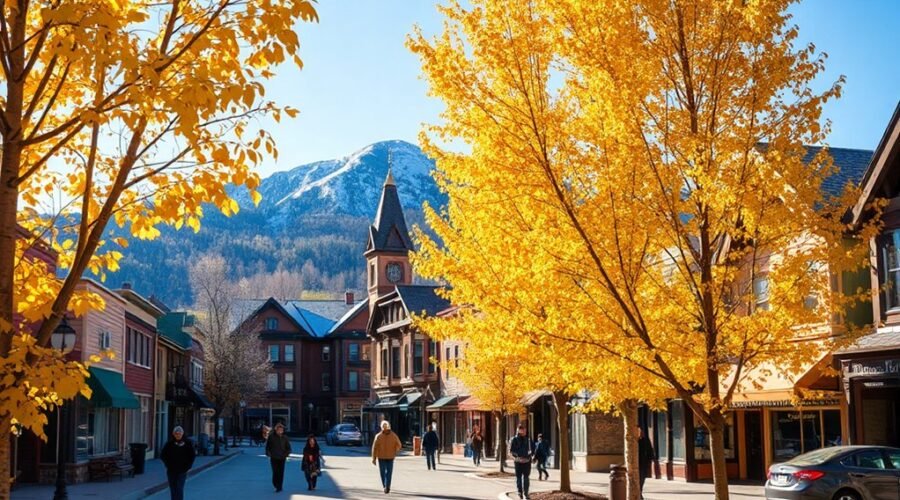
Fall is one of the most scenic times to visit Breckenridge. September brings golden aspen trees, cooler temperatures, and fewer summer vacation crowds.
For the strongest fall foliage experience, target the third and fourth weeks of September. Color timing changes annually, and early snow or strong wind can shorten the viewing season.
The official Breckenridge fall planning guide says leaves often begin changing around mid-September, with peak color usually arriving later that month.
Where to See Fall Colors in Breckenridge
Breckenridge has several accessible places to admire golden aspen trees, whether you prefer hiking, photography, or a scenic drive.
- Boreas Pass Road: A popular route for colorful aspen forests, mountain views, and fall photography.
- Highway 9: Offers mountain scenery and seasonal foliage along the route through the Breckenridge area.
- Historic Main Street: Provides a walkable setting with colorful trees, mountain views, restaurants, and shops.
- Nearby forest trails: Offer opportunities to enjoy autumn colors away from busier downtown areas.
Late September transforms Highway 9 and Boreas Pass Road into breathtaking corridors of peak autumn color.
Peak foliage weekends can still attract substantial visitor traffic. Popular scenic roads, viewpoints, and trailheads may become busy despite the quieter overall season.
October is more unpredictable. Early October may retain some foliage, while later weeks can bring bare trees, colder weather, and significant snowfall.
Fall Festivals, Wildlife, and Accommodation Savings
Fall combines outdoor scenery with seasonal community events. Visitors may enjoy the Breckenridge Film Festival, Oktoberfest, and other cultural celebrations.
For reference, the 2026 Breckenridge Film Festival took place September 17–20, while Oktoberfest ran September 25–27. Future event dates may differ.
Wildlife watching is another attraction. Fall coincides with the elk rut, when elk become more active and vocal during the breeding season.
Observe wildlife from a safe distance, especially during this period. Never approach an elk for a close photograph.
Fall lodging can be less expensive than peak summer accommodations. The original article estimates discounts of 30–40%, although actual savings vary by property, date, and festival demand.
For travelers seeking solitude, October after the main foliage period may offer particularly quiet conditions.
However, seasonal businesses may reduce their hours, and outdoor recreation becomes increasingly dependent on snow and weather conditions.
Best for: Fall foliage photographers, couples, scenic-drive enthusiasts, budget travelers, and visitors who prefer smaller crowds.
Frequently Asked Questions
Can You Ski and Hike on the Same Trip to Breckenridge?
Yes, you can ski and hike during the same Breckenridge trip when seasonal conditions allow. April and early May may offer resort skiing alongside accessible lower-elevation walks. However, high-alpine hiking trails often remain snow-covered during spring. Skiing and snow-free hiking on the same mountain are not guaranteed.
Is Breckenridge Family-Friendly for Young Children Year-Round?
Yes, Breckenridge offers family-friendly activities throughout the year. Winter brings beginner skiing and snow activities, while summer provides easy walks, scenic rides, and outdoor attractions. Fall is suitable for family sightseeing and photography. Young children may need extra time to adjust to the high elevation.
How Far Is Breckenridge From Denver International Airport?
Breckenridge is approximately 104 miles from Denver International Airport by road. The usual route follows Interstate 70 west to Exit 203, then Highway 9 south. Driving commonly takes around two hours without major delays, but winter storms and heavy traffic can make the journey much longer. Airport shuttle services are also available.
Are There Altitude Sickness Concerns Visitors Should Prepare For?
Yes, altitude sickness is possible because Breckenridge sits around 9,600 feet above sea level. Symptoms include headaches, nausea, dizziness, and fatigue. Gradual acclimatization and avoiding strenuous activity immediately after arrival can reduce risk. If symptoms worsen, descend to a lower elevation and seek medical attention when necessary.
What Dining and Nightlife Options Does Breckenridge Offer Visitors?
Breckenridge offers restaurants, craft breweries, cocktail bars, and live entertainment throughout the year. Hearthstone Restaurant serves Rocky Mountain-inspired cuisine in a historic building, while Cecilia’s offers cocktails, music, and dancing. Main Street is a convenient area for exploring dining options, with especially lively evenings during ski season and major events.
For airport directions, the resort provides official transportation and driving information, including the 104-mile distance from Denver International Airport.
Note: Breckenridge’s high elevation can affect visitors of all ages and fitness levels. The CDC’s high-altitude travel guidance recommends gradual acclimatization and recognizing symptoms early. Consult a healthcare professional before traveling if you have relevant heart, lung, or other medical conditions.
Conclusion
The best time to visit Breckenridge depends on your priorities. Choose January through March for skiing, July and August for mountain adventures, or September for golden aspens and scenic drives.
If saving money matters most, consider April, May, or October while allowing for seasonal closures. Match your dates to your preferred activities, compare the full trip cost, and plan around major events to enjoy Breckenridge at its best.
Sources
- Breckenridge Tourism Office: Weather and Climate: Seasonal temperatures, snowfall conditions, and typical outdoor activity periods.
- NOAA National Centers for Environmental Information: Breckenridge station monthly snowfall averages from the 1991–2020 climate normals.
- Vail Resorts: Breckenridge 2026–27 Opening Announcement: November 11, 2026 opening date, early terrain access, and winter operations.
- Breckenridge Tourism Office: Festivals and Events: Seasonal festivals and published event dates.
- International Snow Sculpture Championships: January 23–February 2, 2027 dates, free admission, and event information.
- Breckenridge Ski Resort Guide: Resort statistics, available terrain, and planned skiing into May.
- Breckenridge Fall Planning Guide: Fall foliage timing, seasonal recreation, and autumn travel planning.
- Breckenridge Resort: Getting Here and Parking: Airport driving distance, routes, shuttles, and transportation.
- CDC: Travel to High Altitudes: Altitude sickness symptoms, prevention, and safety guidance.