✈️ Practical travel guides & honest gear reviews — trusted by explorers worldwide
Best Time To Travel

Best Time to Visit Çamlıhemşin, Rize: Weather, Crowds, and Costs

So, when’s the best time to visit Çamlıhemşin, Rize? If you’re looking for that sweet spot balancing good weather, fewer crowds, and decent prices, your best bet is generally late spring (May to early June) or early autumn (late September to October). These periods offer a comfortable experience without the peak season rush or the challenging winter conditions.

Understanding Çamlıhemşin’s Unique Climate

Çamlıhemşin, nestled in the heart of Turkey’s Black Sea region, has a distinct climate primarily shaped by its proximity to the sea and its mountainous terrain. This isn’t your typical Mediterranean sun – think lush greenery, frequent rainfall, and cooler temperatures than inland areas.

The Influence of the Black Sea

The Black Sea acts as a significant moderator for the region’s climate. It brings moisture, leading to higher humidity and more frequent precipitation throughout the year, even in summer. This maritime influence keeps temperatures milder in winter and prevents extreme heat in summer, making it a relatively comfortable destination even during warmer months.

The Role of the Kaçkar Mountains

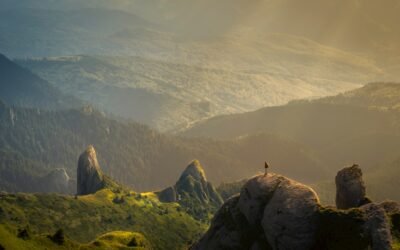
The towering Kaçkar Mountains dramatically impact Çamlıhemşin’s weather patterns. They create a rain shadow effect in some areas but also channel moist air, leading to cloud cover and significant rainfall, particularly on their northern slopes. The elevation also means temperatures steadily decrease as you ascend, and conditions can change rapidly. Expect cooler temperatures in higher altitude villages compared to the valley floor.

Navigating Çamlıhemşin’s Seasons: A Detailed Breakdown

Let’s break down what you can expect throughout the year, so you can pick the timing that suits your travel style.

Summer (July – August): Peak Season Buzz

Summer is undeniably the most popular time to visit Çamlıhemşin. The weather is generally at its warmest, and the region is alive with local and international tourists.

Weather in Summer

Expect average daytime temperatures ranging from 20°C to 28°C (68°F to 82°F) in the valleys, but it can be significantly cooler at higher elevations. While summer is considered the ‘dryer’ season, don’t be fooled – rainfall is still quite common. It often comes in the form of short, heavy showers, which quickly pass, leaving behind clearer skies and refreshed landscapes. Humidity tends to be high, and some days can feel quite muggy. Evenings are generally pleasant, often requiring a light sweater or jacket, especially if you’re staying in higher villages.

Crowds in Summer

This is when Çamlıhemşin is at its busiest. Popular spots like the Zil Kale, Ayder Yaylası, and Fırtına Valley become quite crowded. Accommodations book up quickly, and local restaurants are bustling. If you’re looking for a lively atmosphere and don’t mind sharing the sights, summer can be great. However, if solitude is your goal, you might find the crowds a bit overwhelming, particularly in Ayder.

Costs in Summer

Predictably, costs peak during July and August. Accommodation prices, especially in and around Ayder, are at their highest. Tour operators charge premium rates, and even local transportation might see a slight bump in price due to demand. If you’re traveling on a budget, this might not be the ideal time, as you’ll likely pay more for everything from hotels to meals. Booking well in advance is crucial to secure your preferred options and potentially mitigate some of the higher costs.

Autumn (September – November): Golden Hues and Quieter Trails

Autumn is widely considered one of the best times to visit, offering a delightful blend of pleasant weather and fewer crowds as the summer rush subsides.

Weather in Autumn

September and early October offer particularly lovely weather. Temperatures gradually cool, with averages ranging from 15°C to 23°C (59°F to 73°F). The air becomes crisper, and the humidity drops, making for very comfortable hiking conditions. As autumn progresses into November, temperatures continue to fall, and rainfall becomes more frequent and often heavier. The real highlight of autumn is the spectacular fall foliage – the forests transform into a vibrant canvas of reds, oranges, and yellows, especially in October.

Crowds in Autumn

After mid-September, the crowds thin out considerably. You’ll find popular spots much more manageable, and hiking trails are less frequented. This allows for a more contemplative and immersive experience, particularly if you enjoy photography or simply soaking in nature’s tranquility. Ayder Yaylası, while still popular, will feel much more relaxed than during its summer peak.

Costs in Autumn

Costs begin to decrease from their summer highs. While early September might still see somewhat elevated prices, by late September and October, you can often find better deals on accommodation and tours. November sees even further reductions, though some smaller businesses might start to close for the winter by then. It’s a great time for budget-conscious travelers who still want good weather.

Winter (December – March): A Snow-Covered Wonderland

Winter in Çamlıhemşin is a completely different beast. It’s a season of pristine snowscapes and quiet solitude, but it comes with its own set of challenges.

Weather in Winter

Expect cold temperatures, often dropping below freezing, especially at night and in higher elevations. Average daytime temperatures typically range from 0°C to 8°C (32°F to 46°F), but can be much colder during cold snaps. Snowfall is frequent and often heavy, blanketing the landscape in a thick white layer. Roads can become impassable, particularly to higher villages and yaylas. Fog is also a common occurrence, adding to the mystical feel but reducing visibility.

Crowds in Winter

This is Çamlıhemşin’s quietest season. You’ll encounter very few tourists, beyond perhaps a handful of intrepid adventurers or locals enjoying the winter sports opportunities. Many smaller guesthouses and restaurants in higher altitudes will close down for the season. If you’re seeking absolute solitude and don’t mind the cold and potential travel disruptions, winter offers a unique and breathtaking experience.

Costs in Winter

Costs are generally at their lowest during winter. Accommodation prices are significantly reduced, and you might find some excellent deals. However, it’s worth noting that some activities might not be available, and transportation options can be limited due to road conditions. Budget travelers who are prepared for the cold and potential isolation might find this a very affordable time to visit.

Spring (April – June): Rhododendrons and Rushing Rivers

Spring is a season of renewal, vibrant greenery, and roaring waterfalls, making it another excellent choice for a visit.

Weather in Spring

Early spring (April) can still be quite cool and wet, with temperatures ranging from 10°C to 18°C (50°F to 64°F). As May progresses into early June, temperatures generally climb to a comfortable 15°C to 23°C (59°F to 73°F). Rainfall is still frequent, but showers tend to be lighter and interspersed with periods of sunshine. The melting snow from the mountains feeds the rivers and waterfalls, making them particularly impressive. Late May and early June are especially beautiful, as the region’s famous rhododendrons burst into bloom, painting the hillsides in shades of pink, purple, and white.

Crowds in Spring

Spring sees gradually increasing numbers of visitors, starting from late April. However, even in May and early June, it’s nowhere near as crowded as the peak summer months. You’ll find a good balance of accessibility to popular sites without feeling overwhelmed. It’s a fantastic time for hiking, as the trails are less busy, and the air is fresh.

Costs in Spring

Costs are moderate during spring. They are higher than in winter but generally lower than in peak summer. You can usually find good value for money on accommodation and tours, especially if you book a little in advance. Late spring offers an excellent price-to-experience ratio, allowing you to enjoy the beauty of the region without breaking the bank.

Activities and Considerations Throughout the Year

The best time to visit also depends on what you plan to do in Çamlıhemşin.

Hiking and Trekking

Best Times: Late Spring (May – early June) and Autumn (September – mid-October)

These periods offer the most comfortable temperatures and often clearer skies for extended hikes. Trails are typically well-maintained, and the vibrant colors of blooming rhododendrons in spring or autumn foliage add to the experience. Summer can be good, but humidity and occasional heavy downpours might make some treks less pleasant, and the crowds can detract from the wilderness feel. Winter hiking is reserved for experienced trekkers with proper gear and guides, as many trails are covered in deep snow and avalanche risks are present.

Rafting and Water Sports

Best Times: Late Spring (May – June) and Early Summer (July)

The Fırtına River is renowned for its white-water rafting opportunities. The melting snow in spring leads to higher water levels and more exhilarating rides. So, late spring and early summer are ideal for this. By late summer and autumn, water levels might recede, making some sections less thrilling, though still enjoyable. Winter is generally too cold and water levels too low for commercial rafting.

Photography

Best Times: All Year, with Seasonal Specialties

Honestly, Çamlıhemşin is a photographer’s paradise year-round.

  • Spring: Perfect for capturing waterfalls, vibrant green landscapes, and rhododendron blooms.
  • Summer: Lush green panoramas, often with dramatic cloud formations after a shower.
  • Autumn: Unmatched for fall foliage, golden light, and misty mornings.
  • Winter: Breathtaking snowscapes, frozen waterfalls, and ethereal fog. Each season offers unique visual opportunities.

Exploring Yaylas (Highland Pastures)

Best Times: Summer (July – August) and Early Autumn (September)

Many of the higher yaylas are only accessible and fully operational during the warmer months when the snow has receded. This is when the yayla culture is at its peak, with shepherds bringing their flocks, and the traditional homes (kom) are bustling. By late autumn, many people move back to the valleys, and in winter, most yaylas are completely isolated and snow-bound.

Cultural Experiences and Local Festivals

Best Times: Summer (July – August)

Many local festivals and celebrations, often related to harvest or traditional yayla life, take place during the summer months. If you’re keen to experience local culture and witness traditional dances and music, summer might be a good choice, despite the crowds. This is when the region’s vibrant community spirit is most evident.

Practical Tips for Your Visit

Regardless of when you go, a few practical pointers can make your trip smoother.

Pack Layers, Always

Given the unpredictable nature of Çamlıhemşin’s weather, especially in the mountains, layering is key. Even on a summer day, temperatures can drop quickly, and rain can appear out of nowhere. A waterproof jacket and sturdy, water-resistant hiking shoes are essential for any time of year, even summer.

Book Accommodation in Advance

During peak seasons (summer, national holidays), accommodation, especially in popular spots like Ayder and Çamlıhemşin center, fills up rapidly. Even in shoulder seasons, it’s wise to book ahead to secure your preferred option and potentially better rates.

Be Prepared for Rain

It’s called the “green Black Sea” for a reason – it rains a lot! Embrace it. Pack good waterproof gear, a robust umbrella, and don’t let a bit of moisture deter you. The rain often clears quickly, revealing stunning, refreshed landscapes.

Transportation Can Be Tricky

While some areas are accessible by public transport (minibusses/dolmuşes), exploring the more remote yaylas and sights often requires a private car, hiring a taxi, or joining an organized tour. Roads can be narrow, winding, and sometimes unpaved, especially in higher elevations. In winter, some roads become completely inaccessible.

In summary, for the best balance of pleasant weather, manageable crowds, and reasonable costs, late spring (May-early June) or early autumn (late September-October) are your prime windows to experience the magic of Çamlıhemşin. If you prioritize specific activities like rafting or cultural festivals, a summer visit might be better, while winter is for those seeking a starkly beautiful, solitary adventure.

FAQs

1. What is the best time to visit Çamlıhemşin, Rize in terms of weather?

The best time to visit Çamlıhemşin, Rize is during the summer months of June to August when the weather is warm and pleasant, with temperatures ranging from 20°C to 25°C. This is also the driest time of the year, making it ideal for outdoor activities and sightseeing.

2. When is the peak tourist season in Çamlıhemşin, Rize?

The peak tourist season in Çamlıhemşin, Rize is during the summer months of June to August when the weather is most favorable. During this time, the area experiences the highest influx of tourists, so it is advisable to book accommodations and activities in advance.

3. What is the off-peak season in Çamlıhemşin, Rize?

The off-peak season in Çamlıhemşin, Rize is during the winter months of December to February. During this time, the weather is cold and wet, with temperatures ranging from 5°C to 10°C. While the area may not be as crowded, many outdoor activities and attractions may be limited due to the weather.

4. When is the best time to visit Çamlıhemşin, Rize to avoid crowds?

To avoid crowds, it is best to visit Çamlıhemşin, Rize during the shoulder seasons of spring (March to May) and fall (September to November). During these times, the weather is still pleasant, and there are fewer tourists, allowing for a more peaceful and relaxed experience.

5. How does the cost of visiting Çamlıhemşin, Rize vary throughout the year?

The cost of visiting Çamlıhemşin, Rize can vary throughout the year. During the peak tourist season of summer, prices for accommodations and activities may be higher due to the high demand. On the other hand, during the off-peak season of winter, prices may be lower, but some attractions and activities may be limited.

N
Travel Writer
Nolan Ridgeway is a destination planning writer at Lele Tours. He specializes in helping readers discover the best time to visit cities, states, countries, beaches, national parks, and seasonal attractions. His guides explain how weather, crowds, prices, local events, and seasonal activities can affect a trip. Nolan helps travelers compare different months and choose a suitable time based on their destination, budget, and preferred experiences. He writes about topics such as the best time to visit, the cheapest months to travel, peak and off-season travel, seasonal weather, festivals, and places worth visiting during each part of the year. Nolan’s goal is to help readers choose where to travel and when to go so they can plan more comfortable, enjoyable, and well-prepared trips.

Leave a Comment

Your email address will not be published. Required fields are marked *