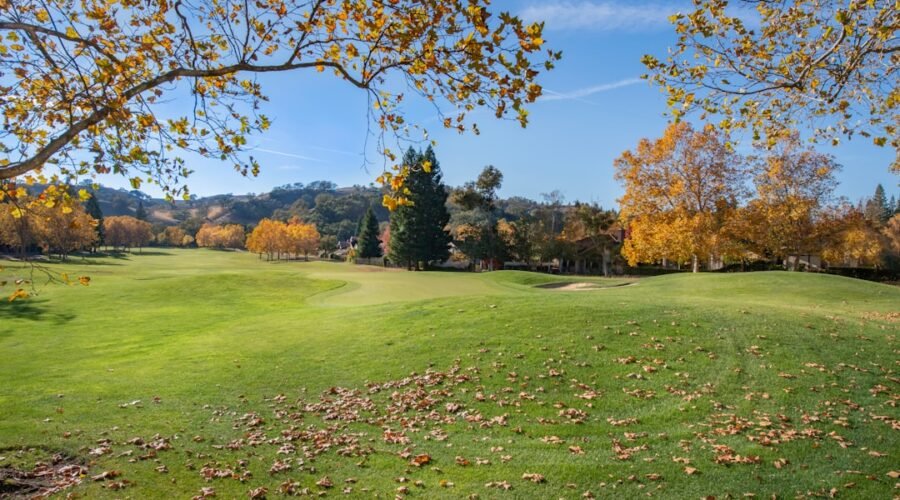
The best time to visit Dinar, Afyonkarahisar, depends on the weather you enjoy, your travel budget, and the places you want to explore. This inland Turkish town has warm, mostly dry summers, cool winters, historic sites, and scenic countryside. Choosing the right month can make sightseeing more comfortable and help you avoid busy holiday periods.
Quick Answer
The best time to visit Dinar is generally April to May or September to October. May and September offer especially good conditions for sightseeing, nature walks, and outdoor dining. July and August are hotter but bring longer daylight and occasional festivals. Winter is quieter, although cold weather can limit outdoor activities.
Last checked: October 23, 2026. Dates and figures were verified against official sources.
Key Takeaways
- May offers green landscapes and comfortable sightseeing weather, although spring rain remains possible.
- September is excellent for travelers who prefer warm days without the strongest summer heat.
- August is useful for festival-focused visits. Dinar hosted its Marsyas Culture, Art and Music Festival on August 12–16, 2026.
- Public holidays can increase domestic travel demand, even when Dinar itself is not especially crowded.
- Winter provides a peaceful atmosphere, but frost, rain, and occasional snow make flexible plans essential.
Best Time to Visit Dinar: Monthly Weather and Climate
Dinar has a climate shaped by its inland location in western Türkiye. Summers are warm to hot and relatively dry, while winters are cooler and wetter. Spring and autumn sit between these extremes, making them appealing for most visitors.
The Turkish State Meteorological Service’s Dinar climate classification describes warm summers and cool winters, with relatively dry conditions during the warmer months.
Average Temperatures by Month
The table below uses official long-term records from the nearby Afyonkarahisar weather station. These are regional reference values, not measurements from Dinar town itself. Dinar can experience different temperatures because of its location and elevation.
The Turkish State Meteorological Service’s official Afyonkarahisar climate statistics provide the following monthly averages from the published long-term observation record.
| Month | Average High | Average Low | Average Rainfall | Travel Conditions |
|---|---|---|---|---|
| January | 4.6°C | -3.4°C | 44.3 mm | Cold; frost and snow possible |
| February | 6.6°C | -2.4°C | 39.0 mm | Cold winter sightseeing |
| March | 11.0°C | 0.1°C | 45.0 mm | Cool and changeable |
| April | 16.5°C | 4.3°C | 45.4 mm | Mild afternoons, cool evenings |
| May | 21.4°C | 8.2°C | 56.0 mm | Comfortable temperatures; spring rain |
| June | 25.7°C | 11.4°C | 42.0 mm | Warm and good for longer outings |
| July | 29.6°C | 13.9°C | 22.4 mm | Hot and relatively dry |
| August | 29.7°C | 13.8°C | 13.6 mm | Hot, dry; possible festival activity |
| September | 25.4°C | 10.0°C | 21.1 mm | Warm and comfortable for sightseeing |
| October | 19.4°C | 5.9°C | 34.6 mm | Cooler days and autumn scenery |
| November | 12.9°C | 1.8°C | 33.3 mm | Chilly and generally quiet |
| December | 6.7°C | -1.2°C | 46.6 mm | Cold days and frosty nights |
These are averages, not daily forecasts. In particular, July and August can bring much hotter individual days, while winter nights can fall well below freezing.
Spring (March to May): Green Landscapes and Mild Weather
Spring is one of the most enjoyable times to explore Dinar. The countryside becomes greener after winter, and temperatures gradually improve. However, early spring can still feel cold, especially in the mornings.
March: March is best for travelers who enjoy quiet streets and cooler weather. Frost remains possible, and rain can interrupt longer walks. Pack a warm jacket even if the afternoon forecast looks pleasant.
April: April brings milder afternoons and more comfortable walking conditions. It is a good month for short town walks, parks, and countryside views. Rain is still possible, and mornings remain cool.
May: May is one of the strongest choices for an overall visit. Warm afternoons make it easier to spend time outside, while green scenery adds to the appeal of local attractions. Spring showers can still occur, so May should not be treated as a completely dry month.
Best for: Nature lovers, photographers, relaxed sightseeing, local markets, and visitors who prefer mild weather.
Summer (June to August): Sunshine, Heat, and Longer Days
Summer brings warmer conditions, long daylight hours, and some of the driest weather of the year. It suits travelers who enjoy sunshine, although outdoor plans need more care during the hottest afternoons.
June: June offers warm days without the typical intensity of midsummer. It is a good time to combine sightseeing with outdoor meals and longer evening walks.
July: July is hot and usually much drier than spring. Clear weather often makes travel planning easier, but heat can become uncomfortable during the middle of the day.
August: August has similarly hot conditions and is worth considering if a local event matches your travel dates. Dinar’s Marsyas Culture, Art and Music Festival took place in August 2026, adding cultural activity to the summer calendar.
During hot spells, temperatures can climb into the high 30s Celsius. These are extreme conditions rather than typical daily averages. Plan exposed walks for early morning or evening, drink enough water, and use shade during the hottest hours.
Best for: Summer festivals, evening social life, travelers who prefer dry weather, and those comfortable with heat.
Autumn (September to November): Comfortable Days and Fewer Visitors
Autumn gradually cools Dinar after summer. September remains warm, October brings crisper weather, and November starts to feel much closer to winter.
September: September is an excellent alternative to May. Warm afternoons and relatively low rainfall make sightseeing comfortable. The countryside may look drier than it does in spring, but outdoor activities are usually easier than during the hottest summer weeks.
October: October brings cooler temperatures and a calmer atmosphere. It is suitable for photography, relaxed walks, and enjoying autumn colors where trees begin to change. Pack layers because evenings can be chilly.
November: November is noticeably colder. Shorter daylight hours and the possibility of rain make it better for a quiet town visit than a packed outdoor itinerary.
Best for: Couples, photographers, quieter sightseeing, and travelers who prefer cool to mild weather.
Winter (December to February): Cold Weather and a Peaceful Atmosphere
Winter is generally Dinar’s quietest travel period. The region can experience freezing nights, frost, and occasional snowfall. Outdoor sightseeing remains possible, but cold weather may affect the amount of time you want to spend outside.
December: Days are short, temperatures drop, and rain or snow may occur. Warm indoor activities and shorter daytime walks are more practical.
January: January is among the coldest months. Frost and icy conditions are possible, especially early in the morning and after sunset.
February: February remains cold, although daytime temperatures begin to rise gradually toward spring. It is suitable for visitors who prefer a slow travel pace and do not mind winter clothing.
Best for: Travelers seeking solitude, winter scenery, quiet tea houses, and flexible sightseeing plans.
When Is Dinar Least Crowded?
Dinar does not receive the same volume of international tourists as Istanbul or Türkiye’s major coastal resorts. Visitor activity is more closely tied to domestic holidays, family travel, weekends, and local events.
There is no verified month-by-month visitor count for Dinar in the sources reviewed. Crowd levels below should therefore be treated as practical expectations rather than official tourism statistics.
Summer Holidays and Festival Dates
July and August may bring more domestic travelers because of school holidays and summer trips. Restaurants, transport services, and popular public areas can feel busier on weekends.
Festival dates are another consideration. During the August 2026 Marsyas Festival, activities were spread across Suçıkan Park facilities and the Dinar Multi-Purpose Fairground. Travelers attending similar events should expect more activity near the venues.
Public Holidays That Can Affect Travel
National and religious holidays can increase domestic travel across Türkiye. This may affect buses, accommodation demand, and road traffic, even when local attractions remain relatively quiet.
For travelers planning a 2027 trip, the Presidency of Religious Affairs’ official calendar confirms these religious holiday periods:
- March 9–11, 2027: Eid al-Fitr (Ramazan Bayramı), following the holiday eve on March 8.
- May 16–19, 2027: Eid al-Adha (Kurban Bayramı), following the holiday eve on May 15.
Other important Turkish holidays include April 23, May 1, May 19, July 15, August 30, and October 29. May 19, 2027, overlaps with the final day of Eid al-Adha.
These dates matter when booking intercity transport and accommodation. Domestic travel may become busier before or after the holiday itself as people return home.
Shoulder Seasons: The Best Balance of Comfort and Space
April, May, September, and October are strong choices if you want a relaxed visit. Dinar’s everyday atmosphere is usually more noticeable than large tourist crowds.
Spring is especially pleasant for green landscapes and leisurely outdoor exploration. Autumn offers similar advantages with less intense sunshine than midsummer.
Winter: A Quiet Local Experience
December through February generally provides the most peaceful setting for visitors who do not mind the cold. November and March can also feel quiet, although their weather is more changeable.
During winter, you are more likely to encounter residents going about their daily routines than groups of international tourists. This makes the season appealing for travelers interested in everyday local life.
How Much Does the Time of Year Affect Travel Costs in Dinar?

Dinar can be a practical destination for travelers seeking a quieter alternative to larger tourist centers. Your final costs will depend on accommodation, transport, meals, trip length, and whether your visit overlaps with a holiday or event.
Unlike destinations with large resort markets, Dinar has limited publicly available seasonal hotel pricing data. No reliable town-wide average room rate was confirmed, so a precise monthly accommodation price comparison would be misleading.
Summer Costs: June to August
Summer travel may cost more when demand increases, particularly during school holidays and local festivals. However, higher seasonal rates should not be assumed for every hotel or guesthouse in Dinar.
Accommodation providers may charge more for popular dates, while last-minute transport arrangements can reduce your choice of convenient departures.
If you plan a festival visit, compare room availability for the event dates with nearby weekdays. Small differences in the travel schedule can sometimes provide better options.
Shoulder Season Costs: April to May and September to October
Spring and autumn often offer a useful balance between comfortable weather and manageable travel spending.
You may find more flexibility in accommodation choices outside major holiday periods. However, the cheapest dates are not always in the shoulder seasons, especially when public holidays overlap with your visit.
For example, Eid al-Adha falls in May in 2027. Travelers visiting around that holiday should allow for the possibility of higher domestic travel demand.
Winter Costs: November to March
Winter may offer opportunities for lower accommodation rates because leisure travel is usually quieter. Some establishments may provide discounts to attract visitors during the colder months.
These savings are not guaranteed. Smaller establishments may keep stable prices throughout the year, and heating or additional transport expenses can affect the total cost.
For budget planning, compare the complete trip cost rather than choosing dates based on room rates alone.
Practical Ways to Keep Spending Under Control
- Choose dates carefully: Avoid major public holidays if low demand is your priority.
- Compare accommodation types: Look at hotels, guesthouses, and other established local lodging options.
- Plan transport with accommodation: A cheaper room farther from your planned stops may not save money overall.
- Use public spaces: Town walks and browsing local markets can provide enjoyable experiences without paid guided activities.
- Allow for meals: Local restaurants, cafés, and tea houses offer ways to enjoy Dinar without building the entire itinerary around expensive attractions.
Best Activities in Dinar by Season
Dinar offers more than seasonal scenery. Its ancient history, springs, local markets, and nearby natural areas provide several reasons to explore the district.
The Afyonkarahisar Provincial Directorate of Culture and Tourism identifies Suçıkan, the ancient city of Apameia, Karakuyu, and several countryside recreation areas among Dinar’s notable places.
Spring: Explore Suçıkan and the Surrounding Countryside
Spring is a rewarding time to enjoy Dinar’s parks and green spaces. Fresh vegetation and mild afternoons make walking and photography especially appealing.
Suçıkan: Suçıkan is one of Dinar’s best-known natural landmarks and is associated with the springs feeding the Büyük Menderes River. The water, greenery, and surrounding landscape make it a well-known local recreation area.
One important consideration is access. In an August 27, 2026, announcement, Dinar Municipality reported ongoing restoration at Suçıkan Park facilities. A confirmed reopening date was not established during this review, so visitors should confirm which sections are accessible before making the park the center of a trip.
Local countryside: April and May are good for relaxed drives, nature photography, and walking through suitable public areas around the district. The landscape is often greener than in late summer.
Markets: Spring is also a pleasant time to browse fresh produce and observe local shopping traditions. Seasonal fruits and vegetables vary according to growing conditions.
Summer: Discover Historical Sites and Enjoy the Evenings
Summer’s long days allow more time for exploring, although the strongest heat should shape your plans.
Ancient Apameia: Dinar stands near the remains of ancient Apameia, also associated with the earlier settlement of Kelainai. Its archaeological heritage includes the remains of a theater and other ancient structures.
History enthusiasts can learn about the area’s long past and the Marsyas mythology connected with the region. Excavation areas may have restrictions, so visitors should use permitted access points.
Evening dining: After sunset, the cooler air can make local cafés and restaurants more comfortable. Outdoor seating, when available, provides a relaxed way to experience the town.
Water features: Dinar is inland, not a beach destination. Its springs and waterways are better known for scenery and recreation than coastal-style swimming holidays. Do not assume that every water feature is suitable or permitted for swimming.
Autumn: Karakuyu Lake and Nature Photography
Autumn is excellent for visitors who enjoy slower outdoor activities. September offers warmth, while October brings cooler days and seasonal color.
Karakuyu Lake: This natural area near Dinar is known for its wetland habitats and birdwatching potential. The official Afyonkarahisar birdwatching guide identifies Karakuyu Lake as one of the province’s suitable locations for bird observation.
Autumn can be a rewarding period for observing bird activity, although sightings depend on weather, migration patterns, and local conditions. Keep a respectful distance from wildlife and avoid entering sensitive wetland habitats.
Photography: Cooler light, changing vegetation, and clear autumn days can create attractive conditions for photographing the countryside.
Harvest season: Farming remains part of the district’s rural character. Depending on the crops and local agricultural calendar, visitors may observe harvesting and seasonal produce at markets.
Winter: Local Culture and Quiet Landscapes
Winter activities are more limited outdoors, but the quieter atmosphere can be a major attraction in itself.
Tea houses and cafés: Spending time indoors with Turkish tea offers a simple way to enjoy local social life while staying warm.
Winter landscapes: Frost and occasional snow can change the appearance of the countryside. Cold-weather photography may be rewarding if roads and walking conditions are safe.
Short historical visits: Winter can still work for exploring the town and learning about its history. Focus on shorter outings with warm indoor breaks rather than spending an entire day outdoors.
What Should You Pack for Each Season?
Packing for Dinar is mostly about managing temperature changes between daytime and evening. Even pleasant spring and autumn afternoons can be followed by chilly nights.
The table below summarizes the main seasonal trade-offs. Crowd and cost levels are general expectations rather than measured local tourism figures.
| Month | Weather | Crowds | Costs |
|---|---|---|---|
| April – May | Mild days, cool nights, spring showers | Usually low to moderate; holidays may be busier | Potentially good value outside holidays |
| June – August | Warm to hot, relatively dry | Potentially busier on weekends and festival dates | Rates may rise on popular dates |
| September – October | Warm to cool, generally comfortable | Usually low to moderate | Often a useful balance of choice and value |
| November – March | Cool to cold; frost and occasional snow | Generally quiet | Possible discounts, but fewer seasonal options |
Spring Packing: April and May
Bring light and warm layers so you can adjust to changing temperatures during the day.
- Clothing: Comfortable trousers, shirts, a sweater, and a light to medium-weight jacket.
- Rain protection: A compact umbrella or waterproof outer layer.
- Footwear: Comfortable walking shoes that can handle damp ground.
- Travel planning: Book earlier if your dates overlap with national or religious holidays.
Summer Packing: June to August
Summer packing should focus on staying comfortable in hot, sunny conditions.
- Clothing: Lightweight, breathable cotton or linen garments.
- Sun protection: Sunscreen, sunglasses, and a wide-brimmed hat.
- Hydration: A reusable water bottle for walks and countryside trips.
- Travel planning: Arrange longer outdoor activities around the cooler parts of the day.
Autumn Packing: September and October
Autumn usually calls for flexible clothing, especially if you plan to spend evenings outdoors.
- Clothing: Long trousers, comfortable shirts, sweaters, and a medium-weight jacket.
- Footwear: Walking shoes with good grip; water-resistant options may be useful.
- Extra layers: Something warm for early mornings and late evenings.
- Travel planning: Allow enough daylight for countryside sightseeing as the days become shorter.
Winter Packing: November to March
Winter visitors should prepare for cold mornings and possible freezing conditions.
- Clothing: Thermal layers, a warm coat, gloves, scarf, and hat.
- Footwear: Insulated, water-resistant shoes or boots with good traction.
- Weather protection: Warm socks and suitable outerwear for rain or snow.
- Travel planning: Allow flexibility for poor road conditions and shortened outdoor visits.
Getting to Dinar and Planning Local Transport
Dinar is a useful stopping point for travelers exploring western and southwestern Türkiye. It sits on important routes between Afyonkarahisar, Denizli, and destinations farther south.
The official provincial tourism directory places Dinar approximately 106 km from Afyonkarahisar city. This makes it possible to combine Dinar with a wider regional trip.
The Dinar Municipality transportation information describes the district as a road and railway junction connecting several parts of the region.
Traveling by Road
Road travel is useful if you want to explore attractions beyond the center of town. A car can provide more flexibility for countryside stops and visits to natural areas.
Intercity buses and other road transport options may also be practical, depending on your starting city and departure date. Service availability can vary by route and season.
Rail Travel and Local Connections
Dinar has a railway history and connections to the wider regional network. However, the existence of railway infrastructure does not guarantee that every passenger service currently stops in town.
Confirm operating passenger routes and connections before relying on rail travel. If you plan to reach countryside attractions without a car, arrange the final part of the journey separately.
Accommodation and Booking
Dinar has hotels and other local lodging options, although the selection is smaller than in major Turkish tourist destinations.
When choosing accommodation, consider:
- How close it is to the town center and the places you want to visit.
- Whether convenient transport is available from your arrival point.
- Heating or cooling, depending on the season.
- Parking availability if you are driving.
- Cancellation terms if your plans depend on weather.
For most short visits, a central location with convenient dining and transport access is a practical choice.
Local Festivals and Cultural Experiences Worth Planning Around
Local celebrations can make a visit to Dinar more memorable. Unlike larger destinations with extensive year-round event schedules, Dinar’s cultural calendar is more closely tied to community events, municipal activities, and seasonal celebrations.
Marsyas Culture, Art and Music Festival
The Marsyas Festival is a confirmed example of Dinar’s local cultural activities. Its name reflects the region’s historical connection to the mythological musician Marsyas.
According to the Dinar Municipality’s 2026 festival announcement, the event was scheduled for August 12–16, 2026.
The published program included:
- August 12, 2026: Marsyas Musiki Culture Association concert at Suçıkan Park facilities.
- August 13, 2026: Children’s activities at Suçıkan Park facilities.
- August 14, 2026: Ayna concert at the Dinar Multi-Purpose Fairground.
- August 15, 2026: Mustafa Yıldızdoğan concert at the fairground.
- August 16, 2026: Uğur Önür concert at the fairground.
These dates describe the 2026 edition, not a confirmed schedule for future years. A later edition may use different dates, venues, or activities.
Spring Community Life and Markets
Spring is a pleasant time to experience Dinar’s everyday culture. As temperatures rise, local shopping areas and outdoor gathering places become more comfortable.
Visitors interested in food and regional traditions can browse markets for seasonal produce and enjoy meals at local restaurants.
Smaller community events and religious observances may also take place throughout the season. Their timing varies and should not be treated as a fixed annual festival schedule.
Summer Evenings and Community Gatherings
Summer often provides the best conditions for outdoor evening gatherings. Cafés and restaurants may be livelier after the day’s heat has eased.
Depending on the local calendar, residents and visitors may also find concerts, fairs, or community celebrations. These events can provide a closer look at local music and traditions than larger tourist attractions.
Autumn Harvest and Rural Traditions
Autumn brings a slower pace to many agricultural communities. Local markets may reflect seasonal harvesting, with produce changing as the weather cools.
For visitors interested in rural life, this period offers opportunities to observe everyday agricultural activity from public areas and enjoy a quieter local atmosphere.
Winter Social Life
Winter in Dinar is less about large outdoor gatherings and more about everyday social routines. Tea houses, cafés, and restaurants provide warm places to relax.
If you enjoy slower travel, winter offers the chance to spend more time observing local customs without planning every hour around major attractions.
Frequently Asked Questions
What is the best time to visit Dinar, Afyonkarahisar, for good weather?
April to May and September to October offer the best overall weather for visiting Dinar. May is especially good for green scenery and mild sightseeing, while September brings warm days with less intense heat than midsummer. Both are suitable for outdoor activities.
When is the busiest tourist season in Dinar?
July and August are potentially busier because of Turkish summer holidays, while local festivals and national holidays can also increase visitor activity. However, Dinar is generally less tourist-focused than major coastal destinations, and verified monthly visitor numbers are unavailable.
What is the quietest time to visit Dinar?
December through February is generally the quietest period for leisure visits. Cold weather discourages longer outdoor trips, making winter appealing if you prefer solitude. November and March can also be quiet, although weather conditions vary.
Is Dinar cheaper to visit in winter?
Winter may offer lower accommodation rates because leisure travel demand is often softer. However, verified Dinar-wide hotel price averages are not available, and discounts are not guaranteed. Total costs also depend on transport, heating, and your chosen accommodation.
Are there any festivals worth visiting in Dinar?
The Marsyas Culture, Art and Music Festival is a confirmed cultural event in Dinar. Its 2026 edition was scheduled for August 12–16 and included music performances and children’s activities. Future festival dates may differ from the 2026 program.
Does it snow in Dinar during winter?
Snow is possible in Dinar during winter, particularly from December through February. Freezing nights and frost can also occur. Snowfall varies from year to year, so travelers should prepare for winter conditions without assuming that snow will always be present.
What are the best places to visit in Dinar?
Suçıkan, ancient Apameia, and nearby Karakuyu Lake are among Dinar’s notable attractions. Spring and autumn are especially comfortable for exploring them. Suçıkan Park facilities were undergoing restoration in August 2026, so access should be confirmed before visiting.
Sources
- Turkish State Meteorological Service – Afyonkarahisar Climate Statistics: Official monthly average temperatures, rainfall, and recorded temperature extremes used as regional reference data.
- Turkish State Meteorological Service – Dinar Climate Classification: Local climate characteristics and seasonal classification.
- Afyonkarahisar Provincial Directorate of Culture and Tourism – Dinar: Official destination information, local heritage, natural attractions, and regional location.
- Afyonkarahisar Provincial Directorate of Culture and Tourism – Birdwatching Areas: Identification of Karakuyu Lake as a birdwatching destination.
- Dinar Municipality – Marsyas Culture, Art and Music Festival 2026: Confirmed August 12–16 festival dates, venues, and scheduled performances.
- Dinar Municipality – Suçıkan Park Facilities Announcement: August 27, 2026, confirmation of ongoing restoration work.
- Presidency of Religious Affairs – 2027 Religious Calendar: Official dates for Eid al-Fitr and Eid al-Adha.
- Dinar Municipality – Transportation: Regional road and railway connections.