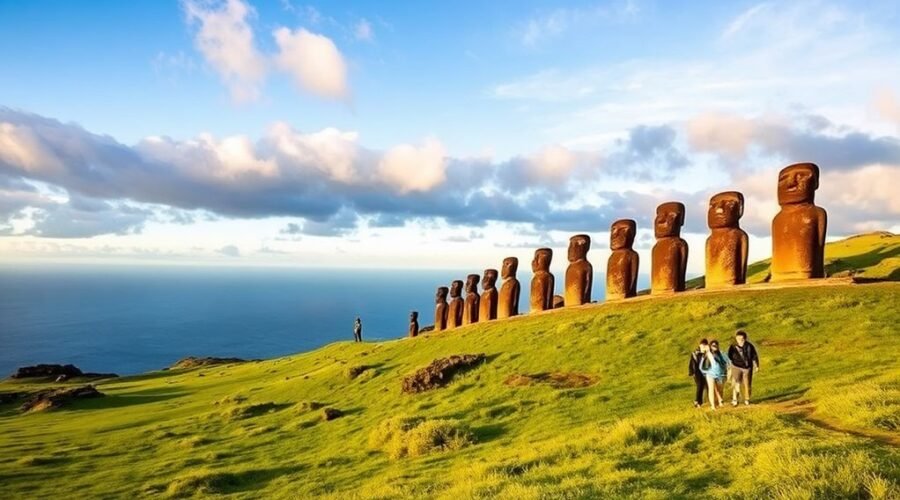
Choosing the best time to visit Easter Island can make a big difference to your trip. This remote Pacific island, also called Rapa Nui, has warm summers, cooler winters, year-round rainfall, and a busy cultural festival season. Whether you want quiet moai sites, comfortable hiking weather, or the excitement of Tapati, knowing what each month offers will help you plan.
Quick Answer
The best time to visit Easter Island for most travelers is March or October through November, when temperatures are comfortable and crowds are often smaller. Visit from December through February for warmer beach weather, or January 30–February 12, 2027, for Tapati Rapa Nui. June through August suits travelers who prefer cooler weather and a quieter atmosphere.
Also compare: Avanos, Nevşehir.
Last checked: November 15, 2026. Key dates and climate figures were verified against official sources.
Key Takeaways
- February is the warmest month, with an average daytime high of 27.5°C (81.5°F).
- April has the highest average rainfall, at 123 mm (4.8 inches), based on the 1991–2020 climate normals.
- January and February attract festival visitors and summer vacationers, making early booking especially important.
- April and May can offer fewer crowds, but they are not the driest months.
- You need a national park ticket and an accredited guide to visit protected archaeological sites.
Easter Island’s Climate: Temperature, Rainfall, and Wind by Month
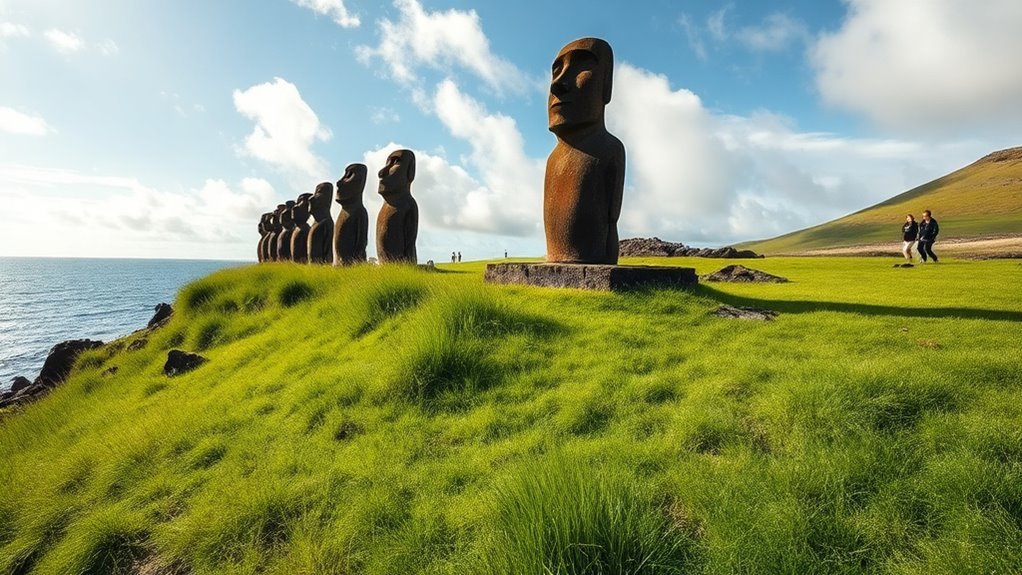
Easter Island has a humid subtropical climate, with mild temperatures throughout the year. Summer is generally warmer and sunnier, while winter brings cooler conditions and fewer daylight hours. Rain can fall in any month, so there is no completely dry season.
The official Chilean Meteorological Directorate’s Mataveri Airport climate records provide the most useful long-term averages for planning. The figures below use the 1991–2020 climate normals.
Average Temperature and Rainfall by Month
| Month | Avg. High | Avg. Low | Rainfall |
|---|---|---|---|
| January | 26.9°C | 20.0°C | 81.3 mm |
| February | 27.5°C | 20.6°C | 69.3 mm |
| March | 26.9°C | 20.2°C | 86.9 mm |
| April | 25.5°C | 19.4°C | 123.0 mm |
| May | 23.4°C | 17.7°C | 116.9 mm |
| June | 21.9°C | 16.7°C | 109.2 mm |
| July | 21.2°C | 15.9°C | 113.1 mm |
| August | 21.2°C | 15.7°C | 97.1 mm |
| September | 21.6°C | 15.7°C | 97.3 mm |
| October | 22.5°C | 16.2°C | 90.9 mm |
| November | 23.8°C | 17.5°C | 75.2 mm |
| December | 25.5°C | 18.7°C | 69.6 mm |
Source: Dirección Meteorológica de Chile, Mataveri Airport station (270001), 1991–2020 climate normals. Temperatures are monthly average daily highs and lows, not record extremes.
The annual average temperature is 20.9°C (69.6°F), and average annual rainfall totals 1,129.8 mm (44.5 inches). February is the warmest month, while July and August have the coolest daytime highs.
April is the wettest month on average, followed by May and July. December and February have the lowest average rainfall, although short showers remain possible.
Wind is another constant. The island’s exposed coastlines and volcanic slopes can feel much cooler during strong gusts. Rano Kau and other elevated locations are particularly exposed.
Rainfall averages also describe total precipitation, not the number of rainy days. A month with higher rainfall can still offer bright mornings and clear periods between showers.
The Best Time to Visit Easter Island
For the strongest balance of weather and manageable crowds, March, October, and November are good choices. You can explore archaeological sites without the full summer rush while enjoying comfortable temperatures.
However, your ideal month depends on what you want to experience. Summer offers warmer ocean conditions, while the island’s most important cultural festival takes place in late January and February.
Easter Island Seasons at a Glance
| Season | Weather | Crowds | Best For |
|---|---|---|---|
| Summer: December–February | Warmest, sunnier, relatively less rain | High, especially January–February | Beaches, snorkeling, Tapati festival |
| Autumn: March–May | Warm in March, cooler and wetter by May | Usually moderate; Easter can be busy | Photography, walking, fewer crowds |
| Winter: June–August | Cooler, windy, with regular rain | Generally lower | Quiet sightseeing and flexible budgets |
| Spring: September–November | Gradually warmer, with rainfall easing toward November | Moderate; holiday surges possible | Hiking, photography, relaxed exploration |
If you want to visit the main moai sites, including Ahu Tongariki, Rano Raraku, and Orongo, every season is possible. The main difference is how much rain, wind, heat, and crowd activity you are comfortable with.
For ocean activities, December through March is generally more appealing. For longer walks and cycling, October, November, and March offer a useful balance between warmth and comfort.
If cultural immersion is your priority, plan around Tapati Rapa Nui rather than choosing a month based only on climate averages.
What’s Easter Island Like in Summer?
Summer on Easter Island runs from December through February. It is the warmest part of the year and a popular period for beach trips, outdoor activities, and cultural experiences.
Daytime highs average 25.5°C (77.9°F) in December, rising to 27.5°C (81.5°F) in February. Warm afternoons make swimming and snorkeling appealing, particularly when ocean conditions are calm.
At Anakena Beach, you can relax on the sand, swim, or enjoy the surrounding coastal scenery. Diving and surfing are also available through local operators, although suitable conditions depend on daily waves, currents, and wind.
Summer is also a strong season for exploring volcanic landscapes. Long daylight hours give you more time for sightseeing, but you should plan exposed walks around the stronger midday sun.
The season’s biggest cultural attraction is Tapati Rapa Nui. The 2027 festival runs from January 30 through February 12, bringing traditional competitions, music, dance, and community celebrations to the island.
Expect higher demand for flights, hotels, guesthouses, and rental vehicles during this period. January and February are also popular vacation months in Chile.
Summer is best if you value warm weather and lively cultural experiences more than low prices or quiet surroundings. However, even the sunniest months can bring sudden showers.
Why Shoulder Season Is the Sweet Spot for Most Travelers
Easter Island’s shoulder seasons offer a welcome alternative to the busy summer months. March through May and September through November can provide more flexibility with sightseeing, accommodation, and local transportation.
These months are not identical, though. March is warmer, April and May are wetter, and October and November gradually become more comfortable for outdoor exploration.
Fewer Crowds, More Space
One of the biggest advantages of shoulder-season travel is the chance to explore Rapa Nui at a slower pace. Outside festival and holiday periods, popular viewpoints and archaeological sites may feel less crowded.
You can spend more time appreciating Ahu Tongariki’s 15 restored moai, observing the volcanic landscape, or listening to your guide explain how the island’s ceremonial sites connect to Rapa Nui history.
Rano Raraku is another highlight. This volcanic quarry contains numerous moai in different stages of carving, offering a close look at the work behind the island’s famous statues.
Smaller visitor groups can also make conversations with local guides more personal. You may have more opportunities to ask about island history, traditional customs, and the challenges of protecting archaeological sites.
However, shoulder season does not guarantee an empty island. Chilean public holidays and school vacation periods can create temporary increases in demand.
Budget-Friendly Travel Rates
Shoulder season can be a smart choice if you want to control travel costs. Hotels and guesthouses may offer more competitive rates outside the busiest summer dates, especially when demand is lower.
Start by comparing accommodation in Hanga Roa, the island’s main town. Staying near restaurants, shops, and tour meeting points may reduce some local transportation expenses.
You can also save money by eating at small local restaurants, comparing guided-tour options, and choosing accommodation with kitchen facilities.
Flights are another major expense. Since Easter Island has limited air connections, airfare can change substantially with availability. Flexible travel dates may help you find a better fare.
Do not assume that every winter or shoulder-season date will be cheaper. Compare the full cost of flights, accommodation, tours, and transportation before deciding.
Mild and Comfortable Weather
Shoulder-season weather is generally comfortable for sightseeing, although conditions vary noticeably between months. March remains warm, while October and November bring rising temperatures after winter.
April and May are pleasant for walking when the weather cooperates, but they also have some of the highest average rainfall totals of the year.
If you’re planning hikes around Rano Kau, coastal viewpoints, or volcanic trails, allow flexibility for wet or windy conditions.
Spring brings additional interest for nature lovers. Vegetation may appear greener after rainfall, and seasonal seabird activity can add interest to coastal landscapes.
For photography, March and October through November are especially appealing choices. Comfortable temperatures make it easier to spend time outdoors, while changing cloud cover can create dramatic light across the island’s hills and coastline.
Shoulder season works best when you want to explore at your own pace rather than organize every day around a major festival.
When Does Easter Island Get the Most Tourists?
Easter Island is generally busiest during the Southern Hemisphere summer, especially January and February. Warm weather, Chilean school holidays, and the Tapati festival all contribute to higher demand.
Other busy periods can occur around Easter and national holidays. These shorter surges matter because the island has limited flights and accommodation capacity.
Peak Season Months
January and February are the main peak-season months for travelers seeking warm weather and cultural activities. These months are also among the most appealing for swimming, snorkeling, and outdoor sightseeing.
During the Tapati festival, visitors gather for competitions and performances celebrating Rapa Nui heritage. Hanga Roa becomes especially active as community events attract residents and travelers.
Popular restaurants may be busier, and accommodation choices can narrow as festival dates approach.
December can also be busy because of Christmas, New Year’s travel, and the start of the summer vacation period.
If your dates fall in January or February, booking several months ahead gives you a better chance of finding suitable accommodation and arranging tours.
Holiday Crowd Surges
Public holidays can affect travel demand outside the main summer season. For 2027, the dates most worth considering include Easter weekend and Chile’s September national celebrations.
The 2027 Chilean public holiday calendar identifies these important periods:
- March 26–28, 2027: Good Friday, Holy Saturday, and Easter Sunday weekend.
- September 17–19, 2027: The Fiestas Patrias holiday period, including Chilean Independence Day.
- October 11, 2027: Encuentro de Dos Mundos, creating another potential long-weekend travel period.
These dates do not guarantee a major crowd surge on Rapa Nui, but they can increase demand for domestic flights and accommodation.
Easter weekend may also bring religious observances. Despite the island’s English name, Easter itself is not its main annual cultural festival.
For popular holiday periods, aim to arrange flights and accommodation at least two months in advance. Festival visits may require considerably more preparation.
Popular Festival Periods
Tapati Rapa Nui is the island’s most important annual cultural celebration. It usually takes place around the first half of February, although the 2027 edition begins in late January.
During the festival, local families and community groups participate in traditional competitions, art displays, music, and dance.
Many activities are open to visitors, making this an excellent opportunity to experience living Rapa Nui culture rather than focusing only on archaeological remains.
The trade-off is higher demand. Visitors should arrange accommodation and flights well ahead of the festival and expect a livelier atmosphere throughout Hanga Roa.
If you prefer quiet sightseeing, visiting before or after the festival is usually a better choice.
Easter Island Festivals Worth Planning Your Trip Around
Tapati Rapa Nui is the main festival worth planning an entire Easter Island trip around. It celebrates the island’s living Polynesian heritage through cultural performances, traditional sports, art, and community participation.
The Rapa Nui Municipal Corporation of Art and Culture confirmed that the 2027 festival will take place from January 30 through February 12.
What Happens During Tapati Rapa Nui?
The festival includes activities that highlight skills, stories, and customs passed down through generations.
- Haka Pei: A traditional competition involving participants descending a steep hillside on banana-tree trunks.
- Takona: Body painting that uses traditional designs and cultural storytelling.
- Vaka Ama: Polynesian canoe competitions that celebrate maritime traditions.
- Traditional music and dance: Performances celebrating Rapa Nui language, identity, and community history.
- Arts and crafts: Displays of local craftsmanship, carving, and creative traditions.
- Food and community activities: Opportunities to appreciate local cuisine and the island’s cultural heritage.
The festival’s importance goes beyond entertainment. It helps preserve cultural knowledge while giving younger generations opportunities to participate in ancestral traditions.
Is Tapati Rapa Nui Free?
Many Tapati events are free for spectators. Chile’s official tourism board confirms that most festival activities are open to the public.
The Chile Travel festival guide highlights public competitions and performances, including activities at Hanga Vare Vare in Hanga Roa.
However, visiting protected archaeological locations still requires following the national park’s ticket and guide rules. Special organized activities or private tours may also involve separate costs.
For a February festival trip, booking accommodation around six months ahead is a sensible goal. Confirm your travel arrangements before purchasing nonrefundable services.
Respect participants and community traditions while attending. These celebrations are part of an active living culture, not simply performances created for tourists.
How Much Does Easter Island Cost by Season?
Easter Island can be expensive because of its remote location, limited flights, and relatively small accommodation market. Your travel dates can affect airfare and lodging costs, but the difference depends on demand and availability.
Summer is often the most expensive period, particularly during January and February. Shoulder and winter months may offer better value when accommodation demand is lower.
How Seasonal Costs Compare
| Travel Period | Typical Price Pressure | Main Consideration |
|---|---|---|
| January–February | Higher | Summer demand and Tapati festival |
| March–May | Often more competitive | Lower demand, except holiday periods |
| June–August | Potentially lower | Cooler weather and variable flight demand |
| September–November | Often moderate | Improving weather, with possible holiday surges |
| December | Can increase toward year-end | Summer vacations and holiday travel |
Peak-season accommodation can rise by 30–50% compared with quieter periods, depending on the property and dates. This is a planning estimate rather than a verified island-wide pricing average.
For daily expenses, an allowance of $150–$250 per person beyond accommodation provides a starting point for travelers planning paid tours, transport, and restaurant meals. Actual spending can fall below or exceed that range, especially when sharing services or choosing private excursions.
What Should Your Budget Include?
Before booking, account for these expenses separately:
- Flights: Round-trip airfare between Santiago and Easter Island, plus any international travel needed to reach Chile.
- Accommodation: Hotels, guesthouses, hostels, or apartments registered with SERNATUR.
- National park admission: The required ticket for protected archaeological sites.
- Accredited guides: Guided visits to national park attractions and any private tour upgrades.
- Transportation: Rental cars, bicycles, taxis, or organized transfers.
- Food: Restaurant meals, groceries, snacks, and drinks.
- Activities: Diving, horseback riding, surfing lessons, or other paid experiences.
National park admission and guiding services are separate expenses. A cheaper accommodation rate will not remove those costs.
Some experiences are free, including walking around public areas of Hanga Roa and spending time at Anakena Beach. Many public Tapati festival activities are also free to watch.
For travelers who want to spend less, choosing fewer private excursions and joining small-group tours may help control costs without missing the main cultural highlights.
Pro Tip: Compare total trip prices rather than hotel rates alone. A cheaper room far from Hanga Roa may cost more overall if you need frequent transportation. Also compare guided tours that cover several archaeological sites in one outing.
How Easter Island’s Weather Should Shape What You Bring
Packing for Easter Island requires preparing for sun, wind, and unexpected rain. Even during summer, weather can change quickly across the island’s coastal cliffs, volcanic slopes, and open grasslands.
The most practical approach is to bring lightweight clothing that you can layer throughout the day.
Essential Packing Checklist
- Lightweight clothing: Breathable shirts, shorts, and trousers for warm afternoons and sightseeing.
- Rain jacket: A compact waterproof layer for sudden showers throughout the year.
- Windproof outer layer: Useful around exposed volcanic craters and coastal viewpoints.
- Comfortable walking shoes: Choose sturdy footwear with good traction for uneven volcanic terrain.
- Sun protection: High-SPF sunscreen, sunglasses, and a hat for outdoor activities.
- Reusable water bottle: Helpful during sightseeing tours and longer walks.
- Swimwear: Essential if you plan to visit Anakena Beach or take part in water activities.
- Light sweater or fleece: Particularly useful from May through September and during windy evenings.
For summer, prioritize breathable clothing, sun protection, and swimming essentials. For winter, pack an additional warm layer and suitable rain protection.
Spring and autumn travelers should prepare for both warm afternoons and cooler, windier conditions.
Rapa Nui’s volcanic terrain can be rough underfoot, so practical footwear is more useful than ordinary fashion sneakers for longer walks.
Carry only what you need during excursions. A small daypack makes it easier to keep water, sunscreen, rain protection, and personal belongings close at hand.
Which Type of Traveler Should Visit Easter Island When?
The best month to visit Rapa Nui depends on your interests. Some travelers want the excitement of cultural celebrations, while others care more about quiet archaeological sites, photography, or ocean activities.
Use the following recommendations to match your travel style with the season.
For Cultural Travelers: Late January to February
Visit during Tapati Rapa Nui if you want to experience traditional music, dance, competitions, and community celebrations.
The 2027 festival runs from January 30 through February 12. This is an excellent period for cultural immersion, although you should expect higher demand for accommodation and flights.
For Photographers: March, April, October, and November
These months offer comfortable opportunities to photograph the moai, volcanic craters, and dramatic coastal scenery.
March is warmer, while April can bring more rain and interesting cloud formations. October and November offer increasing warmth as spring progresses.
For sunrise photography at Ahu Tongariki, arrange an appropriate guided visit and follow the site’s access rules. Do not assume you can enter protected areas before authorized opening times.
For Adventure Seekers: December to March
Summer is a strong period for travelers interested in swimming, snorkeling, diving, surfing, and active sightseeing.
Warmer temperatures make it easier to combine beach activities with guided visits to archaeological sites.
However, ocean activities depend on local safety conditions. Strong surf or currents can affect plans at any time of year.
For Nature Lovers: October and November
Spring is appealing if you enjoy coastal walks, open landscapes, and seasonal changes in vegetation.
After rainfall, the island’s grasslands can become greener. Wildflowers may add color in suitable conditions.
Seasonal seabird activity is another point of interest. Some seabird species breed around Rapa Nui during spring, although sightings depend on location and conditions.
Use designated viewpoints and avoid disturbing nesting areas or wildlife.
For Relaxation Seekers: June to August
Winter may suit travelers who prefer a quieter atmosphere and do not mind cooler temperatures.
You can still enjoy guided cultural tours, coastal viewpoints, local restaurants, and the island’s peaceful scenery.
Rain and wind may affect longer outdoor activities, so a flexible itinerary is especially useful.
This period is less suitable if your main goal is warm-weather swimming or extended beach time.
What Must You Arrange Before Visiting Rapa Nui?
Traveling to Easter Island requires more preparation than a typical domestic trip within Chile. In addition to arranging flights and accommodation, visitors must meet special entry requirements and follow national park rules.
These regulations protect the island’s environment, archaeological heritage, and local community.
Entry Requirements for Easter Island
Chile’s official entry and visa guidance lists several mandatory requirements for tourists visiting Rapa Nui.
- Identification: Carry a valid passport or accepted national identification document.
- Single Entry Form: Complete the Formulario Único de Ingreso (FUI) within 48 hours before your flight.
- Return ticket: Hold a round-trip ticket showing a stay of no more than 30 days.
- Accommodation: Have a confirmed booking at a SERNATUR-registered property or an authorized invitation letter from a resident.
- Chilean entry permission: Meet any visa or immigration requirements that apply to your nationality.
Tourists are normally limited to a maximum stay of 30 days on Rapa Nui. This restriction applies even when your nationality permits a longer stay elsewhere in Chile.
Completing these steps before departure is essential because missing documentation can prevent you from boarding your flight.
National Park Tickets and Guide Requirements
You need a ticket to visit protected archaeological attractions within Rapa Nui National Park. An accredited local guide is also required for park visits.
The official Rapa Nui National Park website, operated under Ma’u Henua’s administration, explains the visitor rules and ticket arrangements.
The park ticket is valid for 10 consecutive days from your first entry. Rano Raraku and Orongo can each be visited only once per ticket.
Protected sites include some of the island’s most important attractions:
- Ahu Tongariki: A ceremonial platform with 15 restored moai.
- Rano Raraku: The volcanic quarry where many moai were carved.
- Orongo: A ceremonial village associated with the Birdman tradition.
- Ahu Nau Nau: A ceremonial platform near Anakena Beach.
Because park ticket prices depend on visitor categories and can change, budget for admission separately from your guide’s fee.
Warning: Never touch, climb on, or remove anything from the moai, ahu, or archaeological sites. Stay on authorized paths and follow your accredited guide’s instructions. Unauthorized access and damage to protected heritage can lead to penalties.
Getting Around the Island
Hanga Roa is the main base for visitors, but many archaeological attractions are spread across the island.
You can rent a car or bicycle to explore public roads and accessible areas. However, renting a vehicle does not replace the requirement for an accredited guide inside protected archaeological sites.
According to the official Chile Travel Rapa Nui guide, scheduled flights currently operate from Santiago to Mataveri International Airport. The direct journey takes approximately five hours and 30 minutes.
If you plan to explore independently between guided visits, allow time for fuel stops, changing road conditions, and distances between attractions.
For a beach day, Anakena Beach is approximately 18 km (11 miles) from Hanga Roa. The beach is publicly accessible, but visiting the nearby protected ceremonial platforms requires an accredited guide.
Combining organized archaeological tours with independent time in Hanga Roa and other permitted public areas offers a practical balance of freedom and cultural learning.
Frequently Asked Questions
Do I Need a Visa to Visit Easter Island From Mainland Chile?
You do not need a separate Easter Island visa because Rapa Nui is part of Chile. However, your nationality determines whether you need a visa to enter Chile. You must also complete the Rapa Nui Single Entry Form and present your return ticket and approved accommodation booking or invitation.
How Many Days Should I Plan to Spend on Easter Island?
Plan approximately 5–7 days for a relaxed Easter Island trip. This gives you time to explore the main archaeological sites, visit volcanic landscapes, enjoy Anakena Beach, and learn about Rapa Nui culture. Four or five days can cover the highlights, but a longer visit provides more flexibility if the weather changes.
Are There Direct International Flights to Easter Island From Outside Chile?
No scheduled direct international passenger flights from outside Chile are listed in the current official tourism guidance. Travelers generally fly to Santiago and then take a direct LATAM flight to Mataveri International Airport on Easter Island. The flight from Santiago takes approximately five hours and 30 minutes.
Is Easter Island Safe for Solo Female Travelers?
Easter Island can be a suitable destination for solo female travelers who take normal travel precautions. Stay in registered accommodation, use reputable transportation, and avoid isolated coastal areas after dark. Respect local customs, follow park rules, and share your plans when exploring remote areas. No destination can guarantee complete safety.
Can I Rent a Car or Bike to Explore Easter Island Independently?
Yes, you can rent a car or bicycle to explore Easter Island’s public roads and permitted areas. Rentals are available in Hanga Roa. However, independent transportation does not allow unrestricted access to archaeological sites within Rapa Nui National Park. You must follow current park rules and use an accredited guide where required.
Conclusion
The best time to visit Easter Island depends on the experience you want. Choose March or October through November for a balance of comfortable weather and potentially smaller crowds. Visit during summer for warmer ocean conditions, or plan around Tapati Rapa Nui for the island’s biggest cultural celebration.
Before booking, compare travel costs, confirm your entry documents, and arrange the national park visits you want to make. With the right timing and preparation, you can enjoy Rapa Nui’s extraordinary landscapes, moai, and living Polynesian culture without unnecessary travel stress.
Sources
- Dirección Meteorológica de Chile, Mataveri Airport Climate Normals: Official 1991–2020 monthly temperature, rainfall, and annual climate averages.
- Corporación Municipal de Arte y Cultura Rapa Nui: Official announcement confirming the January 30–February 12, 2027, Tapati festival dates.
- Feriados de Chile, 2027 Calendar: Chilean public holiday dates and relevant legal references.
- Chile Travel, Traditional Festivals: Tapati activities, cultural traditions, and free public events.
- Rapa Nui National Park: Park administration, guide requirements, entry conditions, and archaeological protection rules.
- Chile Travel, Entry and Visa Requirements: Rapa Nui travel documentation, the FUI form, accommodation requirements, and the 30-day stay limit.
- Chile Travel, Rapa Nui Destination Guide: Flight connections, travel duration, local transportation, and visitor planning information.
- Chile Travel, Anakena Beach: Beach access, location, travel distance, and requirements for visiting nearby archaeological platforms.