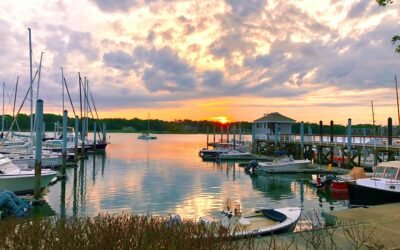
If you want comfortable weather, outdoor activities, and fewer peak-summer pressures, the best time to visit Thurgau is usually late spring or early autumn. Late May through June works especially well for green landscapes and cycling, while September through early October combines mild weather with apple harvests, vineyards, and a calmer Lake Constance atmosphere.
Quick Answer
For most travelers, late May through June and September through early October offer the best balance in Thurgau. Expect mild-to-warm weather, good cycling and hiking conditions, active lake services, and generally less summer-holiday pressure. Visit in April or May for blossoms, and July or August for the warmest lake days.
Key Takeaways
- Best overall: Late May–June and September–early October balance pleasant weather, outdoor activities, and manageable visitor levels.
- Best for blossoms: April–May, although exact flowering dates change with the weather each year.
- Best for swimming and summer lake life: July–August, when conditions are warmest but demand is also strongest.
- Best for apples, wine, and autumn scenery: September–October.
- Best for quiet travel: November–March outside the Christmas and New Year period, with colder weather and fewer seasonal services.
Weather by Season in Thurgau
Thurgau is often called Switzerland’s apple canton, and its orchards, vineyards, rolling countryside, and Lake Constance shoreline change noticeably through the four seasons. For weather planning, use long-term averages as a guide rather than a promise. MeteoSwiss climate normals use the 1991–2020 period for current climatological comparisons.
A useful reference is Güttingen on the Lake Constance shore. Its 1991–2020 normals show average daily temperatures rising from roughly -2°C to 3–5°C in midwinter to about 14°C to 24–25°C in July and August. Hotter and colder individual days occur, so check the forecast shortly before traveling.
Spring in Thurgau (March–May)
Spring is one of Thurgau’s most attractive seasons, especially once the orchards begin flowering. Temperatures rise quickly, daylight increases, and cycling and walking become more appealing.
Early Spring (March)
March is still cool. Around the Lake Constance area, average daily lows are close to 1°C and average highs are around 10°C. Frost remains possible, and an occasional late snowfall can occur. The countryside starts to turn green, but some seasonal attractions and lake services may still be operating on limited schedules.
This is a good month if you value quiet roads and paths more than warm weather. Bring a warm layer and waterproof outerwear rather than assuming spring conditions will be consistent from morning to evening.
Mid-Spring (April)
April becomes noticeably milder, with typical average lows near 4°C and highs around 15°C at the lakeshore. Rain showers remain possible, but longer daylight makes cycling and walking easier.
April is also the beginning of one of Thurgau’s signature experiences: fruit-tree blossom. According to Thurgau Tourism, the main blossom season generally runs from April into May. Routes around Altnau and other orchard areas can be especially attractive during this period.
Late Spring (May)
May is one of the strongest all-round months. Average daily temperatures around Güttingen are roughly 9°C to 19°C, so conditions are often comfortable for walking, sightseeing, and cycling without midsummer heat.
Depending on the year’s weather, orchards may still be flowering in early or mid-May, while vineyards and farmland become increasingly green. More seasonal attractions are operating, and Lake Constance excursions become easier to include in an itinerary.
Note: Fruit blossom does not follow an exact calendar. Treat April–May as the planning window rather than assuming a particular week will be at peak bloom. Check current Thurgau Tourism blossom information shortly before your trip.
Summer in Thurgau (June–August)
Summer brings Thurgau’s warmest temperatures, long days, active lakefronts, and the widest choice of outdoor recreation. It can also bring stronger demand for accommodation and popular attractions.
Summer should not, however, be described as Thurgau’s driest season. Long-term climate data for the Lake Constance area show meaningful precipitation in summer, so even a warm-weather trip should include a light waterproof layer.
Early Summer (June)
June has average daily lows around 12°C and highs around 23°C near Güttingen. Long daylight and comfortable warmth make it excellent for cycling, hiking, sightseeing, and lakeside stops.
Swimming may be appealing on warm days, although Lake Constance water temperatures vary from year to year. June is also useful for travelers who want a summer feel before the strongest July and August holiday demand.
Mid-Summer (July)
July is typically the warmest part of the year. Near Güttingen, the 1991–2020 average daily low is about 14°C and the average high is about 25°C. Hot spells can push daytime temperatures above those averages.
This is prime time for lakeside swimming, outdoor dining, cycling, boat trips, and summer events. Popular waterfront areas around Kreuzlingen, Romanshorn, and Arbon can feel busy, particularly on sunny weekends and during holiday periods. If a particular hotel or room type matters to you, reserve it early rather than relying on last-minute availability.
Late Summer (August)
August remains warm, with average conditions similar to July. Lake activities are still a major draw, while late summer also begins to transition toward Thurgau’s important fruit and wine period.
Visitor levels and accommodation demand can remain strong, especially around lakefront destinations and major events. By late August, you may also begin seeing more signs of the approaching apple and grape harvest season.
Autumn in Thurgau (September–November)
Autumn combines harvest experiences, changing foliage, vineyards, and gradually quieter outdoor attractions. For many visitors, September and early October provide one of the best combinations of comfort and local character.
Early Autumn (September)
September remains mild, with average daily temperatures around 10°C to 19°C near the Lake Constance shore. Early in the month, conditions can still feel summery, but evenings become cooler as autumn progresses.
This is an excellent period for cycling, walking, apple experiences, vineyards, and food-focused trips. Thurgau Tourism describes autumn as apple-harvest season, making September especially attractive if local produce matters to you.
Mid-Autumn (October)
October is cooler, with typical average lows around 7°C and highs near 14°C. Autumn color can be attractive across orchards, vineyards, forests, and the rolling countryside.
Walking and cycling are still realistic when conditions are dry, but shorter daylight and cooler mornings make layers important. Wine tastings and harvest-related experiences can also add an indoor or weather-resistant element to your itinerary.
Late Autumn (November)
November becomes distinctly colder, with average daily temperatures around 2°C to 8°C at Güttingen. Trees lose much of their autumn foliage, daylight is limited, and rain, frost, or occasional snow become more plausible.
Tourism is quieter, and some seasonal services operate less frequently or close temporarily. This makes November better for travelers interested in peaceful towns, museums, regional food, and slow travel than for those planning a lake-centered outdoor holiday.
Winter in Thurgau (December–February)
Winter in Thurgau is cold and quiet. The canton is not a major alpine ski destination, so the main appeal is peaceful countryside, winter walks when conditions allow, local culture, food, and festive events.
Early Winter (December)
December typically brings average temperatures from around -1°C to 4°C near Güttingen. Frost is common enough to plan for, while snowfall is possible but should not be treated as guaranteed in lowland Thurgau.
Christmas markets and seasonal events can make December livelier than other winter months. If you travel over Christmas or New Year, do not assume you will receive normal low-season accommodation pricing.
Mid-Winter (January)
January is generally the coldest period, with average daily lows around -2°C and highs near 3°C in the lakeshore area. Fog, frost, damp cold, and occasional snow can all shape the experience.
Lake Constance can be atmospheric in winter, but outdoor plans need flexibility. Indoor attractions, cafés, museums, and short walks are more dependable than an itinerary built around long cycling days or water activities.
Late Winter (February)
February remains cold, with average lows near -2°C and highs around 5°C. Snow is still possible, but persistent snow cover should not be assumed. Toward the end of the month, longer days make the approach of spring increasingly noticeable.
This remains one of the quietest periods for tourism and can suit visitors who prioritize solitude over a full schedule of seasonal attractions.
If you’re planning a trip to Thurgau, Switzerland, you might also find it helpful to explore the article on the best time to visit Datça, Muğla, which discusses similar factors such as weather, crowds, and costs. This can provide you with another example of how seasonal conditions change a destination. You can read more here: Best Time to Visit Datça, Muğla: Weather, Crowds, and Costs.
Navigating Crowds in Thurgau
Thurgau does not experience the same visitor pressure as Switzerland’s most famous alpine resorts, but season, school holidays, weekends, sunny weather, and local events can still make a noticeable difference around Lake Constance.
Peak Season (July–August)
July and August usually bring the strongest leisure demand because the weather is warm and Lake Constance activities are at their most appealing. Kreuzlingen, Romanshorn, Arbon, bathing areas, harbors, and popular cycling routes can become busier on fine-weather weekends.
Boat departures and popular waterfront locations may attract substantial day-trip traffic. If you have a specific accommodation, restaurant, or organized activity in mind, advance booking gives you more choice.
Stein am Rhein is also a popular excursion in the wider Lake Constance and Rhine region, but it is in the canton of Schaffhausen rather than Thurgau.
Shoulder Seasons (May–June and September–October)
These months offer the strongest balance for many travelers. Most outdoor activities remain practical, while you are outside the core July–August holiday period.
May and June bring spring greenery and blossom-related experiences; September and October add harvests and autumn scenery. Event weekends can still fill accommodation, so “shoulder season” should not be read as a guarantee of empty attractions or cheap rooms.
Off-Peak Season (November–April, Excluding Major Holiday Periods)
Much of this period is considerably quieter for outdoor tourism. You may find peaceful towns and uncrowded paths, but the trade-off is colder weather and a smaller selection of seasonal boat trips, outdoor attractions, and hospitality services.
December’s Christmas period is an exception because markets, celebrations, and holiday travel can create localized demand. In early spring, April also begins shifting back toward outdoor tourism as blossom season approaches.
Cost Considerations for Your Thurgau Trip

Switzerland is generally an expensive destination, but there is no single seasonal price rule that applies to every Thurgau hotel, flight, restaurant, or activity. Your dates, booking lead time, local events, room supply, and travel origin can matter as much as the season itself.
Accommodation Costs
Accommodation is one of the trip expenses most likely to change with local demand.
High-Demand Periods (July–August and Major Holidays)
Lakefront hotels, popular weekend properties, and limited-room accommodations may charge more when demand is strong. Summer availability can also shrink earlier than it does during quieter months.
Rather than assuming every July or August room is expensive, compare live rates for your exact dates and book earlier when you need a particular location or room type.
Shoulder Season Rates (May–June and September–October)
These periods can offer a useful balance between availability and favorable outdoor conditions. In some cases you may see better room choice or lower rates than on high-demand summer weekends, but this is not guaranteed.
Festivals, weddings, conferences, and attractive weather can create temporary price spikes even during shoulder months.
Low Season Rates (November–April, Excluding Festive Periods)
Quiet winter dates can produce good accommodation offers, particularly when leisure demand is low. However, some smaller seasonal properties reduce their opening days or close temporarily.
Always compare the saving against what you want to do: a cheaper room has less value if your preferred boat route, outdoor attraction, or seasonal restaurant is closed.
Transportation Costs
Thurgau is well connected by Swiss public transport, and you usually do not need a rental car for a trip centered on towns, lakeside stops, and rail-accessible attractions.
Flights
Zurich Airport is a practical international gateway, while Thurgau Tourism also lists Friedrichshafen and Altenrhein among the nearest airports. Airfare varies significantly by your origin, travel day, booking date, school holidays, and major events, so avoid assuming that one season will always be cheapest.
Public Transport & Car Rental
Standard Swiss public-transport fares are not simply a summer-versus-winter pricing system. Travelers with fixed plans should also check SBB Supersaver Tickets, which can provide discounts of up to 50% on selected connections. These discounted tickets are limited and tied to a specific connection.
If you will make many longer train, bus, and boat journeys, compare individual tickets with the Swiss Travel Pass. It includes broad public-transport coverage and admission to more than 500 museums, but whether it saves you money depends on your actual itinerary.
Rental-car prices also vary by inventory and dates. If you drive, budget separately for fuel and parking rather than assuming those costs are included in the rental quote.
Pro Tip: Price your exact rail itinerary three ways before buying: regular point-to-point tickets, available SBB saver offers, and a Swiss Travel Pass. A pass is convenient, but it is not automatically the cheapest option for a short stay in one region.
Activity and Food Costs
Restaurant, grocery, museum, and activity prices are usually less dependent on the tourist season than hotel rates, but special events and seasonal availability can change what is offered.
Restaurant & Grocery Prices
Eating out can take a meaningful share of a Swiss travel budget. If you want to reduce food costs, combining restaurant meals with supermarket or self-catered meals is a practical strategy. Seasonal farm shops are also worth exploring in Thurgau, particularly around fruit-harvest time.
Attraction Entry Fees
Museum and attraction prices generally follow each venue’s published tariff rather than changing simply because it is summer or winter. The bigger seasonal issue is opening hours.
Boat services also vary by route and season. Thurgau Tourism’s current transport information says scheduled Untersee and Rhine services operate daily from April to October between Kreuzlingen and Schaffhausen, while Lake Constance routes have their own timetables.
Getting to and Around Thurgau
Thurgau is easy to combine with Zurich and the wider Lake Constance region. According to Thurgau Tourism’s travel information, Frauenfeld can be reached from Zurich in less than 40 minutes, while rail routes also connect towns along the lake and across northeastern Switzerland.
For visitors focusing on Frauenfeld, Kreuzlingen, Romanshorn, Arbon, or other well-connected towns, trains and buses are often more convenient than driving. Boats can become part of the itinerary during their operating seasons.
Cycling is another major part of local travel. Thurgau Tourism lists around 900 kilometers of signposted cycle routes, and the generally gentle terrain around many parts of the canton makes cycling useful for both transportation and sightseeing.
Best Time for Specific Activities
Your ideal travel dates depend heavily on what you want to do. A July visit is very different from an April blossom trip or an October harvest weekend.
For Cycling and Hiking
Spring (April–June)
April and May are especially attractive for orchard scenery, while June provides warmer conditions and longer daylight. Thurgau’s relatively gentle countryside and extensive cycling network make this a strong season for recreational rides.
Spring weather can change quickly, so carry a light rain layer and check trail or route conditions after prolonged rain.
Autumn (September–October)
September and October are equally appealing for active travelers. September is milder, while October brings stronger autumn color. Cooler conditions can make longer rides or hikes more comfortable than during a midsummer hot spell.
You can also combine an outing with farm shops, orchards, vineyard walks, or wine tastings.
For Water Sports and Lake Activities
Summer (July–August)
July and August normally provide the best chance of warm conditions for swimming, paddleboarding, sailing, lakeside relaxation, and boat trips. Rental availability and organized activities are also generally strongest during the main summer season.
Weather and water conditions still vary, so check local forecasts and operating information before committing to a water-based day.
Early Autumn (September)
Early September can still work well for Lake Constance activities, particularly during warm weather. It also has the advantage of overlapping with the beginning of Thurgau’s harvest period.
For Wine and Culinary Experiences
Autumn (September–October)
Autumn is the standout season for travelers interested in Thurgau’s apples, cider, vineyards, and regional produce. Thurgau Tourism identifies autumn as apple-harvest season, while its wine program features vineyard walks, tastings, and wine-focused events throughout the region.
Exact harvest timing depends on crop, producer, and weather, so contact individual wineries or farms if a specific harvest experience is central to your trip.
Spring (May–June)
Spring is not harvest season, but it provides an attractive setting for vineyard walks, local food, farm visits, and outdoor dining as temperatures rise. It is particularly appealing if you want to combine food experiences with blossom scenery.
For Photography
Spring (April–May)
The fruit-tree blossom period is one of Thurgau’s most distinctive photographic seasons. Orchards around places such as Altnau can turn white and pink, with Lake Constance providing an additional landscape backdrop.
Autumn (September–October)
Autumn adds warm foliage, ripe orchards, vineyard scenery, misty mornings, and lower-angle light. September usually provides milder conditions, while October can produce stronger autumn color.
For a Quiet and Relaxing Trip
Late autumn and winter provide the quietest atmosphere, particularly outside Christmas and New Year. You give up some seasonal outdoor services, but you gain peaceful towns, uncrowded countryside, and more time for indoor attractions and regional food.
| Period | Weather | Crowds | Cost Pattern |
| June–August | Warmest period; rain and showers still occur | Generally busiest around the lake, holidays, and events | Accommodation demand can be stronger; compare live rates |
| April–May, September–October | Mild overall, with cooler mornings and changing weather | Usually lighter than core summer outside major events | Often good availability, but prices vary by date |
| November–March | Cold; frost and occasional snow possible | Generally quiet outside festive periods | Potential accommodation deals, with fewer seasonal services |
Late Autumn (November) & Winter (January–February)
If peace and quiet are your priority and you do not mind the cold, these months offer a calm Thurgau experience. The landscape is subdued, visitor numbers are generally low, and cozy meals and indoor attractions become more important than lake recreation.
If you’re planning a trip to Thurgau, Switzerland, understanding the best time to visit can greatly improve your experience. For another destination where weather, crowds, and costs vary sharply through the year, you may also find this guide to visiting Yukon useful for comparison.
What to Pack for Thurgau by Season
Spring
Bring layers, a light waterproof jacket, comfortable walking shoes, and something warm for mornings and evenings. April can feel much colder than a sunny afternoon suggests.
Summer
Pack light clothing, sun protection, comfortable walking footwear, swimwear if you plan to use the lake, and a compact waterproof layer for showers.
Autumn
Layers are essential. September can still feel warm during the day, while October mornings and evenings are noticeably cooler. A waterproof jacket is useful for walking or cycling trips.
Winter
Bring a warm coat, insulating layers, gloves, and footwear suitable for cold or wet surfaces. If snow or ice is forecast, choose shoes with reliable grip.
Final Recommendations & Planning Tips
Your best month depends on whether you care most about weather, swimming, blossoms, autumn produce, low visitor numbers, or cost flexibility.
Best Overall Balance
Late May through June and September through early October offer the strongest all-round combination for most travelers. Temperatures are generally comfortable for sightseeing and active days, the countryside is attractive, and you avoid relying entirely on the busiest midsummer period.
If blossom is your priority, move the trip earlier into April or May. If apples, vineyards, and autumn scenery matter more, September and October are stronger choices.
If You Love Warm Weather and Lake Life
July and August are the best fit. They provide the warmest average conditions and the strongest summer atmosphere around Lake Constance.
Expect greater demand on sunny weekends and during holiday periods, and make accommodation reservations early when your dates or location are inflexible.
If You’re on a Budget or Seek Solitude
Consider November through March outside the Christmas and New Year period. Accommodation may be easier to find at favorable rates on quiet dates, but never assume winter is automatically cheapest without checking live prices.
You should also confirm opening hours and seasonal transport schedules before building an off-season itinerary.
Key Planning Tips
- Book important accommodation early: If you want a specific lakefront hotel, family room, or weekend stay, do not rely on last-minute availability in summer or during major events.
- Check the local event calendar: Events can create a temporary crowd or price spike even in otherwise quiet months.
- Check the weather shortly before departure: Climate averages tell you what is typical, not what will happen during your particular week.
- Pack layers: They are especially useful during spring and autumn, when mornings and evenings can be much cooler than afternoons.
- Verify blossom and harvest conditions: Neither flowering nor harvest follows exactly the same dates every year.
- Compare transport products: Check regular SBB fares, saver tickets, day passes, and the Swiss Travel Pass against your actual itinerary before buying.
- Check seasonal boat timetables: Lake and Rhine services vary by route and time of year.
Ultimately, Thurgau offers worthwhile experiences in every season. Choose April–May for blossoms, late May–June for comfortable active travel, July–August for the warmest lake days, September–October for harvest scenery and food experiences, or winter for a quieter and more indoor-focused visit.
Frequently Asked Questions
What is the best overall time to visit Thurgau, Switzerland?
For most travelers, late May through June and September through early October provide the best balance of comfortable weather, outdoor activities, attractive scenery, and manageable visitor levels.
Which months have the warmest weather in Thurgau?
July and August are normally the warmest months. Around Güttingen on Lake Constance, average daily highs are roughly 24–25°C, although individual hot days can be considerably warmer. Summer is not necessarily the driest season, so pack for occasional rain.
When is peak tourist season in Thurgau?
July and August generally create the strongest leisure demand, particularly around Lake Constance on sunny weekends and during holiday periods. Events can also create busy dates outside midsummer.
When is the quietest time to visit Thurgau?
November through March is usually quieter for leisure tourism, apart from Christmas and New Year events. The trade-off is cold weather and reduced seasonal services.
When can visitors expect lower travel costs in Thurgau?
Quiet winter dates may provide better accommodation deals, while shoulder months can offer more room availability than peak summer. There is no guaranteed cheapest season, so compare live hotel and transport prices for your exact dates.
When is apple blossom season in Thurgau?
The main planning window is April through May. Exact flowering dates vary with spring temperatures, so check current blossom conditions shortly before traveling if orchard photography is a priority.
When is the best time for apple harvests, vineyards, and local food?
September and October are particularly good for autumn food experiences. Apples are a major part of Thurgau’s harvest season, and the region also offers vineyard walks, tastings, and wine-related activities.
Do I need a car to visit Thurgau?
Not necessarily. Frauenfeld, Kreuzlingen, Romanshorn, Arbon, and many other destinations are accessible by public transport. Trains, buses, seasonal boats, and cycling can cover many itineraries. A car is more useful when you want maximum flexibility for rural stops.
Sources
- MeteoSwiss — Climate Normals — current 1991–2020 Swiss climate-normal methodology and weather context.
- Thurgau Tourism — Lake Constance Blossom Season — Thurgau orchard blossom timing and apple-region information.
- Thurgau Tourism — Travel and Mobility — rail access, cycling network, airports, boats, and seasonal transport information.
- SBB — Supersaver Tickets — current discounted rail-ticket rules and availability.
- Switzerland Tourism — Public Transport Tickets — Swiss Travel Pass coverage and visitor transport benefits.