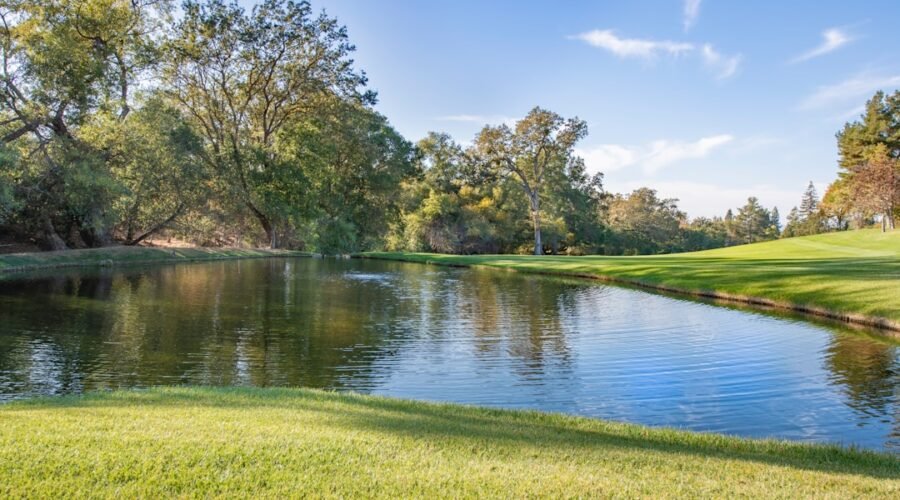
Wondering when to visit Elora, Ontario? The answer depends on whether you want warm-weather adventures, colorful fall scenery, quiet streets, or a budget-friendly escape. Summer offers the widest range of outdoor activities, while late spring and early fall are appealing for walking around town. Winter brings a quieter atmosphere, but some major attractions are seasonal.
Quick Answer
The best time to visit Elora, Ontario, is June through September for warm weather and outdoor activities. Choose July or August for summer attractions, September through early October for comfortable walks and fall scenery, or January and February for a quieter getaway. Check seasonal opening dates before booking, especially for Gorge tubing and Quarry swimming.
Key Takeaways
- Best for outdoor activities: June through August, when summer attractions are generally operating.
- Best for comfortable sightseeing: Late May, June, and September.
- Best for fall scenery: Late September through October, depending on the weather and changing leaves.
- Best for fewer crowds: Weekdays outside major holidays and special events.
- Best for potential accommodation savings: Winter and quieter spring or fall weekdays.
- Important: Elora Gorge tubing and Elora Quarry swimming are different activities at separate conservation areas.
Best Time to Visit Elora by Season
Elora experiences four distinct seasons. Each offers a different mix of weather, outdoor activities, visitor numbers, and accommodation options.
The right season depends on what you want to do. A summer visit is ideal if tubing or swimming is central to your trip. If you mainly want to explore the historic downtown, visit galleries, and enjoy a meal, you have more flexibility.
Summer: The Peak of Outdoor Activity
June through August is Elora’s main warm-weather travel season. Long days make it easier to combine downtown sightseeing with nature activities.
Summer is also when attractions such as Elora Gorge tubing and Elora Quarry swimming operate, subject to their seasonal schedules and weather conditions.
Weather in Summer
Expect warm days, occasional heat and humidity, and cooler evenings. Based on Environment and Climate Change Canada’s 1991–2020 climate normals for nearby Kitchener/Waterloo, average daytime highs range from approximately 24°C in June to 27°C in July.
Actual temperatures can be considerably hotter or cooler. Summer thunderstorms are possible, so check the forecast before planning water activities.
Outdoor Activities in Summer
Summer is the main season for hiking, tubing, swimming, and spending time outdoors.
Two attractions deserve particular attention:
- Elora Gorge Conservation Area: Offers scenic walking trails, gorge viewpoints, camping, and seasonal river tubing. It does not have a designated swimming area.
- Elora Quarry Conservation Area: Offers a beach and swimming area in a former limestone quarry. Admission is managed separately from the Gorge.
These properties have different entrances, operating schedules, and admission requirements. A ticket for one should not be treated as admission to the other.
Crowd Levels in Summer
Summer is a popular time for visitors, particularly on sunny weekends, public holidays, and event dates.
Downtown shops, patios, accommodation properties, and conservation areas may be busier during these periods.
If you prefer a more relaxed visit, try arriving early or choosing a weekday.
Costs in Summer
Accommodation demand can increase during the summer, especially on weekends and around major events.
Compare several dates before booking. A weekday stay may cost less than a weekend at the same property, although rates depend on availability and individual booking policies.
Fall: A Colorful and Cozy Escape
September and October offer a different side of Elora. The weather gradually cools, trees change color, and the town remains attractive for walking, shopping, and dining.
This is a particularly appealing season if you want to enjoy Elora’s scenery without planning your entire trip around swimming or tubing.
Weather in Fall
September can still feel pleasantly warm. Regional climate normals show an average daytime high of approximately 22°C.
October is noticeably cooler, with an average high near 14°C at the nearby Kitchener/Waterloo station.
Cool evenings, rain, and occasional frost become more likely as fall progresses.
Crowd Levels in Fall
Weekdays may feel quieter after the summer holiday period. However, attractive fall weekends and organized events can still bring plenty of visitors.
The Elora Fergus Studio Tour is one reason to expect additional activity in late September and early October.
For a quieter experience, consider visiting from Monday through Thursday when your schedule allows.
Costs in Fall
Fall can offer a useful balance between comfortable sightseeing weather and accommodation availability.
However, it is not automatically a low-cost season. Popular event weekends and holiday periods may still attract strong demand.
Compare your preferred dates with nearby weekdays before deciding.
Spring: A Time of Renewal
March through May marks the transition from winter to warmer weather.
April and May are particularly appealing for visitors who enjoy a quieter town, spring scenery, and walking between shops, galleries, and restaurants.
Weather in Spring
Early spring can be cold and unpredictable. March may still bring snow, freezing temperatures, and icy conditions.
April becomes milder, while May often provides more comfortable walking weather.
At the nearby Kitchener/Waterloo weather station, average daytime highs are approximately 12°C in April and 19°C in May.
Rain showers and temperature swings are common, so bring layers and a waterproof jacket.
Crowd Levels in Spring
April and early May can be quieter than the peak summer period.
Visitor numbers may increase as the weather improves and the Victoria Day long weekend approaches.
Spring is a good option if your main interests are downtown exploration, restaurants, galleries, and general sightseeing.
Costs in Spring
Quieter spring dates may offer more accommodation choices than peak summer weekends.
However, check attraction opening dates before choosing a stay based only on the room rate.
A less expensive April visit may not suit someone whose main goal is summer tubing or Quarry swimming.
Winter: The Quiet Season and Potential for Deals
December through February offers a slower-paced Elora experience. Snow can create beautiful scenery, while the historic downtown provides opportunities for shopping, dining, and short walks.
Winter is better suited to a relaxed getaway than a trip focused on summer water activities.
Weather in Winter
Winter temperatures frequently fall below freezing.
Nearby Kitchener/Waterloo climate normals show average January temperatures ranging from approximately -10°C overnight to -2°C during the day.
Snow, ice, wind, and changing road conditions can affect travel plans.
Bring insulated clothing, waterproof boots, gloves, and a warm hat.
Crowd Levels in Winter
Many winter weekdays can be quieter than summer weekends.
However, holiday shopping dates, special events, and popular accommodation properties may still attract visitors.
Opening hours can also be shorter at some businesses, so check individual establishments before traveling.
Costs in Winter
Winter may provide opportunities for lower accommodation rates, especially outside the Christmas and New Year’s holiday period.
Actual savings depend on the property, dates, availability, and any special packages.
Compare the total booking cost rather than assuming every winter stay will be cheaper.
For more information about the people and travel-planning approach behind this website, visit About Lele Tours.
Elora Gorge vs. Elora Quarry: When Should You Visit?
Before choosing your travel dates, decide which attraction matters most to you.
Elora Gorge and Elora Quarry are separate conservation areas operated by the Grand River Conservation Authority (GRCA).
Elora Gorge Conservation Area
The Gorge is known for its dramatic limestone cliffs, Grand River scenery, walking trails, and seasonal tubing.
The GRCA lists approximately two kilometres of walking trails and gorge cliffs reaching about 22 metres in height.
For 2026, its published day-use season runs from May 1 through October 15.
See the official Elora Gorge information page for operating details, admission information, and current notices.
Elora Gorge Tubing
Tubing follows its own seasonal schedule. For 2026, the GRCA announced operations from June 26 through September 7.
As of September 24, 2026, tubing is closed for the season. Future season dates should be confirmed before planning a trip.
Tubing tickets and equipment rentals must be purchased online in advance. The conservation area’s day-use admission is separate from the tubing charge.
Water levels and weather conditions can cause closures, sometimes without advance notice.
Warning: Gorge tubing takes place in a natural river with fast-moving water, rocks, and changing conditions. Participants must be competent swimmers and use the required approved tube, helmet, and personal flotation device. There are no lifeguards or river patrol staff along the tubing route. Follow all GRCA safety requirements.
Check the official tubing information and ticket requirements before booking.
Elora Quarry Conservation Area
Elora Quarry is the attraction to consider if swimming is your main goal.
It has a beach and swimming area surrounded by limestone cliffs.
For 2026, the published season ran from June 12 through Labour Day. The Quarry is now closed for the 2026 season.
Admission tickets and parking permits must be purchased online in advance. Visitors choose from two four-hour sessions, and entry is limited by capacity.
Warning: Jumping, diving, or climbing from the Quarry cliffs is prohibited. Stay behind safety barriers and closely supervise children near the water. The beach is not patrolled by lifeguards.
See the official Elora Quarry page for seasonal dates, ticket availability, and current rules.
Pro Tip: If tubing or swimming is the main reason for your trip, secure the required activity reservation before committing to non-refundable accommodation. A sunny day does not guarantee that an attraction has available admission or that river conditions permit tubing.
Elora’s Event Calendar: Timing Your Visit Around Festivities
Elora’s events can shape your travel experience just as much as the weather.
Festival weekends may bring more activity downtown, while smaller art events and markets offer different reasons to visit throughout the year.
Event dates can change annually, so use the organizer’s current calendar when planning.
Summer Festivals and Events
The Elora Festival is an established summer music event featuring concerts and performances at venues around the community.
The 2026 festival ran from July 10 through July 25.
Check the official Elora Festival website for future programming and ticket information.
The Elora Farmers’ Market also provides an opportunity to enjoy local produce, baked goods, and artisan products during the warmer months.
Impact on Crowds and Costs
Popular performances and festival dates can increase demand for accommodation and restaurant reservations.
If a particular concert is the main reason for your visit, confirm the event and accommodation availability before making other plans.
Fall Harvest and Art Walks
Fall brings opportunities to explore local studios, galleries, markets, and the surrounding countryside.
The Elora Fergus Studio Tour is a notable event for visitors interested in local artists and their work.
The confirmed 2026 Studio Tour dates are:
- September 26–27, 2026.
- October 3–4, 2026.
- Daily hours: 10 a.m. to 5 p.m.
The self-guided tour offers free admission to participating artists’ studios.
Visit the official Studio Tour website for the participating artists and route information.
Smaller Crowds, Dedicated Visitors
Fall weekdays can provide a quieter experience, but Studio Tour weekends may attract visitors specifically interested in art.
If you want to attend the tour, plan around the published dates. If you would rather avoid event activity, choose another weekday or weekend.
Winter Market and Holiday Cheer
Elora’s seasonal market offerings provide a reason to visit after summer ends.
The Elora Farmers’ Market lists an indoor fall/winter season at the Jefferson Elora Community Centre.
For 2026, the published indoor market period is October 17 through December 19, with Saturday hours from 9 a.m. to 1 p.m.
Check the official Elora Farmers’ Market website before traveling.
Peaceful Exploration with Festive Touches
Winter market dates and holiday shopping can add activity to an otherwise quieter season.
If you want a peaceful getaway, consider a weekday outside the main holiday period.
Individual shops, restaurants, and seasonal events may have different winter schedules.
What Happened to Riverfest Elora?
Riverfest Elora was a well-known music festival associated with the town’s summer calendar.
However, the organizers announced the festival’s closure on November 18, 2025, after 15 years.
Riverfest should not be treated as a confirmed upcoming August event.
The official Riverfest Elora website contains the closure announcement and further information.
Considering Your Elora Priorities: What Matters Most to You?
The best travel date depends on the experience you want. A trip focused on swimming needs different timing from a quiet weekend exploring local shops and restaurants.
The Perfect Weather Seeker
If comfortable temperatures are your main priority, consider late May, June, or September.
These periods can provide pleasant conditions for walking downtown, visiting galleries, and enjoying outdoor dining.
Early October can also be attractive, although temperatures become cooler and more variable.
The Budget Traveler
Look at quieter dates from November through March, excluding major holiday periods.
Winter may offer better accommodation availability, but individual rates vary.
Spring and fall weekdays are also worth comparing if you want milder weather without paying for a busy summer weekend.
The Crowd-Averse Explorer
Consider April, early May, November, or winter weekdays.
September and October weekdays can also work well, although popular fall events may bring additional visitors.
Check opening hours before traveling during quieter periods.
The Event Enthusiast
Plan your visit around a confirmed event rather than relying on an older festival calendar.
The Elora Festival, Elora Fergus Studio Tour, and Elora Farmers’ Market offer different experiences at different times of year.
Reserve accommodation early when a specific performance or event is essential to your plans.
The Outdoor Adventurer
If you want to experience Gorge tubing or Quarry swimming, plan within the published operating season and secure any required advance tickets.
June through August generally offers the most suitable window for combining several warm-weather activities.
However, opening dates, water conditions, and reservation availability ultimately determine what you can do.
Elora’s Weather Patterns: A Deeper Dive
Understanding the regional climate helps you choose travel dates and pack appropriately.
Elora’s weather can change quickly, particularly during spring and fall.
Average Temperatures and Rainfall
The following figures use Environment and Climate Change Canada’s 1991–2020 climate normals for the nearby Kitchener/Waterloo station. They are regional planning references, not exact Elora measurements or forecasts.
- Spring (March–May): Average daytime highs rise from approximately 4°C in March to 12°C in April and 19°C in May. Cold nights, rain, and occasional spring snow are possible.
- Summer (June–August): Average daytime highs are approximately 24°C in June, 27°C in July, and 26°C in August. Hotter days, humidity, rain, and thunderstorms can occur.
- Fall (September–November): Average daytime highs decline from approximately 22°C in September to 14°C in October and 7°C in November. Frost becomes more likely as the season progresses.
- Winter (December–February): Average daytime highs are near 1°C in December, -2°C in January, and -1°C in February. Overnight temperatures are commonly below freezing, and snow or ice can affect travel.
For the underlying measurements, consult Environment and Climate Change Canada’s Kitchener/Waterloo climate normals.
Note: Climate averages describe long-term patterns. They cannot predict the weather on your chosen travel dates. Check the current forecast before leaving, especially if you plan outdoor activities or winter driving.
What to Pack Based on the Season
- Spring: Bring comfortable walking shoes, long-sleeved shirts, a sweater or fleece, a waterproof jacket, and an umbrella. Add a warm hat and gloves for colder early-spring days.
- Summer: Pack breathable clothing, comfortable shoes, sunscreen, sunglasses, and a hat. Bring swimwear if visiting Elora Quarry. A light jacket is useful for cooler evenings.
- Fall: Bring layers, warmer sweaters, long trousers, sturdy walking shoes, and a medium-weight jacket. Add a scarf and hat for colder October and November days.
- Winter: Pack thermal layers, an insulated coat, waterproof boots, warm socks, gloves, and a hat. Choose footwear with reliable traction for snowy or icy surfaces.
If you’re interested in the team behind our travel content, visit Meet Our Team.
Elora’s Cost Breakdown: Making Your Budget Work
Your accommodation budget may change depending on the season, day of the week, and local event calendar.
The following comparison is a general planning guide, not a list of verified hotel rates. Crowd levels and accommodation demand can vary from one weekend to another.
| Month | Typical Weather | Visitor Demand | Budget Considerations |
|---|---|---|---|
| January | Cold and snowy | Often quieter | Check winter accommodation offers. |
| February | Cold, possible snow and ice | Often quieter | Compare weekday rates. |
| March | Cold and variable | Usually moderate to low | Verify seasonal opening dates. |
| April | Cool with possible rain | Often quieter | Good month to compare quieter stays. |
| May | Mild and increasingly warm | Increasing | Watch holiday-weekend demand. |
| June | Warm with possible thunderstorms | Moderate to high | Book popular summer dates early. |
| July | Warm to hot | Often high | Compare festival and non-festival dates. |
| August | Warm to hot | Often high | Reserve popular activities in advance. |
| September | Mild with cooler evenings | Variable | Compare weekday and event-weekend rates. |
| October | Cool with fall colors | Variable, with busy weekends possible | Check Studio Tour and holiday dates. |
| November | Cold and occasionally wet | Often quieter | Look for off-season accommodation options. |
| December | Cold, possible snow | Variable around holidays | Compare holiday and non-holiday dates. |
Accommodation Prices
Accommodation is often one of the largest expenses for an overnight trip to Elora.
- Peak season: Summer weekends, long weekends, and event dates can attract greater demand. Book early if your travel dates are fixed.
- Shoulder seasons: Spring and fall may offer useful alternatives, particularly for flexible weekday travelers.
- Off-season: Winter dates outside major holidays may provide opportunities for lower rates or special packages.
Compare the full cost of your stay, including taxes, parking, cancellation policies, and any additional property fees.
Dining and Activities
Restaurant prices do not necessarily change with the tourism season. However, busy periods can make reservations more difficult to secure.
Activity expenses depend on what you choose to do. Walking through downtown is different from booking a paid attraction or participating in tubing.
For example, the GRCA lists separate admission charges for the Gorge and Quarry, while tubing requires an additional activity purchase.
Review the official Elora Gorge fee schedule before planning your activity budget.
Tips for Saving Money
- Book in advance: Compare accommodation options before popular weekends fill up.
- Travel midweek: Check Monday through Thursday rates against weekend prices.
- Consider vacation rentals: Groups and longer-stay visitors may find a suitable rental more economical than multiple hotel rooms.
- Enjoy free activities: Walk through downtown, browse public spaces, and explore accessible areas without assuming that ticketed conservation areas are free.
- Pack snacks: Bringing water and snacks can reduce incidental spending during a day of sightseeing.
- Check separate admission fees: Gorge admission, tubing, Quarry admission, and parking may involve different charges.
- Review cancellation policies: Flexible bookings can be useful when outdoor activities depend on weather or river conditions.
Frequently Asked Questions
1. What is the best time to visit Elora, Ontario, for ideal weather?
June through September generally offers comfortable conditions for sightseeing and outdoor activities. July and August are warmer, while June and September may appeal to visitors who prefer milder temperatures.
2. When is the peak tourist season in Elora, Ontario?
Summer, particularly July and August, is a popular travel period. Sunny weekends, public holidays, and major event dates can attract additional visitors.
3. What is the off-peak season in Elora, Ontario?
Winter is generally the quieter tourism season, especially during weekdays outside major holidays. However, businesses and seasonal attractions may have reduced hours or be closed.
4. When can visitors expect lower accommodation and activity costs?
Quieter winter dates and selected spring or fall weekdays may offer opportunities for lower accommodation rates. Prices depend on availability, events, and the property. Activity fees are set separately and do not necessarily decrease during the off-season.
5. What are some popular events and festivals in Elora?
The Elora Festival is a summer music event, while the Elora Fergus Studio Tour takes place in fall. The Elora Farmers’ Market operates during its published seasonal schedule. Riverfest Elora announced its closure in November 2025 and should not be treated as an upcoming annual event.
6. Can you swim at Elora Gorge?
Elora Gorge Conservation Area does not have a designated swimming area. Visitors interested in swimming should consider Elora Quarry, which has a beach and swimming area. The Quarry requires separate admission and operates seasonally.
7. When is Elora Gorge tubing available?
Tubing generally operates during the summer. The published 2026 season ran from June 26 through September 7. It is closed for the 2026 season as of September 24. Future dates, ticket availability, and weather-related closures should be checked with the Grand River Conservation Authority.
8. Is October a good time to visit Elora?
Yes, October can be appealing for fall scenery, downtown walks, galleries, and seasonal events. Expect cooler temperatures than September and remember that some summer attractions may have finished their operating seasons.
Sources
- Grand River Conservation Authority — Elora Gorge — Official operating information, walking trails, safety guidance, and swimming-area clarification.
- Grand River Conservation Authority — Tubing at Elora Gorge — Tubing reservations, equipment requirements, operating conditions, and safety rules.
- Grand River Conservation Authority — Elora Quarry — Swimming access, operating season, reservations, and visitor restrictions.
- Environment and Climate Change Canada — Kitchener/Waterloo Climate Normals — Regional temperature reference data for 1991–2020.
- The Elora Festival — 2026 Festival Program — Verified July 2026 performances and event dates.
- Elora Fergus Studio Tour — Official Website — Verified fall event dates and visitor information.