

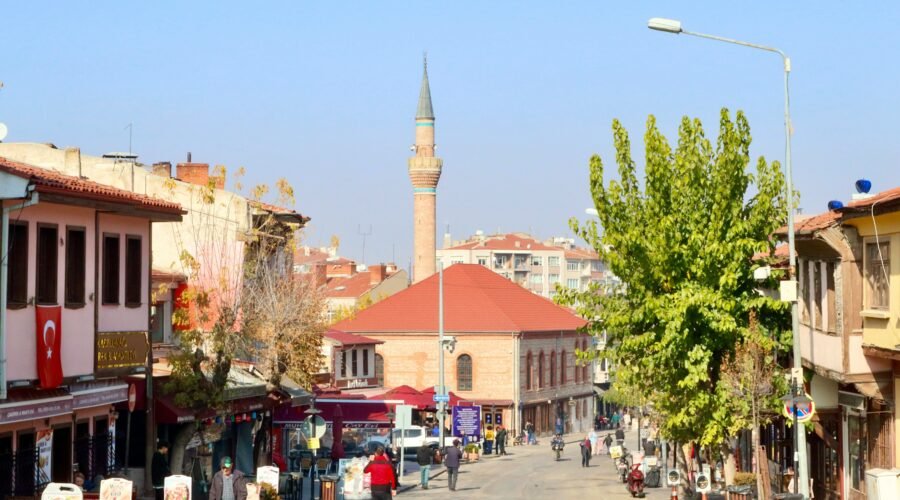
Planning a trip to Eskişehir, Turkey? This lively university city offers historic Ottoman houses, riverside cafés, parks, museums, and cultural events throughout the year. The best time to visit Eskişehir depends on whether you prefer comfortable sightseeing weather, warm evenings, fewer visitors, or a cheaper city break.
Quick Answer
The best time to visit Eskişehir is late April through May or September through October. Average daytime highs range from 17°C to 22°C in April–May and 26°C to 20°C in September–October. These months suit walking, museums, parks, and Porsuk River trips. However, spring and autumn weekends can attract busy tour groups.
Last checked: October 23, 2026. Dates and figures were verified against official sources.
Key Takeaways
- Spring: April and May bring flowers, green parks, and pleasant walking weather, although showers are fairly common.
- Summer: June offers warmth and long days. July and August are hotter, with average highs around 30°C.
- Autumn: September is warm and relatively dry, while October offers cooler sightseeing weather and changing leaf colours.
- Winter: December through February is cold, with freezing nights and possible snowfall. Museums and cafés become especially appealing.
- Crowds and costs: Weekends, Turkish holidays, and festivals may affect hotel availability more than the season alone.
Best Time to Visit Eskişehir: Weather by Month
Eskişehir has warm, relatively dry summers and cold winters because of its inland location. Spring and autumn offer the best temperatures for exploring on foot, but there is a clear difference between early March, late May, and September.
The following figures come from the Turkish State Meteorological Service’s Eskişehir climate statistics, covering 1991–2025. Highs and lows are monthly averages, not temperatures guaranteed on every day.
| Month | Average High | Average Low | Average Rainfall | Travel Conditions |
|---|---|---|---|---|
| January | 4.4°C | -3.7°C | 33.0 mm | Cold, possible snow; indoor sightseeing |
| February | 7.2°C | -3.4°C | 28.2 mm | Cold, often quiet; possible snow |
| March | 12.1°C | -0.8°C | 29.9 mm | Cool early spring; chilly mornings |
| April | 17.3°C | 3.2°C | 44.1 mm | Spring flowers; popular walking season |
| May | 22.3°C | 7.3°C | 42.3 mm | Green parks; busy spring weekends and events |
| June | 26.8°C | 11.3°C | 24.2 mm | Warm days; outdoor cafés and river trips |
| July | 30.0°C | 13.8°C | 15.0 mm | Hot, dry; visitor levels vary |
| August | 30.3°C | 13.8°C | 11.2 mm | Hot and very dry; busy holiday weekends possible |
| September | 26.1°C | 9.3°C | 17.2 mm | Warm, comfortable; festivals and returning students |
| October | 20.3°C | 5.0°C | 35.0 mm | Cooler walks; autumn colours and weekend tours |
| November | 12.9°C | 0.3°C | 33.4 mm | Chilly; museums, cafés, and cultural events |
| December | 6.6°C | -1.6°C | 42.4 mm | Winter clothing needed; possible frost or snow |
April and May have some of the highest average rainfall totals, so pleasant temperatures do not always mean dry weather. September offers a particularly attractive balance, with a 26.1°C average high and only 17.2 mm of average monthly rainfall.
1. Spring in Eskişehir: March to May
Spring is one of the best seasons for a first visit to Eskişehir. Parks become greener, flowers bloom, and the weather gradually becomes comfortable enough for long walks around the historic centre and Porsuk River.
March: A Quiet Start to Spring
March is still chilly, with an average daytime high of 12.1°C and an overnight low of -0.8°C. It is better for museums, cafés, and shorter outdoor walks than for spending an entire day in a park.
Early spring can feel especially cold in the morning. However, if you prefer a quieter trip and don’t mind wearing a warm jacket, March can be an appealing alternative to the busier spring weekends ahead.
April: Blooming Parks and Mild Days
April brings average daytime highs of 17.3°C and lows of 3.2°C. You can enjoy a good mix of sunshine and spring showers, making this a comfortable month for walking around Odunpazarı and along the river.
The historic Odunpazarı district is particularly pleasant for photography. Its colourful traditional houses, narrow lanes, workshops, and cafés are ideal for a relaxed morning.
You can also visit the historic attractions highlighted by GoTürkiye, including the old district and Eskişehir Aviation Museum.
Spring tourism can be lively on weekends. April 23 is National Sovereignty and Children’s Day, a public holiday in Türkiye that may bring additional family outings.
May: The Best Month for Green Parks
May is arguably Eskişehir’s strongest spring month. Its average high reaches 22.3°C, while the city’s green spaces become ideal for picnics, walking, photography, and outdoor activities.
Two particularly enjoyable locations are:
- Kentpark: A large city park with open green areas, walking paths, and recreational spaces.
- Sazova Science, Culture and Art Park: A family-friendly park known for the Fairy Tale Castle, Science Experiment Centre, space-themed attractions, and other activities.
May also offers cultural events. In 2026, the 17th International Eskişehir Children, Youth and Puppet Theatres Festival was held May 16–20. The Eskişehir City Theatres publishes its programmes and festival information.
These events can make selected weekends busier, particularly around central attractions.
What to Pack for Spring
Pack layers rather than relying on a single jacket. You may need a sweater early in the morning but lighter clothing by the afternoon.
- A light or medium-weight jacket
- Comfortable walking shoes
- A compact umbrella or waterproof outer layer
- Sunglasses and sunscreen
- Long trousers and a sweater for cool evenings
April and May both average more than 40 mm of monthly rainfall. Having rain protection makes it easier to continue exploring when showers arrive.
2. Summer in Eskişehir: June to August
Summer brings the longest, sunniest days of the year, but sightseeing can become uncomfortable in the afternoon heat. June is generally easier for outdoor exploration, while July and August suit travellers who tolerate hotter weather.
June: Warm Weather and Long Days
June has an average high of 26.8°C and low of 11.3°C. This is a good month for enjoying riverside cafés, evening walks, and outdoor parks without the strongest midsummer heat.
The Porsuk River becomes a natural focus of a summer visit. You can walk beside the water, enjoy its bridges, or take a boat ride through the central area.
University life changes as the academic year winds down. Some student-focused areas may become quieter as students leave for the summer.
July and August: The Hottest Months
July and August are Eskişehir’s hottest months, with average daytime highs of 30.0°C and 30.3°C. Afternoon temperatures sometimes rise well above these averages, while rain is relatively uncommon.
Unlike Türkiye’s Mediterranean beach resorts, Eskişehir does not necessarily experience its greatest tourist crowds in July and August. University holidays can make some neighbourhoods quieter, although major attractions and summer weekends may still be busy.
If you visit during these months, schedule outdoor sightseeing for the morning and evening. Spend the hottest hours inside a museum, café, or other shaded location.
Best Summer Activities
You can still enjoy Eskişehir in summer by mixing outdoor experiences with indoor attractions.
- Porsuk River: Take a boat or gondola tour when the sun is less intense, or enjoy the riverside cafés in the evening.
- Odunpazarı Modern Museum: Explore contemporary art in indoor galleries. It is a useful destination during hot afternoons.
- Sazova Park: Explore the Fairy Tale Castle and indoor attractions such as the Science Experiment Centre or Sabancı Space House.
- Kentpark: Enjoy green spaces and seasonal recreational facilities, including its artificial beach area when operating.
- Outdoor performances: Look for concerts, theatre, and cultural programmes during summer evenings.
The Odunpazarı Modern Museum lists general admission at 250 TL and discounted admission at 180 TL. Children under 12 and certain other visitor groups qualify for free entry. The museum is closed on Mondays.
What to Pack for Summer
Choose lightweight clothes made from breathable fabrics such as cotton or linen.
- Light T-shirts, shirts, shorts, or dresses
- Comfortable sandals or walking shoes
- A wide-brimmed hat and sunglasses
- High-SPF sunscreen
- A reusable water bottle
- A light layer for cooler late evenings
Remember that the strongest sun often coincides with the hottest part of the afternoon. Regular water breaks and shaded stops make summer sightseeing more comfortable.
3. Autumn in Eskişehir: September to November

Autumn is another excellent season for exploring Eskişehir. September remains warm, October is pleasantly cool, and November brings much colder mornings and evenings.
September: Warm Weather and Cultural Events
September offers an average high of 26.1°C and low of 9.3°C. With relatively little rainfall, it is one of the best months for enjoying the Porsuk River, outdoor cafés, and city parks.
Students gradually return for the new academic year, helping the city’s cafés and cultural spaces regain their lively atmosphere.
September can also bring significant events. The International Eskişehir Porsuk Festival took place from September 2–6, 2026, with concerts, theatre, dance, exhibitions, and riverside activities.
The Eskişehir Jazz Festival was held September 26–27, 2026, with performances and other activities.
These dates are confirmed for 2026 and should not be assumed to repeat on identical dates in future years.
October: Autumn Colours and Comfortable Walks
October brings average daytime highs of 20.3°C and lows of 5.0°C. It is an excellent choice if you prefer crisp air and comfortable conditions for walking.
The changing colours of trees make the Porsuk River and city parks attractive places for photography.
Rain also becomes more likely than in September. A light waterproof jacket is useful for longer days outdoors.
October 29 is Republic Day in Türkiye, with the national holiday beginning on the afternoon of October 28. Celebrations, public gatherings, and changes to some opening hours can affect plans around these dates.
November: Cooler Weather and Indoor Culture
November marks the transition toward winter. Its average high is 12.9°C, while the average overnight low falls to just 0.3°C.
On sunny afternoons, walking through Odunpazarı remains enjoyable. However, museums, galleries, and cosy cafés become increasingly attractive as the temperatures drop.
Film enthusiasts have another reason to consider November. The 23rd Eskişehir International Film Festival is scheduled for November 19–27, 2026, according to a university announcement about the festival.
Festival dates may create local demand for accommodation despite the cooler weather.
What to Pack for Autumn
September often suits lighter clothing during the day. October and November require warmer layers, especially after sunset.
- Long-sleeved shirts and sweaters
- A medium-weight jacket
- Comfortable trousers or jeans
- Waterproof shoes or a compact umbrella
- A warm scarf for late autumn
If you travel in November, pack a heavier coat than you would need in September.
4. Winter in Eskişehir: December to February

Winter in Eskişehir is cold, with frequent freezing nights and occasional snowfall. It can still be rewarding if you prefer museums, quiet cafés, cultural activities, and the chance to see the city in a winter setting.
December: Cold Days and Cosy Cafés
December has an average daytime high of 6.6°C and an overnight low of -1.6°C. Frost is possible, and outdoor sightseeing requires warm clothing.
The city may have seasonal decorations and New Year activities. Cafés, traditional restaurants, and indoor cultural spaces make a winter visit enjoyable even when the weather is unpleasant.
December also has the highest average monthly rainfall total of the year in the official climate record, at 42.4 mm. Precipitation may fall as rain or snow depending on conditions.
January and February: Cold Weather and Possible Snow
January is the coldest month by average temperature, with a daytime high of 4.4°C and overnight low of -3.7°C. February is slightly milder, averaging 7.2°C during the day and -3.4°C at night.
Snow can create attractive winter scenery around the parks and historic streets. However, snowfall is not guaranteed, and icy pavements may make walking more difficult.
Touring is often quieter than during popular spring and autumn weekends, although individual holidays and events can change visitor levels.
Best Winter Activities
Winter is a good time to focus on Eskişehir’s museums and cultural attractions.
- Odunpazarı Modern Museum: Enjoy contemporary artworks and exhibitions indoors.
- Çağdaş Cam Sanatları Müzesi: Explore the Contemporary Glass Arts Museum and its collection of glass artworks.
- Eskişehir Aviation Museum: See historic aircraft in the open-air displays and aviation-related exhibits indoors.
- Historic Odunpazarı: Walk through traditional streets when the weather permits, then warm up in a nearby café.
- Local restaurants: Try Eskişehir specialities such as çibörek, the city’s well-known stuffed fried pastry.
- Thermal experiences: Consider thermal baths and spa facilities in Eskişehir or the surrounding region.
Some attractions have outdoor sections, even when they include indoor displays. Allow flexibility if snow or icy conditions affect your plans.
What to Pack for Winter
Pack proper winter clothing, particularly if you plan to walk between attractions.
- A heavy insulated coat
- Thermal underwear and warm trousers
- Gloves, a hat, and a scarf
- Waterproof boots with good grip
- Warm socks and sweaters
- Lip balm and moisturiser for cold, dry air
Winter days are much shorter than summer days, so plan outdoor stops around the available daylight.
5. Crowds, Travel Costs, and the Best Dates to Visit
Weather is only one factor when choosing travel dates. Local festivals, university activities, Turkish public holidays, and weekend tourism can all affect how busy or expensive a visit feels.
| Month | Weather | Crowds | Costs |
|---|---|---|---|
| March – May | Cool to mild; average highs 12.1–22.3°C | Popular spring weekends and holidays | Higher demand possible on event weekends |
| June – August | Warm to hot; average highs 26.8–30.3°C | Variable; student areas may be quieter | Not necessarily the highest hotel rates |
| September – November | Warm to chilly; average highs 26.1–12.9°C | Busy festival dates and autumn weekends | Event and weekend demand can raise rates |
| December – February | Cold; average highs 4.4–7.2°C | Generally quieter for outdoor sightseeing | Compare hotel rates; discounts are not guaranteed |
When Is Eskişehir Least Crowded?
Winter generally offers a quieter atmosphere for tourists, particularly around outdoor attractions. However, an ordinary weekday in spring or autumn may be more comfortable than a busy festival weekend.
Eskişehir attracts domestic day-trip groups, especially around Odunpazarı, Sazova Park, and the Porsuk River. Tour-group arrival times can make popular areas suddenly feel crowded.
For a more relaxed experience, consider visiting the historic quarter early in the morning and choosing weekdays instead of Saturday or Sunday.
When Is Eskişehir Cheapest to Visit?
There is no reliable rule that July and August are always the most expensive months or that winter always has the lowest hotel prices in Eskişehir. Its travel patterns differ from Türkiye’s coastal resort destinations.
Hotel demand can rise around university activities, conferences, festivals, and public holidays. Friday and Saturday nights may also cost more than ordinary weekdays.
For a budget trip, compare several nearby dates and consider staying near the central tram network rather than paying extra for a specific riverside view.
What Do Attractions Cost?
Many enjoyable activities involve simply walking around the historic streets, public parks, and riverside areas. Museums, boat rides, and specific attractions generally charge admission.
The Eskişehir Metropolitan Municipality’s published fare schedule lists the following prices at the time of checking:
- ESBOT city boat tour: 165 TL for a 15-minute circuit.
- Short gondola tour: 1,000 TL per gondola, carrying up to four people.
- Long gondola tour: 2,000 TL per gondola, carrying up to four people.
- Fairy Tale Castle: 70 TL for a visit outside scheduled sessions, or 100 TL for a standard session.
- Science Experiment Centre: 90 TL for general admission.
- Sabancı Space House: 110 TL for general admission.
- Yılmaz Büyükerşen Wax Museum: 140 TL for general admission.
These are published admission and tour prices, not the total cost of a holiday. Reduced rates may apply to eligible visitors, and fares can change.
Turkish Public Holidays That Can Affect Your Trip
Public holidays are worth considering because domestic travel and local celebrations can affect opening hours and crowd levels.
For trips in 2027, the official Turkish public holiday calendar lists these important dates:
- January 1, 2027: New Year’s Day.
- March 9–11, 2027: Ramazan Bayramı, following a half-day holiday on March 8.
- April 23, 2027: National Sovereignty and Children’s Day.
- May 16–19, 2027: Kurban Bayramı, following a half-day holiday on May 15.
- May 19, 2027: Commemoration of Atatürk, Youth and Sports Day.
- July 15, 2027: Democracy and National Unity Day.
- August 30, 2027: Victory Day.
- October 29, 2027: Republic Day, with the holiday beginning on the afternoon of October 28.
If your trip coincides with one of these dates, plan museum visits and transport carefully. Some attractions may use special holiday schedules.
Which Festivals Are Worth Planning Around?
Eskişehir has an active cultural calendar supported by its universities, theatres, and local organisations. Events are particularly appealing in spring and autumn, although their schedules can change from year to year.
Confirmed 2026 examples include:
- May 16–20: International Eskişehir Children, Youth and Puppet Theatres Festival.
- September 2–6: International Eskişehir Porsuk Festival.
- September 26–27: Eskişehir Jazz Festival.
- November 19–27: Scheduled Eskişehir International Film Festival.
University exhibitions, concerts, student events, theatre productions, and seasonal park activities also contribute to the city’s cultural life. The exact programme varies by year.
6. Choosing the Best Time for Your Travel Style
There is no single perfect month for everyone. The best choice depends on whether you want warm weather, lively streets, lower travel expenses, or time to explore at a quieter pace.
For Sunshine and Outdoor Activities
Choose June or September. Both offer warm weather, while September has lower average rainfall and June offers longer daylight hours.
July and August suit travellers who enjoy heat, but plan more breaks during the day.
For Budget Travellers
Look at ordinary weekdays outside major holidays and festivals. A quieter winter visit may suit your budget, but spring or summer weekday accommodation can also offer attractive rates.
Walking around Odunpazarı and the Porsuk River can fill much of your itinerary without paid activities.
For History, Culture, and Museums
Late April, May, September, and October are especially enjoyable for combining outdoor sightseeing with indoor attractions.
These periods make it easier to explore the historic quarter on foot, spend time at museums, and relax beside the river without extreme heat or winter cold.
For Peace and Quiet
Choose an ordinary weekday in winter, or consider March and November if you prefer somewhat milder conditions.
Arriving early at popular attractions helps you enjoy the historic streets before most organised groups arrive.
For Families with Children
May, June, and September offer a good balance for visiting Sazova Park and Kentpark. These months are generally more comfortable for spending several hours outdoors with children.
In summer, balance outdoor play with indoor attractions. In winter, focus on museums, interactive exhibitions, and shorter outdoor walks.
For a Short Weekend Trip
Late April to May and September to October are ideal for a short city break. You can cover the historic quarter, central riverfront, and several museums without planning your entire day around extreme temperatures.
If you have just one day, prioritise Odunpazarı and the Porsuk River. With two days, add Sazova Park and more indoor attractions.
Choose your dates according to the weather, the activities you want most, and any confirmed events. That way, you’ll get a more enjoyable experience of Eskişehir regardless of which season you choose.
Frequently Asked Questions
What is the best time to visit Eskişehir for good weather?
Late April to May and September to October offer the most comfortable sightseeing weather. Official records show average daytime highs of 17.3°C in April, 22.3°C in May, 26.1°C in September, and 20.3°C in October. Spring showers and cool evenings still call for layers.
When is the peak tourist season in Eskişehir?
Spring and autumn weekends can be especially busy with Turkish day-trip groups, while festival dates bring additional demand. July and August are not automatically the busiest months here, unlike Türkiye’s beach resorts. Visitor numbers vary with holidays, university activities, and special events.
When is the off-peak tourist season in Eskişehir?
December to February usually suits travellers seeking a calmer city break. Cold temperatures and shorter days can reduce outdoor touring, although New Year celebrations or other events may affect local demand. Museums, restaurants, and warm cafés remain appealing during these months.
Is Eskişehir expensive during the tourist season?
Costs depend more on your travel dates than on a fixed summer peak. Compare weekday and weekend hotel rates, especially around festivals and public holidays. As a reference, the municipality lists a 15-minute ESBOT boat ride at 165 TL, while Odunpazarı Modern Museum lists regular admission at 250 TL.
Which major Eskişehir festivals should visitors consider?
In 2026, the children, youth, and puppet theatre festival took place May 16–20, the Porsuk Festival ran September 2–6, and Eskişehir Jazz Festival was held September 26–27. The 23rd Eskişehir International Film Festival is scheduled for November 19–27, 2026. These dates are specific to their editions and may change in future years.
Does it snow in Eskişehir during winter?
Yes, snowfall is possible in Eskişehir during winter, although a snow-covered visit is never guaranteed. The official climate record puts average January daytime highs at 4.4°C and overnight lows at -3.7°C. Pack warm boots and an insulated coat if you travel between December and February.
Is Eskişehir worth visiting in November?
Yes, November suits museum visits and city walks if you dress for chilly weather. The typical daytime high is 12.9°C, with overnight temperatures averaging close to freezing. Film fans can also plan around the Eskişehir International Film Festival when its dates are confirmed.
How many days should I spend in Eskişehir?
One full day covers a riverside stroll and a look around historic Odunpazarı. Two days give you more time for Sazova Park, museums, and a relaxed Porsuk boat ride. Spring and autumn are particularly suitable for this kind of walking-focused itinerary.
Sources
- Turkish State Meteorological Service, Official Eskişehir Climate Statistics: Monthly temperature and precipitation data for 1991–2025.
- GoTürkiye, Eskişehir Attractions Guide: Historic areas, parks, and cultural attractions.
- Odunpazarı Modern Museum, Official Visitor Information: Admission prices and visitor eligibility.
- Eskişehir Metropolitan Municipality, Official Fare Schedule: Boat tours, gondola rides, museums, and recreational attraction prices.
- Eskişehir City Theatres, Official Programme: Children’s, youth, and puppet theatre festival information.
- Eskişehir Metropolitan Municipality, International Porsuk Festival Announcement: September 2–6, 2026 programme and locations.
- Eskişehir Jazz Festival, Official Website: September 26–27, 2026 dates and event information.
- Ankara University, Eskişehir International Film Festival Announcement: November 19–27, 2026 festival dates.
- Presidency of Religious Affairs of Türkiye, Official 2027 Public Holiday Calendar: National and religious holiday dates.



[…] a trip to İnönü in Eskişehir, Turkey? Choosing the right month can make a big difference, especially if you want to explore its […]