

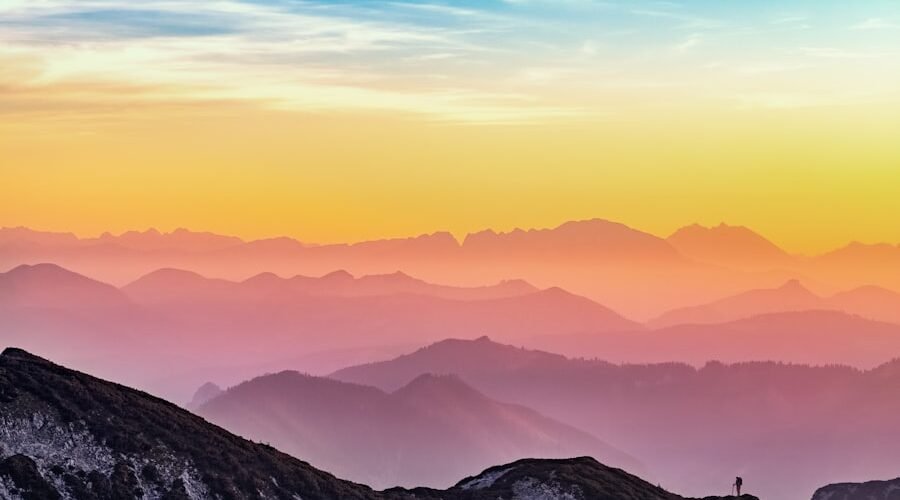
The best time to visit Ihlara Valley depends on whether you want comfortable hiking weather, colorful scenery, or a quieter experience. This riverside canyon in Turkey’s Cappadocia region changes considerably between spring and winter. Choosing the right month also makes it easier to explore its rock-cut churches and plan your journey from Göreme.
Quick Answer
The best time to visit Ihlara Valley is May to early June or September to mid-October. These periods offer comfortable hiking conditions, beautiful scenery, and a good balance between visitor numbers and travel costs. Choose May for fresh greenery, September for warm days, or October for cooler walks and autumn colors.
Last checked: September 25, 2026. Dates and figures were verified against official sources.
Key Takeaways
- May can be busy. Aksaray’s tourism authority identifies it as the valley’s busiest month.
- July and August have average daytime highs of about 31°C in nearby Aksaray.
- The valley offers hiking routes of approximately 4, 7, and 14 km.
- Winter visits are possible, but freezing temperatures and slippery paths can limit hiking.
- Public holidays and school breaks can increase demand even during otherwise quieter months.
Best Time to Visit Ihlara Valley by Month
May, September, and October offer some of the most appealing conditions for exploring Ihlara Valley. However, the month you choose affects more than temperature. Rainfall, daylight, school holidays, and the condition of the trail all matter.
The following figures come from the Turkish State Meteorological Service’s Aksaray climate statistics, covering 1929–2025. These are long-term averages for Aksaray, not measurements taken directly on the Ihlara Valley floor.
The canyon’s shade and vegetation can make conditions feel different from the surrounding plateau.
| Month | Average High / Low | Average Rainfall | What to Expect |
|---|---|---|---|
| January | 5.6°C / -3.4°C | 40.0 mm | Cold, possible snow and ice |
| February | 7.5°C / -2.2°C | 34.3 mm | Cold, generally quieter |
| March | 12.6°C / 1.4°C | 40.7 mm | Early spring, changeable weather |
| April | 18.1°C / 5.7°C | 45.4 mm | Spring greenery and occasional rain |
| May | 23.1°C / 9.7°C | 43.4 mm | Excellent hiking; potentially busy |
| June | 27.2°C / 13.2°C | 28.8 mm | Good early-month conditions; warmer later |
| July | 30.7°C / 16.3°C | 7.0 mm | Hot, dry, summer holidays |
| August | 30.9°C / 16.1°C | 5.7 mm | Hot and usually very dry |
| September | 26.7°C / 11.5°C | 12.2 mm | Warm days, generally comfortable hiking |
| October | 21.0°C / 6.9°C | 23.2 mm | Cooler walks and autumn foliage |
| November | 13.9°C / 2.1°C | 31.3 mm | Chilly, with fewer visitors |
| December | 7.8°C / -1.2°C | 45.6 mm | Cold, possible snow and frost |
Ihlara Valley Weather and Scenery by Season
Ihlara Valley has a continental climate, with warm, dry summers and cold winters. The Melendiz River and surrounding vegetation give the canyon a greener appearance than much of the nearby Cappadocia landscape.
Each season offers a different experience, so the best choice depends on what you want to see and how far you plan to walk.
Spring in Ihlara Valley: March to May
Spring brings fresh greenery, flowing water, and increasingly comfortable hiking weather. Late April and May are particularly appealing for photography and longer walks.
- Temperatures: Average daytime highs rise from 12.6°C in March to 18.1°C in April and 23.1°C in May.
- Rainfall: Spring is wetter than summer. April and May receive roughly 45 mm and 43 mm of precipitation, respectively.
- Scenery: Trees leaf out, wildflowers appear, and the river benefits from spring rain and snowmelt.
- Best for: Nature photography, riverside walks, and visitors who prefer greenery to summer’s drier landscape.
April can still feel chilly, particularly in the morning. May offers warmer conditions, although it can also attract substantial visitor numbers.
Summer in Ihlara Valley: June to August
Summer offers long days and generally dry weather, but the heat makes the timing of your hike important. June is more comfortable than July or August for most walkers.
- Temperatures: Average highs reach 27.2°C in June, 30.7°C in July, and 30.9°C in August. Individual days can be considerably hotter.
- Rainfall: July and August are the driest months, averaging just 7.0 mm and 5.7 mm of precipitation.
- Scenery: The river and tree-lined canyon remain attractive, although surrounding vegetation becomes drier.
- Best for: Travelers already visiting Cappadocia during summer who can begin walking early.
The canyon walls provide shade in some areas, but exposed sections and the stairs can become uncomfortable around midday.
Autumn in Ihlara Valley: September to November
Autumn combines comfortable walking conditions with attractive changes in the landscape. September remains relatively warm, while October brings cooler temperatures and colorful foliage.
- Temperatures: Average daytime highs decline from 26.7°C in September to 21.0°C in October and 13.9°C in November.
- Rainfall: September is relatively dry. Rain becomes more frequent as autumn progresses.
- Scenery: Poplars and other deciduous trees turn yellow and orange against the canyon walls.
- Best for: Photography, moderate hiking, and visitors who prefer cooler conditions.
September is a good choice if you want warmth without the strongest summer heat. Mid-October is particularly appealing for cooler walks and autumn scenery.
Winter in Ihlara Valley: December to February
Winter is the quietest-looking season, with bare trees, cold weather, and occasional snow. The valley can be beautiful after snowfall, but hiking requires more preparation.
- Temperatures: Average daytime highs range from 5.6°C in January to 7.8°C in December. Average nighttime lows fall below freezing.
- Snowfall: Snow and ice are possible, especially during colder spells.
- Scenery: Snow-covered canyon walls and rock-cut churches create a striking contrast.
- Best for: Visitors who value solitude, winter photography, and shorter walks in suitable conditions.
The river can partially freeze during particularly cold weather. However, icy stairs, muddy paths, and limited daylight can make a long hike difficult.
Warning: Do not attempt icy or snow-covered sections without suitable footwear and reliable information about trail conditions. The stairs and uneven paths can become slippery, and some sections may be temporarily inaccessible.
Navigating the Crowds
Visitor numbers can affect how peaceful your Ihlara Valley experience feels. The busiest periods are not determined by summer weather alone. Spring demand, public holidays, and tour schedules can also bring large groups to the main walking routes.
When Is Ihlara Valley Busiest?
May is particularly popular for hiking. The Aksaray Provincial Directorate of Culture and Tourism identifies May as the valley’s busiest period.
- May: Comfortable temperatures and green scenery attract hikers and organized groups.
- July and August: Summer holidays can increase tourism activity, while high temperatures make early visits more attractive.
- September and October: These months remain popular with hikers and photographers, especially during pleasant weather.
- Public holidays: Domestic travel can increase around major holidays, regardless of the normal seasonal pattern.
Churches near the main entrances, including Ağaçaltı and Direkli, can become busy when tour groups arrive.
Which Holiday Dates Should You Avoid?
Turkish public holidays can affect accommodation availability, transport demand, and visitor numbers. This matters particularly if you are planning a trip during May.
According to Türkiye’s official Diyanet religious calendar, the major 2026 religious holidays were:
- Ramadan Bayramı (Eid al-Fitr): March 20–22, 2026.
- Kurban Bayramı (Eid al-Adha): May 27–30, 2026, with the holiday eve on May 26.
Other notable 2026 public holidays include May 1, May 19, and October 29. The dates of religious holidays change each year.
School holidays matter too. Türkiye’s 2026–2027 education calendar places the start of the school year on September 14, 2026, with an autumn break from November 16–20.
Off-Season Serenity
Winter offers the greatest chance of enjoying quieter paths. However, the trade-off is colder weather and less predictable access.
- December to February: Suitable for quiet sightseeing and winter photography when conditions permit.
- March and April: Good alternatives for travelers who accept cooler mornings and occasional rain.
- Late October and November: Attractive for quieter visits, although daylight and temperatures decrease.
If you want pleasant weather without choosing one of the busiest spring periods, September or early October offers a useful compromise.
Weekend vs. Weekday
Weekdays are usually quieter than weekends, particularly outside public holidays. Tuesday, Wednesday, and Thursday are sensible choices if your schedule is flexible.
For the most peaceful experience, arrive near opening time. This also gives you more flexibility to explore the churches before larger groups reach the trail.
Considering the Costs
The cost of visiting Ihlara Valley depends more on transport, accommodation, and your choice of tour than on the season itself. Entrance admission is generally a fixed published charge, while the wider Cappadocia trip can become more expensive during busy travel periods.
Flights and Accommodation
Flights to Kayseri (ASR) or Nevşehir (NAV) and hotel rates can vary with demand.
- Peak travel periods: Summer holidays, major Turkish public holidays, and other popular travel dates can increase flight and accommodation costs.
- Late spring and early autumn: These periods may offer competitive rates, although May can also be busy.
- Winter: Accommodation can be cheaper, but some smaller guesthouses may operate reduced services or close temporarily.
Accommodation options include Selime, Güzelyurt, and the main Cappadocia towns, such as Göreme. Staying closer to Ihlara can reduce your travel time on hiking day.
Ihlara Valley Entrance Fee
Ihlara Valley is a paid archaeological site. The official Ministry of Culture and Tourism museum admission tariff lists the standard foreign-visitor admission at €15.
The site accepts MüzeKart for eligible Turkish citizens. Some visitors also qualify for exemptions under the applicable museum admission rules.
The published admission charge is not presented as a seasonal price, so choosing winter instead of summer does not automatically make the entrance ticket cheaper.
Admission prices can change, and domestic admission categories are separate from the foreign-visitor tariff.
Tours and Local Transport
Organized tours can simplify the journey, especially if you are staying in Göreme without a rental car.
- Guided Green Tours: Often combine Ihlara Valley with places such as Derinkuyu Underground City and Selime. Confirm the stops, walking distance, admission charges, and lunch arrangements.
- Private guides and taxis: Offer flexibility but may cost more than shared tours. Agree on the route and return arrangements beforehand.
- Shared minibuses (dolmuş): Can be cheaper, although connections and service frequency may make the journey time-consuming.
- Rental cars: Allow you to choose your arrival time and arrange a shorter visit.
Tour prices are not guaranteed to be lower in winter. Group size, inclusions, availability, and demand can all affect the final amount.
Food and Drink
Food costs depend mainly on the restaurant and what you order. Riverside restaurants around Belisırma are convenient for a break during a longer hike.
Restaurants in tourist-heavy areas such as Göreme may charge differently from village restaurants. Look at the menu before ordering, particularly when lunch is not included in your tour.
Planning Your Activities
The best season also depends on which activities matter most to you. Hiking, visiting rock-cut churches, photography, and spending time beside the Melendiz River each benefit from different conditions.
Hiking and Exploring the Valley Floor
Late spring and early autumn are ideal for longer walks. The temperatures are more comfortable than midsummer, and the landscape is especially attractive.
- Spring: Good for walking among fresh greenery and exploring the churches.
- Summer: Start early, carry enough water, and avoid spending too long on exposed sections during the hottest hours.
- Autumn: Comfortable conditions make September and October particularly appealing for longer walks.
- Winter: Choose shorter sections if conditions are suitable, and prepare for snow, mud, and ice.
The canyon offers shade, but it does not eliminate the risk of heat exhaustion in summer.
Warning: Summer heat can be dangerous during a long hike. Carry drinking water, protect yourself from the sun, and turn back if you feel dizzy, unusually weak, or overheated.
Visiting the Rock-Cut Churches
Ihlara Valley is known for its historic churches carved into the canyon walls. Several contain surviving frescoes, making the valley an important cultural destination as well as a hiking area.
Official museum information identifies 105 churches in the valley, with 14 designated for visits. These include Ağaçaltı, Yılanlı, Sümbüllü, Kokar, and Direkli churches.
- Spring: Comfortable walking conditions make it easier to combine several churches in one visit.
- Summer: Start early to avoid the strongest heat on the approach paths.
- Autumn: Cooler weather is helpful when exploring churches reached by uneven paths.
- Winter: Snow and ice may affect access, particularly on steep approaches.
Some interiors are dimly lit. A small flashlight or your phone light can help you see where you are walking without touching the historic surfaces.
Photography Opportunities
Ihlara Valley is photogenic throughout the year, but each season produces a different mood.
- Spring: Fresh greens, wildflowers, and stronger river flow create lively landscape photographs.
- Summer: Strong sunlight, blue skies, and deep canyon shadows help show the scale of the landscape.
- Autumn: Yellow and orange foliage contrasts with the rock walls. Early and late daylight can be especially attractive.
- Winter: Snow, bare trees, and dramatic contrasts offer a more unusual view of the valley.
For photographs of the churches, respect any posted photography restrictions and avoid touching the frescoes.
Melendiz River Activities
The Melendiz River is central to Ihlara Valley’s landscape and ecosystem. It is primarily a feature to enjoy while walking, photographing the scenery, or relaxing beside the water.
- Spring: Rain and melting snow can increase water flow.
- Summer: Water levels may recede, although the river remains an important part of the scenery.
- Autumn: The river provides an attractive foreground for colorful foliage.
- Winter: Ice may form during cold spells, creating a different landscape.
Ihlara Valley is not a white-water rafting destination. Treat the river as a natural feature rather than assuming swimming or water activities are permitted.
Practical Tips for Your Visit
| Month | Weather | Crowds | Costs |
|---|---|---|---|
| March – May | Chilly in March; increasingly mild and green | Variable; May can be very busy | Moderate to high during busy dates |
| June – August | Warm to hot; very dry in July and August | Summer holiday demand | Often higher for travel and hotels |
| September – November | Warm September; cooler autumn weather | Popular early; generally quieter later | Variable; possible shoulder-season value |
| December – February | Cold; possible snow and ice | Generally low | Potentially lower accommodation costs |
Regardless of when you visit, planning your route and carrying suitable equipment will make the experience more enjoyable.
What to Pack
Comfortable footwear and enough drinking water should be your first priorities. The trails include uneven ground, rocky sections, and occasional slippery surfaces.
- Footwear: Wear sturdy hiking shoes with reliable grip.
- Layers: Bring an extra layer during spring and autumn. A warm, waterproof outer layer is particularly useful in winter.
- Sun Protection: Carry a hat, sunglasses, and high-SPF sunscreen.
- Water: Bring enough for your planned walk. Do not depend on finding an open café along every section.
- Snacks: Pack energy bars or other portable food for a longer hike.
- Small Backpack: Keep your essentials together without carrying unnecessary weight.
- Flashlight or Headlamp: Useful in darker church interiors.
- Camera: Bring one if you want to photograph the scenery and historic sites.
Getting There
Ihlara Valley is in Aksaray Province, within the wider Cappadocia region. The drive from Göreme and other main Cappadocia towns generally takes around 1.5–2 hours, depending on your starting point and route.
- From Cappadocia: You can travel from Göreme, Uçhisar, Avanos, or Ortahisar.
- Organized Green Tour: A convenient option that often includes transportation, a guide, lunch, and additional stops.
- Rental Car: Offers the greatest control over arrival time and hiking plans. Parking is available near established visitor entrances.
- Taxi: Arrange the fare, waiting time, and return journey before departure.
- Public Transport: Travel through Aksaray and connect toward Ihlara or Güzelyurt. This may require multiple vehicles and additional waiting time.
The Aksaray Provincial Directorate of Culture and Tourism places Ihlara approximately 40 km from Aksaray and 7 km from Güzelyurt.
Navigating the Valley
Ihlara Valley extends approximately 14 km from Ihlara toward Selime. You do not need to walk the entire canyon to enjoy its scenery and historic churches.
- Entrances: Visitor access is available around Ihlara and Belisırma, with additional route options toward Selime.
- Stairs: The main canyon descent is commonly described as having 382 steps.
- Shorter routes: Hiking options include approximately 4 km and 7 km routes.
- Full route: The longer Ihlara-to-Selime route is approximately 14 km.
- Direction: Many visitors prefer walking downstream from the Ihlara side toward Belisırma, where they can stop for lunch.
Exact walking distance depends on which entrance you use, the churches you visit, and whether you return along the same route.
Opening Hours and Entrance Access
Ihlara Valley is listed as open every day, but the official visitor information contains differences concerning seasonal hours and the status of one entrance.
The official museum information page lists:
- Opening time: 8:30 a.m.
- Closing time: 7:00 p.m.
- Ticket-office closing time: 6:15 p.m.
- Regular closed days: None.
The separate Turkish Museums visitor listing publishes seasonal hours of 8:30 a.m.–7:00 p.m. in summer and 8:30 a.m.–5:00 p.m. in winter. It also carries a notice about Gate 2 being closed for construction, while the museum information page identifies Gate 2 as open.
Because these official listings disagree, confirm the entrance you intend to use and the day’s final admission time before setting out. The museum contact number is +90 382 453 7483.
How Much Time Should You Allow?
A shorter walk with a few church visits can fit into a half-day outing. The full valley route requires considerably more time, particularly if you stop for photographs, explore churches, or eat in Belisırma.
For a relaxed visit, choose your turnaround point before starting. If you plan to finish in another village, arrange your return transport in advance rather than assuming a taxi or minibus will be waiting.
For most visitors, May to early June or September to mid-October offers the most comfortable overall experience. Choose your route according to your fitness, available daylight, and the weather on the day.
Frequently Asked Questions
1. What is the best time to visit Ihlara Valley in Aksaray?
The best time to visit Ihlara Valley is May to early June or September to mid-October. These periods usually offer comfortable hiking conditions and attractive scenery. May is especially green, while October offers cooler weather and autumn foliage.
2. What is the weather like in Ihlara Valley throughout the year?
Ihlara Valley has warm, dry summers and cold winters. Nearby Aksaray records average daytime highs of about 31°C in July and August, while winter nights often fall below freezing. Spring and autumn provide milder conditions for walking.
3. When is the peak tourist season in Ihlara Valley?
May is identified as the busiest month by the local tourism authority. July and August can also attract summer holiday visitors. Public holidays and organized tour schedules may increase crowds at other times of the year.
4. Are there cost differences based on the time of year?
Travel costs can vary by season, particularly for flights, hotels, and guided tours. Shoulder-season dates may offer better value than busy holiday periods. The valley’s published entrance charge is not presented as a seasonal price.
5. What are the crowds like during the off-peak seasons?
Winter generally offers quieter trails, while March, April, and late autumn can provide less crowded alternatives. However, May is a busy spring month. Weekday visits outside public holidays are a sensible choice if you prefer a peaceful walk.
6. How long is the Ihlara Valley hiking trail?
Ihlara Valley extends approximately 14 km from Ihlara toward Selime. Shorter hiking options of approximately 4 km and 7 km are available. Your actual walking distance depends on the entrance, chosen route, and return arrangements.
7. Can you visit Ihlara Valley in winter?
Yes, Ihlara Valley is a year-round destination. Winter offers quiet scenery and the possibility of snow-covered canyon walls. However, freezing temperatures, icy stairs, and slippery trails may restrict how far you can safely walk.
8. Is Ihlara Valley open every day?
Ihlara Valley is officially listed as open every day. Published opening times begin at 8:30 a.m., although official sources differ on seasonal closing hours and Gate 2 access. Confirm your intended entrance and final admission time before traveling.
Sources
- Turkish State Meteorological Service, Aksaray Climate Statistics: Monthly temperature and precipitation averages.
- Aksaray Provincial Directorate of Culture and Tourism, Ihlara Valley Trekking: Hiking distances and visitor seasonality.
- Aksaray Provincial Directorate of Culture and Tourism, Ihlara Valley: Location, canyon information, and access.
- Presidency of Religious Affairs, 2026 Religious Calendar: Ramadan Bayramı and Kurban Bayramı dates.
- Turkish Ministry of National Education, 2026–2027 School Calendar: Term dates and school holidays.
- Ministry of Culture and Tourism, Museum and Archaeological Site Tariffs: Official entrance charge.
- Ministry of Culture and Tourism, Ihlara Valley Museum Information: Visiting days, hours, and museum contact information.
- Turkish Museums, Ihlara Valley Visitor Information: Seasonal opening times, admission categories, and entrance notices.

[…] If you’re comparing seasonal travel to other destinations, you can also read this guide to the best time to visit Ihlara Valley, Aksaray. […]