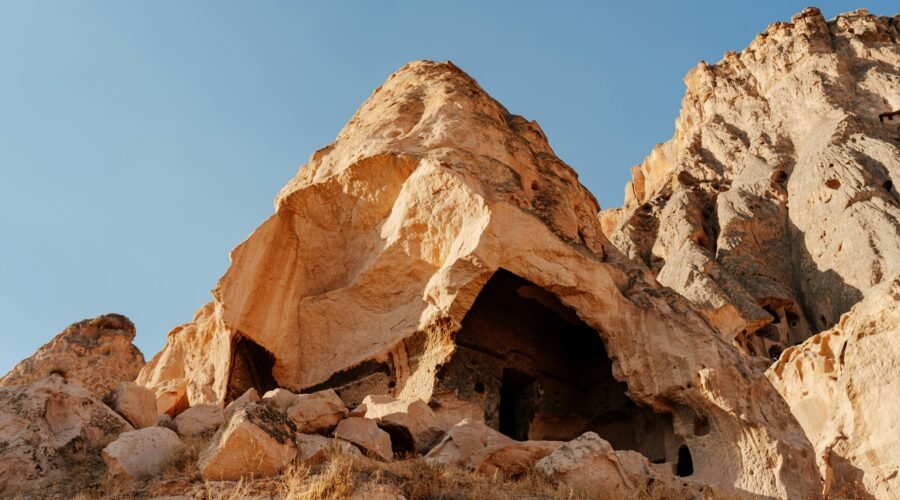
Choosing the best time to visit Aksaray, Turkey, means balancing pleasant weather, beautiful landscapes, tourist crowds, and travel costs. This Central Anatolian destination has warm, dry summers, cold winters, and two comfortable sightseeing periods. Understanding the seasons will help you plan visits to Ihlara Valley, underground cities, historic sites, and nearby Cappadocia attractions.
Quick Answer
The best time to visit Aksaray is May–June or September–October. May offers green landscapes and comfortable hiking weather, while September is warmer and usually drier. July and August are hotter, and December through February brings cold weather and occasional snow. Spring and early autumn provide the best overall balance for sightseeing.
Last checked: October 23, 2026. Dates and figures were verified against official sources.
Key Takeaways
- May has an average daytime high of 23.1°C (73.6°F), making it particularly comfortable for outdoor activities.
- July and August have average highs near 31°C (88°F), with very little rainfall but stronger afternoon heat.
- Aksaray Museum and Aşıklı Höyük offer free admission, while Ihlara Valley and several underground sites charge entrance fees.
- Derinkuyu Underground City is in neighboring Nevşehir province, not Aksaray. Aksaray has its own underground cities at Saratlı.
Best Time to Visit Aksaray: Monthly Weather Guide
Aksaray experiences a continental climate, with significant differences between summer and winter. May, June, September, and October are particularly useful months for travelers who want to spend time outdoors without dealing with extreme temperatures.
The following figures come from the Turkish State Meteorological Service’s official Aksaray climate statistics, covering observations through 2025. Temperatures represent average daily highs and lows, not record temperatures or a forecast for a specific trip.
| Month | Average High / Low | Average Rainfall | Travel Conditions and Crowds |
|---|---|---|---|
| January | 5.6°C / -3.4°C | 40.0 mm | Cold, possible snow; generally quiet outside holidays |
| February | 7.5°C / -2.2°C | 34.3 mm | Cold with possible snow and ice; quieter sightseeing |
| March | 12.6°C / 1.4°C | 40.7 mm | Cool spring days; fewer visitors than main sightseeing periods |
| April | 18.1°C / 5.7°C | 45.4 mm | Good for spring scenery; rain remains possible |
| May | 23.1°C / 9.7°C | 43.4 mm | Excellent hiking weather; popular with outdoor visitors |
| June | 27.2°C / 13.2°C | 28.8 mm | Warm, long days; summer travel activity increases |
| July | 30.7°C / 16.3°C | 7.0 mm | Hot, very dry; summer holiday visitors |
| August | 30.9°C / 16.1°C | 5.7 mm | Hottest and driest period; busy at popular regional attractions |
| September | 26.7°C / 11.5°C | 12.2 mm | Excellent for dry-weather sightseeing and hiking |
| October | 21.0°C / 6.9°C | 23.2 mm | Comfortable days, cooler evenings and autumn colors |
| November | 13.9°C / 2.1°C | 31.3 mm | Quiet and chilly; shorter outdoor sightseeing days |
| December | 7.8°C / -1.2°C | 45.6 mm | Cold and generally quiet; Konya’s December Rumi ceremonies offer a regional event option |
Note: Climate data represents long-term averages for Aksaray, not guaranteed conditions in Ihlara Valley or other nearby locations. Crowd descriptions are general travel-planning guidance rather than official monthly visitor counts.
What Is Aksaray Like During Each Season?
Each season offers a different travel experience. Spring and autumn favor hiking, summer provides longer daylight hours, and winter brings quieter attractions and the possibility of snowy landscapes.
Spring (March–May): Best for Green Landscapes
Spring is one of the most rewarding times to explore Aksaray. Temperatures gradually rise, the countryside becomes greener, and outdoor attractions are more comfortable to visit.
March can still be chilly, especially in the morning. April is milder but has relatively frequent rain. By May, average daytime highs reach 23.1°C, making walking and sightseeing pleasant.
Ihlara Valley is particularly attractive in spring. Trees along the Melendiz River become green, and wildflowers add color to the landscape. The contrast between vegetation and ancient rock-cut churches creates excellent photography opportunities.
Lower humidity compared with many coastal destinations also makes moderate spring warmth comfortable. However, passing rain showers can leave walking paths muddy.
Spring is best for travelers who enjoy nature, photography, historical sites, and walking without extreme heat.
Summer (June–August): Best for Long Days and a Lively Atmosphere
Summer brings Aksaray’s warmest weather and longest days. June is generally more comfortable than July or August, while midsummer requires extra care with outdoor activities.
July and August have average daytime highs of 30.7°C and 30.9°C. Individual heatwaves can push temperatures well above those averages.
Rainfall is limited during midsummer, making dry-weather sightseeing easier to arrange. However, strong sunlight and exposed walking routes can become tiring.
Summer is a common travel period for Turkish families and international tourists visiting the wider Cappadocia region. Popular attractions and restaurants can feel busier, especially on weekends and during school holidays.
June also offers opportunities for cultural events. For example, the Eskil Tuz Gölü International Culture and Tourism Festival took place from June 26–28, 2026, bringing international cultural activities to Aksaray province.
Warning: During summer, prolonged exposure to strong sunlight can cause dehydration or heat illness. Carry water, use sunscreen, wear a hat, and schedule demanding hikes for early morning or late afternoon.
Summer suits travelers who enjoy dry weather, cultural activities, and longer sightseeing days, provided they can manage the heat.
Autumn (September–November): Best for Comfortable Hiking
Early autumn is another excellent time to visit Aksaray. September remains warm and comparatively dry, while October offers cooler conditions and attractive seasonal colors.
September has an average daytime high of 26.7°C and receives about 12.2 mm of rain. This combination makes it especially useful for travelers planning several outdoor excursions.
October cools to an average high of 21°C. Trees around Ihlara Valley may display golden and brown colors, making the landscape appealing for photography.
The surrounding agricultural areas also experience harvest activity during autumn. Depending on the village and crop, visitors may encounter grape harvesting, seasonal produce, and local food traditions.
By November, temperatures fall noticeably. Average nighttime lows reach 2.1°C, so the month is better suited to shorter walks and indoor sightseeing.
September and October are particularly good for couples, photographers, hikers, and travelers who want a relaxed pace without midsummer heat.
Winter (December–February): Best for Quiet Sightseeing
Winter is Aksaray’s coldest period. Snowfall, freezing nights, and occasional icy roads can affect outdoor travel, but the season offers a quieter atmosphere.
January is especially cold, with an average daytime high of 5.6°C and an average nighttime low of -3.4°C. Snow can transform the surrounding landscapes and historic buildings.
Outdoor hiking becomes more challenging when paths are icy or covered with snow. However, museums and underground cities provide alternatives to spending entire days outside.
Winter also offers opportunities to explore the region’s cultural heritage without the same summer holiday activity. Some smaller restaurants and rural accommodation providers may operate shorter hours.
For travelers interested in Sufi traditions, December is a meaningful time to include nearby Konya in a wider itinerary.
Winter is best for visitors who prioritize quiet surroundings, museums, winter photography, and potentially lower accommodation costs.
When Is Aksaray Most Crowded?
Visitor numbers depend on both the season and the attraction. Aksaray is not as heavily touristed as some of Cappadocia’s better-known centers, but popular regional sightseeing routes can still become busy.
Peak Travel Periods: July and August
July and August are important summer holiday months. Families traveling during school breaks and organized tour groups can increase demand for popular attractions and accommodation.
Ihlara Valley, underground cities, and restaurants serving tour routes may receive more visitors during these periods.
Hotels with desirable locations and limited rooms can become harder to book at short notice. Booking in advance gives travelers more accommodation choices.
The atmosphere can also be appealing if you enjoy seeing more visitors around markets, restaurants, and sightseeing areas.
Shoulder Seasons: April–June and September–October
These months offer a useful balance between comfortable temperatures and manageable visitor activity. They are often the easiest periods for planning a flexible outdoor itinerary.
However, comfortable weather also attracts hikers and sightseeing groups. Popular locations can still become busy during weekends, school breaks, and public holidays.
Travelers seeking quieter conditions may prefer weekdays or earlier arrival times at major attractions.
Low Season: November–March
Cold weather generally reduces demand for outdoor tourism. Many sites feel quieter, particularly on ordinary weekdays outside holiday periods.
However, low season does not mean every attraction will be empty. National holidays, school vacations, and regional events can temporarily increase visitor numbers.
For example, Türkiye’s 2026–2027 school calendar includes breaks from November 16–20, 2026, and January 25–February 5, 2027. These periods can influence domestic travel patterns.
How Much Does It Cost to Visit Aksaray?
Aksaray can be a relatively economical destination, but costs depend on accommodation, transportation, meals, and the attractions you choose. Flights and hotels do not follow a fixed seasonal price schedule.
Accommodation and Transportation Costs by Season
During July and August, summer holiday demand may push up hotel rates, especially for small guesthouses and properties near popular sightseeing routes.
Spring and autumn can offer good overall value because you may spend more time outdoors in comfortable weather without needing special arrangements for extreme heat or snow.
Winter accommodation can be less expensive when demand falls, although heating costs, holiday travel, and limited rural availability can offset some savings.
Flights into the wider region also vary by departure city, travel dates, and booking conditions. Rather than assuming winter is always cheapest, compare the total cost of flights, ground transportation, and accommodation.
Official Attraction Entrance Fees
Several attractions in Aksaray have government-listed entrance fees. The following amounts are based on the Turkish Ministry of Culture and Tourism’s published museum and archaeological-site admission schedule.
| Attraction | Listed Admission | Location |
|---|---|---|
| Ihlara Valley Archaeological Site | €15 | Güzelyurt, Aksaray |
| Aksaray Monastery Valley | €4 | Güzelyurt, Aksaray |
| Aksaray Museum | Free | Aksaray city |
| Saratlı Kırkgöz Underground City | €3 | Gülağaç, Aksaray |
| Aziz Mercurius Underground City | €3 | Saratlı, Aksaray |
| Aşıklı Höyük | Free | Aksaray province |
These are the published admission amounts for the general visitor tariff. Turkish citizens may qualify for MüzeKart admission, and other eligibility rules can affect the actual price paid.
Entrance prices can change independently of hotel and transport costs. Travelers planning several ticketed attractions should account for each admission separately.
How to Save Money
- Consider November through February if accommodation savings matter more than warm weather.
- Travel during May, June, September, or October for a balance of sightseeing comfort and value.
- Include free museums and archaeological sites when planning your sightseeing budget.
- Compare independent travel with guided excursions that include transportation and entrance fees.
- Choose accommodation near the attractions you plan to visit most, reducing unnecessary travel.
Restaurant prices and souvenir costs are generally influenced more by the specific business and location than by a predictable seasonal schedule. Choosing local dining establishments can help keep everyday spending manageable.
What Festivals and Events Take Place Around Aksaray?
Cultural events can make a visit more memorable, but their dates are not always the same each year. The most useful approach is to distinguish confirmed events from informal or unverified festival listings.
Spring and Early Summer: Local Culture and Festivals
Spring brings outdoor community activities and opportunities to experience the area’s agricultural traditions. Event programs may include cultural performances, local food, and seasonal celebrations.
A documented example is the Eskil Tuz Gölü International Culture and Tourism Festival, held from June 26–28, 2026, in the Eskil district of Aksaray province.
The event brought participants from different countries together for cultural activities, exhibitions, music, and food experiences. The dates were announced in local reporting on the 2026 Eskil festival.
Those dates apply to 2026 and should not be treated as confirmed dates for future editions.
Summer: Cultural Programs and Holiday Activity
Summer is a common period for concerts, community gatherings, and local cultural programs across Türkiye. Some events draw visitors from surrounding towns and provinces.
The longer evenings also make summer attractive for open-air activities after the hottest part of the day.
For travelers who prefer a lively atmosphere, a summer visit may provide more opportunities to join community events alongside conventional sightseeing.
Autumn: Harvest Traditions and National Holidays
Autumn offers opportunities to experience agricultural activity and regional food traditions. Harvest timing depends on local crops, weather, and the particular village.
National holidays are another planning consideration. Türkiye celebrates Republic Day on October 29. In 2026, the holiday includes a half-day on October 28 and the full holiday on October 29.
The official Turkish holiday calendar confirms these dates.
Public holidays may affect transportation demand, business hours, and accommodation availability even during otherwise quieter travel periods.
Winter: The Mevlana Şeb-i Arûs Ceremonies
One of Central Anatolia’s most important December cultural events takes place in nearby Konya rather than Aksaray.
The International Commemoration Ceremony for Mevlana, also called Şeb-i Arûs, commemorates the Sufi poet and thinker Jalal al-Din Rumi.
For 2026, the official Şeb-i Arûs program confirms ceremonies from December 7–17, 2026, at the Konya Mevlana Cultural Center.
Tickets are sold for the main ceremonies, while certain associated cultural and artistic activities are free.
This event is a good reason for travelers interested in Sufi culture to combine an Aksaray visit with time in Konya.
Best Time for Outdoor Activities and Sightseeing
Aksaray’s landscapes and historic attractions make it suitable for several types of travel. The ideal season depends on whether you prefer hiking, underground exploration, photography, or relaxed cultural sightseeing.
Hiking in Ihlara Valley: May, June, September and October
Ihlara Valley is one of Aksaray’s main attractions. The canyon is approximately 14 kilometers long and follows the Melendiz River through the Güzelyurt district.
Its cliffs, riverside vegetation, and rock-cut churches create a distinctive combination of nature and history.
The official Ihlara Valley archaeological-site information describes a valley extending from Ihlara through Belisırma and Yaprakhisar toward Selime.
May and early June are particularly attractive for green scenery. September and October offer good conditions for walking while avoiding the harshest summer temperatures.
Visitors do not need to walk the entire valley to enjoy its scenery. Choose a shorter section based on your available time, fitness, and preferred entry point.
During wet weather, some paths may become slippery. Suitable walking shoes are useful throughout the year.
Exploring Underground Cities: Year-Round
Underground cities are suitable for visits throughout much of the year because the underground environment is generally cooler and more stable than the open-air climate.
Aksaray province has several important underground attractions, including Saratlı Kırkgöz and Aziz Mercurius Underground City.
Saratlı Kırkgöz contains connected underground chambers and passages associated with historic daily life. Aziz Mercurius includes underground rooms and religious structures.
Derinkuyu Underground City is another major regional attraction, but it is located in Nevşehir province. The official Derinkuyu visitor information describes its eight-level underground complex.
These attractions can be welcome alternatives during summer heat or winter cold, although their narrow passages and stairs may not suit every visitor.
Photography: Spring, Autumn and Winter
Different seasons produce different photographic opportunities around Aksaray.
- Spring: Green landscapes, riverbank trees, wildflowers, and brighter natural colors in Ihlara Valley.
- Summer: Long daylight hours, dry open landscapes, and clear views around the region’s plains and volcanic scenery.
- Autumn: Yellow and brown foliage, softer seasonal light, traditional villages, and agricultural landscapes.
- Winter: Snow-covered hills, ancient structures, and dramatic contrasts between white ground and dark volcanic rock.
For landscape photographers who want greenery, May is a strong choice. Those who prefer warm autumn colors may find October more appealing.
Museums and Historic Towns: Good Options in Every Season
Aksaray Museum offers an alternative to outdoor sightseeing and helps visitors understand the area’s long history.
The museum displays archaeological material from different periods and provides a useful introduction to the region’s cultural development.
According to the official Aksaray Museum visitor listing, admission is free. The museum operates from 9:00 a.m. to 4:30 p.m. and is closed on Mondays.
Güzelyurt is another worthwhile area for historical exploration, with traditional architecture, religious heritage, and access to the nearby Monastery Valley.
These places are particularly useful on days when the weather makes a long hike less attractive.
Practical Tips for Planning an Aksaray Trip
Choosing the right month is only one part of planning a successful visit. Transportation, attraction schedules, clothing, and the location of your accommodation also affect how much you can enjoy each day.
Getting to Aksaray
Aksaray does not have its own commercial airport. Visitors typically arrive through another city and continue by road.
According to the Aksaray Provincial Directorate of Culture and Tourism’s transportation information, Nevşehir Kapadokya Airport is the nearest airport, approximately 74 kilometers away.
Other regional airports include Konya and Ankara Esenboğa. Intercity buses also connect Aksaray with major Turkish cities.
If you want to visit several rural attractions, renting a car or joining a guided excursion can be more practical than relying entirely on local transport.
Opening Hours and Seasonal Changes
Official visitor hours may change between the main tourism season and the colder months.
The Ihlara Valley visitor listing shows regular hours from 8:30 a.m. to 5:00 p.m., with the ticket office closing at 4:15 p.m.
However, the Ministry of Culture and Tourism’s 2026 seasonal visiting-hours announcement extended closing time to 7:00 p.m. for Ihlara Valley and selected underground attractions between May 1 and October 1, 2026.
These extended hours applied to the stated 2026 period and should not be assumed for another year.
Because seasonal schedules can change, plan your visit around the applicable posted opening and ticket-office times.
What to Pack for Each Season
- Spring: Comfortable walking shoes, a light jacket, and rain protection.
- Summer: Breathable clothing, sunscreen, sunglasses, a sun hat, and drinking water.
- Autumn: Layered clothing, walking shoes, and a warmer jacket for evenings.
- Winter: Insulated layers, gloves, a warm coat, and footwear with good traction.
Even during warm months, evening temperatures can fall noticeably. A light extra layer is useful for early departures and outdoor dining.
Which Time of Year Is Best for Your Travel Style?
The best season is not identical for every traveler. Someone planning long hikes may prefer May, while someone seeking quiet museums or snowy landscapes may deliberately choose winter.
If You Want to Avoid Crowds
November through March is generally the quieter part of the year for outdoor tourism. Visitors willing to accept cold weather may find a more peaceful atmosphere.
April, May, September, and October offer a compromise between good weather and manageable tourism activity.
If You Are Traveling on a Budget
Winter may provide lower accommodation rates outside holiday periods, but prices vary between properties.
Travelers who want good value without winter conditions should consider May, June, September, or October.
If Comfortable Weather Matters Most
May and October offer especially pleasant daytime temperatures for many visitors. September is warmer and usually drier than spring.
June is also a good choice if you enjoy warm conditions and longer daylight hours.
If You Enjoy Festivals and a Lively Atmosphere
Summer travel provides opportunities to experience local gatherings, community activities, and the wider region’s tourist atmosphere.
December may appeal to visitors interested in combining Aksaray with the Şeb-i Arûs ceremonies in Konya.
The Overall Best Choice
For most travelers, May–June and September–October remain the strongest choices. These months provide good opportunities to explore Ihlara Valley, visit historical attractions, and enjoy Aksaray without the main disadvantages of midsummer or midwinter.
If choosing just one month, May is particularly appealing for green landscapes and comfortable hiking. September is an excellent alternative for those who prefer warm, relatively dry conditions.
Choose your travel month based on the outdoor activities you value most, then organize your sightseeing route around the weather and the locations of your selected attractions.
Frequently Asked Questions
What is the best single month to visit Aksaray?
May is a strong choice for most visitors. Its average daytime high is 23.1°C, while Ihlara Valley is often green and well suited to walking. September is another good option, with a 26.7°C average high.
Does it snow in Aksaray, Turkey?
Yes. Snow and freezing nights occur in winter, especially around January and February. The official January average low is -3.4°C, so take warm layers and allow for icy paths and roads.
Is Aksaray too hot in July and August?
July and August are hot for long outdoor walks. Their average daytime highs are 30.7°C and 30.9°C, and individual days can be hotter. Explore exposed areas early or late in the day.
Can you visit Ihlara Valley in winter?
Yes. The official Ihlara Valley listing says it is open daily, but opening hours vary by season. Snow, ice, or poor conditions can still make parts of the hiking route difficult or unsafe.
What is the cheapest time to visit Aksaray?
Winter often brings less demand for accommodation, particularly outside holidays, but no month guarantees the lowest rate. Aksaray Museum and Aşıklı Höyük are listed as free attractions, which can help lower sightseeing costs.
Is Derinkuyu Underground City in Aksaray?
No. Derinkuyu Underground City is in Nevşehir province and can be included as a regional side trip. For underground cities within Aksaray province, consider Saratlı Kırkgöz or Aziz Mercurius.
Which festivals should visitors plan around?
The Eskil Tuz Gölü International Culture and Tourism Festival took place on June 26–28, 2026, in Aksaray province. The confirmed Şeb-i Arûs ceremonies run December 7–17, 2026, in neighboring Konya, not Aksaray.
Sources
- Turkish State Meteorological Service: Aksaray monthly average temperatures, rainfall, and historical climate data.
- Ministry of Culture and Tourism — Museum Admission Fees: Published entrance fees and free-admission listings for Aksaray attractions.
- Ministry of Culture and Tourism — Ihlara Valley: Valley description, location, and regular visiting hours.
- Ministry of Culture and Tourism — Aksaray Museum: Museum admission, visiting hours, and exhibits.
- Ministry of Culture and Tourism — Derinkuyu Underground City: Official attraction location and historical information.
- Aksaray Portal — Eskil Festival Announcement: June 26–28, 2026, festival dates and activities.
- Official Şeb-i Arûs Website: December 7–17, 2026, ceremony dates, location, and ticket information.
- Borsa İstanbul — Official Holidays: Confirmed national holiday dates for 2026.
- Turkish Ministry of National Education: Official 2026–2027 school calendar and vacation dates.
- Aksaray Provincial Directorate of Culture and Tourism: Transportation options, airport information, and road access.
- Ministry of Culture and Tourism — 2026 Seasonal Visiting Hours: Extended summer opening hours for Ihlara Valley and selected underground attractions.