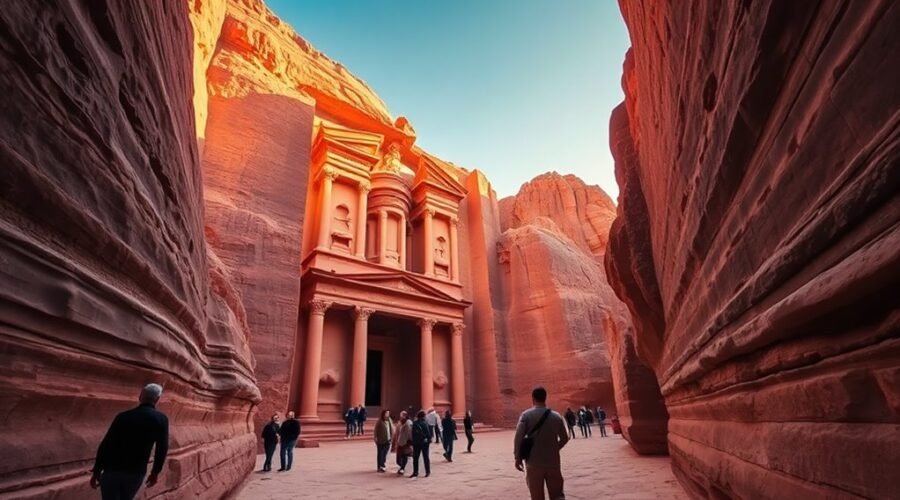
The best time to visit Jordan depends on whether you want comfortable hiking weather, fewer crowds, or lower travel costs. Petra, Wadi Rum, the Dead Sea, and Aqaba experience different temperatures, even during the same month. Choosing the right season can make your trip more enjoyable and help you avoid expensive booking mistakes.
Quick Answer
The best time to visit Jordan is April or October if you want comfortable days for Petra, Wadi Rum, and Jerash. March and November offer a useful balance of weather and travel flexibility. For quieter attractions and lower hotel rates, consider January or February, but prepare for cold nights, rain, and occasional site closures.
Also compare: Uçhisar, Nevşehir.
Last checked: November 15, 2026. Dates and figures were verified against official and authoritative sources.
Key Takeaways
- March to May: Spring wildflowers and comfortable hiking weather make this a popular season, especially around Petra and northern Jordan.
- June to August: Summer brings intense heat to Aqaba and the desert. Petra can be quieter, while the Jerash Festival adds cultural activities.
- September to November: October offers excellent sightseeing weather but is often busy and expensive. Late November can be quieter.
- December to February: Winter offers lower demand at major attractions, but cold nights, rain, and occasional snow require flexible plans.
- Destination matters: Petra and Wadi Rum favor cooler weather, while Aqaba remains suitable for diving throughout the year.
Jordan’s Climate: What Every Traveler Needs to Know First
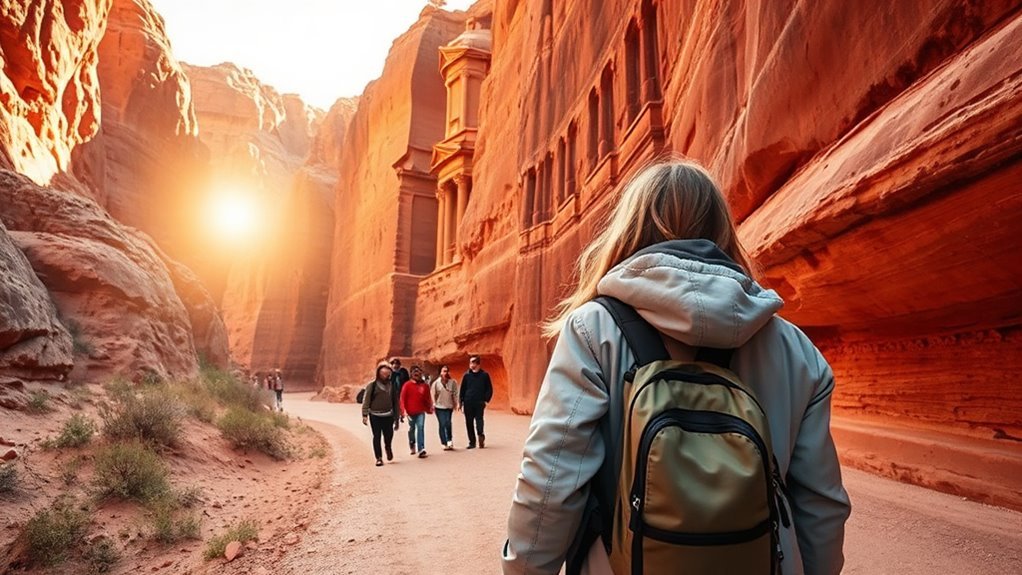
Jordan has several climate zones, so the weather in Amman can feel very different from conditions at the Dead Sea or Aqaba. Elevation, season, and location all affect the temperatures you experience.
Amman and the western highlands have a Mediterranean-influenced climate, with cool, wetter winters and hot, dry summers. Petra sits in the southern highlands, where winter nights can be particularly cold.
The Jordan Valley and Dead Sea lie far below sea level, making them considerably warmer. Aqaba, on the Red Sea, stays warm throughout the year. Wadi Rum has a dry desert climate with large differences between daytime and nighttime temperatures.
The World Meteorological Organization’s Amman climate data, supplied by the Jordan Meteorological Department, shows average daytime highs of 12.3°C (54°F) in January and 32.4°C (90°F) in August.
Meanwhile, 1991–2020 NOAA-based climate averages for Aqaba’s King Hussein International Airport show average daily highs of approximately 20.7°C (69°F) in January and 40.3°C (105°F) in July.
Jordan’s Seasons at a Glance
The following comparison shows which season best matches your priorities. Temperatures are approximate average daytime highs from the cited Amman and Aqaba climate datasets, not forecasts for every location.
| Season | Typical Weather | Crowds and Costs | Best For |
|---|---|---|---|
| Spring: March–May | Amman 17–28°C; Aqaba 27–36°C | High demand, especially April | Hiking, wildflowers, Petra, Jerash |
| Summer: June–August | Amman 31–32°C; Aqaba 39–40°C | Quieter at Petra; demand varies elsewhere | Early sightseeing, cultural festivals, diving |
| Fall: September–November | Amman 31–20°C; Aqaba 37–27°C | Busy October; generally quieter later in November | Desert trekking, photography, Red Sea activities |
| Winter: December–February | Amman 12–14°C; Aqaba 21–23°C | Usually quieter, outside holiday periods | Budget travel, museums, quieter ruins |
These averages explain why spring and autumn attract so many visitors. However, neither season guarantees low prices or empty attractions.
Another factor is Jordan’s holiday calendar. Ramadan and the two Eid holidays follow the Islamic lunar calendar, so their dates change each year. They can affect restaurant hours, local celebrations, transportation demand, and accommodation availability.
Warning: Good weather does not guarantee safe travel. The U.S. Department of State’s October 23, 2026 advisory places Jordan at Level 3, Reconsider Travel, with stronger warnings for certain areas. Regional tensions may also disrupt flights. Review your own government’s advisory and travel insurance coverage before booking.
Spring in Jordan: The Best Time to Visit for Most Travelers
Spring, from March through May, is one of the best seasons for exploring Jordan’s historic sites and natural landscapes. Temperatures are generally comfortable in the highlands, and wildflowers appear after winter rainfall.
Petra, Wadi Rum, Jerash, and the Dead Sea are especially appealing during this period. However, spring is a popular travel season, and accommodation near major attractions can be expensive.
Spring Weather Conditions Overview
March starts relatively cool, while April provides a comfortable middle ground before temperatures rise in May. Conditions vary considerably between the highlands and the lower desert regions.
In Amman, average daytime highs increase from 17.2°C (63°F) in March to 22.6°C (73°F) in April and 27.8°C (82°F) in May.
Spring weather offers several advantages:
- Comfortable walking conditions: Mild mornings make Petra’s long trails and Jerash’s archaeological ruins easier to explore.
- Spring flowers: Rain-fed vegetation and seasonal flowers appear in northern Jordan and the highlands.
- Outdoor activities: Hiking, guided desert tours, and sightseeing become more comfortable than during summer.
- Longer daylight: Increasing daylight hours provide more time for outdoor exploration.
March can still bring rain and chilly evenings. By late May, the Dead Sea, Aqaba, and parts of Wadi Rum can become uncomfortably hot during the afternoon.
Popular Attractions During Spring
Spring is particularly well suited to travelers who want to combine Jordan’s most famous attractions in one trip. You can explore ancient sites, enjoy desert scenery, and spend time near the water without changing seasons.
| Attraction | Spring Highlight | Best Month |
|---|---|---|
| Petra | Mild walking weather and spring greenery | March–April |
| Wadi Rum | Comfortable desert trekking and overnight camps | March–April |
| Dead Sea | Pleasant temperatures for floating and relaxing | March–April |
| Jerash | Roman ruins without intense summer heat | April |
| Amman | Markets, restaurants, museums, and outdoor dining | March–May |
Petra is especially rewarding in April. Its sandstone passages, carved monuments, and longer hiking routes are easier to enjoy before summer temperatures arrive.
Wadi Rum also offers favorable conditions for jeep tours and hiking. At the Dead Sea, spring temperatures are generally more comfortable for enjoying the shoreline.
Amman is worth including for its traditional markets, local restaurants, and Jordanian cuisine. Try mansaf, falafel, hummus, and freshly prepared bread while exploring the city.
Spring also includes Jordan’s Independence Day on May 25. The Jordan Tourism Board’s public-holiday information lists Independence Day as a fixed national holiday.
However, the major Jerash Festival for Culture and Arts is generally a summer event, not a spring festival.
Spring Travel Costs Breakdown
Spring generally costs more than winter because demand rises for comfortable weather and outdoor sightseeing. The largest differences often appear in hotels near Petra and desert camps in Wadi Rum.
Your spring budget depends on three main expenses:
- Accommodation: Hotels in Wadi Musa, Amman, and popular tourist areas may charge higher rates during busy spring weeks.
- Tours and activities: Private guides, Wadi Rum jeep tours, and organized excursions add to your total spending.
- Food and cultural experiences: Restaurant meals, food tours, and market visits can range from inexpensive local options to premium guided experiences.
The original 15–25% spring hotel premium should not be treated as a fixed national rate. Actual price differences depend on the property, booking date, and demand.
For better value, consider early March or the later part of May. March may still be cool, while late May can be hot, especially in southern Jordan.
Reserve popular accommodation early if you plan to travel during April. This matters most in Wadi Musa, where hotels close to Petra are convenient for early entry.
Summer in Jordan: Too Hot or Worth the Risk?
Summer, from June through August, is the hottest season in Jordan. It can be difficult for long hikes, particularly around the Dead Sea, Aqaba, and the exposed desert.
However, summer can still work if you organize your activities around the heat. Petra generally attracts fewer visitors than during the comfortable spring and autumn months.
July is especially hot in Aqaba, where the average daytime high is about 40.3°C (105°F). Amman is cooler, with an average July high of 32°C (90°F).
For summer sightseeing, organize your day around these activities:
- Petra: Enter at opening time and finish the most exposed walking routes early.
- Wadi Rum: Choose early jeep tours and evening camp activities rather than strenuous midday trekking.
- Dead Sea: Visit during cooler hours and use managed beach facilities.
- Aqaba: Schedule snorkeling, swimming, or diving around comfortable conditions and the operator’s safety guidance.
- Amman: Visit museums, covered markets, restaurants, and other indoor attractions during the hottest hours.
Summer also brings one of Jordan’s biggest cultural events.
Jerash Festival: A Major Summer Attraction
The Jerash Festival for Culture and Arts traditionally takes place in late July and early August. It includes music, theater, poetry, traditional performances, handicrafts, and other cultural activities.
According to the Jordan News Agency’s official announcement, the 40th edition was scheduled from July 22 through August 2, 2026.
Festival performances can attract local and international visitors. Some cultural displays may be free to explore, while particular performances or organized events may require tickets.
This makes summer a reasonable choice if cultural events matter more to you than comfortable hiking temperatures.
How to Handle Jordan’s Summer Heat
Summer travel requires more careful preparation than spring or autumn. Petra’s long walking routes and Wadi Rum’s exposed terrain offer limited protection from strong sunlight.
Carry at least three liters of drinking water for a full day of hot-weather sightseeing, adjusting your supply to your activity level, personal needs, and access to refills.
Wear loose, breathable clothing, a wide-brimmed hat, sunglasses, and sunscreen. Choose accommodation with reliable air conditioning, especially in Aqaba and the Dead Sea region.
Take regular breaks in shaded areas, and avoid pushing through symptoms such as dizziness, nausea, unusual fatigue, or confusion.
Who should choose summer? Travelers comfortable with heat, people interested in the Jerash Festival, and visitors who prioritize quieter archaeological sites over long desert hikes.
Fall in Jordan: Comfortable Weather, Busy October, and Better Late-Season Value
Fall, from September through November, is another excellent season for visiting Jordan. Summer heat gradually fades, making Petra, Wadi Rum, and other outdoor attractions more comfortable.
However, October is a popular travel month, not automatically a quiet or inexpensive one. The best balance depends on whether you travel in September, October, or November.
Fall Weather Breakdown
September remains warm, particularly in the Jordan Valley and Aqaba. October provides some of the most comfortable sightseeing conditions, while November brings cooler evenings and a greater chance of rain.
In Amman, average daytime highs fall from 30.7°C (87°F) in September to 27.1°C (81°F) in October and 20.4°C (69°F) in November.
These changes make fall suitable for several activities:
- Amman and northern Jordan: October and November offer comfortable conditions for exploring historic streets, ruins, and cultural attractions.
- Petra and Wadi Rum: October and early November are especially attractive for longer walks and desert adventures.
- Aqaba: Warm seawater continues to support snorkeling and diving well into autumn.
- Dead Sea: Lower air temperatures make beach visits more comfortable than during midsummer.
Fall also brings seasonal agricultural activities, including Jordan’s olive harvest, which generally begins around late September or October.
In rural areas, local markets and olive-growing communities can provide opportunities to learn about traditional food production.
Do Crowds Drop During Fall?
Crowds do not decrease evenly throughout autumn. September can be less busy than October, but warmer weather may limit how much sightseeing you can comfortably do.
October often attracts visitors because its weather is favorable for Petra, Wadi Rum, and outdoor activities. Popular hotels and tours may therefore be in high demand.
November can provide a quieter experience as temperatures fall and the winter season approaches.
For travelers hoping to photograph Petra without large groups, late November can be a worthwhile compromise. However, the shorter days and increased chance of rain are important trade-offs.
Even during busy periods, visiting major attractions at opening time usually gives you a better chance of enjoying quieter surroundings.
When Can You Find Better Fall Travel Deals?
Late November is generally a better period for finding lower accommodation rates than peak October. September may also offer value at some properties, particularly before the busiest autumn weeks.
However, fall hotel prices are not consistently 20–40% below spring rates. October can be just as expensive as April.
To control costs:
- Compare the same hotel across September, October, and November rather than assuming autumn rates are lower.
- Look at guesthouses in Wadi Musa if Petra is your main destination.
- Compare private and shared Wadi Rum excursions before booking.
- Consider spending more nights in one location to reduce repeated transportation costs.
International flight prices depend heavily on your departure city, airline availability, holidays, and booking date.
Who should choose fall? Travelers who want comfortable desert activities, clear photography conditions, and warm Red Sea experiences. October suits weather-focused visitors, while November may suit travelers who value smaller crowds.
Winter in Jordan: Cold Nights, Occasional Snow, and Lower Prices
Winter, from December through February, is generally Jordan’s quietest season for sightseeing. Hotel demand can be lower, and popular attractions may feel much less crowded.
However, winter weather can be challenging. Amman and Petra experience cold temperatures, while rain, strong winds, and occasional snowfall can disrupt outdoor plans.
Amman’s average daytime high is approximately 12.3°C (54°F) in January. Nighttime temperatures are much lower, and cold spells can bring freezing conditions.
Petra occasionally receives snow because of its elevation. Wadi Rum also becomes very cold after sunset, particularly during overnight desert camping.
What Can You Do in Jordan During Winter?
Winter is suitable for travelers who enjoy quieter historic attractions and do not mind wearing extra layers.
- Petra: Explore the Siq, Treasury, and archaeological remains on dry days when the site is open.
- Jerash: Walk through Roman ruins without the intense summer heat.
- Amman: Visit museums, traditional restaurants, markets, and indoor cultural attractions.
- Aqaba: Enjoy comparatively mild coastal weather and year-round diving opportunities.
- Wadi Rum: Experience desert scenery and stargazing when weather conditions allow.
- Dana Biosphere Reserve: Explore accessible areas or suitable trails when seasonal facilities and weather conditions permit.
Aqaba is especially appealing if you want warmer winter afternoons. Its average January high of approximately 20.7°C (69°F) is considerably higher than Amman’s.
Winter can also bring quieter local experiences, with more opportunities to spend time in traditional restaurants and markets away from the busiest tourism periods.
Warning: Heavy rainfall can cause dangerous flash floods in Petra, Wadi Mujib, and other narrow canyons. UNESCO’s research on Petra’s flood hazards documents serious historical flooding. Never enter a canyon during a flood warning, and follow local closure instructions even if rain is not falling directly overhead.
Is Winter the Cheapest Time to Visit Jordan?
January and February often provide some of the best opportunities for lower hotel prices near Petra and other major attractions.
December can also offer value, although Christmas and New Year travel may increase demand at some hotels.
The main disadvantage is uncertainty. Rain, cold weather, or temporary trail closures can prevent you from completing outdoor activities.
If you choose winter, prioritize accommodation with reliable heating. This is particularly important for desert camps and properties in the highlands.
Who should choose winter? Budget-conscious travelers, photographers who value quiet archaeological sites, and visitors who can adjust their itinerary around changing weather.
The Best Time to Visit Petra Without the Crowds
The best time to visit Petra with fewer people is generally January, February, or late November. These months usually attract less sightseeing demand than April and October.
However, the quietest months are not always the most comfortable. Winter visitors must prepare for cold mornings, rain, and occasional restrictions on access to trails.
Optimal Low-Season Months
January and February are strong choices if your main priority is avoiding large tour groups. You may find more space along the Siq and easier opportunities to photograph the Treasury.
There are three main advantages:
- Lower accommodation demand: Hotels and guesthouses in Wadi Musa may offer better value than during peak spring and autumn.
- Quieter archaeological areas: Smaller visitor numbers can make popular monuments more enjoyable.
- Cooler walking weather: Dry winter days can be comfortable for hiking if you wear appropriate clothing.
Late November offers another option. The weather can be milder than midwinter, although rain becomes more likely as the season progresses.
For the most comfortable overall conditions, March, April, October, and early November remain better choices for many visitors.
Early Morning Entry Tips
Arriving when Petra opens is one of the most effective ways to avoid crowds. You can walk through the Siq before many organized tours arrive and enjoy cooler temperatures.
Petra’s opening hours change with the season.
The official Visit Petra opening-hours schedule lists these periods:
- Summer schedule: March 2 through October 1, 2026, from 6:00 a.m. to 6:00 p.m.
- Winter schedule: October 2, 2026, through March 1, 2027, from 6:30 a.m. to 5:00 p.m.
These are the published hours for the stated periods. Entry times may change during special events, extreme weather, or other operational circumstances.
If you are staying in Wadi Musa, choose accommodation close enough to reach the visitor center before opening.
Prepare your ticket or Jordan Pass in advance where possible. Licensed guides can also be arranged through Petra’s visitor center.
Wear comfortable walking shoes and bring a light jacket for cold mornings. The temperature can rise considerably by midday, especially during spring and autumn.
Pro Tip: Stay overnight in Wadi Musa before visiting Petra. This avoids a long early-morning drive from Amman and gives you more flexibility to enter at opening, explore the Treasury, and continue toward the Monastery if conditions permit.
Avoiding Peak Tourist Hours
Petra tends to become busier during the morning and early afternoon as tour groups arrive. Planning your walking route carefully can help you avoid the busiest sections.
Try these three approaches:
- Arrive at opening: Walk through the Siq before the main flow of visitors builds.
- Explore farther into Petra: Continue beyond the Treasury toward other archaeological areas rather than spending your entire visit at the main entrance.
- Consider a weekday: Midweek visits can sometimes be quieter, although group-tour schedules and holidays still affect attendance.
Staying later in the afternoon can also be rewarding. However, allow enough time to return to the entrance before the site’s closing and evacuation requirements.
Do not assume that a quiet morning guarantees empty monuments. Visitor numbers vary with the weather, tour schedules, and regional travel conditions.
The Best Time to Visit Wadi Rum for Desert Trekkers
The best time to visit Wadi Rum for trekking is generally October through April. The most comfortable periods are often March, April, October, and November.
These months provide better conditions for hiking, climbing, and jeep tours than the intense heat of midsummer.
Wadi Rum’s red sandstone mountains, open desert, and narrow canyons make it one of Jordan’s most distinctive outdoor destinations.
Wadi Rum Weather by Season
Spring brings mild to warm daytime conditions, making it attractive for longer walks and guided desert tours.
Summer can be extremely hot, especially during exposed afternoon activities. Winter days may feel pleasant in direct sunlight, but nights can approach freezing.
Each season offers a different experience:
- March–April: A strong choice for hiking, jeep tours, camping, and photography.
- May–September: Warmer to extremely hot conditions. Limit demanding outdoor activities during midday.
- October–November: Comfortable temperatures return, making this another excellent period for desert exploration.
- December–February: Cooler days and cold nights suit well-prepared travelers who can manage changing weather.
Wadi Rum is also famous for its night sky. Remote locations away from camp lighting offer excellent opportunities for stargazing when the sky is clear.
However, the visibility of the Milky Way depends on cloud cover, moonlight, atmospheric conditions, and the time of year. Winter is not automatically better than every other season.
Pack warm layers for an overnight camp, even if the afternoon is comfortable.
For longer treks, choose an experienced local guide who understands desert routes, changing conditions, and available water supplies.
Desert camping prices depend on accommodation type, meals, transport, and whether a jeep tour is included.
Best Time to Visit the Dead Sea and Aqaba
The best time to visit the Dead Sea is generally spring or autumn, when air temperatures are more comfortable. Aqaba is suitable for diving throughout the year, although water and weather conditions change by season.
Because both destinations are relatively warm, they can also be attractive during winter.
Best Time to Visit the Dead Sea
March through May and October through November offer pleasant conditions for floating in the Dead Sea and relaxing at shoreline resorts.
The Dead Sea lies far below sea level, so summer temperatures can exceed 40°C (104°F). The intense heat can make long periods outside uncomfortable.
Winter is another option, particularly if you prefer fewer visitors. However, cooler weather and wind may affect your comfort when entering or leaving the water.
The Dead Sea’s unusually high salt concentration makes floating easy, but it also requires care.
Avoid getting the water in your eyes or mouth. Do not enter with fresh cuts or irritated skin, and use a managed swimming area where facilities and safety assistance are available.
Best Time to Visit Aqaba for Diving and Snorkeling
Aqaba offers year-round scuba diving, but spring and autumn provide a comfortable balance of air temperature and water conditions.
The official Visit Aqaba diving information states that the area’s water temperature averages approximately 22.5°C (72.5°F), drops to around 20°C (68°F) in winter, and underwater visibility generally exceeds 20 meters.
There are more than 20 dive sites along Aqaba’s coastline, including coral reefs, underwater walls, and wrecks.
For most visitors:
- March–May: Comfortable air temperatures and appealing conditions for water activities.
- June–August: Warm water, but very hot weather above the surface.
- September–November: Warm seawater and more comfortable outdoor temperatures as autumn progresses.
- December–February: Diving remains possible, although cooler water may require appropriate exposure protection.
Visibility and diving conditions vary with weather, currents, and the specific dive site. Choose a qualified operator who can assess conditions on the day.
If you want to visit both the Dead Sea and Aqaba on the same trip, March, April, October, or November provide a practical seasonal balance.
How Peak Season Affects Jordan Flight and Hotel Costs
Jordan’s travel costs generally rise during the popular spring and autumn sightseeing periods. April and October are often busy because their temperatures suit Petra, Wadi Rum, and other outdoor attractions.
Winter and the hottest summer weeks may offer lower accommodation costs in some destinations. However, prices vary by location, hotel category, and local events.
How Much Does Petra Cost?
Some Jordan travel expenses are fixed admission fees rather than seasonal hotel rates.
The official Petra admission-fee schedule lists these prices for foreign visitors staying at least one night in Jordan:
- One-day Petra ticket: 50 Jordanian dinars (JD).
- Two-day Petra ticket: 55 JD.
- Three-day Petra ticket: 60 JD.
The official schedule also lists a 90 JD one-day ticket for visitors who do not stay overnight in Jordan. Different rates apply to certain residents, Jordanian citizens, and other eligible categories.
For travelers visiting several attractions, the Jordan Pass may be worth considering.
Jordan Pass Prices and What You Get
The official Jordan Pass package page lists three options:
| Jordan Pass | Price | Petra Entry |
|---|---|---|
| Jordan Wanderer | 70 JD | 1 day |
| Jordan Explorer | 75 JD | 2 consecutive days |
| Jordan Expert | 80 JD | 3 consecutive days |
All three packages include entry to more than 40 attractions. They can also waive the tourist entry visa fee for eligible travelers who purchase the pass before arrival and stay at least two nights, covering three days.
The standard single-entry tourist visa fee listed by Jordan’s tourism ministry is 40 JD. However, a Jordan Pass does not automatically make every nationality eligible for a visa on arrival.
These figures were published on the official websites when checked in November 2026.
How to Reduce Jordan Travel Costs
Hotel rates are more flexible than admission fees. You can often save money by choosing less popular travel dates or staying outside the most expensive tourist areas.
Consider these strategies:
- Travel in January, February, or late November if you can handle cooler weather.
- Compare hotel prices across several dates instead of assuming one season is always cheaper.
- Set flight-price alerts using Google Flights.
- Compare hotel direct-booking prices with reputable accommodation platforms.
- Choose shared tours when they suit your itinerary and comfort level.
- Use the Jordan Pass only when its included attractions and entry conditions make financial sense for your trip.
Remember that a lower hotel rate does not necessarily mean a cheaper trip if poor weather forces you to cancel outdoor activities or book replacement transportation.
Month-by-Month Guide: When to Visit Jordan
Jordan’s weather changes considerably from January to December. Comparing individual months helps you choose the best time for your preferred attractions and travel budget.
The following figures show average daily maximum temperatures, not the highest temperatures that can occur. Amman values come from the WMO’s published Jordan Meteorological Department data. Aqaba values come from NOAA GSOD-based 1991–2020 airport climate averages.
| Month | Amman Average High | Aqaba Average High | Travel Highlights |
|---|---|---|---|
| January | 12.3°C / 54°F | 20.7°C / 69°F | Quieter Petra, cold highlands |
| February | 13.7°C / 57°F | 22.9°C / 73°F | Budget travel, warmer Aqaba |
| March | 17.2°C / 63°F | 26.5°C / 80°F | Spring scenery, outdoor exploration |
| April | 22.6°C / 73°F | 31.0°C / 88°F | Excellent hiking weather, busy attractions |
| May | 27.8°C / 82°F | 35.8°C / 96°F | Warm sightseeing, Independence Day |
| June | 30.8°C / 87°F | 38.8°C / 102°F | Early sightseeing, increasingly hot afternoons |
| July | 32.0°C / 90°F | 40.3°C / 105°F | Very hot weather, Jerash Festival season |
| August | 32.4°C / 90°F | 39.9°C / 104°F | Hot desert, warm Red Sea |
| September | 30.7°C / 87°F | 37.1°C / 99°F | Warm sea, improving hiking conditions |
| October | 27.1°C / 81°F | 33.1°C / 92°F | Excellent sightseeing, peak-season demand |
| November | 20.4°C / 69°F | 27.3°C / 81°F | Cooler walks, potentially quieter attractions |
| December | 14.4°C / 58°F | 22.4°C / 72°F | Quiet ruins, winter holidays, colder evenings |
January to March: Winter Quiet and Early Spring
January and February offer cooler weather and generally quieter sightseeing conditions. These months can be attractive for budget travelers who do not mind cold nights.
March introduces warmer days and seasonal flowers, particularly in northern Jordan. It is a useful transition month for travelers who want spring scenery without the full heat of late May.
April to June: Spring Conditions Turn Into Summer Heat
April is one of the strongest months for a first-time Jordan trip. Weather conditions generally suit Petra, Wadi Rum, Jerash, and other outdoor attractions.
May remains attractive but becomes noticeably warmer, especially near Aqaba and the Dead Sea. June marks the transition into much hotter summer conditions.
May 25 is Independence Day, while other national and religious holidays can also affect tourism demand depending on the year.
July to September: Hot Weather and Cultural Activities
July and August bring Jordan’s most demanding heat, particularly in the southern lowlands and desert.
These months can be attractive for visitors seeking cultural events or quieter visits to Petra, provided they manage exposure to the sun carefully.
September remains hot but offers improving conditions as autumn approaches. Aqaba’s warm waters make this period appealing for snorkeling and diving.
October to December: Popular Autumn and Quieter Winter
October is among Jordan’s best months for weather-focused sightseeing. However, it can also bring high accommodation demand at major attractions.
November usually becomes cooler and may offer a better balance for travelers who prefer fewer visitors.
December brings winter conditions to Amman and Petra. Christmas and New Year holidays can affect hotel demand, while Aqaba remains comparatively mild.
Best Time To Visit Jordan: Frequently Asked Questions
Do I Need a Visa to Visit Jordan as a Tourist?
Whether you need a visa before arrival depends on your nationality. Jordan lists a standard single-entry tourist visa fee of 40 JD, but some nationalities require advance approval. Eligible Jordan Pass holders may receive a visa-fee waiver if they meet the stay and purchase conditions. A Jordan Pass does not replace required prior visa approval.
Is Jordan Safe for Solo Female Travelers Visiting Alone?
Jordan can be visited independently, including by women traveling alone, but safety depends on current conditions and personal precautions. Regional security warnings remain important in 2026. Use reputable transportation, avoid isolated areas after dark, respect local customs, and review your government’s travel advisory before deciding whether to visit.
What Currency Is Used in Jordan, and Should I Exchange Money?
Jordan uses the Jordanian dinar, abbreviated JD or JOD. Credit cards are accepted at many hotels and larger businesses, but cash is useful for markets, smaller restaurants, and local transportation. Compare exchange rates and fees at banks, licensed exchange offices, and ATMs rather than assuming airport exchange counters offer the best value.
Are There Any Cultural Dress Codes I Should Follow in Jordan?
Modest clothing is generally appreciated in Jordan, particularly in traditional neighborhoods and religious settings. Covering your shoulders and knees is a sensible approach when visiting mosques or conservative communities. Beachwear is more appropriate at designated resort and swimming areas. Dress expectations vary by location, so respect posted requirements at religious sites.
How Many Days Do I Need to Properly Explore Jordan?
Allow 10–14 days for a relaxed trip covering Amman, Jerash, Petra, Wadi Rum, the Dead Sea, and Aqaba. A shorter seven-day itinerary can cover several highlights, but travel days will be busier. Extra time lets you include Dana Biosphere Reserve, Madaba, local food experiences, and flexibility for changing weather.
Does It Snow in Petra During Winter?
Yes, Petra can occasionally receive snow during winter, especially during cold weather systems affecting Jordan’s highlands. Snow is not a daily winter occurrence, but cold nights, rain, and strong winds are more common. Heavy rain can also cause temporary site closures because of flash-flood risks in narrow canyons.
Conclusion
The best time to visit Jordan is generally April or October if you want comfortable weather for Petra, Wadi Rum, and other major attractions. Both months can be busy, so plan your accommodation and sightseeing schedule carefully.
Choose March or November for a possible balance of weather and availability, or January and February if lower prices and quieter attractions matter most. Match your travel dates to the places you want to explore, and account for current entry requirements, travel advisories, and seasonal weather risks before making final bookings.
Sources
- World Meteorological Organization: Monthly temperature averages for Amman, supplied by the Jordan Meteorological Department.
- NOAA GSOD Climate Normals for Aqaba: Monthly average temperatures for King Hussein International Airport, 1991–2020.
- U.S. Department of State: Jordan travel advisory and regional security risks.
- Jordan Tourism Board: Just the Facts: Public holidays, national currency, and general visitor information.
- Jordan News Agency: Dates and program information for the 2026 Jerash Festival.
- UNESCO: Petra’s historical flash-flood risks and flood-protection research.
- Visit Petra: Official Opening Hours: Published summer and winter opening schedules for 2026–2027.
- Visit Aqaba: Diving: Red Sea diving conditions, water temperatures, visibility, and dive sites.
- Visit Petra: Official Admission Fees: Petra entrance prices and visitor categories.
- Jordan Pass: Official package prices, Petra admission options, and visa-fee waiver conditions.
- Jordan Ministry of Tourism and Antiquities: Tourist visa fees and nationality-dependent entry requirements.