


Planning a trip to Kemaliye in Erzincan, Turkey? The best time to visit Kemaliye depends on whether you want comfortable sightseeing weather, dramatic canyon adventures, colorful scenery, or a quiet getaway. This historic town, also called Eğin, sits among steep mountains beside the Karasu River. Each season brings a different experience, and choosing the right month can make your trip much more enjoyable.
Quick Answer
The best time to visit Kemaliye is generally May to June or September to early October. These months offer a good balance of comfortable sightseeing weather and manageable crowds. July and August are better for summer festivals and outdoor activities, while November through March suits travelers seeking solitude who can handle cold weather and limited tourist services.
Last checked: October 23, 2026. Dates and figures were verified against official sources.
Key Takeaways
- Spring: April and May bring fresh greenery and spring flowers, but rain and muddy trails are possible.
- Summer: June through August provides long days, dry weather, and more opportunities for organized outdoor activities.
- Autumn: September and October offer softer light, changing leaves, and comfortable conditions for exploring historic streets.
- Winter: November through March is quieter, but freezing nights, snow, and reduced services can complicate travel.
- Budget: Accommodation demand is likely to rise during summer festivals and school holidays. Quiet dates can offer better value, although discounts are not guaranteed.
1. Best Time to Visit Kemaliye: Weather by Month and Season
Kemaliye has a continental climate, with warm summers, cold winters, and noticeable changes between seasons. The town’s valley location and surrounding mountains also create differences in temperature and weather over short distances.
For a reliable regional reference, the Turkish Meteorological Service’s official Erzincan climate statistics provide monthly temperature and rainfall averages. The figures below use the 1991–2020 climate normals for Erzincan city.
Important: These are regional reference figures, not measurements from Kemaliye itself. The town and higher mountain areas can experience different temperatures, rainfall, and snow conditions.
| Month | Average High | Average Low | Average Rainy Days | Travel Outlook |
|---|---|---|---|---|
| January | 2.8°C | -5.7°C | 8.9 | Cold-weather scenery |
| February | 4.8°C | -4.3°C | 9.3 | Quiet winter visits |
| March | 10.9°C | 0.5°C | 12.1 | Early spring, variable weather |
| April | 17.3°C | 5.5°C | 14.4 | Green landscapes, spring showers |
| May | 22.7°C | 9.5°C | 15.3 | Comfortable walks, lush scenery |
| June | 27.9°C | 13.4°C | 9.2 | Long days, outdoor activities |
| July | 32.4°C | 16.7°C | 4.0 | Summer festivals, hot afternoons |
| August | 33.0°C | 16.8°C | 3.5 | Dry weather, summer activities |
| September | 28.1°C | 12.0°C | 5.2 | Sightseeing, early autumn walks |
| October | 20.7°C | 7.0°C | 9.2 | Autumn colors, photography |
| November | 12.0°C | 0.9°C | 7.7 | Quiet visits, colder evenings |
| December | 5.1°C | -3.1°C | 9.2 | Winter scenery, possible snow |
The table shows why May, June, and September make appealing travel windows. They avoid much of the deepest winter cold and the hottest summer afternoons. However, May is still a relatively wet month in the regional climate records.
Spring (April–May): Green Landscapes and Mild Days
Spring is a beautiful time to visit Kemaliye if you enjoy fresh greenery, flowing streams, and comfortable walks. The town begins to emerge from winter, although rain and cool evenings remain part of the experience.
- Temperatures: Regional average daytime highs rise from about 17°C in April to 23°C in May. Evenings can be much cooler.
- Rainfall: April and May are among the wetter months in the Erzincan climate records. Bring a waterproof layer.
- Scenery: Snowmelt feeds the surrounding waterways, while gardens, hillsides, and lower trails begin turning green.
- Activities: Historic streets, village visits, sightseeing, and lower-elevation walks are appealing. Higher trails may remain snowy or muddy.
- Best for: Nature lovers, photographers, and travelers who prefer mild temperatures over summer heat.
April is better for travelers comfortable with variable weather. May usually offers warmer conditions, although showers remain possible.
Summer (June–August): Sunshine and Outdoor Adventures
Summer brings long daylight hours and the region’s warmest, driest weather. It is a strong choice for travelers interested in canyon excursions, outdoor sports, and local cultural events.
- Temperatures: Regional average highs reach about 28°C in June, 32°C in July, and 33°C in August. Hotter days can occur.
- Rainfall: July and August are particularly dry, although mountain thunderstorms remain possible.
- Sunshine: Long days provide more time for sightseeing and outdoor activities.
- Activities: Boat excursions, rafting when conditions permit, guided adventures, and longer hikes are popular summer choices.
- Best for: Adventure travelers, families visiting during school holidays, and festival visitors.
July and August can feel hot on exposed trails and streets. Plan demanding walks for cooler parts of the day, and carry enough drinking water.
Autumn (September–October): Comfortable Walks and Fall Colors
Autumn is an excellent alternative to the busy summer season. September offers warm days with cooler nights, while October brings stronger autumn colors and a greater chance of rain.
- Temperatures: Regional average highs fall from about 28°C in September to 21°C in October.
- Rainfall: September is relatively dry. Rain becomes more likely in October.
- Scenery: Trees and gardens around the valley may turn shades of yellow, orange, and red as temperatures drop.
- Activities: Historic sightseeing, photography, relaxed walks, and canyon viewpoints are especially appealing.
- Best for: Couples, photographers, hikers, and visitors who want a quieter pace.
September is usually the safer choice for warmer, more settled weather. October offers the possibility of richer autumn scenery but requires warmer clothing.
Late Autumn and Winter (November–March): Quiet but Cold
Winter is best for travelers who value solitude and do not depend on outdoor adventure tours. Snow can make Kemaliye’s mountain landscape beautiful, but it can also affect access and travel plans.
- Temperatures: Regional average nighttime lows fall below freezing in December, January, and February. Kemaliye’s surrounding mountains can be colder.
- Precipitation: Snow and ice become important travel concerns during the colder months. Rain may still occur, especially during transitional periods.
- Sunshine: Shorter daylight hours reduce the time available for outdoor sightseeing.
- Activities: Enjoy historic streets, local food, winter photography, and accessible viewpoints rather than relying on water sports.
- Best for: Independent travelers, winter scenery enthusiasts, and visitors comfortable with a flexible itinerary.
December through February generally requires the most winter preparation. November and March are transitional months, so conditions can vary considerably.
2. When Is Kemaliye Most Crowded?
Kemaliye is generally busiest during summer, particularly around major events and Turkish school holidays. Spring and autumn offer a more relaxed atmosphere, while winter usually brings fewer leisure visitors.
Because Kemaliye is a relatively small town, even a single major event can create a noticeable increase in accommodation demand.
Peak Season: June–August
Summer is the main season for local tourism and organized outdoor activities. The atmosphere becomes livelier as visitors arrive for canyon experiences, cultural gatherings, and summer vacations.
- What to expect: Greater demand for guesthouses, restaurants, guided activities, and popular viewpoints.
- Advantages: Longer days, more favorable weather for many outdoor pursuits, and an active social atmosphere.
- Disadvantages: More competition for rooms and organized tours, along with hotter afternoons.
The strongest crowd increases are more likely during festival dates and holiday periods than on every summer day equally.
Shoulder Seasons: April–May and September–October
Spring and autumn generally provide a good compromise between pleasant weather and fewer visitors. These periods are especially suitable if you prefer exploring at your own pace.
- What to expect: Quieter historic streets and potentially more accommodation choice outside holidays.
- Advantages: Comfortable walking conditions, attractive seasonal scenery, and less pressure on popular attractions.
- Disadvantages: More variable weather and fewer guarantees that seasonal adventure operators will be running.
Public holidays can still bring busy periods during these months. A quiet season does not always mean a quiet holiday weekend.
Off-Season: November–March
Winter is usually the quietest period for ordinary sightseeing tourism. You may find a more peaceful town, although some visitor services can become harder to access.
- What to expect: Fewer tourists, shorter days, and reduced activity around seasonal attractions.
- Advantages: A peaceful atmosphere, distinctive winter scenery, and potentially better room availability.
- Disadvantages: Cold weather, possible transport disruptions, and fewer guided activities.
Winter school holidays may create short periods of increased domestic travel. The Turkish school calendar includes a winter break from January 25 to February 5, 2027.
3. How Much Does a Kemaliye Trip Cost in Each Season?
Your total Kemaliye travel budget depends on accommodation, transportation, meals, and paid activities. Seasonal demand can influence prices, but there is no reliable fixed percentage by which every hotel or tour becomes cheaper or more expensive.
It helps to separate unavoidable travel costs from optional experiences. A simple walking-focused visit will have a different budget from a trip built around rafting, boat tours, and guided adventures.
Summer (June–August): Higher Demand and More Activities
Summer can be the more expensive period, particularly during the annual festival and domestic holiday travel dates. However, actual rates depend on the property, booking date, and availability.
- Accommodation: Hotels, guesthouses, and boutique stays may charge more or fill up sooner during popular periods.
- Flights and transportation: Flights to regional airports and rental vehicles may cost more on high-demand dates.
- Activities: More guided excursions may operate, but popular departures can fill up quickly.
- Food: Restaurant costs depend mainly on the establishment and menu rather than a guaranteed seasonal price change.
If summer travel is essential, choosing dates outside the main festival period may improve your choice of rooms and tours.
Spring and Autumn: A Balanced Travel Budget
The shoulder seasons can provide better value if your main interests are sightseeing, hiking, and photography. Accommodation demand may be lower than during summer’s busiest periods.
- Accommodation: You may find more choice and competitive rates outside public holidays.
- Transportation: Costs depend on the route and travel date, so seasonal savings are not automatic.
- Activities: Walking, photography, and historic sightseeing can be enjoyed without purchasing organized adventure packages.
- Food: Local restaurants provide an opportunity to enjoy regional cuisine without paying for a guided dining experience.
May and September are especially attractive if you want to balance comfortable weather with a reasonable budget.
Late Autumn and Winter: Potential Savings with Trade-Offs
Winter may offer lower accommodation demand, but savings are not guaranteed. Fewer operating businesses and weather-related travel problems can offset a cheaper room rate.
- Accommodation: Some properties may offer competitive prices, while others may close seasonally.
- Transportation: Winter driving conditions and possible delays can add inconvenience or unexpected costs.
- Activities: Many outdoor adventure options may be unavailable, reducing optional spending.
- Food: Some businesses may operate shorter hours or offer fewer choices.
What Can You See for Free in Kemaliye?
Kemaliye has several rewarding experiences that do not require purchasing an organized tour. Exploring public streets and taking photographs of the historic town are simple ways to enjoy the destination.
According to Kemaliye Municipality’s visitor information, there is no entrance charge for Karanlık Kanyon itself. Boat excursions and other organized activities may have separate fees.
Budget-friendly options include:
- Walking through Kemaliye’s traditional streets and viewing its historic houses from public areas.
- Enjoying publicly accessible scenery around Kadıgölü.
- Visiting village streets and landscape viewpoints where access is publicly permitted.
- Photographing the mountains, river valley, and traditional architecture.
Do not assume every museum, privately managed viewpoint, activity, or guided visit is free. Their admission arrangements can differ.
4. Best Seasons for Outdoor Activities in Kemaliye
Kemaliye is known for Karanlık Kanyon, the Karasu River, and dramatic mountain scenery. The best time for each outdoor experience depends on weather, water flow, trail conditions, and whether qualified operators are available.
Türkiye’s official tourism guide, GoTürkiye’s Euphrates cultural route, identifies canyon boat trips, rafting, mountaineering, cycling, paragliding, and other adventure sports among the area’s attractions.
Spring (April–May): Flowing Rivers and Emerging Trails
Spring brings changing river levels and fresh vegetation. It is excellent for nature photography and lower-elevation walks, but certain adventure activities may depend heavily on current conditions.
- Karasu River: Snowmelt can increase water flow. This may create challenging conditions for rafting or cause operators to limit trips.
- Boat tours: Scenic excursions may operate when weather and water conditions permit.
- Hiking: Lower trails often become accessible before higher mountain routes. Mud and remaining snow are possible.
- Photography: Green hillsides, flowing streams, and spring flowers provide beautiful subjects.
Summer (June–August): Canyon Tours and Adventure Sports
Summer generally provides the broadest range of opportunities for outdoor recreation. Dry weather and long daylight hours make it easier to plan activities, although availability remains operator-dependent.
- Boat tours: Karanlık Kanyon’s steep walls and water views are major highlights. The municipality describes typical canyon boat trips lasting about 45–60 minutes.
- Rafting and canoeing: Organized activities take place during suitable periods, with river conditions determining whether a trip can proceed.
- Hiking: Longer daylight hours support extended walks, although exposed trails can become very hot.
- Wildlife watching: The surrounding mountains provide opportunities to observe birds and other wildlife without disturbing their habitats.
- Paragliding and aerial sports: These activities are associated with Kemaliye’s adventure tourism, but flights depend on qualified providers and suitable weather.
For water activities, use professional operators and appropriate safety equipment. Never assume that warm air means river water is safe for swimming or rafting.
Autumn (September–October): Hiking and Photography
Autumn is a strong season for visitors who prefer exploring on foot. Cooler temperatures make walks more comfortable, while changing leaf colors add interest to the historic streets and valley.
- River excursions: Boat trips may remain possible while operators are active and conditions are suitable.
- Hiking: Lower temperatures are helpful for longer walks, but rain and early mountain snow can affect some routes.
- Photography: Autumn foliage, softer sunlight, and the contrast between traditional houses and mountain scenery create rewarding opportunities.
- Historic exploration: Walking through Kemaliye and nearby villages can be particularly pleasant.
River levels may be calmer than during spring snowmelt, but flow is not predictable from the calendar alone.
Winter (November–March): Scenery Rather Than Adventure
Winter changes the focus of outdoor travel. Snow-covered mountains and quiet streets can be beautiful, but technical activities and higher-elevation hiking require greater caution.
- River activities: Rafting and many recreational boat excursions may not operate during cold or unsuitable conditions.
- Hiking: Ice, snow, and short daylight hours can make mountain routes difficult or dangerous.
- Winter photography: Snow, bare trees, and dramatic canyon views can create striking compositions.
- Easy walks: Accessible streets and safe, clear paths are more practical than remote trails.
Warning: Karanlık Kanyon has steep cliffs, and some routes have narrow passages and exposed edges. Avoid unprotected cliff edges, do not enter dangerous water, and never attempt technical canyon activities without suitable equipment and qualified guidance.
Is the Historic Stone Road Safe to Drive?
The historic Taş Yol, or Stone Road, is one of Kemaliye’s most unusual attractions. It passes through steep rock walls beside Karanlık Kanyon and is famous for its narrow tunnels and exposed sections.
A Turkish government report on Taş Yol describes the route as approximately 7 kilometers long, with 38 tunnels. Construction began in the 1870s and was completed in 2002.
The municipality recommends high-clearance and four-wheel-drive vehicles because of the road’s rough surface. It should not be treated like a normal paved sightseeing route.
Experienced local guidance or a suitable organized excursion may be preferable if you are unfamiliar with narrow mountain roads.
5. Local Events and Festivals: When Is Kemaliye Lively?
Local celebrations can make a Kemaliye visit more memorable, especially if you enjoy traditional culture and outdoor sports. However, major events can also increase demand for rooms, restaurants, and transport.
Unlike ordinary seasonal patterns, event dates must be checked by year. An annual festival does not necessarily take place on the same dates each time.
| Event or Period | Confirmed Dates | Crowd Outlook | Budget Impact |
|---|---|---|---|
| 47th Kemaliye Culture and Nature Sports Festival | July 8–12, 2026 | High during the event | Greater accommodation demand |
| Autumn school break | November 16–20, 2026 | Potential domestic travel increase | Holiday demand may affect rates |
| 2027 summer school holidays | School year ends June 25, 2027 | Seasonal travel demand may increase | Popular travel dates may cost more |
The school dates above come from Türkiye’s Ministry of National Education’s 2026–2027 calendar. The crowd and budget columns are planning expectations, not measured visitor statistics or confirmed hotel prices.
Summer Festivals (June–August)
Summer is the most active period for Kemaliye’s major cultural and outdoor sports gatherings. The standout event is the International Erzincan Kemaliye (Eğin) Culture and Nature Sports Festival.
The official municipal announcement confirms that the 47th festival took place from July 8 to July 12, 2026.
The five-day program included:
- Wingsuit jumping demonstrations.
- Nature walks and canoe excursions.
- Mountain biking and running competitions.
- Children’s bicycle and running activities.
- Ceramics, rhythm, and other cultural workshops.
- Traditional Kemaliye helva preparation and tastings.
- Outdoor cinema, theater, discussions, and community activities.
These are confirmed highlights of the 2026 event, not a guaranteed program for future festivals. The 2027 festival dates have not been confirmed in the official information reviewed.
Smaller village celebrations, traditional music performances, and local gatherings may also take place in summer, but their dates vary. The Stone Road itself is a historic attraction, not a confirmed event called the “Karayolu Fest.”
Spring and Autumn: Culture at a Slower Pace
Spring and autumn are excellent for discovering Kemaliye’s cultural heritage without depending on a major festival.
The Historic Town of Kemaliye has appeared on UNESCO’s World Heritage Tentative List since April 15, 2021. This recognizes its potential importance but does not mean the town has full World Heritage inscription.
During quieter months, consider:
- Traditional architecture: Explore Kemaliye’s historic houses, stone streets, and distinctive building styles.
- Local crafts: Look for opportunities to learn about traditional door-knocker making, weaving, woodwork, and metalworking.
- Village visits: Discover places such as Apçağa, where traditional settlement patterns and local scenery add to the experience.
- Religious holidays: Ramadan and the Eid holidays shift through the calendar. They may affect business hours and domestic travel demand.
Craft demonstrations and village events are not guaranteed on ordinary visiting days, but the architecture and public streets remain valuable attractions in their own right.
Winter: Local Life and Historic Heritage
Winter offers a quieter cultural experience centered on the town rather than large tourist events.
- Traditional gatherings: Local social occasions may provide opportunities to learn about community life when visitors are invited.
- Heritage walks: Historic buildings and streets can be enjoyable to photograph in softer winter light.
- Local cuisine: Regional dishes and traditional sweets provide an indoor alternative when the weather is poor.
- Museums: Kemaliye has ethnography and natural history collections, although individual opening arrangements require confirmation.
6. Practical Travel Tips for Visiting Kemaliye
Choosing the right season is only part of planning a successful Kemaliye visit. Transportation, accommodation availability, clothing, and the type of sightseeing you prefer can all influence the best dates.
Getting to Kemaliye and Transportation
Kemaliye is in Erzincan Province in eastern Türkiye. Visitors commonly approach the town through the wider Erzincan, Elazığ, or Malatya region.
- By air: Regional airports such as Erzincan and Elazığ may be useful depending on your flight connections and onward transportation.
- By car: Driving provides flexibility for reaching nearby villages and viewpoints, although some mountain routes require particular caution.
- By public transportation: Road services may connect Kemaliye with surrounding towns and regional transport hubs. Do not assume frequent departures without confirming the specific route.
- In winter: Snow, ice, and mountain weather can affect driving conditions and journey times.
The best transport choice depends on your intended activities. Travelers interested mainly in the historic town need less flexibility than those planning multiple remote viewpoints.
Hotels, Restaurants, and Tour Availability
Kemaliye offers a mixture of hotels, guesthouses, and smaller accommodation options. Availability is likely to change throughout the year, particularly during festivals and quieter winter months.
- Summer: More outdoor activities may be offered, but rooms and popular excursions can face greater demand.
- Spring and autumn: A good period for sightseeing, with some seasonal businesses operating on shorter schedules.
- Winter: Some tourism-focused businesses may reduce services or close temporarily.
For a short first visit, staying near the town center can be convenient for exploring historic streets, local food, and nearby attractions.
What Should You Pack for Kemaliye?
Pack for the season, but remember that mountain weather can be cooler than conditions in the valley.
- Spring: Light layers, a waterproof jacket, comfortable walking shoes, and clothes suitable for cool evenings.
- Summer: Breathable clothing, a sun hat, sunglasses, sunscreen, drinking water, and a light evening layer.
- Autumn: Comfortable walking clothes, a warm jacket, sturdy shoes, and rain protection.
- Winter: Thermal layers, a heavy coat, gloves, a warm hat, waterproof boots with good grip, and suitable cold-weather accessories.
Sturdy footwear is useful in every season if your plans include uneven streets, hillside paths, or natural viewpoints.
How Long Should You Stay in Kemaliye?
A short visit can cover the town’s main historic sights, but additional time gives you greater flexibility for canyon scenery and nearby villages.
- One day: Focus on the historic streets, traditional houses, Kadıgölü, local food, and an accessible viewpoint.
- Two days: Add a suitable Karanlık Kanyon excursion or guided activity, depending on seasonal availability.
- Three days or more: Include nearby villages, additional photography stops, longer walks, or outdoor activities that require advance arrangements.
These are suggested itineraries, not fixed tour durations. Weather and your chosen transportation may change how much you can comfortably cover.
Pro Tip: If your main reason for visiting is Karanlık Kanyon, keep a flexible day in your itinerary. This makes it easier to rearrange a boat excursion or outdoor activity if wind, rain, river conditions, or operator availability affect your original plans.
Visa and Travel Documents
International visitors should confirm their entry requirements before booking travel. Türkiye’s visa rules depend on nationality, passport type, and travel purpose.
The government’s official Turkish e-Visa information explains eligibility and the electronic application process. Not every traveler qualifies for an e-Visa, and some nationalities require a different visa arrangement.
Make sure your passport meets the applicable validity requirements and that your travel documents cover your intended stay.
Which Season Should You Choose?
Your ideal season depends on the experience you want most. Think about the kind of trip you would enjoy rather than choosing dates based on weather alone.
- For your first visit: Choose May, June, or September for a useful balance of sightseeing conditions and outdoor opportunities.
- For festivals and adventure sports: Choose summer, especially when a confirmed event matches your travel dates.
- For autumn scenery: Choose September or October, with October offering cooler weather and changing leaves.
- For budget flexibility: Consider quieter periods outside school holidays and major events.
- For solitude: Choose winter if you are comfortable with cold temperatures and limited seasonal services.
If you want to experience Kemaliye’s historic streets, scenic valleys, and canyon landscapes without the strongest summer heat, late spring or early autumn remains the most balanced choice. Build your itinerary around the attractions that matter most to you, then allow for seasonal weather and access conditions.
Frequently Asked Questions
1. What is the best time to visit Kemaliye, Erzincan, for good weather?
May to June and September to early October are generally the best times for comfortable sightseeing in Kemaliye. May can be rainy, while June and September often offer warmer, drier conditions. October is cooler and attractive for autumn photography.
2. When is the peak tourist season in Kemaliye?
Summer, particularly July and August, is the main tourist season in Kemaliye. Major cultural events and Turkish school holidays can create especially busy periods. The international culture and nature sports festival held from July 8 to 12, 2026, is an example of an event that attracts visitors.
3. What is the off-peak season in Kemaliye?
November through March is generally the quieter tourism period in Kemaliye. Winter brings cold weather, possible snow, and fewer outdoor activity options. It can be rewarding for peaceful sightseeing and photography, but travelers should allow for reduced services and potential transport problems.
4. How does the cost of visiting Kemaliye change throughout the year?
Kemaliye may cost more during summer festivals and popular holiday periods because accommodation and tour demand can increase. Spring and autumn may offer better availability, while winter can bring competitive room rates. Exact savings are not guaranteed, and seasonal closures may affect the overall cost.
5. What should I consider when planning a Kemaliye trip?
Consider the weather, tourist crowds, accommodation demand, and the activities you want to enjoy. Canyon excursions depend on suitable conditions, while winter can affect mountain roads. Spring and autumn are good choices for relaxed sightseeing, and summer suits travelers interested in festivals and organized outdoor activities.
6. Is Karanlık Kanyon free to visit?
Yes, Kemaliye Municipality states that there is no entrance fee for Karanlık Kanyon itself. However, boat tours and other organized adventure activities may have separate charges. Prices depend on the operator and the experience you choose, so free canyon access does not mean every activity is free.
7. When is the Kemaliye Culture and Nature Sports Festival?
The 47th International Erzincan Kemaliye Culture and Nature Sports Festival took place from July 8 to July 12, 2026. The program included outdoor sports, cultural workshops, and performances. The 2027 festival dates were not confirmed in the official sources reviewed, so the previous dates should not be treated as a future schedule.
8. Is summer or autumn better for visiting Kemaliye?
Summer is better if you want long sunny days, a lively atmosphere, and opportunities for organized adventure activities. Autumn is better for cooler walks, seasonal colors, and relaxed sightseeing. September is a particularly useful compromise because it usually retains some summer warmth without the strongest July and August heat.
Sources
- Turkish Meteorological Service: Official Erzincan monthly climate averages, temperature references, and precipitation patterns.
- Kemaliye Municipality: Local attractions, canyon access, free entry, typical boat-tour duration, vehicle recommendations, and tourist services.
- GoTürkiye: Kemaliye’s natural attractions, Karanlık Kanyon, and outdoor adventure activities.
- UNESCO World Heritage Centre: Historic Town of Kemaliye, Tentative List submission date, and cultural significance.
- Republic of Türkiye Directorate of Communications: Historic Stone Road construction history, approximate length, and tunnel count.
- Kemaliye Municipality Festival Report: Confirmed July 8–12, 2026 festival dates and activities.
- Turkish Ministry of National Education: Official 2026–2027 school calendar and holiday periods.
- Republic of Türkiye Official e-Visa Portal: Electronic visa eligibility, application information, and travel document requirements.
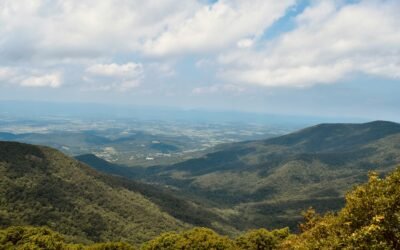


[…] Kemaliye, Erzincan […]