

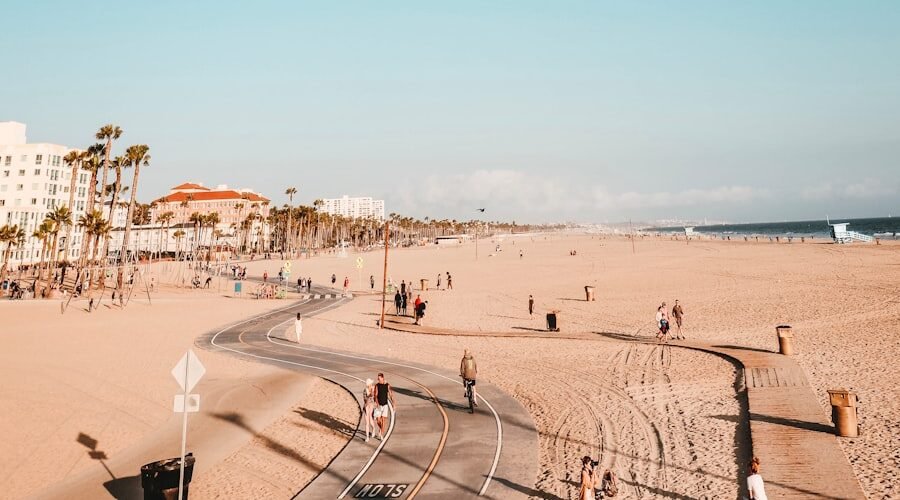
So, you’re thinking about a trip to Kerpe? Smart move! It’s a beautiful spot along Turkey’s Black Sea coast, known for its charming town and lovely beaches. The big question on everyone’s mind is, “When’s the best time to go?” Let’s break it down, looking at the weather, how busy it gets, and what you might expect to spend.
Kerpe, like much of this region, experiences a temperate climate with distinct seasons. This means you’ll notice significant differences in weather, crowd levels, and even prices depending on when you book your visit. Thinking about these factors will help you pick the perfect window for your trip, ensuring you get the most out of what Kerpe has to offer.
Summer: The Peak of Activity
Summer in Kerpe, generally from June through August, is when the town truly comes alive. This is the prime season for sun-seekers and those looking for a classic beach holiday experience. If your idea of a great vacation involves swimming, sunbathing, and enjoying the lively atmosphere, then summer might just be your sweet spot.
What to Expect in Summer
- Weather: Expect warm to hot temperatures, usually ranging from the mid-20s to the low 30s Celsius (around 75-90°F). Humidity can be noticeable, especially in July and August. Days are long and sunny, perfect for spending time outdoors. Rain is less frequent but can occur as quick, heavy downpours. The sea temperature is at its warmest, making it ideal for swimming and water sports.
- Crowds: This is Kerpe’s high season. Expect beaches to be populated, restaurants and cafes to be busy, and the town itself to have a vibrant, bustling feel. You’ll encounter a mix of locals and tourists, with many families and groups of friends taking advantage of the school holidays.
- Costs: As with most destinations during their peak season, prices for accommodation and some services tend to be higher. Hotels and rental properties will often have their highest rates from June to August. It’s wise to book in advance, especially if you have specific preferences or are traveling with a larger group.
Pros of a Summer Visit
- Best Beach Weather: This is undeniably the time for optimal beach conditions. Long, sunny days and warm sea temperatures make it perfect for swimming, tanning, and water activities.
- Lively Atmosphere: If you enjoy a busy, energetic environment, summer in Kerpe delivers. Restaurants, bars, and the promenade will be buzzing with activity, offering plenty of opportunities for socializing and entertainment.
- Full Range of Services: Most businesses, from beachfront restaurants to boat tour operators, will be fully operational. You’ll have access to the widest array of activities and amenities.
Cons of a Summer Visit
- High Costs: Prepare for peak season pricing. Your budget will likely stretch further if you consider visiting outside of these months.
- Crowded Beaches: If you prefer a more tranquil beach experience, the crowded sands of July and August might not be your ideal setting. Popular spots can get quite packed.
- Heat and Humidity: While the warmth is great for swimming, the heat and humidity can be intense for some, especially those sensitive to warmer climates.
Spring: A Gradual Awakening
Spring in Kerpe, typically stretching from March to May, marks a beautiful transition. The landscape starts to bloom, and the weather becomes increasingly pleasant. It’s a great time for those who appreciate nature and prefer a more relaxed atmosphere before the summer rush.
What to Expect in Spring
- Weather: March can still be a bit cool and unpredictable, with a chance of rain. However, April and May see a significant improvement. Temperatures gradually rise, often in the low to mid-20s Celsius (around 60s to low 70s°F) by May. The sea is still on the cooler side, probably too chilly for most to swim comfortably in early spring, but gets more inviting towards the end of May. The countryside is lush and green.
- Crowds: Spring is a shoulder season, meaning crowds are considerably lighter than in summer. You’ll find a more serene environment, especially in April. May starts to see an increase in visitors as the weather improves, but it’s still far from the summer throng.
- Costs: Accommodation prices are generally more affordable than in summer. You can often find good deals, especially if you book a few weeks in advance. Restaurants and activities also tend to be less expensive.
Pros of a Spring Visit
- Pleasant Temperatures for Exploring: Spring offers ideal weather for walking, sightseeing, and enjoying the natural beauty without the intense heat of summer.
- Fewer Crowds: Enjoy a more peaceful experience on the beaches and in town. This is perfect for unwinding and exploring at your own pace.
- Lower Costs: Save money on accommodation, food, and potentially activities, making your trip more budget-friendly.
- Beautiful Scenery: The landscape is at its most vibrant with blooming flowers and lush greenery, offering picturesque views.
Cons of a Spring Visit
- Sea Temperature: The sea is still cool, especially in April. Swimming might be limited to the very brave or towards the end of May.
- Unpredictable Weather: March and early April can still have cooler days and a chance of rain, so packing layers is essential.
- Some Services May Be Limited: While most main establishments are open, some smaller seasonal businesses might not have opened for the year yet, though this is less common in Kerpe than in more remote tourist spots.
Autumn: A Golden Farewell
Autumn in Kerpe, from September to November, offers a different kind of charm. The air becomes crisp, the leaves begin to change, and the summer crowds disperse, leaving a tranquil beauty. It’s a fantastic time for those who appreciate cooler weather and a more laid-back vibe.
What to Expect in Autumn
- Weather: September is often a continuation of pleasant summer-like weather, warm and sunny, making it a popular extension of the summer season. October sees a noticeable drop in temperature, becoming cooler and potentially more overcast. November brings the chill of late autumn, with colder days and a higher chance of rain and wind. The sea is still warm enough for swimming in September and early October for many.
- Crowds: Similar to spring, autumn is a shoulder season. September enjoys a good number of visitors due to the lingering good weather, but it’s less crowded than August. October sees a significant drop in tourist numbers, leading to a very peaceful atmosphere. November is typically very quiet.
- Costs: Prices tend to decrease as the season progresses. September will see similar prices to late August, but October and November offer significantly better deals on accommodation and other services.
Pros of an Autumn Visit
- Lingering Warmth (September): September offers a delightful ‘second summer’ with warm days and cooler evenings, perfect for enjoying the beach and town without the intense heat.
- Tranquil Atmosphere: Enjoy the peace and quiet as the summer visitors depart. Beaches and streets are far less crowded.
- Beautiful Scenery: The changing colours of the foliage can be stunning, especially in the surrounding hills.
- Good Value for Money: Prices become more attractive, allowing your travel budget to stretch further.
- Sea Still Inviting (Early Autumn): September and early October can still offer enjoyable sea temperatures for swimming.
Cons of an Autumn Visit
- Increasingly Cooler Weather: As the season progresses, temperatures drop, and you’ll need warmer clothing.
- Higher Chance of Rain: The likelihood of rain increases, especially in October and November, which could impact outdoor plans.
- Shorter Days: Daylight hours decrease, meaning less time for outdoor activities, particularly in November.
- Some Businesses May Close: Towards the end of the season, particularly in November, some smaller, seasonal businesses might start to wind down or close for winter.
Winter: The Quiet Season
Winter in Kerpe, from December to February, is the quietest period. This is when the town truly settles down, and the focus shifts from tourism to local life. It’s best suited for those seeking solitude, a break from the hustle and bustle, or a chance to experience a more authentic, everyday Kerpe.
What to Expect in Winter
- Weather: Expect cool to cold temperatures, often ranging from single digits to around 10-12°C (low 40s to low 50s°F). It can be damp, windy, and rainy, with occasional frost. Snow is rare but possible. The sea is cold, definitely not for swimming, and the days are short.
- Crowds: Kerpe becomes very quiet during winter. You’ll mostly encounter locals. It’s a peaceful and introspective time.
- Costs: This is typically the low season, and accommodation prices are at their lowest. You can find excellent deals if you’re looking for budget-friendly travel.
Pros of a Winter Visit
- Ultimate Peace and Quiet: If you crave solitude and a complete escape from crowds, winter in Kerpe delivers.
- Lowest Prices: This is the most affordable time to visit, with significant savings on accommodation.
- Authentic Local Experience: You’ll get a real sense of Kerpe as a local town, with fewer tourist-focused distractions.
- Opportunities for Cozy Reclusion: Perfect for reading, relaxing, and enjoying quiet walks along the deserted beaches, wrapped up warm.
Cons of a Winter Visit
- Cold and Damp Weather: The weather is generally not conducive to outdoor beach activities or prolonged sightseeing.
- Limited Services: Many seasonal businesses will be closed. You’ll find fewer dining options and activities available.
- Short Daylight Hours: Limited daylight means less time for exploration before it gets dark.
- Not for Beach Lovers: If your primary goal is beach relaxation and swimming, winter is definitely not the time to visit.
Navigating Crowds and Peak Times
Understanding crowd levels is crucial for planning a trip that suits your preferences. Kerpe’s popularity can fluctuate significantly throughout the year, and being aware of these peaks and troughs will help you avoid disappointment or, conversely, find the atmosphere you’re looking for.
Understanding High Season
- What it is: High season in Kerpe is primarily during the summer months, from mid-June through August. This is when the weather is hottest and driest, and school holidays are in full swing.
- What to expect: Beaches will be busy, and the town will have a lively, bustling energy. Restaurants, cafes, and entertainment venues will be at their most populated. This is a great time if you enjoy vibrant social scenes and a high level of activity.
- Planning: If you plan to visit during high season, it’s highly recommended to book accommodation and any popular tours or activities well in advance. This guarantees you choice and potentially better prices than waiting until the last minute.
Shoulder Seasons: The Sweet Spot
- What are they: The shoulder seasons are spring (April, May) and autumn (September, early October). These periods offer a balance between pleasant weather and manageable crowds.
- Why they’re great: You can often enjoy good weather suitable for outdoor activities without the intense heat or the overwhelming crowds of summer. The atmosphere is more relaxed, and you’ll find a greater sense of space on the beaches and in the town.
- Benefits: Many visitors find the shoulder seasons to be the ideal time to visit Kerpe. They offer a good mix of favourable weather, a pleasant atmosphere, and better value for money.
Low Season: The Quiet Escape
- When it happens: The low season generally covers the winter months, from November to March. This is when the weather is cooler and less predictable, and there are very few tourists.
- Who it’s for: This period is perfect for travellers seeking solitude, peace, and a truly authentic local experience. It’s also the most budget-friendly time to visit.
- Considerations: Be aware that some businesses may have reduced hours or be closed entirely during the low season. The weather can be challenging for typical beach holidays.
Cost Considerations and Budgeting
Your budget for a trip to Kerpe will depend heavily on when you choose to go, what kind of accommodation you opt for, and your spending habits. Kerpe offers a range of options, making it accessible for different budgets, but timing is key for significant savings.
Accommodation Prices
- Summer High: Expect the highest prices for hotels, guesthouses, and rental apartments during July and August. Booking well in advance is crucial.
- Spring/Autumn Shoulder: Prices tend to be moderate. You can often find good deals, especially if you book a month or two ahead. There’s more flexibility in finding attractive rates.
- Winter Low: This is when you’ll find the most significant discounts. Accommodation prices can drop considerably, making it very affordable for budget travellers.
Dining Out
- Summer: Restaurants will likely be at full capacity, and while prices don’t usually skyrocket dramatically, they might be at their peak. You’ll find a wide variety of dining options, from casual eateries to more upscale restaurants.
- Shoulder Seasons: Prices are generally stable and reasonable. You’ll likely encounter fewer crowds, meaning service might be more personal.
- Winter: While fewer places might be open, the ones that are will likely offer standard pricing. Some may even have off-season promotions.
Activities and Transportation
- Summer: Popular boat tours, water sports rentals, and other activities will be readily available, and pricing will reflect the peak demand.
- Shoulder Seasons: Many activities will still be running, and you might find prices to be slightly more negotiable or receive off-season discounts.
- Winter: The availability of organised tours and specific activities will be limited. If you’re relying on these, it’s essential to check their operating schedules. Local transportation like taxis will still be available.
Weather Patterns and What to Pack
Understanding Kerpe’s weather will help you pack effectively and plan your days. Even within the ‘good’ seasons, there can be variations.
Summer Weather Breakdown
- June: Pleasant and warm, with temperatures generally in the low to mid-20s Celsius. The sea starts to warm up.
- July & August: Typically the hottest and most humid months. Temperatures can reach the low 30s Celsius. Long, sunny days are the norm. Expect occasional brief, heavy rain showers.
- Packing for Summer: Lightweight clothing, swimwear, sun hats, sunglasses, high SPF sunscreen. A light jacket or cardigan for cooler evenings is advisable. Comfortable walking shoes are a must.
Spring and Autumn Weather Nuances
- Spring (March-May): March can be cool and showery. April sees more sunshine and mild temperatures. May typically brings warmer days, often in the low to mid-20s Celsius, and increasingly pleasant sea temperatures by the end of the month.
- Autumn (September-November): September is often a continuation of summer warmth. October begins to cool down, with crisp air and more sunshine, though evenings get cooler. November is decidedly autumn, with colder temperatures, higher chances of rain and wind.
- Packing for Spring & Autumn: Layers are key. Pack a mix of t-shirts, long-sleeved tops, sweaters or fleeces, and a waterproof and windproof jacket. Trousers or jeans are essential. Comfortable walking shoes are a must. If visiting in late spring or early autumn, you might still pack swimwear for a hopeful dip.
Winter Weather Realities
- December-February: Cold, damp, and windy conditions are common. Temperatures usually stay between 5-12°C (low 40s-low 50s°F). Rain is frequent, and frost is possible.
- Packing for Winter: Warm, waterproof, and windproof outerwear is essential. Think thermal layers, thick sweaters, woolly hats, scarves, and gloves. Waterproof trousers and sturdy, waterproof footwear are highly recommended.
Activities Best Suited to Each Season
| Month | Weather | Crowds | Costs |
|---|---|---|---|
| April | Mild temperatures, occasional rain | Low | Medium |
| May | Warm temperatures, low chance of rain | Medium | Medium |
| June | Hot temperatures, low chance of rain | High | High |
| September | Warm temperatures, low chance of rain | Medium | Medium |
| October | Mild temperatures, occasional rain | Low | Low |
The type of activities you can enjoy in Kerpe can greatly depend on the time of year. Some experiences are best enjoyed under specific weather conditions.
Summer Activities
- Beach Relaxation: The primary focus – swimming, sunbathing, building sandcastles.
- Water Sports: Kayaking, paddleboarding, jet skiing, windsurfing are popular when the sea is warm and the weather is stable.
- Boat Trips: Many operators offer excursions along the coast to secluded coves and beaches.
- Evening Strolls: Enjoy the lively promenade atmosphere, with street performers and open-air cafes.
- Seafood Dining: Enjoy fresh catches at local restaurants.
Spring and Autumn Activities
- Hiking and Nature Walks: The pleasant temperatures and blooming (spring) or colourful (autumn) scenery make this ideal. Explore the coastal paths and surrounding hills.
- Exploring the Town: Wander through the local streets, visit small shops, and enjoy the more relaxed pace.
- Photography: Capture the beauty of the blooming landscapes in spring or the changing foliage in autumn.
- Cultural Visits: Explore any local historical sites or cultural points of interest at a leisurely pace.
- Early/Late Sea Dips: For the more hardy, a September or early October swim can still be very refreshing.
Winter Activities
- Quiet Beach Walks: Though chilly, the deserted beaches are perfect for contemplative walks, perhaps with a flask of something warm.
- Cozy Cafes: Enjoy a warm drink and a good book in a local cafe, observing the everyday life of the town.
- Photography: Capture the stark beauty of the coastal landscape in winter – often dramatic and windswept.
- Exploring by Car: Use a car to explore nearby towns or the wider Kocaeli region, taking shelter from the elements when needed.
- Enjoying Local Cuisine: Focus on hearty, warming Turkish dishes at the restaurants that remain open.
Ultimately, the “best” time to visit Kerpe really depends on what you’re looking for – whether it’s a lively beach holiday, a peaceful nature escape, or a budget-friendly break. By considering the weather, crowd levels, and costs associated with each season, you can make an informed decision that promises a fantastic trip.
FAQs
1. What is the best time to visit Kerpe, Kocaeli in terms of weather?
The best time to visit Kerpe, Kocaeli is during the spring and autumn months, specifically from April to June and September to November. During these times, the weather is mild and pleasant, with comfortable temperatures and minimal rainfall.
2. When is the peak tourist season in Kerpe, Kocaeli?
The peak tourist season in Kerpe, Kocaeli is during the summer months, from July to August. During this time, the town experiences the highest number of visitors, leading to crowded beaches and higher accommodation costs.
3. When is the off-peak season in Kerpe, Kocaeli?
The off-peak season in Kerpe, Kocaeli is during the winter months, from December to February. During this time, the town experiences fewer tourists, lower accommodation costs, and cooler temperatures.
4. What are the average costs of visiting Kerpe, Kocaeli during the peak season?
During the peak season, the average costs of visiting Kerpe, Kocaeli are higher due to increased demand. Accommodation, dining, and activity prices are typically elevated during this time.
5. Are there any annual events or festivals in Kerpe, Kocaeli that visitors should consider when planning their trip?
Kerpe, Kocaeli hosts several annual events and festivals, including the Kerpe Festival in August and the Kocaeli Honey Festival in September. Visitors may want to consider these events when planning their trip to experience the local culture and traditions.

[…] If you’re also planning a separate trip to Turkey, you can compare seasonal travel considerations in this guide to the best time to visit Kerpe, Kocaeli. […]
[…] If you’re planning a trip to Manjimup, Western Australia, understanding how events, weather, crowds, and costs overlap can make your travel dates much easier to choose. For another destination-planning example, see this guide to the best time to visit Kerpe, Kocaeli. […]