

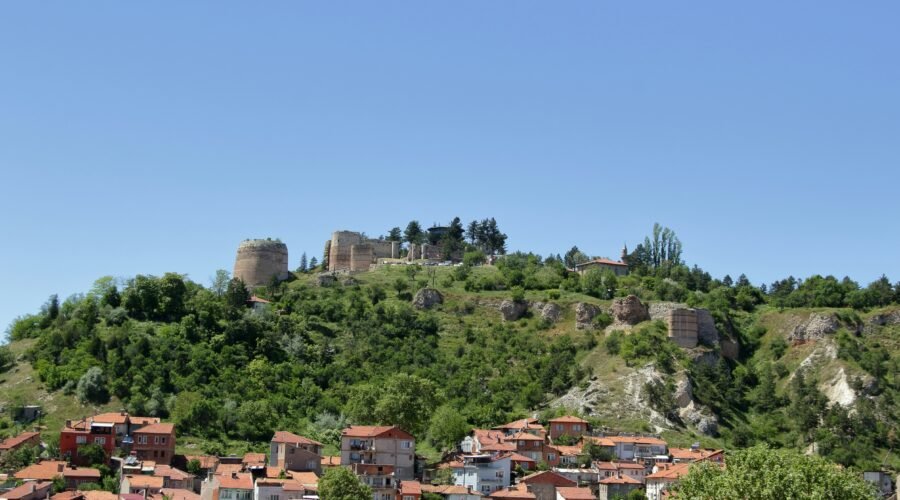
Kütahya, a historic city in western Türkiye, is known for its colorful ceramics, ancient sites, and thermal springs. Choosing the best time to visit Kütahya depends on whether you prefer comfortable sightseeing weather, lively cultural events, quieter streets, or a winter escape. For most travelers, late spring and early autumn offer a particularly appealing balance of weather and activities.
Quick Answer
The best time to visit Kütahya is May to early June or September to October. These months generally offer comfortable temperatures for exploring the city’s ceramic heritage, historic buildings, and nearby Aizanoi ruins. July and August are warmer and suitable for summer events, while December through February appeals to travelers interested in thermal baths and quieter winter sightseeing.
Key Takeaways
- Best overall weather: May, early June, September, and October offer pleasant conditions for sightseeing.
- Warmest months: July and August have average daytime highs around 29°C (84–85°F).
- Quieter travel: Winter weekdays may offer a more relaxed experience, although holidays can affect demand.
- Best for culture: Ceramics workshops, museums, historic sites, and seasonal events can be enjoyed throughout the year.
- Best for thermal experiences: Cooler months make visits to Yoncalı‘s thermal facilities particularly appealing.
Kütahya has a continental-influenced climate, with warm, relatively dry summers and cold winters. The Turkish State Meteorological Service provides official monthly temperature and rainfall averages. The figures below use its 1991–2020 climate normals, not a forecast for a specific travel date.
Spring in Kütahya: Comfortable Weather and Blooming Landscapes
Spring runs from March through May, although early June can still offer the comfortable conditions travelers associate with late spring. The city gradually shakes off its winter chill, and the surrounding countryside becomes greener.
For travelers planning long walks, historical sightseeing, and ceramics shopping, May and early June are particularly attractive.
Weather in Spring
Spring temperatures rise noticeably from March to May. Average daytime highs are approximately 12°C (54°F) in March, 17°C (63°F) in April, and 22°C (72°F) in May. June warms further, with an average high around 26°C (79°F).
Evenings can remain cool, especially in March and April. A light jacket or sweater is useful even during a warm May visit.
Spring also brings rain. May averages approximately 57.5 mm of precipitation, while June receives around 43.6 mm. Showers can affect outdoor plans, so carrying a compact umbrella or lightweight rain jacket is sensible.
Crowds in Spring
Spring is a pleasant time to experience Kütahya without relying on the busiest holiday periods. Weekdays often provide a more relaxed setting for sightseeing, while weekends and public holidays can bring additional domestic visitors.
Local schools remain in session during much of spring, but this does not guarantee empty attractions. Religious holidays and special events can change travel patterns considerably.
Costs in Spring
Accommodation prices vary by property, booking date, and local demand. Spring can offer a useful balance between comfortable weather and accommodation availability, particularly when your visit does not overlap with a major holiday.
Compare several dates before booking. A weekday stay may provide more options than a popular holiday weekend, although lower prices are not guaranteed.
Flight costs depend heavily on your departure city and available connections. Do not assume that every spring flight to the region will be cheaper than a summer departure.
Spring Activities and Events
- Exploring historical sites: Visit Kütahya Castle, the historic Vacidiye Madrasa, and the ancient city of Aizanoi while temperatures are generally comfortable.
- Ceramics workshops: Visit local artisans to see traditional tile painting and ceramic production. Some workshops may offer hands-on experiences, depending on their schedules.
- Nature walks: Enjoy the greener countryside, local parks, and surrounding natural areas. Check the weather before longer walks.
- Spring celebrations: Kütahya’s provincial tourism calendar includes events associated with Hıdrellez and other local cultural traditions. Confirm the schedule for your intended travel year.
Pro Tip: If your main goal is outdoor sightseeing, consider late May or early June. Schedule your longest outdoor activities for days with favorable forecasts and keep a museum or ceramics workshop as a rainy-day alternative.
Summer in Kütahya: Sunshine, Festivals, and Warm Weather
June through August brings Kütahya’s warmest weather. July and August are especially suitable for travelers who enjoy sunshine, outdoor dining, and cultural activities.
However, the midday heat can make extended walks less comfortable, particularly at exposed archaeological sites.
Weather in Summer
July and August have average daytime highs of approximately 29.2°C and 29.4°C (85°F). Individual days can exceed 30°C (86°F), even though the monthly average highs remain slightly below that level.
Summer is also the driest period of the year. Average rainfall is approximately 19.2 mm in July and 24.6 mm in August.
Sun protection is important when visiting open-air attractions. Plan longer walks for early morning or late afternoon when possible.
Crowds in Summer
Summer school holidays and local festivals can increase activity around popular attractions, restaurants, and accommodation.
However, Kütahya-specific visitor statistics are needed to establish which month has the highest total number of domestic or international tourists. It is more useful to plan around actual holidays and event dates than to assume every summer day will be crowded.
If you prefer a quieter visit, consider scheduling museum visits during weekday mornings.
Costs in Summer
Accommodation and transportation prices may rise around holidays, festivals, and periods of stronger demand.
Booking early can improve your selection of hotels and transportation, particularly when traveling during a scheduled event.
Compare flexible dates rather than assuming that July and August always have the highest prices. Actual costs depend on availability and your specific travel arrangements.
Summer Activities and Events
- Festivals: The provincial tourism calendar lists the Kütahya Tile, Thermal, Culture, Art and Tourism Festival during July. It is an opportunity to experience the region’s ceramic heritage and cultural traditions. Exact dates and programming should be confirmed for the intended year.
- Outdoor dining: Warm evenings are suitable for enjoying local dishes at restaurants and outdoor dining areas.
- Swimming: A hotel pool can provide a welcome break from the heat. If considering a natural swimming location, confirm that swimming is permitted and that current conditions are safe.
- Historical sightseeing: Visit Kütahya Castle and nearby attractions earlier in the day to avoid prolonged exposure to strong afternoon sunshine.
Warning: Aizanoi and other exposed historical sites can feel much hotter under direct sunshine. Carry drinking water, wear a hat, and take breaks in shaded areas. Check the daily forecast before planning a long outdoor visit.
Autumn in Kütahya: Golden Hues and Pleasant Breezes

September and October offer another excellent window for visiting Kütahya. Summer temperatures gradually ease, and the changing season creates pleasant conditions for cultural sightseeing and photography.
September is generally warmer, while October brings cooler mornings and evenings. November is noticeably colder and marks the transition toward winter.
Weather in Autumn
According to official climate normals, September has an average daytime high of approximately 25.4°C (78°F), while October averages 19.7°C (67°F).
Average nighttime lows fall from around 10.4°C (51°F) in September to 6.7°C (44°F) in October.
Rainfall also increases as autumn progresses. September averages approximately 26.7 mm, compared with 43.2 mm in October.
These conditions can be comfortable for extended sightseeing, especially during September and early October. However, cooler evenings make an extra layer worthwhile.
Crowds in Autumn
Once the summer school holiday period ends, some destinations experience a quieter pace. Kütahya can be appealing to travelers who prefer exploring museums, ceramic shops, and historical streets outside major holiday periods.
Local festivals and weekend activities may still attract visitors, so check event schedules before choosing your dates.
Costs in Autumn
September and October may provide opportunities to compare accommodation rates outside major holiday periods.
Late October can be worth considering for travelers who prioritize flexibility and a quieter atmosphere, although individual hotel prices and transportation costs vary.
Booking several weeks ahead is useful when your dates overlap with public holidays or cultural events.
Autumn Activities and Events
- Photography: Changing foliage, softer seasonal light, and historic architecture create opportunities for landscape and street photography.
- Wine tasting: Travelers interested in regional wine can investigate independently operated producers or tasting opportunities in the wider region. Kütahya itself should not be treated as an established major wine-tourism destination.
- Agricultural fairs: Local markets and seasonal events may feature produce, traditional foods, and crafts. Their availability depends on the specific date and district.
- Ceramics shopping: Visit workshops and shops to browse traditional Kütahya tiles, plates, and decorative pieces.
- Aizanoi sightseeing: Cooler temperatures make autumn a practical season for exploring the archaeological site.
Pro Tip: September offers a warmer autumn experience, while October is better suited to travelers who enjoy cooler walking weather. Pack a light jacket for evenings, especially later in October.
Winter in Kütahya: Snowy Landscapes and Quiet Charm

December through February is the coldest period in Kütahya. Winter offers a different travel experience, with cold mornings, possible snowfall, and opportunities to explore indoor cultural attractions.
For travelers who enjoy thermal facilities, traditional food, and ceramics shopping, winter can still be rewarding.
Weather in Winter
January is particularly cold, with an average daytime high of approximately 5.1°C (41°F) and an average nighttime low of -2.7°C (27°F).
December and February are also cold, with average daytime highs of approximately 6.8°C and 7.7°C.
Snow is possible during winter, but it should not be treated as guaranteed on any specific date. Rain, freezing conditions, and occasional icy surfaces can also affect travel.
Warm layers, insulated footwear, and a weather-resistant outer jacket are useful.
Crowds in Winter
Winter weekdays can be appealing for travelers who prefer a slower pace and more time in museums or ceramic shops.
However, public holidays and special events can still influence accommodation demand and transportation availability.
Outdoor attractions may also be less comfortable during freezing weather, so it helps to maintain a flexible itinerary.
Costs in Winter
Winter may offer opportunities to find accommodation deals outside holiday periods. However, lower hotel and flight prices are not guaranteed.
Compare actual rates for your dates, including transportation connections. A cheaper room may not result in a cheaper overall trip if flight availability is limited or additional transfers are required.
Winter Activities and Events
- Thermal baths: Kütahya and its surrounding districts are known for thermal resources. Yoncalı, near the city, is one established location for thermal facilities.
- Ceramics shopping: Spend time browsing locally produced decorative tiles, plates, and other ceramic pieces.
- Historic sites: Visit museums and historic buildings. Kütahya Castle can also be atmospheric during snowy weather, provided conditions are safe.
- Local cuisine: Enjoy hearty Turkish dishes in warm restaurants after a day of sightseeing.
- Indoor cultural experiences: Consider the Çini Museum and traditional ceramic workshops when outdoor conditions are unfavorable.
For more information about thermal facilities in the region, see the Kütahya Provincial Directorate of Culture and Tourism’s thermal facilities information.
Warning: Snow and ice can make castle paths, steps, and exposed archaeological areas slippery. Follow local access restrictions and avoid unsafe surfaces. If you have a medical condition that may be affected by hot-water immersion, consult a healthcare professional before using a thermal pool.
Kütahya Weather and Travel Conditions by Month
The following table provides a practical month-by-month comparison. Temperatures are rounded average daytime highs from the Turkish State Meteorological Service’s 1991–2020 climate normals.
Crowd and cost descriptions are general planning indications, not official visitor counts or measured hotel-price rankings. Actual conditions depend on holidays, events, and availability.
| Month | Weather | Crowd Outlook | Cost Outlook |
|---|---|---|---|
| January | Cold; average high 5°C; possible snow | Often quieter outside holidays | Compare winter accommodation offers |
| February | Cold; average high 8°C | Often quieter on weekdays | Variable; check holiday dates |
| March | Cool; average high 12°C | Depends on holiday timing | Variable |
| April | Mild; average high 17°C; occasional rain | Moderate activity possible | Compare weekday rates |
| May | Pleasant; average high 22°C | Can increase around holidays | Book holiday dates early |
| June | Warm; average high 26°C | May increase with summer travel | Compare advance bookings |
| July | Hot and relatively dry; average high 29°C | Festivals and holidays may increase activity | Check event-related demand |
| August | Hot and relatively dry; average high 29°C | Summer travel and events | Advance booking can help |
| September | Warm; average high 25°C | May ease after school holidays | Compare flexible dates |
| October | Mild to cool; average high 20°C | Often suitable for relaxed sightseeing | Watch public-holiday demand |
| November | Cool; average high 13°C | Potentially quieter weekdays | Compare late-autumn rates |
| December | Cold; average high 7°C | Generally quieter outside holidays | Check winter and holiday prices |
Note: Monthly climate averages describe typical historical conditions, not the temperature or rainfall you will experience on a particular day. Always check the latest forecast before departure.
Best Time to Visit Kütahya for Different Travel Goals
The ideal month can change depending on what you want to experience.
For Comfortable Sightseeing
Choose May, early June, September, or October. These periods generally provide a comfortable balance for exploring historic buildings, walking through the city, and taking day trips.
For Ceramics and Cultural Experiences
Ceramics museums and shops can be visited throughout the year. If you also want to attend a cultural event, check the official festival calendar before selecting your dates.
For Photography
Spring offers greener landscapes, while autumn brings seasonal color and softer light. Winter can provide snow scenes when conditions cooperate, but snowfall cannot be guaranteed.
For Budget-Conscious Travel
Compare weekdays in quieter periods, particularly outside school holidays and major events. Consider the total cost of accommodation, transportation, and activities rather than looking only at hotel rates.
For Thermal Baths
Autumn and winter are appealing times to enjoy the contrast between cool outdoor weather and warm thermal facilities. Yoncalı is a practical option to investigate when planning a thermal-focused visit.
For Summer Festivals
July and August are useful starting points when researching cultural celebrations. Confirm individual event schedules instead of assuming that the same festival will occur on identical dates every year.
Places Worth Visiting in Kütahya Throughout the Year
Weather is only part of the decision. Kütahya’s main attractions also influence how much time you should allow for your trip.
Kütahya Castle
The castle is one of the city’s prominent historical landmarks and offers views over the surrounding area.
Spring and autumn are generally comfortable for walking around the site. Summer visitors may prefer an early visit, while winter travelers should watch for slippery surfaces.
Kütahya Çini Museum
The Çini Museum showcases the region’s ceramic and tile-making heritage, with examples dating from earlier historical periods through more recent production.
It is particularly useful for understanding the craftsmanship behind the decorative pieces sold in local shops.
The museum is an excellent option during rainy or cold weather. Check the official museum information before visiting, as operating arrangements may change.
Aizanoi Ancient City
Aizanoi is located in Çavdarhisar, approximately 50 kilometers from central Kütahya.
The archaeological site is known for its well-preserved Temple of Zeus and other ancient remains.
Allow at least half a day for the journey and visit, with additional time if you enjoy archaeology and photography.
May, September, and October are especially practical months for outdoor exploration. In July and August, start early and carry sufficient water.
Consult the official Aizanoi archaeological site information for current entry arrangements and opening hours.
Ceramics Workshops and Traditional Shops
Kütahya is recognized as a UNESCO Creative City in the Crafts and Folk Art field, a designation received in 2017.
The city’s traditional çini craftsmanship is a central part of its cultural identity.
Look for workshops where artisans demonstrate ceramic decoration or offer painting experiences. Availability depends on the individual workshop, so reservations may be helpful for hands-on activities.
Considerations for Planning Your Trip
Beyond the seasons, a few practical details can make a noticeable difference to your visit. Holidays, transportation connections, and attraction schedules deserve attention before you finalize your plans.
Religious Holidays and Festivals
Türkiye observes important religious holidays according to the Islamic calendar. Their Gregorian dates change each year.
These holidays can affect domestic travel, accommodation availability, public transportation, and business opening hours.
Ramadan and Eid al-Fitr
During Ramadan, Muslims who observe the fast abstain from food and drink from dawn until sunset.
Tourists are not expected to fast. Restaurants serving travelers may remain open during the day, although some businesses adjust their schedules.
Evenings often become livelier around iftar, the meal that breaks the fast.
Eid al-Fitr, known in Türkiye as Ramadan Bayramı or Şeker Bayramı, marks the end of Ramadan. It is a three-day public holiday, preceded by a half-day holiday.
Domestic travel can increase around this period, so arrange transportation and accommodation ahead of time.
Eid al-Adha
Eid al-Adha, known locally as Kurban Bayramı, is another important public holiday. Türkiye observes four holiday days, preceded by a half-day holiday.
Travel demand may increase as families visit relatives or take trips.
Some businesses and attractions may operate on holiday schedules. Check opening hours and transport availability before departure.
For accurate dates, consult the official religious calendar published by Türkiye’s Directorate of Religious Affairs.
Weekends vs. Weekdays
Local families may visit parks, historical sites, markets, and cultural attractions during weekends, particularly when the weather is pleasant.
If you prefer a quieter experience, plan major sightseeing activities for weekday mornings where possible.
Some local markets may be more active on specific days, so check their schedules before visiting.
Public Transportation
Kütahya has local bus services, intercity bus connections, and railway access.
Intercity buses are a practical option for reaching the city from other parts of Türkiye. Kütahya’s main bus terminal is known as Çinigar.
The railway station is located in the city, and train connections can be useful depending on your starting point and the current timetable.
Zafer Airport serves the region and is approximately 41 kilometers from central Kütahya. Flight options and shuttle arrangements depend on the operating schedule.
Check the official Zafer Airport transportation information before choosing a flight.
If you are planning an Aizanoi day trip, confirm your onward transportation separately. Do not assume that a city-center bus will provide a convenient direct connection to the archaeological site.
Special Events and Exhibitions
Kütahya’s ceramic heritage is reflected in exhibitions, cultural celebrations, and local arts activities.
The official provincial tourism calendar lists the Kütahya Tile, Thermal, Culture, Art and Tourism Festival during July, along with other events in surrounding districts.
Examples of additional seasonal events include spring celebrations, summer cultural festivals, and commemorations associated with the region’s history.
However, event dates and programming can change. The published tourism calendar should be treated as a planning reference rather than a guarantee that every listed event will occur on the same dates each year.
Before booking around a festival, check the official Kütahya local events calendar and any current announcements from the event organizer.
How Many Days Do You Need in Kütahya?
A one-day visit can cover several central attractions, but staying longer gives you more time to enjoy the city’s craftsmanship and surrounding historical sites.
- One day: Explore the historic center, visit the Çini Museum, see Kütahya Castle, and browse ceramic shops.
- Two days: Add an Aizanoi day trip and spend more time visiting workshops and local restaurants.
- Three days: Include a thermal experience, additional museums, nearby districts, or a more relaxed cultural itinerary.
Travel times, weather, attraction hours, and transportation availability may affect how much you can comfortably fit into each day.
What to Pack for Each Season
Kütahya’s temperature changes make seasonal packing particularly useful, especially if you plan to spend long periods outdoors.
- Spring: Comfortable walking shoes, light layers, a sweater, and a compact rain jacket.
- Summer: Breathable clothing, sunglasses, sunscreen, a hat, and a refillable water bottle.
- Autumn: Light layers, a warmer evening jacket, comfortable footwear, and rain protection.
- Winter: An insulated jacket, warm socks, gloves, and footwear with good grip for potentially icy surfaces.
If you plan to buy ceramic souvenirs, leave some space in your luggage and ask shops about protective packaging for fragile pieces.
Ultimately, Kütahya offers something different in every season. Spring brings greener landscapes, summer offers warm evenings and cultural activities, autumn provides comfortable sightseeing weather, and winter creates opportunities for thermal experiences and quieter indoor exploration.
For most first-time visitors, May, early June, September, and October provide the most balanced starting points. Choose your actual travel dates around the experiences you value most, then check the weather forecast, local events, and transportation schedules before booking.
Frequently Asked Questions
1. What is the best time to visit Kütahya in terms of weather?
May to early June and September to October generally offer the most comfortable conditions for sightseeing. Average daytime highs range from approximately 20°C to 26°C across much of this period, although actual temperatures vary by month and day.
2. When is the peak tourist season in Kütahya?
July and August are important summer travel months, and school holidays or cultural events may increase visitor activity. However, official Kütahya-specific visitor statistics would be needed to identify a definitive peak month.
3. When is the off-peak season in Kütahya?
December through February can be a quieter period for outdoor sightseeing because of the cold weather. Winter weekdays outside public holidays are worth considering if you prefer a relaxed pace. Actual visitor numbers and accommodation demand vary.
4. What is the average cost of visiting Kütahya during peak season?
There is no reliable universal average that covers every traveler’s accommodation, meals, transportation, and activities. Prices depend on your travel dates, hotel category, transportation route, and planned experiences. Compare total trip costs across several dates before booking.
5. Are there major festivals in Kütahya that visitors should consider?
Yes. The provincial tourism calendar lists the Kütahya Tile, Thermal, Culture, Art and Tourism Festival during July. Other cultural celebrations take place in the city and surrounding districts. Check the official local events calendar for confirmed dates and current programming.
6. Is spring or autumn better for visiting Kütahya?
Both seasons are good choices. May offers greener landscapes and pleasant daytime temperatures, while September remains warm and October provides cooler sightseeing weather. Choose spring for fresh seasonal scenery or autumn for comfortable walks and changing foliage.
7. Does it snow in Kütahya during winter?
Snow is possible during the winter months, particularly when temperatures fall below freezing. However, snow cover is not guaranteed on a particular date. Check the forecast and road conditions before planning winter sightseeing.
8. How many days should I spend in Kütahya?
One day allows you to explore several central attractions. Two days provide time for an Aizanoi excursion, while three days allow a more relaxed itinerary with museums, ceramics workshops, and thermal facilities.
9. Is Kütahya worth visiting in winter?
Yes, particularly if you enjoy ceramics, museums, traditional food, and thermal facilities. Winter is less suitable for travelers who want long outdoor sightseeing days without cold-weather conditions.
Sources
- Turkish State Meteorological Service — Kütahya Official Climate Statistics — Monthly temperature, rainfall, and sunshine averages.
- UNESCO Türkiye National Commission — Creative Cities of Türkiye — Kütahya’s Crafts and Folk Art recognition and ceramic heritage.
- Turkish Museums — Aizanoi Archaeological Site — Official information about the archaeological site, location, and visitor arrangements.
- Kütahya Provincial Directorate of Culture and Tourism — Çini Museum — Museum history and ceramic collections.
- Kütahya Provincial Directorate of Culture and Tourism — Local Events — Published festival and cultural event calendar.
- Türkiye Directorate of Religious Affairs — Religious Calendar — Official religious holiday dates for 2026.



[…] If you’re comparing seasonal planning approaches for other destinations, you can also see our guide to the best time to visit Kutahya for weather, crowds, and costs. […]