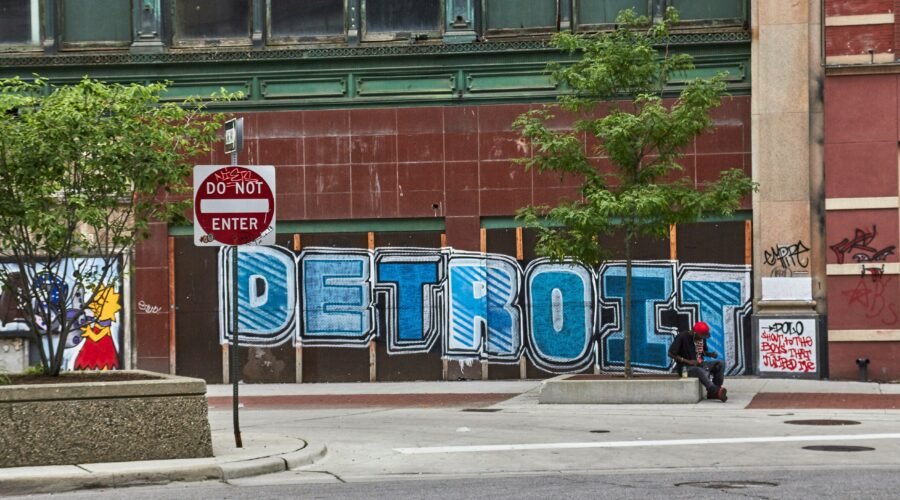
Choosing the best time to visit Detroit depends on what matters most to you: comfortable weather, fewer crowds, lower prices, or major events. For the best overall balance, late spring from May into June and early fall from September into October are usually the strongest choices. Summer brings the fullest festival and outdoor calendar, while winter can offer quieter sightseeing and good value outside major event dates.
Quick Answer
For most travelers, the best time to visit Detroit is May through June or September through October. These periods combine milder temperatures with good conditions for walking and sightseeing. Choose winter for potential savings, summer for festivals and sports, and midweek dates whenever avoiding crowds is your main priority.
Key Takeaways
- Best overall weather: May, June, September, and early October.
- Best for fewer crowds: Spring and fall weekdays outside major event weekends.
- Best for festivals: Late May through summer and Labor Day weekend.
- Best budget opportunity: Winter weekdays, although major events such as the January Detroit Auto Show can increase downtown demand.
- Hottest period: July and August, when humidity can make afternoons feel warmer.
- Coldest period: January and February, when snow, ice, and freezing temperatures are common.
Best Time to Visit Detroit by Travel Priority
| Your Priority | Best Time | Why |
| Best overall balance | May–June and September–October | Comfortable sightseeing weather without the most persistent winter cold or midsummer heat. |
| Fewer crowds | April–May and October–November weekdays | Generally quieter than summer weekends, provided you avoid major events and holidays. |
| Festivals and outdoor events | Late May through September | This period includes major music, motorsports, sports, and riverfront events. |
| Potentially lower hotel demand | January–February weekdays | Cold weather reduces leisure demand, but the Detroit Auto Show and other events can temporarily raise downtown rates. |
| Fall scenery and comfortable walking | Late September–October | Cooler temperatures and fall color make this an excellent time for walking and regional day trips. |
Detroit Seasons: Weather, Crowds, and Costs
Detroit has four distinct seasons. According to National Weather Service 1991–2020 climate normals for Detroit, average temperatures range from winter highs near freezing to July highs in the low-to-mid 80s°F. Rain occurs throughout the year, and snow is a normal part of winter and early spring.
Spring in Detroit: March–May
Spring changes quickly in Detroit. March can still feel wintry, while May can produce comfortable days that feel close to summer.
- Weather: Average highs rise from about 46°F (8°C) in March to about 70°F (21°C) in May. Snow remains possible early in the season, while rain becomes more important as temperatures rise.
- Crowds: Early spring is often relatively quiet. Visitor demand increases in May as outdoor events return.
- Costs: Spring can provide good value, but Memorial Day weekend and major events can sharply increase downtown demand.
- Best for: Museums, Eastern Market, walking tours, baseball, neighborhood exploring, and outdoor sightseeing without midsummer heat.
Pro Tip: If you want May weather without festival-size crowds, compare a midweek stay in early or mid-May with Memorial Day weekend before booking.
Summer in Detroit: June–August
Summer is Detroit’s busiest outdoor season, with sports, concerts, patios, riverfront activities, and community events operating at full pace.
- Weather: July is normally the hottest month, with an average high around 84°F (29°C) and average low around 64°F (18°C). Humidity can make afternoons feel warmer.
- Rain: Summer is not Detroit’s driest season. Normal July precipitation is about 3.5 inches, so short periods of rain or thunderstorms should remain part of your plans.
- Crowds: Weekends, sports dates, concerts, and major festivals can make downtown noticeably busier.
- Costs: Accommodation and parking demand can rise substantially around large events.
- Best for: Tigers games, Belle Isle, the Detroit Riverfront, patios, outdoor music, and travelers who prefer warm weather.
Fall in Detroit: September–November
Fall is one of Detroit’s strongest sightseeing seasons because temperatures usually become more comfortable after the summer heat.
- Weather: September averages a high around 74°F (24°C) and a low around 56°F (13°C). October cools to an average high near 62°F (17°C). November is much chillier.
- Crowds: Visitor levels can ease after summer, although Labor Day weekend, football games, concerts, and other events can create busy periods.
- Costs: Non-event dates can offer better value than peak summer weekends.
- Best for: Walking, neighborhood exploration, outdoor dining, regional fall-color drives, cider mills, and travelers who dislike high heat.
For travelers who want mild temperatures without making summer festivals the center of the trip, September and early October are among Detroit’s most versatile travel periods.
Winter in Detroit: December–February
Winter is cold, with regular freezing temperatures and snow. It can still be a good time to visit if your itinerary focuses on museums, restaurants, sports, theaters, and other indoor attractions.
- Weather: January normals are roughly 32°F (0°C) for the daily high and 19°F (-7°C) for the low. Snow and icy surfaces can affect walking and driving.
- Crowds: Leisure crowds are often lower outside holiday periods and major events.
- Costs: Winter weekdays can produce attractive hotel availability, but do not assume every January date is inexpensive. The Detroit Auto Show can create substantial demand around Huntington Place and downtown.
- Best for: Museums, restaurants, professional sports, theaters, architecture, and travelers who prioritize indoor attractions over outdoor sightseeing.
Site information: For general terms related to this website, see the Lele Tours disclaimer.
Detroit Month-by-Month Travel Guide
| Month | What to Expect | Best For |
| January | Cold, snowy, mostly indoor-friendly; Auto Show dates can boost downtown demand. | Museums, sports, indoor attractions |
| February | Cold with relatively low leisure demand. | Budget-minded indoor trips |
| March | Variable weather; winter conditions can linger. | Indoor/outdoor mixed itineraries |
| April | Cool to mild with spring rain and increasing outdoor activity. | Shoulder-season sightseeing |
| May | Mild to warm; major late-May events can make downtown busy. | Walking, baseball, festivals |
| June | Warm days and a busy outdoor calendar. | Riverfront, outdoor dining, events |
| July | Typically the hottest part of the year. | Summer activities and sports |
| August | Warm and often humid, with active event schedules. | Outdoor entertainment |
| September | Comfortable weather, with heavy Labor Day event traffic possible. | Music, walking, sports |
| October | Cooler, crisp weather and fall color. | Fall trips and neighborhood exploring |
| November | Chilly with shorter days; Thanksgiving affects travel demand. | Museums and food-focused trips |
| December | Cold with holiday events and possible snow. | Holiday activities and indoor attractions |
When Detroit Is Most Crowded
Detroit’s busiest travel periods are often driven less by a single tourist season than by major events, professional sports, holiday weekends, and concerts. Check your specific dates before assuming a month will be quiet.
Holiday Weekends
- Memorial Day weekend: One of the biggest event periods of the year, especially because Movement takes place at Hart Plaza.
- Fourth of July period: Summer travel, baseball, concerts, and riverfront activity can increase demand.
- Labor Day weekend: The Detroit Jazz Festival brings large crowds to the central city.
- Thanksgiving and Christmas: Family travel, the Thanksgiving football tradition, and holiday events can affect traffic and hotel demand.
Major Detroit Events to Check Before Booking
- Movement Music Festival: Movement takes place at Hart Plaza over Memorial Day weekend. The organizer has confirmed May 29–31, 2027 for the 2027 festival.
- Detroit Grand Prix: The race is no longer held on Belle Isle. It now uses a downtown Detroit street circuit. Dates can fall in late May or early June, so check the current schedule before reserving downtown lodging.
- Detroit Jazz Festival: This major free jazz festival takes place over Labor Day weekend. Check the official Detroit Jazz Festival information for current dates and venue details.
- Detroit Auto Show: Do not rely on older advice describing it as a September event. The Detroit Auto Show is scheduled for January 14–24, 2027 at Huntington Place, with public show dates January 16–24.
- Professional sports and concerts: Tigers, Lions, Red Wings, Pistons, and major concerts can create concentrated demand around downtown venues even when the broader city is relatively quiet.
Note: Detroit hotel demand can change dramatically from one weekend to the next. Checking the event calendar for your exact dates is more useful than assuming every weekend in a particular season costs the same.
Weekday vs. Weekend Visits
- Weekdays: Often easier for museums, restaurants, parking, and popular attractions, especially outside commuting periods.
- Weekends: More leisure visitors and local residents are out for restaurants, markets, games, and events.
- Best strategy: If your schedule is flexible, a Tuesday-through-Thursday stay can provide a calmer experience than an event weekend.
Detroit Trip Costs and the Best Time to Save
Detroit travel costs vary sharply with your dates, neighborhood, events, transportation needs, and accommodation type. Fixed hotel or rental-car price bands become outdated quickly, so the most useful way to budget is to understand what causes prices to rise.
Accommodation
Downtown hotels are convenient for sports, concerts, the riverfront, Huntington Place, the People Mover, and QLINE connections. Midtown and Corktown can also work well depending on your itinerary.
- Lower-demand opportunities: Winter weekdays and shoulder-season dates outside major events can offer better availability.
- Higher-demand periods: Large festivals, major sports weekends, concerts, holiday weekends, the Grand Prix, and the Detroit Auto Show can raise rates substantially.
- Booking strategy: Compare the same hotel across neighboring weekends. Moving a trip by only a few days can sometimes avoid an event-driven rate spike.
Transportation
You do not automatically need a rental car for a Detroit visit. A downtown/Midtown itinerary can combine walking, public transportation, and ride-hailing. A car becomes more useful for Dearborn, suburban destinations, or a broader Metro Detroit itinerary.
- QLINE: The QLINE is currently free. Its 3.3-mile Woodward Avenue route has 13 stops connecting Downtown, Midtown, New Center, and nearby destinations.
- Detroit People Mover: The People Mover currently operates fare-free and circulates through downtown Detroit.
- DDOT and SMART buses: Regional DART passes work across participating DDOT and SMART fixed-route service. Current SMART fare information lists a $2 full-fare four-hour DART pass and a $5 full-fare 24-hour pass.
- Ride-hailing: Uber and Lyft can be useful for evening trips or destinations away from rail service, but prices vary with demand.
- Rental car: Helpful if you plan to visit Dearborn attractions or explore farther outside central Detroit. Remember to budget for parking as well as the rental itself.
- Walking and biking: Downtown, Midtown, the riverfront, and several nearby districts can work well on foot when weather allows.
Food and Drink
Detroit’s food scene ranges from inexpensive local classics to high-end restaurants. Instead of relying on fixed meal-price estimates, build your budget around the type of dining you want.
- Lower-cost choices: Coney dogs, pizza, bakeries, cafes, food counters, and casual neighborhood restaurants.
- Mid-range dining: Sit-down restaurants, gastropubs, Detroit-style pizza restaurants, Mexican dining in Southwest Detroit, and Middle Eastern restaurants in Dearborn.
- Higher-end dining: Steakhouses, chef-driven restaurants, tasting menus, and destination restaurants.
- Budget strategy: Mix casual local specialties with one or two higher-end meals rather than treating every meal the same way.
Attractions and Admission Costs
Some Detroit experiences cost nothing to enter, while major museums and ticketed attractions require more planning than the original price ranges suggested.
- Detroit Institute of Arts: General admission is free for residents of Wayne, Oakland, and Macomb counties. According to the DIA ticket page, current nonresident general admission is $20 for adults, $10 for seniors or college students with valid ID, and $8 for youth ages 6–17. Children under 5 are free.
- The Henry Ford: Current online admission listed by The Henry Ford starts around $34–$36 for the Henry Ford Museum of American Innovation and about $37–$39 for Greenfield Village, depending on the date. Parking and other fees may apply.
- Belle Isle: Pedestrians and bicyclists do not need a Michigan Recreation Passport to enter. Vehicles generally do. The Michigan Department of Natural Resources currently lists a $12 daily Recreation Passport for non-Michigan-registered vehicles.
- Other museums: Motown Museum, Charles H. Wright Museum of African American History, Dossin Great Lakes Museum, and other attractions have their own current admission policies, so use the official attraction site when budgeting.
- Free or low-cost exploring: Walking the riverfront, viewing downtown architecture, exploring public districts such as Eastern Market, and neighborhood sightseeing can keep part of your itinerary inexpensive, although parking, food, and special activities may still cost extra.
What to Pack for Detroit by Season
Detroit weather can change noticeably during spring and fall, so flexible layers are usually more useful than packing for one fixed temperature.
Spring Packing List
- Clothing: Light or medium jacket, sweaters, long-sleeved shirts, T-shirts, jeans, and comfortable walking shoes.
- Rain gear: Compact umbrella or lightweight waterproof jacket.
- Extras: A scarf or warmer layer for cool mornings and evenings, especially in March and April.
Summer Packing List
- Clothing: Lightweight, breathable shirts, shorts, dresses, and comfortable walking shoes.
- Essentials: Sunscreen, sunglasses, hat, and reusable water bottle.
- Extras: A light layer for air-conditioned museums, restaurants, or cooler evenings.
Fall Packing List
- Clothing: Medium-weight jacket, sweaters, long sleeves, jeans, and comfortable waterproof shoes or boots.
- Essentials: Umbrella and light scarf.
- Late-fall extras: Gloves and a warmer outer layer become increasingly useful in November.
Winter Packing List
- Clothing: Insulated winter coat, sweaters, thermal layers, warm pants, warm socks, and waterproof footwear with good traction.
- Essentials: Hat, scarf, gloves or mittens.
- Extras: Hand warmers and lip balm can make long outdoor periods more comfortable.
- Best approach: Use layers so you can adjust between cold outdoor conditions and heated museums, restaurants, arenas, and hotels.
Warning: Winter snow and ice can change walking and driving conditions quickly. Check the local forecast before driving, allow extra travel time, and use footwear with reliable traction.
Privacy information: Details about how this website handles data are available in the Lele Tours privacy policy.
Practical Tips for a Smooth Detroit Visit
Embrace Detroit’s Local Character
Detroit’s identity reaches well beyond its best-known attractions. Automotive history, Motown, jazz, techno, architecture, sports, immigrant communities, neighborhood restaurants, and independent businesses can all become part of the same trip.
- Support local: Look beyond national chains when choosing restaurants, cafes, shops, and markets.
- Explore the music heritage: Motown is essential, but Detroit also has deep jazz, techno, gospel, hip-hop, blues, and rock traditions.
- Ask for recommendations: Hotel staff, museum staff, restaurant teams, and local business owners can often point you toward nearby places that fit your schedule.
Safety and Awareness
Detroit is a large city, and conditions can vary by block, time of day, event, and neighborhood. Use the same practical precautions you would in any unfamiliar urban area.
- Stay aware of your surroundings, particularly late at night.
- Use well-lit and populated walking routes when possible.
- Do not leave bags, electronics, or other valuables visible inside a parked vehicle.
- Use established parking facilities when that makes sense for your destination.
- If you are unsure about a late-night route, use current guidance from your hotel, venue, transportation provider, or local authorities rather than relying on an old neighborhood description.
Explore Beyond Downtown
Downtown and Midtown contain many major attractions, but nearby neighborhoods and Metro Detroit destinations add much more variety to a visit.
- Corktown: Historic streets, restaurants, bars, and architecture west of downtown.
- Southwest Detroit and Mexicantown: A strong destination for Mexican food, bakeries, shops, and neighborhood culture.
- Eastern Market: A historic market district known for food vendors, murals, shops, restaurants, and busy market days.
- Hamtramck: A separate municipality largely surrounded by Detroit, with a diverse restaurant and cultural scene.
- Dearborn: A major center of Arab American culture and home to the Arab American National Museum as well as The Henry Ford.
If this is your first trip, allocating at least part of a day to an area outside the immediate downtown core will give you a broader view of Metro Detroit.
Stay Connected and Plan Routes Before You Leave
Cell service is generally available throughout the urban area, and many hotels, cafes, museums, and public spaces offer Wi-Fi. Save important addresses and transportation information before leaving your hotel, and consider downloading an offline map if you expect to spend a long day exploring.
A Detroit trip works best when your dates match your priorities. For comfortable walking weather, focus on late spring or early fall. For festivals and outdoor energy, choose summer or a major event weekend. For quieter indoor sightseeing, consider winter while checking the event calendar first.
Frequently Asked Questions
What is the best time to visit Detroit for good weather?
May through June and September through early October are usually the best choices for comfortable sightseeing weather. Summer is warmer but can be hot and humid, while winter regularly brings freezing temperatures, snow, and ice.
When should I visit Detroit to avoid crowds?
Try a weekday in April, early May, October, or November and avoid major festival, sports, concert, and holiday dates. Detroit’s crowd levels can change significantly when a large downtown event is scheduled.
What is the cheapest time to visit Detroit?
Winter weekdays often provide good opportunities for lower leisure-travel demand, especially in January and February. However, major events such as the Detroit Auto Show can raise downtown hotel prices, so compare your exact dates before booking.
When is Detroit’s busiest tourist season?
Summer generally brings the greatest concentration of outdoor activities, sports, concerts, and leisure trips. Individual festival and event weekends can be even busier than the surrounding season, particularly around Memorial Day and Labor Day.
What is Detroit’s weather like throughout the year?
Detroit has four distinct seasons. Winters are cold and snowy, spring changes from chilly to mild, summers are warm to hot and humid, and fall cools from pleasant September conditions toward colder November weather. Rain can occur during every season.
Is May or September better for visiting Detroit?
Both are excellent. May offers spring scenery and the start of Detroit’s major outdoor-event season, while September usually offers warm days with cooler evenings. Check Memorial Day and Labor Day event calendars because both periods can become busy.
Do I need a car when visiting Detroit?
Not necessarily. A trip centered on Downtown, Midtown, Woodward Avenue, and nearby attractions can combine walking, the free QLINE, the free People Mover, buses, and ride-hailing. A rental car is more useful if you plan to visit Dearborn, suburban destinations, or several widely separated neighborhoods.
Sources
- National Weather Service Detroit/Pontiac — 1991–2020 Climate Normals — supports monthly temperature, precipitation, and snowfall guidance.
- QLINE Detroit — confirms current free service, route length, stops, and operating information.
- Detroit People Mover — confirms current zero-fare downtown service.
- Detroit Institute of Arts — current general-admission policy and prices.
- The Henry Ford — current admission ranges for the museum, Greenfield Village, and other attractions.
- Michigan Department of Natural Resources — Recreation Passport — supports current Belle Isle vehicle-entry requirements and nonresident passport fees.