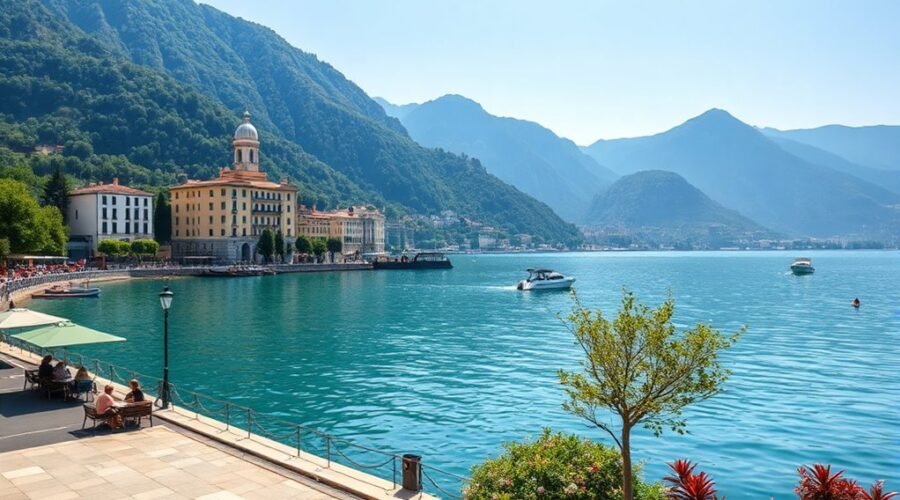
The best time to visit Lake Como depends on whether you prefer sunny boat trips, quiet villages, or lower hotel prices. May and September offer a great balance, while July and August are warmer but much busier. Understanding the seasonal differences helps you choose dates that fit your budget and travel plans.
Quick Answer
May and September are generally the best months to visit Lake Como. Both offer comfortable sightseeing weather, attractive scenery, and fewer crowds than July and August. Choose May for spring flowers, September for pleasant boat trips, June through August for swimming, or November through February for a quieter, lower-cost visit.
Also compare: Anamur, Mersin.
Key Takeaways
- April–May: Enjoy flowering gardens, pleasant walks, and generally lighter crowds. Spring rain remains possible.
- June–August: Expect the warmest weather, swimming opportunities, busy ferries, and expensive accommodation.
- September–October: Enjoy comfortable sightseeing, autumn scenery, and gradually declining visitor numbers.
- November–February: Find quieter towns and potential hotel savings, but expect reduced seasonal services.
- Planning tip: Public ferries operate in winter, although their routes and frequencies differ from summer schedules.
Lake Como Weather by Month
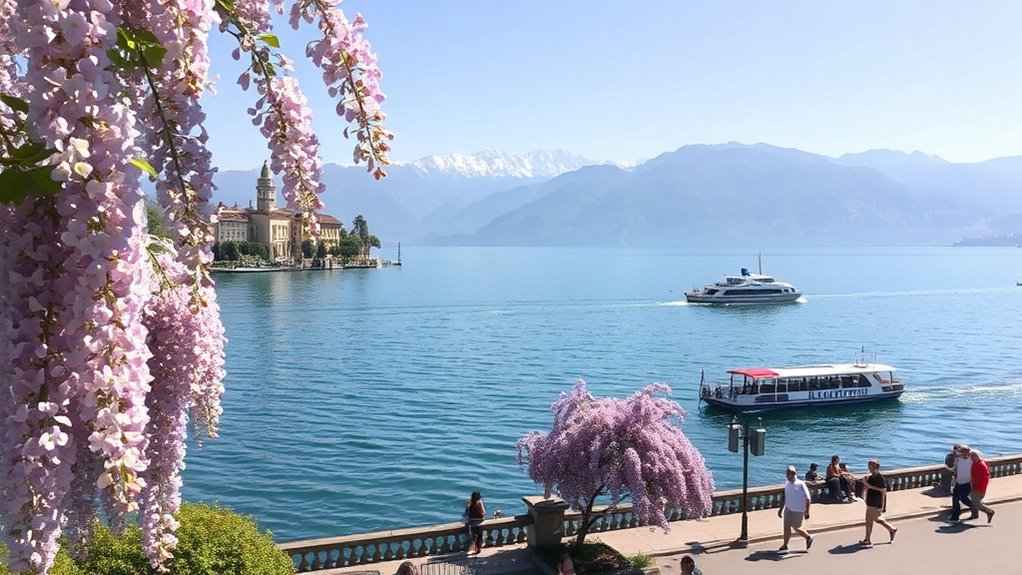
Lake Como has four distinct seasons. Winters are generally cool, springs are mild and often rainy, summers are warm, and autumn brings cooler temperatures and changing foliage.
Because conditions vary between lakeside towns and surrounding mountains, monthly averages are more useful for planning than relying on one daily forecast.
The table below uses rounded 1991–2020 climate averages from the Lugano weather station, a nearby regional reference. These figures are not measurements taken directly in Como or Bellagio. The underlying climate-normal period and methodology are documented by MeteoSwiss climate normals.
| Month | Average Daily High | Average Monthly Rainfall | Travel Conditions |
|---|---|---|---|
| January | 7°C (45°F) | 66 mm | Very quiet; cold-weather sightseeing |
| February | 9°C (48°F) | 61 mm | Quiet; limited seasonal attractions |
| March | 14°C (57°F) | 76 mm | Early spring; improving walking weather |
| April | 17°C (63°F) | 138 mm | Spring gardens; occasional busy holidays |
| May | 21°C (70°F) | 178 mm | Excellent sightseeing; frequent rain possible |
| June | 25°C (77°F) | 172 mm | Warm days; increasingly busy |
| July | 27°C (81°F) | 158 mm | Peak crowds; swimming and boating |
| August | 27°C (81°F) | 158 mm | Peak crowds; summer holidays |
| September | 22°C (72°F) | 165 mm | Comfortable sightseeing; easing crowds |
| October | 17°C (63°F) | 150 mm | Autumn colors; quieter villages |
| November | 12°C (54°F) | 167 mm | Cool and damp; reduced services |
| December | 8°C (46°F) | 80 mm | Winter scenery and festive activities |
These are long-term averages, not guaranteed temperatures or rainfall totals. Individual years can be considerably warmer, colder, wetter, or drier.
May is not necessarily a dry month. The nearby Lugano climate record shows substantial average rainfall in May and June. Pack a lightweight waterproof jacket even if you visit during the recommended shoulder season.
January through March suits travelers who prefer quiet streets and cool-weather walks. April and May bring flowering gardens and more pleasant conditions for exploring on foot.
June through August offers the strongest combination of long daylight hours, warm afternoons, and opportunities for swimming. September remains comfortable for outdoor activities, while October is better suited to walking, photography, and autumn scenery.
November and December bring shorter days and cooler weather. They can still be rewarding for travelers who enjoy peaceful waterfronts and historic towns.
The Best Time to Visit Lake Como for Your Travel Style
Different travelers benefit from different months. Budget visitors usually prefer spring or autumn, while summer appeals to people seeking warm-weather activities and a lively luxury atmosphere.
For garden lovers, April and May are excellent choices. For comfortable sightseeing and boat trips, September is particularly appealing. If swimming matters most, July and August offer warmer conditions.
Budget Travelers’ Ideal Timing
Budget travelers should consider April, May, September, and October. These shoulder-season months often offer better accommodation value than the busiest weeks of summer.
Seasonal discounts of 30–40% below peak summer rates may be possible at some properties, although actual savings depend on the hotel, location, availability, and booking dates.
Hotels, guesthouses, hostels, and vacation rentals can become more affordable outside peak demand. You also have more flexibility when choosing restaurants and visiting popular viewpoints.
For the best balance of value and convenience, consider these approaches:
- April: Explore gardens and historic towns before the main summer rush.
- May: Enjoy mild weather and flowering landscapes while avoiding the hottest months.
- September: Combine pleasant temperatures with a wider selection of operating attractions.
- October: Focus on walking, photography, and autumn scenery as tourist activity declines.
- November–March: Look for deeper accommodation discounts, particularly in larger towns with year-round services.
Budget-friendly activities include wandering Bellagio’s historic streets, exploring Varenna, walking along Como’s waterfront, and visiting public viewpoints.
One particularly good option is the Greenway del Lago di Como, a walking route through historic villages on the western shore.
The official Greenway route information describes an 11.2 km walk from Colonno toward Griante, taking roughly three and a half hours.
You can also walk shorter sections. The route includes stone steps and cobbled paths, so comfortable walking shoes are important. It is not ideal for cycling or strollers along its full length.
Walking the public route is free, although parking, public transportation, and nearby attractions may cost extra.
Luxury Seekers’ Peak Season
June through August is Lake Como’s most active luxury-travel season. High-end hotels, private boat operators, waterfront restaurants, and exclusive experiences are in strong demand.
Well-known properties include Grand Hotel Tremezzo and Villa d’Este. Private yacht charters, fine dining, and helicopter transfers can also be part of a luxury itinerary.
These experiences are not necessarily limited to summer, but warmer conditions and a busy hospitality season make planning them easier.
| Experience | Peak Season Advantage |
|---|---|
| Luxury Villas | Extensive seasonal services and outdoor amenities |
| Private Boat Tours | Warm-weather sightseeing and long daylight hours |
| Fine Dining | Active waterfront dining and summer hospitality |
Summer also brings a lively social scene, waterfront gatherings, and special events. However, popular hotels and private services can book out well ahead of arrival.
If luxury matters more than summer crowds, consider June or early September. These periods can provide a similar atmosphere with more comfortable sightseeing conditions than the busiest weeks of August.
Spring at Lake Como: Mild Weather and Fewer Crowds
Spring, from March through May, is one of Lake Como’s most attractive periods for sightseeing. Temperatures gradually rise, gardens begin flowering, and lakeside towns become more active after winter.
April and May are especially appealing for exploring historic villas, walking through villages, and enjoying the landscape before the strongest summer crowds arrive.
Spring Temperature and Rainfall
Spring weather improves steadily from March to May. Nearby regional climate averages show daytime highs rising from about 14°C (57°F) in March to 21°C (70°F) in May.
Rain is an important consideration. April and May can be wet, even when temperatures feel comfortable for sightseeing.
| Spring Planning Factor | Typical Conditions | Best Approach |
|---|---|---|
| March | Cool early spring; average high around 14°C | Bring layers and choose lower walking routes |
| April | Milder weather; average high around 17°C | Enjoy gardens and allow for rain |
| May | Warmer afternoons; average high around 21°C | Plan villa visits and outdoor sightseeing |
| Spring Rainfall | Frequent showers and occasional heavier rain | Keep indoor attractions as backup options |
| Higher Trails | Cooler conditions than lakeside towns | Assess trail conditions before hiking |
March remains relatively cool, particularly in the mornings and evenings. April brings more comfortable walking weather, while May often feels warm enough for long afternoons outdoors.
However, the hills around the lake can have different conditions from the waterfront. Higher hiking routes may remain muddy or affected by lingering snow early in the season.
Fewer Tourists, More Tranquility
Spring generally brings fewer tourists than July and August, particularly outside Easter and major holiday weekends. You can explore the villages more comfortably and enjoy popular viewpoints without the strongest summer crowds.
Bellagio, Varenna, and Tremezzo are especially rewarding during spring. Waterfront promenades, hillside paths, and historic streets provide excellent opportunities for relaxed sightseeing.
However, these towns are not empty. Easter holidays, weekends, and popular garden-opening periods can still attract substantial visitor numbers.
For quieter sightseeing, start early in the morning and consider visiting popular villages on weekdays.
Spring Activities and Events
Spring is ideal for flowering gardens, scenic walks, cycling on suitable roads, and sightseeing by boat. It is also an excellent time to visit Lake Como’s historic villas.
One of the best spring attractions is Villa Carlotta in Tremezzina, known for its botanical gardens, museum, and seasonal flowers.
Azaleas and rhododendrons are especially associated with the spring flowering period. The exact peak depends on weather conditions.
According to the official Villa Carlotta visitor information, the 2026 adult admission price is €17.50, with reduced tickets available for eligible visitors.
The official 2026 program also included regular seasonal opening and selected late-autumn and early-winter dates. Opening arrangements for future visits may differ.
Other worthwhile spring activities include:
- Villa gardens: Explore botanical collections and lakeside terraces.
- Walking: Follow village paths and scenic trails such as the Greenway del Lago.
- Cycling: Choose suitable roads and cycling routes away from the narrowest pedestrian paths.
- Kayaking: Enjoy the lake when wind and water conditions are suitable.
- Boat sightseeing: Travel between historic towns using scheduled public services.
Spring festivals and cultural events also take place around the lake. Their dates vary by year, so plan around confirmed events rather than assuming the same weekend every season.
Pro Tip: Pair a spring visit to Villa Carlotta with a shorter section of the Greenway del Lago. You can enjoy gardens, lakeside villages, and scenic walking without committing to the entire route.
Summer at Lake Como: Peak Season Pros and Cons
Summer, from June through August, offers Lake Como’s warmest weather and busiest tourist atmosphere. Average regional daytime highs reach about 25°C (77°F) in June and 27°C (81°F) in July and August.
Long daylight hours make summer ideal for swimming, kayaking, sailing, boat tours, and evenings at waterfront restaurants.
However, July and August are usually the most crowded months. Bellagio, Varenna, and Menaggio can become particularly busy, with long ferry lines and significant demand for restaurants and accommodation.
Why Visit Lake Como in Summer?
Summer is the strongest season for travelers who want a full range of warm-weather activities.
- Swimming: Enjoy designated public beaches and swimming areas during the warmest months.
- Boating: Choose public ferries, private boat tours, sailing trips, or kayaking excursions.
- Hiking: Explore scenic routes, especially during cooler morning hours.
- Dining: Enjoy outdoor restaurant terraces and longer evenings beside the lake.
- Events: Attend seasonal concerts, cultural festivals, and local celebrations.
Summer also includes the traditional Sagra di San Giovanni near Isola Comacina and Ossuccio.
The Municipality of Tremezzina’s official program confirms that the 2026 celebration took place on June 27–28, including a fireworks display and historical reenactment.
The festival traditionally takes place around the final weekend of June. Future schedules should be treated separately from the confirmed 2026 dates.
What Are the Downsides of Summer?
The main disadvantages are higher accommodation costs, crowded transportation, and reduced flexibility.
Popular hotels can fill months ahead, especially in well-known lakeside towns. Prices may be much higher than in spring or late autumn.
Ferries also become busy, particularly on central-lake routes connecting Bellagio, Varenna, Menaggio, and Cadenabbia.
Summer heat can make steep village streets and exposed walking routes tiring during the middle of the day.
For a smoother trip, reserve accommodation early, plan popular activities in advance, and schedule demanding walks during cooler hours.
Warning: Lake Como is a large, deep lake with active boat traffic. Swim only in suitable designated areas, follow local safety notices, and stay clear of ferry routes. Wind and changing weather can make boating or swimming unsafe.
Fall at Lake Como: Fewer Crowds and Stunning Foliage
Autumn, from September through November, brings cooler temperatures, changing foliage, and generally fewer tourists than peak summer.
September is particularly attractive because many attractions remain active while the strongest holiday crowds begin to decline. October brings stronger autumn colors and a more relaxed atmosphere.
September offers a strong balance of comfortable sightseeing weather and active services, while October is better for quieter walks and autumn scenery.
September: Comfortable Weather and Active Attractions
September is one of the best months for combining boat trips, village sightseeing, and outdoor activities.
Nearby regional climate averages show a daytime high around 22°C (72°F). This is comfortable for exploring Bellagio, Varenna, and Menaggio without the strongest midsummer heat.
Kayaking and boat tours can still be enjoyable, depending on conditions. Many restaurants and seasonal attractions continue operating.
Accommodation demand may also begin to ease, although popular luxury properties can remain expensive.
October: Autumn Colors and Cultural Events
October is an excellent choice for photographers, walkers, and travelers who prefer a quieter atmosphere.
Average regional daytime highs fall to around 17°C (63°F). The hillsides develop autumn colors, and the lake reflects the changing landscape.
Walking routes become especially enjoyable on clear days. However, cooler evenings and more limited seasonal opening hours are worth considering.
Autumn also brings cultural events and garden-related celebrations.
One example is Orticolario, a garden, art, and design event held at Villa Erba in Cernobbio. The organizer’s published 2027 event information lists September 30 through October 3, 2027.
Events like this can temporarily increase visitor numbers and accommodation demand around their venues.
November: Quiet Travel and Lower Prices
November marks the transition toward winter. Average regional daytime highs fall to around 12°C (54°F), and rain can be frequent.
Many seasonal hotels and restaurants begin closing or reducing their services. Some major attractions also shorten their hours.
However, you can still enjoy waterfront walks, historic churches, local restaurants, and quiet views across the lake.
For travelers who value solitude more than a full sightseeing schedule, November can be rewarding.
Winter at Lake Como: Quiet, Cheap, and Underrated
Winter, from December through February, is Lake Como’s quietest season. Temperatures are cooler, many tourist businesses reduce their services, and accommodation can cost less than during summer.
Snow-covered mountains can create dramatic views above the lake, while waterfront towns feel much less crowded.
What Can You Do at Lake Como in Winter?
Winter is best suited to relaxed sightseeing rather than swimming or a packed outdoor itinerary.
Popular winter activities include:
- Waterfront walks: Explore Como, Varenna, and other accessible lakeside towns.
- Historic sightseeing: Visit churches, town squares, and cultural attractions that remain open.
- Local cuisine: Enjoy risotto, braised meats, and regional specialties in restaurants operating year-round.
- Photography: Capture misty waterfronts and snow-dusted mountain scenery.
- Winter boat trips: Use available scheduled ferries for a different view of the lake.
- Festive activities: Explore seasonal lights and Christmas events where confirmed.
December can bring Christmas markets and festive lighting to Como city. January and February generally offer more solitude and opportunities for lower accommodation prices.
Are Lake Como Ferries Running in Winter?
Yes. Public ferry services continue operating on Lake Como during winter, although frequencies, routes, and available departures differ from summer.
The official Navigazione Laghi ferry timetables include a winter schedule covering November 2, 2026, through March 14, 2027.
This includes the Como–Colico passenger route and central-lake ferry connections between Bellagio, Cadenabbia, Varenna, and Menaggio.
Not every summer route operates in winter. Strong winds, rough water, or severe weather can also cause service interruptions.
Which Attractions Stay Open in Winter?
Some museums and historic villas remain accessible on selected winter dates. Others close until spring.
For example, Villa Monastero in Varenna publishes winter opening arrangements for its House Museum and Botanical Garden.
Its announced 2026–2027 program includes selected opening days during November and December, Christmas lighting, and scheduled access during January and February 2027.
The published Christmas lighting period runs from November 7 through January 10, with special admission arrangements.
This makes Varenna worth considering even outside the traditional summer sightseeing season.
Como city is also a practical winter base because it has year-round transportation, shopping, restaurants, and cultural attractions.
Note: Winter availability differs significantly between Como city and smaller lakeside villages. Staying in a larger town can make dining and transportation easier when seasonal businesses are closed.
When Is Lake Como Most Crowded?
Lake Como is usually most crowded in July and August. These months attract international tourists, summer vacationers, and day-trippers from Milan and nearby destinations.
Bellagio, Varenna, and Menaggio experience especially strong demand because they are popular sightseeing stops and ferry connections.
June can also be busy, particularly during weekends and special events.
Which Holidays and Events Increase Crowds?
Visitor numbers can rise sharply around major holidays, long weekends, and local festivals.
Important dates and periods to consider include:
- Easter weekend: A popular spring travel period, with dates changing each year.
- May 1: Italy’s Labour Day holiday.
- June 2: Italy’s Republic Day holiday.
- Late June: The traditional Sagra di San Giovanni celebration near Isola Comacina.
- July and August: The main international summer holiday period.
- August 15: Ferragosto, an important Italian summer holiday.
- Early autumn: Major cultural and garden events can increase local demand.
These dates matter because even a normally quieter month can become busy around an important event.
How Can You Avoid the Biggest Crowds?
The simplest approach is to visit outside July and August. May, September, and parts of October are often more comfortable for sightseeing.
There are also practical ways to avoid congestion during peak season:
- Visit popular villages early in the morning.
- Choose weekdays instead of weekends where possible.
- Spend time in less-visited villages between major sightseeing stops.
- Allow extra time for busy ferry connections.
- Book high-demand hotels and activities before arrival.
Bellagio and Varenna are beautiful, but they are not the only worthwhile places on the lake. Exploring towns such as Argegno, Gravedona, or quieter parts of Tremezzina can provide a different experience.
How Much Does Lake Como Cost by Season?
Lake Como generally costs more during peak summer than during spring, autumn, or winter. Accommodation prices are the biggest variable, especially in popular waterfront towns.
Luxury hotels can be expensive throughout their operating seasons, while smaller guesthouses and properties away from the main tourist centers may offer better value.
Seasonal Accommodation Costs
The following figures are approximate planning estimates from the original seasonal comparison, not verified market-wide hotel averages. Actual prices can be higher or lower depending on the property and travel dates.
| Season | Period | Average Nightly Cost |
|---|---|---|
| Peak | June–August | €180–€350+ |
| Shoulder | April–May, September | €110–€180 |
| Off-Season | November–March | €65–€110 |
October can fall between shoulder-season and off-season pricing, depending on the property and its closing schedule.
These ranges are useful as a starting point, but they should not be treated as guaranteed nightly rates.
What Other Expenses Should You Expect?
Accommodation is only one part of your Lake Como budget. Transportation, dining, activities, and attraction tickets also affect your total costs.
- Ferries: Public boat services charge according to routes, ticket types, and services.
- Dining: Casual restaurants and cafes can be more affordable than premium waterfront dining.
- Private boat tours: These generally cost more than public ferries.
- Historic villas: Many gardens and museums charge admission.
- Walking: Public promenades, village streets, and many hiking routes are free to enjoy.
- Transportation: Train and bus connections can help you avoid some rental-car and parking expenses.
For a practical budget, separate fixed expenses such as accommodation and transportation from optional activities.
That makes it easier to decide whether a premium boat tour or a luxury hotel is worth the extra cost.
Which Month Offers the Best Value?
May and September usually offer the best overall balance between weather, available activities, and accommodation value.
April may be more affordable, but it is cooler and can be rainy. October can offer good deals, although some attractions begin reducing their hours.
November through February may produce the largest savings, particularly for travelers who are comfortable with limited seasonal services.
If you want a full Lake Como experience without the highest summer prices, September is a particularly strong option.
Frequently Asked Questions
What Language Do Locals Speak, and Is English Widely Understood?
Italian is the main language spoken around Lake Como, and you may also hear local Lombard dialects. English is commonly understood in hotels, popular restaurants, and major tourist areas. Learning a few basic Italian greetings can make interactions easier in smaller villages.
Do I Need a Visa to Visit Lake Como as a Tourist?
Italy follows Schengen entry rules. EU citizens generally do not need a visa, while US citizens can usually visit visa-free for up to 90 days in any 180-day period. Other nationalities may need a Schengen visa. The EU’s official ETIAS guidance states that the travel authorization system is not yet operating as of November 15, 2026.
What Currency Is Used at Lake Como, and Are Cards Accepted?
The euro is the official currency used at Lake Como. Credit and debit cards are widely accepted in hotels, restaurants, and many shops. Carry some cash for smaller purchases and places with limited card facilities. Bank ATMs are generally a convenient option for obtaining euros.
Is Lake Como Safe for Solo Female Travelers Visiting Alone?
Lake Como is generally considered a suitable destination for solo female travelers. Use normal travel precautions, keep valuables secure, and remain aware of your surroundings. Choose accommodation with convenient transportation access, especially if you expect to return after dark. Busy tourist locations still require attention to personal belongings.
How Far Is Lake Como From Milan’s Major International Airports?
Travel time depends on your arrival airport, transportation method, and destination around the lake. Road journeys to Como may take around one to two hours, depending on traffic. From central Milan, direct Trenord trains from Milano Cadorna to Como Lago take about 60 minutes. Reaching Bellagio or other distant lakeside towns requires additional travel.
Do Lake Como Ferries Run in Winter?
Yes, Lake Como has public ferry services during winter. The operator publishes seasonal schedules, including central-lake crossings and selected longer routes. Winter departures are generally more limited than summer services, and some routes may not operate. Weather conditions can also affect individual sailings.
Can You Swim in Lake Como in May?
You can swim in Lake Como in May if conditions are suitable, but the water may still feel cold. July and August are generally better for travelers who prioritize swimming. Use designated swimming areas, follow local safety information, and avoid places with strong currents or heavy boat traffic.
Conclusion
The best time to visit Lake Como is generally May or September if you want comfortable sightseeing, beautiful scenery, and fewer crowds than peak summer. Choose July or August for swimming and lively waterfront activities, October for autumn colors, or winter for a peaceful escape.
Before booking, match your travel dates to your preferred activities, accommodation budget, and the operating seasons of the attractions you most want to visit.
Sources
- MeteoSwiss Climate Normals: Official documentation for the 1991–2020 climate-normal period and regional weather averages.
- Navigazione Laghi: Official Lake Como ferry timetables, seasonal services, and transportation information.
- Villa Carlotta: Official admission prices, seasonal opening information, and visitor guidance.
- Greenway del Lago di Como: Official walking-route length, duration, access, and practical information.
- Villa Monastero: Official opening schedules, ticket prices, and winter visitor information.
- Municipality of Tremezzina: Official 2026 Sagra di San Giovanni event dates and program.
- Orticolario: Organizer information for the 2027 garden and design event.
- European Union ETIAS: Official guidance on European travel authorization requirements and operational status.
- Trenord: Official Milan-to-Como train journey information.