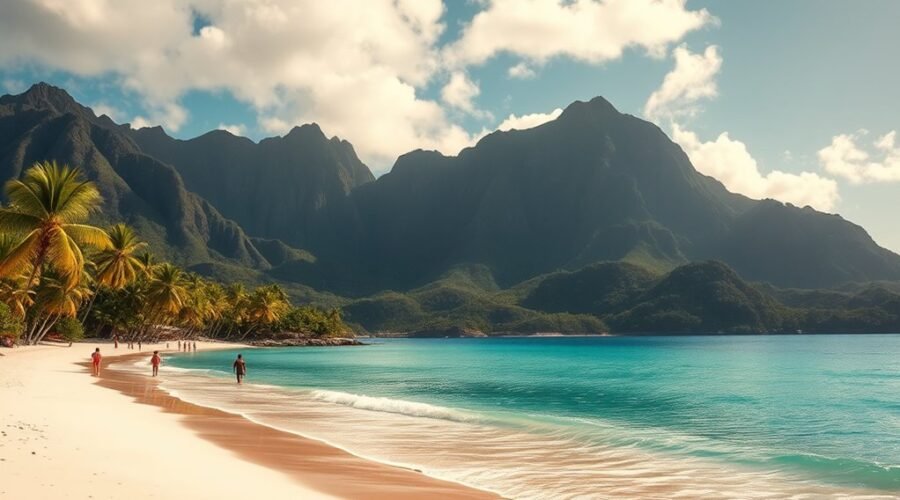
The best time to visit Lord Howe Island for a broad mix of walking and water activities is usually September to May, the main visitor season identified by island tourism. December to February offers warmer weather, while spring and autumn can suit a flexible trip. Winter is cooler and can have fewer operating services, so choose dates around the accommodation, guides and activities you need.
Quick Answer
Choose summer for warmer beach and water days, or compare spring and autumn for walking and a mix of activities. June to August is winter, rather than a shoulder season. Book accommodation and flights together because the island limits visitor accommodation to around 400 guests at a time. No season guarantees calm seas, clear summit views or a discount.
Key Takeaways
- September to May is the main visitor season; summer and school holidays can require early planning.
- Rain is possible throughout the year, and winter is generally wetter.
- Mount Gower requires a licensed guide and suitable conditions.
- The visitor limit is an accommodation-capacity constraint, not a standard daily tourist permit to purchase.
- There is no mobile phone coverage; arrange Wi-Fi and communication needs before arrival.
Which season suits your plans?
| Priority | Useful starting point | What to check |
|---|---|---|
| Warmer water activities | December to February | Wind, swell, currents and operator advice |
| Walking and mixed activities | Spring or autumn | Guide availability, track closures and weather |
| Birdwatching | Dates matched to the species | Nesting periods, access restrictions and guide advice |
| Winter break | June to August | Accommodation, dining and experiences operating |
| Better value | Flexible dates with matching flight and room availability | Full package totals and cancellation conditions |
The official When to Go guide identifies September to May as the most popular period. This helps narrow a season, but the forecast and your operator’s assessment determine the day’s activities.
What is the weather like through the year?
The Bureau of Meteorology describes Lord Howe’s climate as mild to warm in summer and cool to mild in wetter winters. Rain occurs throughout the year; November to February is the relatively drier period in its climate overview.
The Lord Howe Island Aero station record shows mean daily highs around 24–26°C in December to February and around 19–20°C in June to August. These are averages, not limits or a forecast. Higher exposed terrain can feel very different from the settlement.
Pack light clothes, a warmer layer, rain protection, sun protection and suitable walking shoes. Keep a flexible day for poor weather rather than assuming showers will quickly clear or seas will always be calm.
When should you plan diving or snorkelling?
Summer is a useful starting point if warmer conditions are your priority. Actual visibility, water temperature, swell and currents vary by site and day. There is no verified basis here for promising that either winter or late summer always has the clearest water.
Ask a local operator which sites suit your swimming or diving ability and the forecast. Confirm equipment, wetsuit needs, supervision and cancellation terms. A sheltered-looking lagoon is not a guarantee of weak currents, and a particular tide does not make every site safe.
Warning: Follow local water-safety advice and your guide’s instructions. Avoid touching coral or wildlife and do not enter unfamiliar currents based only on a seasonal guide.
When can you hike Mount Gower?
The Lord Howe Island Board’s walking-track rules permit visitor access to Mount Gower only with a licensed guide. Book the guide directly and discuss fitness, footwear, equipment and weather cancellation arrangements. It is a demanding hike, rather than an ordinary self-guided viewpoint walk.
Spring and autumn can suit travellers who prefer milder conditions, but no month guarantees firm trails, low wind or a clear summit. Allow flexibility for the guide’s decision. A rope-assisted section does not remove the risks of slippery ground, exposure or poor weather.
Other tracks have their own restrictions. The Board lists Mount Eliza as closed from September to the end of March to protect nesting sooty terns. Check current notices rather than assuming all trails remain open in the main visitor season. Clean footwear and walking poles and use the provided hygiene stations.
How should birdwatchers choose dates?
Choose dates around the species you want to see and ask local guides about likely activity. Tourism Australia’s island guide describes seasonal seabird opportunities, including shearwaters returning at dusk during their season. A broad claim that all wildlife peaks in spring or autumn is too simple.
Keep away from nests, follow closures and stay on permitted routes. A seasonal access restriction is part of protecting the birds, not an obstacle to work around.
How does the visitor cap affect booking?
The island’s Getting There guidance recommends confirming accommodation before buying airfares because tourist beds are capped at 400. The limit concerns visitors staying at one time, rather than 400 new arrivals each day.
For an ordinary holiday, plan on air travel and check current airline routes, flight dates and baggage limits. Do not assume a regular passenger ferry connects the mainland to the island. Coordinate the available room and flight before committing to either, especially if tickets are non-refundable.
Confirm airport transfers with your accommodation. Official travel tips list walking, bicycle hire and a limited supply of rental cars for getting around. Check current arrangements instead of assuming a public bus or scooter-hire service.
Is winter always cheaper?
Not necessarily. A lower-demand period does not guarantee a lower total trip price. Flights, room type, minimum stays, meals and operating services all matter. The Travel Essentials guide warns that accommodation and experiences can be limited in winter.
- Compare the full flight-and-accommodation cost for flexible dates.
- Check meal inclusions, kitchen access, transfers and activity charges.
- Confirm which guides, restaurants and hire services will operate.
- Read cancellation and disruption terms for both the room and flight.
- Ask providers to itemise any fees rather than budgeting for invented daily visitor permits or generic conservation levies.
Book when suitable flights and accommodation align. A fixed six- or nine-month deadline is not a universal rule; actual availability and your flexibility matter more.
What should you prepare before arriving?
Read the Island Board’s visitor biosecurity checklist. Inspect luggage and follow current food, plant and animal importation rules. Arrive with clean walking gear and use track hygiene stations to help protect the island.
- Confirm accommodation and flights together.
- Reserve any essential guided walk or boat activity.
- Check baggage limits, transfers and current biosecurity requirements.
- Download maps, booking details and emergency information.
- Confirm Wi-Fi access; ordinary mobile coverage is unavailable.
- Pack for rain and changes in temperature, with flexibility for weather cancellations.
For a different NSW coastal trip, compare our Ballina seasonal guide and Yamba travel timing. Mainland transport and connectivity differ from Lord Howe Island.
Frequently Asked Questions
Can I bring pets to Lord Howe Island?
Do not bring a pet without prior approval from the Lord Howe Island Board. The Board requires approval for importing live animals, including domestic pets. Check the current policy and airline requirements before making any arrangements.
What medical facilities are on the island?
Gower Wilson Memorial Hospital provides the island’s medical and nursing facility. Complex cases are transferred to the mainland. Bring your usual medicines, discuss relevant needs before travelling and call 000 in an emergency.
Is there mobile phone and internet coverage?
There is no mobile phone coverage on Lord Howe Island. Public telephones and paid or complimentary internet connections are available at some locations. Confirm your accommodation’s Wi-Fi arrangements and download essential information before arrival.
Can I bring food and alcohol?
Check current biosecurity and airline baggage requirements for the exact items you plan to carry. Inspect food and luggage for pests and follow the Island Board’s pre-departure checklist. Do not assume a general quantity allowance covers every product.
Can I rent bicycles or motorbikes?
Official visitor information lists bicycle and helmet hire and a limited number of rental cars. Confirm availability and any accessibility needs with your accommodation. Do not assume scooter or motorbike hire is available.
For current medical service details, see Gower Wilson Memorial Hospital. For animal import approvals, consult the Island Board’s environment protection guidance.
Conclusion
Start with September to May for the broadest choice of Lord Howe Island activities, and choose summer if warmer water days matter most. Consider winter only after confirming the services you need. Coordinate flights and accommodation, book a licensed Mount Gower guide and keep room for changing weather.