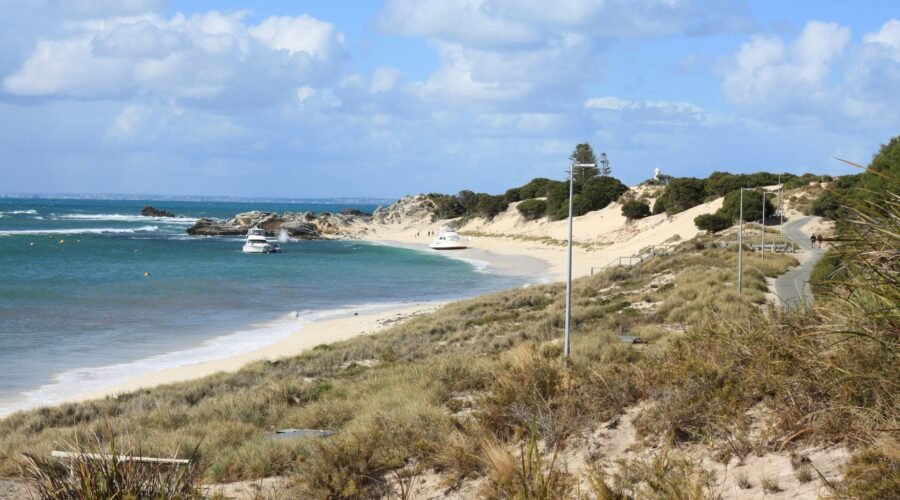
Planning a trip to Wadjemup / Rottnest Island? For the best balance of comfortable weather, manageable crowds, and easier booking, April to May and September to October are strong choices—as long as you avoid school-holiday and long-weekend spikes. Summer is better for beach-focused trips, while winter suits travellers who value quiet trails, cooler weather, and seasonal wildlife.
Quick Answer
The best time to visit Rottnest Island for most travellers is April–May or September–October. These shoulder months offer milder conditions for cycling and walking with fewer visitors than peak summer. Choose December–February for the warmest beach weather, or June–August for quieter stays, cooler hikes, and possible whale sightings.
Key Takeaways
- Best overall balance: April–May and September–October, outside school holidays and major long weekends.
- Best for swimming and snorkelling: December through March offers the warmest air and water, but summer is also the busiest period.
- Best for cycling and walking: Autumn and spring bring milder daytime temperatures than summer.
- Best for quiet and potential savings: Winter generally has fewer visitors, although rain and wind are more frequent.
- Best for whales and spring wildlife: August–December is the main whale-watching period, while spring also brings wildflowers and quokka joeys.
Rottnest Island Weather by Season
Rottnest Island has a mild coastal climate with comparatively dry summers and wetter winters. Long-term climate records from the Australian Bureau of Meteorology show average maximum temperatures ranging from about 17.9°C in July to 27.3°C in February.
Rottnest Island’s typical summer days are in the mid-to-high 20s°C, not 28–35°C every day. Extreme heat can occur, but it should be treated as an exception rather than the normal summer temperature.
Summer: December to February
Summer is classic beach season on Rottnest. The days are warm, rainfall is low, and swimming, snorkelling, boating, and beach-hopping are at their most appealing.
- Temperatures: Long-term mean maximums are about 25.3°C in December, 26.7°C in January, and 27.3°C in February. Mean minimums are roughly 17.8–19.5°C.
- Rainfall: Summer is the driest part of the year, although occasional rain and extreme weather can still occur.
- Heat: Heatwaves can push temperatures well above the monthly averages, including toward 40°C on unusually hot days.
- Wind: The afternoon southwesterly sea breeze commonly known as the Fremantle Doctor can provide relief from summer heat but can also make exposed water choppier later in the day.
- Water: Summer sea temperatures are around the low 20s°C, with the warm Leeuwin Current helping keep Rottnest waters relatively mild.
Pro Tip: For swimming or snorkelling in summer, consider starting early and checking the wind direction. Rottnest has 63 beaches and 20 bays, so a more sheltered option may be available when another coast is windy.
Autumn: March to May
Autumn is one of the strongest all-round periods for visiting Rottnest Island. March retains much of summer’s warmth, while April and May become increasingly comfortable for cycling and walking.
- March: Mean maximum temperature is about 26.2°C, so swimming and snorkelling can still feel very summery.
- April: Mean maximum falls to about 23.8°C, creating comfortable conditions for active sightseeing.
- May: Mean maximum is about 21.2°C. Rainfall increases noticeably, so May should not be treated as a reliably dry month.
- Crowds: Visitor numbers generally ease after peak summer, but Easter, Anzac Day, school holidays, and long weekends can create temporary spikes.
If you want comfortable cycling weather without midsummer heat, April is one of the strongest choices. May is cooler and quieter but carries a higher chance of rain.
Winter: June to August
Winter is the coolest and wettest part of the year, but Rottnest remains suitable for hiking, cycling, wildlife watching, history-focused visits, and quiet overnight stays.
- Temperatures: Mean maximums are about 18.8°C in June, 17.9°C in July, and 18.0°C in August.
- Nights: Mean minimums sit around 12.4–13.5°C, although colder individual nights can occur.
- Rainfall: June through August receives the island’s highest average monthly rainfall.
- Water: Winter sea temperatures hover around 18°C. Swimming is possible, but many visitors will be more comfortable in a wetsuit.
- Crowds: Winter is generally quieter than summer, particularly outside school holidays and long weekends.
Winter is especially attractive if you care more about empty trails and dramatic coastal scenery than long beach days.
Spring: September to November
Spring brings longer days, warming temperatures, wildflowers, active wildlife, and gradually improving beach conditions.
- September: Mean maximum temperature is about 19.0°C, with rainfall still more common than later in spring.
- October: Mean maximum rises to about 20.6°C and average rainfall falls substantially.
- November: Mean maximum is about 23.1°C, making it warm rather than consistently hot.
- Wildflowers: September and October are particularly attractive for native flora.
- Wildlife: Spring can bring quokka joeys and migrating whales along the coast.
September and October can be excellent shoulder-season months, but check the Western Australian public-school calendar. In 2026, the Term 3 break runs from 26 September through 11 October, so those dates can be noticeably busier.
Rottnest Island Month-by-Month Guide
The climate figures below use long-term Bureau of Meteorology averages. Crowd and cost guidance is relative rather than guaranteed because ferry fares, accommodation rates, promotions, events, and availability can change.
| Month | Avg. High | Avg. Low | Avg. Rain | Crowd Pattern | Best For |
|---|---|---|---|---|---|
| January | 26.7°C | 19.2°C | 13.3 mm | Very high | Beach days, swimming, snorkelling |
| February | 27.3°C | 19.5°C | 10.3 mm | High | Warmest weather, water activities |
| March | 26.2°C | 18.8°C | 18.0 mm | Moderate | Beach weather with fewer summer-holiday crowds |
| April | 23.8°C | 17.3°C | 32.1 mm | Moderate; higher around Easter | Best all-round balance |
| May | 21.2°C | 15.3°C | 70.0 mm | Low to moderate | Cycling, walking, quieter stays |
| June | 18.8°C | 13.5°C | 103.2 mm | Low | Quiet walks, photography |
| July | 17.9°C | 12.5°C | 114.1 mm | Low except school holidays | Solitude, winter scenery |
| August | 18.0°C | 12.4°C | 86.6 mm | Low | Walking, early whale season |
| September | 19.0°C | 13.0°C | 51.2 mm | Moderate; rises in school holidays | Wildflowers, whales, cycling |
| October | 20.6°C | 14.1°C | 27.9 mm | Moderate; busier in early October holidays | Spring scenery, active trips |
| November | 23.1°C | 15.9°C | 18.2 mm | Moderate to high | Warmer spring beach days |
| December | 25.3°C | 17.8°C | 9.4 mm | Very high around holidays | Swimming, snorkelling, summer atmosphere |
If you’re planning a trip to Rottnest Island, Western Australia, and comparing how destinations change through their shoulder and peak seasons, you may also find this guide useful: Best Time to Visit Sorgun, Yozgat: Weather, Crowds, and Costs.
Navigating the Crowds
Rottnest Island’s popularity can have a major effect on ferry availability, bike hire, accommodation, restaurants, and the atmosphere at popular beaches. The busiest dates matter at least as much as the season itself.
Peak Season: Summer Holidays and Public Holidays
Summer is the island’s busiest period, particularly during the Christmas and New Year school holidays.
- When: Mid-December through January is especially busy, along with school holidays, long weekends, Easter, Australia Day, and other major public holidays.
- What to expect: Preferred ferry departures, accommodation, bike hire, bus seats, tours, and restaurants can sell out or have limited availability.
- Pros: Warm beach weather, long daylight hours, and the widest appeal for swimming and snorkelling.
- Cons: Less solitude, tighter booking availability, and potentially higher accommodation costs.
Shoulder Seasons: Autumn and Spring
April–May and September–October can provide a better balance between weather and visitor numbers, but the calendar matters.
- Best approach: Choose a weekday outside school holidays and major public-holiday weekends.
- What to expect: Trails and beaches can feel calmer than in peak summer, while most major visitor experiences remain accessible.
- Pros: Comfortable temperatures for walking and cycling, easier planning than peak summer, and good seasonal wildlife opportunities.
- Cons: Easter, Anzac Day, September school holidays, and early-October school holidays can temporarily create peak-like demand.
Off-Peak Season: Winter
June through August is generally the quietest time to experience the island.
- Crowds: Outside winter school holidays and special events, beaches, roads, and trails usually feel much quieter.
- Pros: Peaceful landscapes, cooler hiking conditions, seasonal wildlife, and better opportunities for solitude.
- Cons: Higher rainfall, stronger winds at times, cooler water, and a greater need to check current operating hours and ferry schedules.
Pro Tip: A weekday outside Western Australian school holidays is one of the most reliable ways to reduce crowds regardless of the month you choose.
Cost Considerations

The cost of visiting Rottnest Island depends on your departure point, ferry operator, accommodation, travel dates, activities, and how early you book. It is more accurate to compare live rates than to assume every ferry or tour automatically follows fixed peak and off-peak pricing.
Rottnest Island Admission Fee
All visitors pay an island admission fee. If you arrive by commercial ferry, this government fee is included in the fare collected by the ferry operator.
2026–27 Fee Note: For 1 July 2026 to 30 June 2027, the official single-day admission fee is A$21.50 for an adult, A$11 for a child aged 4–16, and A$57 for a family group of two adults and two children. Extended-stay charges differ. Check the Rottnest Island Authority fee schedule before booking because charges can change.
Ferry Fares
Three ferry operators serve Rottnest Island from several mainland departure points. Travel time is roughly 25–30 minutes from Fremantle, around 45 minutes from Hillarys, and up to about 90 minutes from Perth’s Barrack Street Jetty.
- Peak periods: Book early because popular departure times can sell out quickly during summer, weekends, and school holidays.
- Shoulder periods: Availability may be easier, particularly midweek, but advance booking is still sensible.
- Winter: Check current timetables and promotions rather than assuming a fixed off-peak fare.
- Compare the total: Look at departure point, luggage or bike charges, admission fee inclusion, ticket flexibility, parking or public transport, and any package inclusions.
Official ferry information and current operators are listed on the Rottnest Island ferry page.
Accommodation
Rottnest offers accommodation ranging from hostel-style rooms and campground options to self-contained units and premium stays. Rates and availability vary substantially by property and travel date.
- Summer and holiday periods: Availability can become tight well before arrival, so early planning matters more than relying on last-minute rooms.
- Shoulder seasons: Midweek stays may offer more flexibility than summer weekends and school holidays.
- Winter: This is generally a quieter period, but prices and promotions should still be checked for the exact dates you want.
- Current booking window: Stay Rottnest self-contained accommodation generally opens bookings around nine months ahead through scheduled Open Days.
Review current booking rules on the official Stay Rottnest accommodation page.
Bike Hire and Tours
Availability is usually more important than assuming a fixed seasonal price difference.
- Peak season: Pre-booking a bicycle, bus ticket, or popular tour reduces the risk of missing your preferred option.
- Quieter periods: Same-day availability may be better, but booking ahead still provides certainty.
- Own bike: You can bring a bicycle on participating ferry services, subject to the operator’s current bike-transport charges and conditions.
Food and Drink
Island dining and grocery prices can be higher than mainland alternatives. Seasonal openings and individual menus also change, so there is no reliable single year-round food budget.
- Budget option: Bring water, snacks, and a picnic where practical.
- Plan ahead: If a particular restaurant matters to you during summer or a busy weekend, check opening hours and reservations before arrival.
- Hydration: Carry enough water when travelling beyond the main settlement because refill opportunities are more limited in outlying parts of the island.
Activities and Experiences by Season

Your ideal month also depends on what you actually want to do once you arrive.
Summer: Swimming, Snorkelling and Beach Days
If your trip revolves around warm weather and water activities, summer is the easiest season to choose.
- Snorkelling: The Basin, Parker Point, and several sheltered bays are popular options, but always check current wind, swell, and marine conditions.
- Swimming: Warm air and comparatively warm water make summer the most comfortable season for long beach days.
- Paddleboarding and kayaking: Mornings can offer gentler conditions before afternoon winds strengthen.
- Beach hopping: Wadjemup / Rottnest Island has 63 beaches and 20 bays.
- Boating: Summer is popular for private and commercial boating, although marine weather should always guide the day’s plans.
Autumn: Cycling, Walking and Quokka Encounters
Cooling daytime temperatures make autumn well suited to covering more of the island on land.
- Cycling: The official full Island Ride is about 22 km and typically takes around three to five hours depending on pace and stops.
- Hiking: The Wadjemup Bidi spans about 45 km across five connected trail sections, so you can choose a short walk or spread the full network across several days.
- Quokka spotting: Quokkas live on the island year-round. Observe them quietly and allow them to move naturally rather than approaching for physical contact.
- Golf: Mild weather can make autumn more comfortable than hot midsummer afternoons.
Winter: Quiet Trails, Photography and Whale Watching
Winter brings a more rugged atmosphere, greener landscapes, fewer crowds, and seasonal wildlife.
- Whale watching: Humpback and southern right whales are most commonly associated with the August–December migration period around Rottnest, although sightings can sometimes occur earlier.
- Photography: Changing skies, winter light, waves, and quieter scenery offer a different look from summer.
- Walking: Cooler temperatures suit the Wadjemup Bidi, provided you carry water and prepare for rain or wind.
- Surfing: Larger winter swells can attract experienced surfers, but exposed conditions require appropriate skill and current local knowledge.
Spring: Wildflowers, Whales and Warming Water
Spring combines improving weather with one of the island’s most interesting wildlife and flora periods.
- Wildflowers: Native plants, including the Wadjemup daisy, add colour across the island during spring.
- Birdlife: Wetlands and coastal environments support varied birdlife, including migratory species.
- Quokka joeys: Joeys can often be seen peeking from their mothers’ pouches during the cooler-to-warmer seasonal transition.
- Whales: September through November sits within the main migration-viewing period.
- Swimming: Water and air temperatures gradually become more comfortable toward late spring.
If you’re comparing how weather, crowds, and costs affect destinations beyond Western Australia, this seasonal planning guide may also be useful: Best Time to Visit Jackson, Wyoming: Weather, Crowds, and Costs.
Best Time to Visit Rottnest Island by Priority
- Best overall: April or October outside school holidays and major public-holiday weekends.
- Best for hot beach weather: January and February.
- Best balance of beach weather and easing summer crowds: March.
- Best for cycling and long walks: April–May and September–October.
- Best for fewer visitors: June–August outside winter school holidays.
- Best for whales: August–December.
- Best for wildflowers and spring wildlife: September–October.
- Best for travellers sensitive to heat: April–May or September–October rather than midsummer.
Special Considerations and Insider Tips
School Holidays
Western Australian school holidays are one of the most important crowd factors to check. They can turn an otherwise quiet shoulder-season date into a busy travel period.
Always review the current WA Department of Education term dates before booking. Individual schools may also have pupil-free or development days that differ from the statewide calendar.
Long Weekends
WA public holidays and long weekends can increase demand for ferries, accommodation, bikes, tours, and restaurants even outside peak summer. Book key components in advance when your dates overlap a long weekend.
Weekday vs. Weekend Visits
A Monday-to-Friday visit is usually the better choice if you want to reduce crowd pressure. The difference can be noticeable even during April, May, September, and October.
Book Important Parts First
For a busy-period trip, secure your ferry and accommodation first. Then reserve any must-have bike hire, bus tickets, tours, or restaurants. This approach is more reliable than assuming you will find everything on arrival.
Bringing Your Own Bike
Bringing your bicycle can make sense for a multi-day visit or if you prefer your own setup. Ferry companies can transport bikes under their own current fees and conditions, so compare the total cost with island hire before deciding.
Quokka Etiquette
Quokkas are wild animals and are protected along with the island’s other wildlife. Do not feed, give water to, touch, or pet them. Observe from a respectful distance and let the animal decide whether it approaches.
The official Rottnest Island wildlife guidance also asks visitors to dispose of food scraps properly and take care when cycling to avoid wildlife on roads and paths.
Sun Protection and Hydration
UV exposure remains important even outside summer. Wear protective clothing, a broad-brimmed hat and sunglasses, use broad-spectrum sunscreen, seek shade where practical, and carry enough drinking water for your planned route.
Warning: Drinking-water access is limited once you travel away from the main settlement, and venomous dugites live on the island. Carry sufficient water, stay on marked roads and trails, never approach or harass snakes, and seek immediate medical assistance if bitten. For swimming or snorkelling, check current wind, swell, weather, and local safety information before entering the water.
Ultimately, the best time to visit Rottnest Island depends on your priorities. Choose summer if warm water and beach time matter most and you are comfortable booking around bigger crowds. Choose autumn or spring for a more balanced mix of mild weather and active sightseeing. Choose winter if you value quiet trails, cooler conditions, dramatic coastal scenery, and seasonal wildlife more than swimming.
Frequently Asked Questions
What is the best time to visit Rottnest Island?
April–May and September–October are strong choices for most travellers because temperatures are milder than peak summer and crowds can be easier to manage. Avoid school holidays and major long weekends if a quieter trip is your priority.
What is the weather like on Rottnest Island throughout the year?
Summers are warm and comparatively dry, with average maximum temperatures around 25–27°C. Winters are cooler and wetter, with average maximum temperatures around 18°C. Spring and autumn provide milder transitional conditions that are particularly comfortable for walking and cycling.
When is Rottnest Island most crowded?
The busiest period is generally summer, especially the Christmas and New Year school holidays. Easter, other long weekends, and WA school holidays can also increase crowds during otherwise quieter months.
Is Rottnest Island cheaper in winter?
Winter is generally a quieter period and accommodation promotions may be available, but there is no universal rule that every ferry, hotel, tour, or activity will be cheapest in winter. Compare current rates for your exact dates.
Can you swim at Rottnest Island in winter?
Yes. Winter sea temperatures are around 18°C, so swimming is possible, although many people will prefer a wetsuit for longer swims or snorkelling. Always choose a location appropriate for the day’s wind, swell, and marine conditions.
When can you see whales from Rottnest Island?
August through December is the main whale-watching period around Rottnest Island. Humpback and southern right whales may sometimes be seen earlier in winter, but sightings are never guaranteed.
How long does it take to cycle around Rottnest Island?
The official full Island Ride is about 22 km. Rottnest Island recommends allowing roughly three to five hours depending on your fitness, riding speed, weather, hills, and how often you stop at beaches and viewpoints.
Do I need to book a Rottnest Island ferry in advance?
Advance booking is strongly recommended for summer, weekends, school holidays, and public-holiday periods because preferred ferry departures can sell out. Midweek and winter travel may offer more flexibility, but pre-booking still guarantees your seat.
Sources
- Australian Bureau of Meteorology — Rottnest Island climate statistics — monthly temperature and rainfall averages.
- Rottnest Island — Weather and seasonal visitor guidance — seasonal conditions, swimming, wildlife, and trip planning.
- Rottnest Island — Getting Here by Ferry — ferry operators, travel times, booking guidance, and admission-fee inclusion.
- Rottnest Island Authority — Fees and Charges — official 2026–27 island admission fees.
- Western Australia Department of Education — Term Dates — school-holiday dates relevant to crowd planning.
- Rottnest Island — Protect Our Wildlife — quokka and wildlife interaction rules.