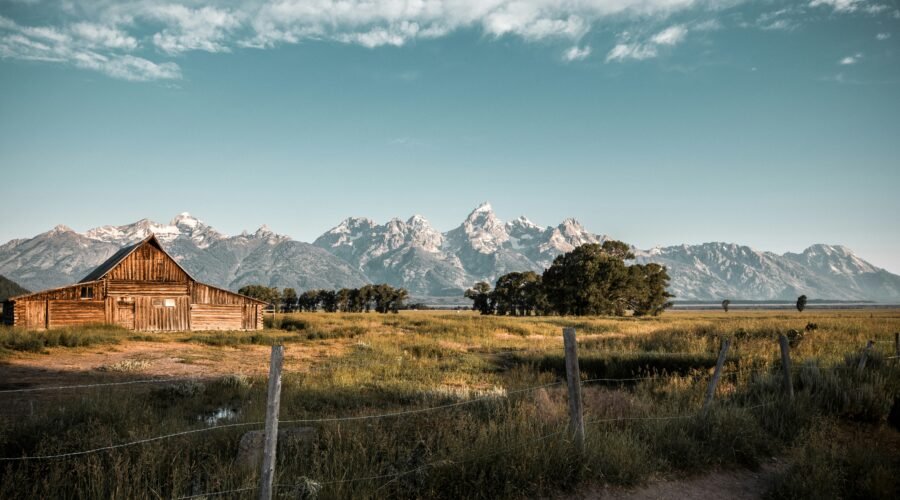
Choosing the best time to visit Jackson, Wyoming, depends entirely on whether you are chasing deep Rocky Mountain powder, hiking alpine trails beneath the Grand Tetons, witnessing wildlife migrations, or looking for an uncrowded budget getaway. Located in the high valley of Jackson Hole at an elevation of 6,237 feet (1,901 meters), Jackson experiences dramatic seasonal shifts that transform the landscape every few months.
Quick Answer
The best time to visit Jackson, Wyoming, is from June to August for warm weather, open mountain passes, and hiking in Grand Teton and Yellowstone National Parks, or from December to March for world-class skiing. For fewer crowds, lower lodging rates, and great wildlife viewing, visit during the September to October shoulder season.
Key Takeaways
- Summer (June–August): Peak hiking, river rafting, and full national park access, but requires booking lodging 6 to 12 months ahead.
- Fall (September–October): Spectacular golden aspens, active elk rutting season, crisp temperatures, and thinning crowds after Labor Day.
- Winter (December–March): Premier skiing at Jackson Hole Mountain Resort, snowmobiling in Yellowstone, and sleigh rides on the National Elk Refuge.
- Spring / “Mud Season” (April–May): The most affordable time with emerging wildlife, though high-elevation trails remain snowbound and some local businesses close for seasonal maintenance.
Jackson Hole Seasons at a Glance
Before diving into specific activities, compare Jackson’s climate, crowd patterns, and pricing across the entire year to determine the perfect window for your trip:
| Month | Avg High / Low | Snow / Rain | Crowd Level | Top Highlight |
|---|---|---|---|---|
| January | 26°F / 5°F (-3°C / -15°C) | Heavy Snow | High (Resorts) | Deep powder skiing, Elk Refuge sleigh rides |
| February | 30°F / 7°F (-1°C / -14°C) | Heavy Snow | High | Peak base snowpack, cross-country skiing |
| March | 40°F / 16°F (4°C / -9°C) | Moderate Snow | Moderate-High | Spring skiing, longer daylight hours |
| April | 50°F / 23°F (10°C / -5°C) | Mix Rain/Snow | Very Low (Mud Season) | Cycling Teton Park Road (car-free) |
| May | 60°F / 30°F (16°C / -1°C) | Spring Showers | Low-Moderate | Bears emerge, baby bison & elk calves |
| June | 70°F / 37°F (21°C / 3°C) | Low-Moderate | High | Wildflower blooms, whitewater rafting kickoff |
| July | 80°F / 42°F (27°C / 6°C) | Afternoon Storms | Peak | High-elevation alpine trails melt out |
| August | 80°F / 40°F (27°C / 4°C) | Dry | Peak | Fly fishing, backcountry backpacking |
| September | 70°F / 32°F (21°C / 0°C) | Dry / Crisp | Moderate-High | Elk rut bugling, vibrant golden aspens |
| October | 56°F / 23°F (13°C / -5°C) | Early Flurries | Low-Moderate | Quiet park roads, fall photography |
| November | 39°F / 16°F (4°C / -9°C) | Snow Accumulation | Very Low (Slack Season) | Winter prep, lowest hotel rates |
| December | 26°F / 6°F (-3°C / -14°C) | Heavy Snow | High (Holidays) | Ski resort openings, Town Square holiday lights |
Winter Wonderland (December to March)
Winter transforms Jackson Hole into one of the world’s most renowned cold-weather destinations. With reliable snowfall averaging over 450 inches across surrounding peaks, this season is tailored for alpine skiing, snowboarding, and snowmobile expeditions.
Weather and Snow Conditions
Expect sub-freezing temperatures throughout the valley. Daytime highs typically sit between 20°F and 30°F (-6°C to -1°C), while overnight lows frequently plunge below 0°F (-18°C). The snowpack generally peaks in February and March, offering optimal powder conditions with frequent bluebird skies at high altitudes.
Key Winter Activities
- Downhill Skiing & Riding: Tackle world-famous steeps and backcountry gates at Jackson Hole Mountain Resort (Teton Village), family-friendly groomed trails at Snow King Mountain right in town, or deep powder over at Grand Targhee Resort.
- National Elk Refuge Sleigh Rides: Horse-drawn sleigh rides operate daily through the National Elk Refuge from mid-December through early April, allowing safe, close encounters with thousands of wintering elk.
- Snowmobiling & Snowcoaches: Guided tours depart Jackson into Yellowstone National Park to visit Old Faithful and Grand Canyon of the Yellowstone, as well as Granite Hot Springs for a scenic thermal soak.
- Cross-Country Skiing & Snowshoeing: Groomed winter trails run through Grand Teton National Park along Teton Park Road, Bradley/Taggart Lakes, and Emily’s Pond.
Pro Tip: Ski pass reservations and holiday lodging around Christmas and Presidents’ Day weekend sell out months in advance. Book lift tickets and accommodations by September to secure your spot.
Spring Thaw and the “Mud Season” (April to May)
Spring is a major transitional period in Jackson Hole. As the snowline recedes up the Tetons, the valley floor comes alive with rushing rivers, migrating herds, and newborn wildlife.
Unpredictable Weather & Runoff
Daytime highs rise from 45°F (7°C) in early April to the mid-60s°F (16–18°C) by late May. However, freezing overnight temperatures and sudden spring snowstorms remain common. Snowmelt swells the Snake and Gros Ventre Rivers, kickstarting the early runoff season.
What to Expect: Openings and Closures
April and May represent Jackson’s primary spring “slack season.” Ski resorts close by mid-April, and many independent restaurants and shops close temporarily for renovations or staff vacations before summer.
Note: From April 1 through April 30, the 14-mile stretch of Teton Park Road between Taggart Lake Trailhead and Signal Mountain Lodge is cleared of snow and open exclusively to non-motorized recreation (cyclists, rollerbladers, and walkers) before opening to motor vehicles on May 1.
- Wildlife Activity: Grizzly and black bears emerge from hibernation with cubs in Tow, while bison and elk drop calves on the valley floor.
- Spring Festivals: Jackson hosts the annual Old West Days and ElkFest over Memorial Day weekend, featuring the famous Boy Scout Elk Antler Auction on Town Square.
- Lower Lodging Rates: Hotel rates drop to their lowest levels of the year, making this an excellent window for budget travelers who do not mind variable weather.
Summer Adventure (June to August)
Summer is Jackson’s busiest and most vibrant season. Long sunny days, fully accessible mountain passes, and open park visitor centers draw travelers from around the globe.
Weather and Trail Conditions
Expect daytime temperatures ranging between 70°F and 82°F (21°C to 28°C) with dry mountain air and cool evenings dropping into the 40s°F (4°C to 9°C). Afternoon thunderstorms can roll in quickly over the Teton Range in July and August, generally clearing within an hour.
“By mid-July, the high-elevation alpine passes (such as Paintbrush Divide and Cascade Canyon) melt out, opening Jackson’s world-class backcountry trail network.”
Top Summer Highlights
- Hiking & Mountaineering: Access hundreds of miles of alpine trails in Grand Teton National Park, from popular day hikes around Jenny Lake and String Lake to multi-day Teton Crest Trail treks.
- Snake River Rafting: Experience thrilling Class III rapids through the Snake River Canyon or relax on a scenic float through Grand Teton with Teton views.
- Yellowstone Day Trips: Full access via the South Entrance allows straightforward day excursions to West Thumb Geyser Basin, Old Faithful, and Hayden Valley.
- Cultural Events: Enjoy the Grand Teton Music Festival at Walk Festival Hall, the Jackson Hole Rodeo (held Wednesdays and Saturdays), and live music at Snow King Mountain.
Autumn Colors and the Elk Rut (September to November)
For many seasoned travelers, autumn is the premier time to visit Jackson Hole. As summer crowds disperse after Labor Day, golden aspen groves blanket the foothills and active wildlife dominates the valley.
Fall Foliage and Weather
September features crisp, dry days with highs in the upper 60s°F (18–20°C) and frost at night. By October, daytime temperatures cool into the 50s°F (10–15°C), and early snow flurries dust the higher peaks. Peak fall foliage generally occurs between the third week of September and the first week of October along the Gros Ventre River, Oxbow Bend, and Snake River Overlook.
Wildlife Watching and Cultural Highlights
- The Elk Rut: September and early October bring the annual elk mating season. Visitors can hear the haunting bugles of bull elk battling for harems in Grand Teton and the Gros Ventre foothills.
- Jackson Hole Fall Arts Festival: Held each September, this multi-day festival is one of the premier Western art events in the country, featuring gallery walks, quick-draw auctions, and wine tastings on the historic Town Square.
- Premier Fly Fishing: Cooling water temperatures create prime conditions for catching native Snake River fine-spotted cutthroat trout on dry flies.
Warning: Fall is hyperphagia season, when grizzly and black bears feed constantly before winter. Always carry EPA-approved bear spray, keep it accessible on your hip or chest (never inside a backpack), and maintain at least 100 yards of distance from bears and wolves.
Crowds, Lodging Costs, and Budget Planning
Jackson is one of the most expensive mountain destinations in the United States, but strategic timing makes a substantial financial difference:
Peak Season Pricing (June–August & Christmas–New Year)
During peak summer and winter holidays, hotel rooms frequently exceed $400 to $800+ per night. Rental cars and direct flights into Jackson Hole Airport (JAC) command high prices. If visiting during peak periods, reserve lodging and activities 6 to 12 months in advance.
Shoulder & Off-Season Savings (April–May & Late October–November)
During spring and late autumn, lodging prices regularly drop by 40% to 60%. While some commercial tours and seasonal restaurants take hiatus, budget travelers will find abundant availability, quiet park roads, and cheaper regional flights into nearby Idaho Falls Regional Airport (IDA, a 2-hour drive over Pine Creek Pass).
Essential Travel Considerations
Road Openings and Closures
Mountain travel requires advance planning around seasonal closures:
- Yellowstone South Entrance: Typically opens to vehicle traffic on the second Friday of May and closes for the winter season on the first Sunday of November.
- Grand Teton Inner Road: Teton Park Road from Taggart Lake to Signal Mountain closes to vehicles from November 1 through April 30.
- Teton Pass (WY-22): Connects Jackson to Victor and Driggs, Idaho. The pass remains open year-round but can close briefly for avalanche control and heavy snowfall during winter storms.
Wildlife Regulations
National Park Service and U.S. Forest Service regulations strictly mandate maintaining minimum safe distances from all wildlife:
- 100 yards (91 meters): Required distance from bears and wolves.
- 25 yards (23 meters): Required distance from all other wildlife, including bison, moose, elk, and deer.
- Never approach or feed any wild animal. Use binoculars, telephoto lenses, or spotting scopes for observation.
High-Altitude Acclimatization
Jackson sits at 6,237 feet, with trailheads climbing past 10,000 feet. To prevent altitude sickness, drink plenty of water, pace yourself on hikes during your first 24 to 48 hours, wear sunscreen in the thinner atmosphere, and limit alcohol consumption.
Whether you choose the snowy slopes of winter, the energetic warmth of summer, or the golden tranquility of fall, aligning your travel dates with Jackson’s seasonal rhythms guarantees an extraordinary Rocky Mountain experience.
Frequently Asked Questions
What is the best month to visit Jackson, Wyoming?
September is widely considered the overall best single month to visit Jackson. It offers comfortable daytime weather (mid-60s°F), vibrant golden fall foliage, the active elk rut, fewer crowds than summer, and fully open park facilities through the end of the month.
When is peak tourist season in Jackson, Wyoming?
Peak tourist season occurs during the summer months of July and August, followed by a secondary peak during the winter holidays from Christmas through New Year’s and Presidents’ Day weekend in February.
What are the shoulder seasons in Jackson, Wyoming?
Jackson has two shoulder seasons: spring (April to May) and autumn (September to October). Fall offers excellent weather and wildlife viewing, while spring provides solitude, emerging wildlife, and significant lodging discounts.
When is the cheapest time to visit Jackson, Wyoming?
The most affordable times to visit are during the spring “mud season” (April to mid-May) and late autumn (late October to mid-December). Hotel rates are discounted up to 60%, though some seasonal businesses operate on reduced schedules.
Is winter a good time to visit Jackson, Wyoming?
Yes, winter is an exceptional time to visit if you enjoy cold-weather activities. Jackson offers world-class skiing, snowboarding, snowmobiling into Yellowstone, and horse-drawn sleigh rides through thousands of wintering elk on the National Elk Refuge.
Sources
- National Park Service: Grand Teton National Park — Official park road schedules, wildlife distances, and trail safety regulations.
- National Park Service: Yellowstone National Park — South Entrance seasonal opening and closure operating windows.
- U.S. Fish & Wildlife Service: National Elk Refuge — Seasonal wildlife data and winter sleigh ride operational dates.
- Jackson Hole Chamber of Commerce — Regional event calendars, tourism patterns, and seasonal business operations.