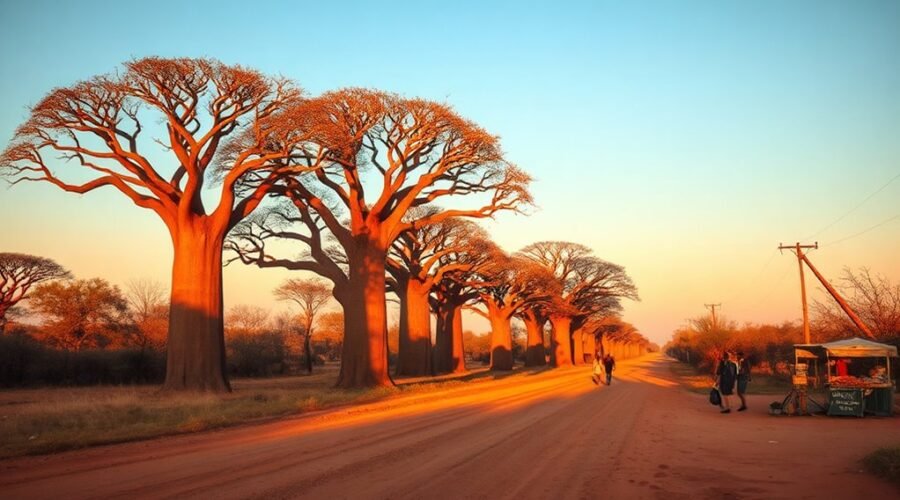
The best time to visit Madagascar depends on whether you want to see lemurs, watch whales, explore rainforests, or relax on tropical beaches. Choose the wrong season, and heavy rain can make remote roads difficult or leave parts of your itinerary inaccessible. Madagascar’s climate also changes sharply between regions, so understanding the monthly weather is the first step toward a successful trip.
Quick Answer
The best time to visit Madagascar is generally May through October, when most regions have drier weather and more reliable road access. April and November can also be excellent, depending on your destination. Choose July to September for humpback whales, September to December for whale sharks near Nosy Be, and October or November for active wildlife.
Last checked: November 11, 2026. Dates and figures were verified against official sources.
Key Takeaways
- January through March brings the heaviest seasonal rain, greater cyclone risk, and difficult road conditions in many regions.
- July and August are popular travel months, but the central highlands can be surprisingly cold at night.
- The eastern rainforests receive rain throughout the year. September and October often offer a better balance of conditions.
- October and November are particularly interesting for baby lemurs, reptiles, fossas, and whale sharks.
- May and October are useful months for travelers seeking a balance between accessibility, weather, and accommodation availability.
The Best Time to Visit Madagascar for Most Travelers
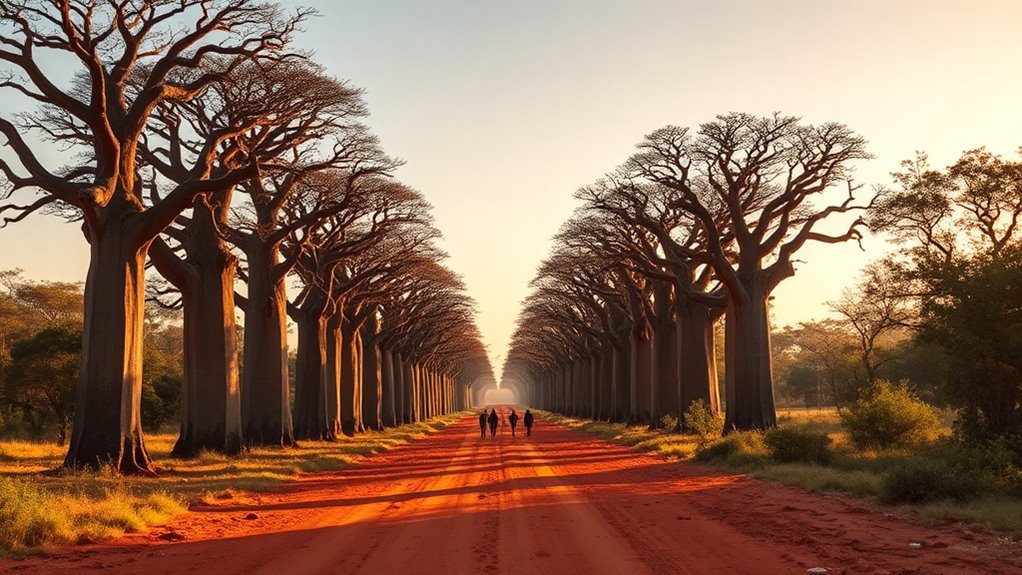
May through October is the most reliable period for a first trip to Madagascar. Rainfall decreases across much of the island, national park trails become easier to explore, and many remote roads are more accessible.
You can visit the sandstone canyons of Isalo National Park, search for lemurs in Andasibe-Mantadia, and explore the baobab landscapes near Morondava without the worst seasonal travel disruptions.
However, these months do not offer identical experiences.
- April to May: A good transition period with greener landscapes, fewer visitors, and improving road conditions.
- June to August: Generally dry conditions for trekking, cool highland weather, and the beginning of the main humpback whale-watching season.
- September to October: Warmer days, excellent opportunities for wildlife photography, and favorable conditions across many regions.
- November: A promising month for wildlife and northern beaches, although temperatures rise and seasonal rains begin returning.
Madagascar also offers cultural experiences during these months. Famadihana, a traditional family ceremony involving the rewrapping of ancestral remains, commonly takes place in the highlands from July to September. Dates depend on individual families and are not fixed public festival dates.
Another tradition, Santabary, celebrates the first rice harvest. It generally takes place around late April or early May in rice-growing communities. The cultural importance of this celebration is described in an overview of Madagascar’s rice-harvest traditions.
If you’re invited to a local ceremony, follow your host’s guidance and ask before taking photographs.
Markets are another way to experience Malagasy culture. Try romazava, a traditional meat and leafy-green stew, or ravitoto, made with crushed cassava leaves. Both offer a taste of everyday life beyond the national parks.
Wet Season vs. Dry Season: Temperature, Rain, and What to Expect
Madagascar has two broad climate seasons: a hot, rainy season from November through April and a cooler, generally drier season from May through October.
These are useful planning guidelines rather than strict weather boundaries. The eastern coast stays relatively wet throughout the year, while the west and southwest have much longer dry periods.
The Madagascar National Tourism Office’s climate guidance identifies the central highlands as relatively mild, the west as hot and dry, the east as rainy, and the south as semi-arid.
Wet Season Climate Overview
The wet season generally runs from November through April, with the heaviest rainfall often falling between January and March. Coastal areas can be hot and humid, with daytime temperatures sometimes reaching 32–35°C (90–95°F).
Forests become greener, waterfalls grow stronger, and reptiles and amphibians become more active in warm, humid conditions.
For wildlife photographers, this can be an exciting period. Chameleons, frogs, and colorful rainforest scenery provide different opportunities from those found during the dry season.
However, travel becomes more challenging. Heavy rain can damage roads, delay journeys, and prevent access to remote reserves.
The cyclone season also extends from November through April, with significant tropical cyclone activity often occurring between January and March.
Warning: Avoid driving through flooded roads or attempting activities on swollen rivers. Cyclones can disrupt transport, accommodation, and essential services. The Government of Canada’s Madagascar travel advice warns that some roads become impassable during the rainy season.
The wet season is best suited to flexible travelers who can stay in accessible areas and adjust their plans when conditions change.
Dry Season Travel Conditions
From May through October, rainfall falls sharply across much of western and central Madagascar. Roads and walking trails become more reliable, making this the preferred period for multi-region trips.
You can trek through Isalo’s canyons, explore dry forests near Morondava, and visit many western reserves with fewer weather-related interruptions.
However, the dry season is also Madagascar’s cooler season. In the central highlands, nights can be cold, particularly during June, July, and August.
The following figures come from the World Meteorological Organization’s Antananarivo climate records. They represent 1981–2010 monthly averages for the capital, not temperatures across the entire island.
| Month | Average High/Low (°C) | Rainfall (mm) |
|---|---|---|
| May | 23.7 / 13.8 | 16.0 |
| July | 20.5 / 10.5 | 6.5 |
| September | 23.7 / 12.1 | 9.4 |
| October | 25.7 / 14.1 | 41.8 |
These averages explain why packing only tropical clothing is a mistake. You may need a fleece or warm jacket in Antananarivo while wearing light clothing along the coast.
June through August can also bring rain to the eastern coast, including Île Sainte-Marie. The dry-season label does not guarantee sunshine everywhere.
How Madagascar’s Regions Have Completely Different Weather
Madagascar’s weather varies sharply by region because of mountains, ocean winds, and differences in elevation. A dry day in the southwest can occur while heavy rain falls on the eastern coast.
For a successful trip, choose your destinations first, then match them to the most suitable months.
East Versus West Climate
The eastern coast receives moist winds from the Indian Ocean and experiences frequent rainfall throughout the year. By contrast, western Madagascar has a more pronounced dry season.
This creates very different landscapes. The east supports dense tropical rainforests, while the west features dry forests, baobabs, and more open terrain.
| Feature | East Coast | West Coast |
|---|---|---|
| Rainfall | Frequent throughout the year, including parts of the dry season | Strong wet and dry seasons |
| Vegetation | Dense rainforest and tropical vegetation | Dry deciduous forest, baobabs, and savanna |
| Best season | Often September–October for relatively drier conditions | Generally April–November, depending on road conditions |
For eastern rainforest visits, Andasibe-Mantadia and Ranomafana are excellent wildlife destinations. However, you should expect muddy sections even during traditionally drier months.
For western landscapes, Morondava and the Avenue of the Baobabs are appealing during the dry season. Roads toward remote attractions become much more difficult after prolonged rain.
Regional Weather Pattern Variations
Beyond the east-west difference, Madagascar has several distinct regional climates that affect trekking, beach activities, and wildlife viewing.
- Central highlands: Antananarivo and Antsirabe experience cooler conditions because of their elevation. June through August brings dry weather but cold nights.
- Northern Madagascar: Nosy Be has a pronounced wet season and is generally more comfortable for beach activities during the drier months. Strong trade winds can affect boat trips near Antsiranana, formerly Diego Suarez.
- Eastern coast: Toamasina, Île Sainte-Marie, and nearby rainforest areas remain humid. Rain can be substantial even in June and July.
- Western Madagascar: Morondava and surrounding dry forests are generally more accessible from April or May through October or November.
- Southwest: Toliara, also called Tulear, and surrounding areas have a semi-arid climate with limited rainfall.
These differences matter most when your itinerary includes several regions. A month that suits a western road trip may not provide the best conditions for a beach holiday on the east coast.
Madagascar Weather Month by Month: What to Expect
Each month offers different advantages for wildlife, beaches, trekking, and cultural experiences. January through March is generally the most challenging period for overland travel, while the middle of the year favors dry-season exploration.
The table below combines monthly climate averages for Antananarivo with typical travel conditions across the country. Temperatures and rainfall are historical averages for the capital only, so coastal destinations may be much warmer or wetter.
| Month | Antananarivo High/Low | Average Rainfall | Travel Conditions and Highlights |
|---|---|---|---|
| January | 26.4 / 17.3°C | 325.5 mm | Heavy rain, cyclone risk, and lush rainforest vegetation |
| February | 26.3 / 17.4°C | 254.5 mm | Warm and wet; active amphibians and reptiles, but difficult roads |
| March | 26.2 / 17.0°C | 159.5 mm | Rain begins easing in some regions; landscapes remain green |
| April | 25.4 / 15.8°C | 49.8 mm | Transition to drier weather; promising for quieter travel |
| May | 23.7 / 13.8°C | 16.0 mm | Good conditions for national parks and western road trips |
| June | 21.4 / 11.5°C | 4.0 mm | Cool highlands, trekking, and early humpback whale arrivals |
| July | 20.5 / 10.5°C | 6.5 mm | Peak travel period, humpback whales, and cool nights |
| August | 21.4 / 10.9°C | 7.6 mm | Popular wildlife trips, whale watching, and cultural ceremonies |
| September | 23.7 / 12.1°C | 9.4 mm | Warmer weather, good trekking, and late whale season |
| October | 25.7 / 14.1°C | 41.8 mm | Whale sharks, baby lemurs, fossas, and warmer beach weather |
| November | 26.9 / 15.7°C | 112.2 mm | Increasing rain, active wildlife, and good whale-shark opportunities |
| December | 26.8 / 16.9°C | 211.7 mm | Hot, humid conditions, seasonal rain, and holiday travel |
For a classic multi-region itinerary, May, September, and October offer an attractive balance of weather and accessibility.
If you’re especially interested in green scenery and quieter conditions, consider April. If you’re focused on reptiles, baby lemurs, or whale sharks, October and November may be more rewarding.
Remember that average rainfall describes typical conditions over many years. It cannot predict the exact weather you’ll experience during your trip.
The Rainy Season: Why Some Travelers Should Book It Anyway
Madagascar’s rainy season can still be worth visiting if you care more about green landscapes, active reptiles, and fewer tourists than easy road travel.
Warm, humid conditions bring frogs and chameleons into greater activity. Forests become lush, and waterfalls can look especially dramatic after rain.
Accommodation may also become cheaper in less popular areas, although not every hotel offers the same seasonal discounts.
| Rainy Season Benefits | Unique Experiences |
|---|---|
| Hotel rates may drop 30–50% at some properties | Observe seasonal lemur breeding and young animals |
| Fewer crowds at accessible reserves | Experience local culture and community celebrations |
| Stronger waterfall flows and greener scenery | Photograph frogs, chameleons, and rainforest vegetation |
However, the rainy season is not suitable for every itinerary. Trips requiring remote dirt roads, river crossings, or isolated national parks face greater disruption risks.
Some central highland and western destinations may remain accessible, but local rainfall and road conditions still determine whether a journey is practical.
Travelers planning to visit from January through March should avoid building an itinerary around tightly scheduled connections or difficult overland routes.
Pro Tip: If you’re visiting during the rainy season, choose a smaller geographical area instead of attempting to cross the island. Staying near an accessible rainforest reserve can provide rewarding wildlife experiences without depending on several long road transfers.
For adventurous travelers with flexible schedules, the rainy season reveals a greener, quieter side of Madagascar that many dry-season visitors never experience.
The Best Time to See Lemurs, Whales, and Other Wildlife
October and November are excellent months for many land-based wildlife encounters, while July through September is particularly good for humpback whale watching.
Madagascar’s animals do not all follow the same seasonal pattern. Some species are easier to observe in cooler weather, while others become more active with rising temperatures and rainfall.
When Is the Best Time to See Lemurs?
Lemurs can be seen throughout the year in Madagascar’s protected forests. However, visibility depends on the species, habitat, weather, and available food.
Madagascar does not have a predictable, island-wide lemur migration season. Instead, lemur groups move within their habitats in response to food availability and other environmental conditions.
For easier forest walking, May through October is generally a good choice. Andasibe-Mantadia is known for indri, while Ranomafana supports several lemur species in its rainforest.
October through December is especially interesting because many lemur species have newborns during this period. Birth timing varies by species and location.
When Is the Best Time for Whale Watching?
July through September is the classic humpback whale-watching season around Île Sainte-Marie and nearby eastern waters.
Humpback whales migrate from Antarctic feeding grounds into warmer waters around Madagascar to breed and give birth. Sightings may begin in June and continue into September, depending on the year.
The Nosy Be regional tourism office’s whale guide also identifies whale-watching opportunities around Nosy Be and Antongil Bay.
Choose responsible operators that maintain safe viewing distances and follow local marine wildlife guidelines.
When Can You See Whale Sharks Near Nosy Be?
Whale sharks are most associated with September through December around Nosy Be, with October and November particularly attractive for planning encounters.
These enormous fish gather in coastal feeding areas, where they may be observed near the surface.
Research from the Marine Megafauna Foundation’s Madagascar Whale Shark Project documents their seasonal presence and supports conservation efforts in northwest Madagascar.
Whale sharks are wild animals, so sightings are never guaranteed. Choose an operator that respects the local code of conduct and avoids disturbing feeding animals.
When Are Chameleons, Frogs, and Fossas Most Active?
Chameleons, geckos, and frogs are often easier to find during warm, humid periods. Their activity typically increases as seasonal rainfall returns.
For reptiles and amphibians, October through March can be productive, although the wettest months make forest access more difficult.
Fossas, Madagascar’s largest native land predators, can be especially interesting to observe around October and November. Their breeding activity increases during this period, particularly in western dry forests such as Kirindy.
For birdwatching, September through December can also be rewarding as many species become more vocal and active during breeding periods.
Ultimately, the best wildlife month depends on your target species. For the broadest mix of land wildlife, October is a particularly strong choice.
Peak Season Crowds: How Bad Does It Really Get?
Madagascar is less crowded than many major international tourist destinations, but its most popular national parks and beach areas experience noticeable visitor peaks.
July and August are especially busy because they overlap with European summer holidays and offer favorable conditions for many inland itineraries.
September can remain popular with travelers seeking wildlife and reliable weather. The Christmas and New Year holiday period can also increase demand at some coastal resorts.
Here’s where you may notice the greatest seasonal pressure:
- Ranomafana and Isalo National Parks: Popular guided trails and nearby lodges can become busier during the main dry-season holiday period.
- Nosy Be: Beach resorts and popular excursions attract more visitors during European holiday periods.
- Île Sainte-Marie: Whale-watching trips increase demand for accommodation and boat excursions during the main whale season.
- Antananarivo: Markets and city attractions remain active throughout the year, although they are not affected by tourism crowds in the same way as small wildlife lodges.
During July and August, reserving popular accommodation two to three months ahead is a sensible approach. Small properties near remote parks may require even earlier planning.
For quieter wildlife experiences, consider less-visited destinations such as Ankarana or smaller protected reserves where suitable access and accredited guiding are available.
You can also visit markets and local communities without paying for a formal sightseeing tour. However, national parks, guided activities, and organized marine excursions generally involve separate fees.
What Madagascar Costs by Season
Travel costs in Madagascar depend heavily on season, accommodation standard, transport, and the regions you visit.
July through September commonly brings stronger demand for popular lodges and organized tours. In contrast, the rainy season may offer accommodation discounts, although travel delays can increase other expenses.
The following comparison explains the typical trade-offs.
| Travel Period | Typical Pricing | Main Consideration |
|---|---|---|
| January–March | Potential low-season discounts | Cyclone risk, rain, and possible closures |
| April–June | Often moderate outside major holiday periods | Improving weather and fewer visitors |
| July–September | Often higher at popular lodges | Strong demand for parks and whale watching |
| October–November | Variable; discounts depend on destination | Excellent wildlife opportunities and increasing warmth |
| December | Mixed, with holiday premiums possible | Rain returns while holiday demand rises |
Some accommodation providers advertise discounts of 20–35% during quieter periods, and reductions approaching 50% may occur at individual properties. However, these are not verified nationwide averages and should not be treated as guaranteed savings.
Similarly, some peak-season accommodation can cost substantially more than low-season rates, occasionally approaching double the price at individual properties.
For budgeting, compare the complete itinerary rather than accommodation alone. Your main expenses may include:
- International and domestic flights
- Hotels, guesthouses, and wildlife lodges
- Private drivers or long-distance transport
- National park entrance and guide fees
- Boat excursions and whale-watching trips
- Meals, travel insurance, and visa fees
A cheaper hotel during the rainy season may not save money if a blocked road forces you to arrange different transport or extend your stay.
For many travelers, May or October provides a practical balance between travel costs and accessible attractions.
How to Book Madagascar Without Overpaying
Booking Madagascar at a reasonable cost requires more than choosing the cheapest hotel or flight. You also need to account for travel distances, road conditions, guide services, and the possibility of transport delays.
Local providers can sometimes offer competitive rates, particularly for private drivers, guesthouses, and organized park visits. However, service quality and safety should come before price.
Use these steps when arranging your trip:
- Choose your priority regions first. Decide whether your main interest is rainforests, western landscapes, beaches, or marine wildlife.
- Compare complete transport costs. A private vehicle may cost more initially but can be more practical than several difficult public transport connections.
- Request written quotations. Confirm whether accommodation, fuel, park entrance fees, guiding, and meals are included.
- Use reputable local operators. Check their credentials, insurance arrangements, and recent traveler feedback before paying.
- Compare shoulder-season dates. April, May, and October may provide better availability without the most difficult seasonal weather.
- Allow extra time for transfers. Madagascar’s roads can be slow even during the dry season.
Travel forums and local community groups can help you understand typical transport arrangements and recent conditions. Treat informal price estimates as starting points rather than guaranteed quotations.
For flights, compare available connections into Antananarivo, including services offered by Air Madagascar and Kenya Airways where relevant to your route. Domestic schedules may change, so avoid relying on a tight connection after a long international journey.
The Government of Canada’s Madagascar travel advice highlights poor rural road conditions, nighttime travel risks, and the potential for transport disruption.
It is generally safer to arrange longer road journeys during daylight hours and use experienced drivers familiar with local routes.
You should also carry some Malagasy ariary (MGA) for everyday expenses. Cards are accepted at some larger establishments, but smaller businesses and rural areas rely heavily on cash.
Keep your cash secure, use trusted exchange services, and avoid carrying large amounts unnecessarily.
Note: Before departure, consult a travel health professional about recommended vaccinations, malaria prevention, and your personal medical needs. The CDC’s Madagascar travel health guidance explains current health risks and recommended preventive measures. Travel insurance that includes medical evacuation is particularly valuable when visiting remote regions.
Finally, remember that a successful Madagascar trip usually involves several long travel days. Building a realistic itinerary is often more valuable than trying to see every attraction in a short visit.
Frequently Asked Questions
What Vaccinations Are Required Before Traveling to Madagascar?
Yellow fever vaccination is generally required if you arrive from a country with yellow fever transmission risk, including certain long airport transits. It is not routinely required for direct travel from countries without that risk. Routine vaccinations should be current, and hepatitis A and typhoid vaccination are commonly recommended. Malaria prevention is also important in many parts of Madagascar.
Do I Need a Visa to Enter Madagascar as a Tourist?
Most tourists need a visa or paid entry authorization for Madagascar. Tourist eVisas are available online, and visas can also be issued on arrival at designated counters. The official portal lists US$41 for 16–30 days and US$47 for 31–60 days. The online eVisa system currently supports single-entry tourist stays of up to 60 days. Requirements depend on your nationality and itinerary.
Is Madagascar Safe for Solo Female Travelers Year-Round?
Madagascar can be visited by solo female travelers, but safety risks exist throughout the year. Theft, harassment, poor road conditions, and limited emergency services require careful planning. Avoid isolated areas and nighttime road travel. Use reputable accommodation, accredited guides, and reliable transport. The rainy season adds weather-related risks that can make independent travel more difficult.
What Currency Is Used in Madagascar and Is Cash Preferred?
The official currency is the Malagasy ariary (MGA), and cash is widely preferred for everyday purchases. Larger hotels and some restaurants accept payment cards, but smaller businesses may not. ATMs are easier to find in major cities than in rural areas. Exchange money through reliable providers and carry enough local currency for planned expenses without holding excessive cash.
How Long Should I Budget for a Complete Madagascar Trip?
Allow approximately two to three weeks for a trip covering several regions of Madagascar. Two weeks can work for a focused itinerary, while three weeks allows more time for wildlife reserves, beaches, and cultural experiences. The island is large, and overland transport can be slow. A shorter trip is usually better spent exploring fewer regions thoroughly.
Conclusion
The best time to visit Madagascar for most travelers is May through October, with April and November offering worthwhile alternatives for specific regions and wildlife interests.
Choose July through September for humpback whales, October or November for active land wildlife and whale sharks, and the drier months for extensive road trips. Match your travel dates to the places and animals you most want to see, then build an itinerary that leaves enough time to enjoy them.
Sources
- Madagascar National Tourism Office: Regional climate differences, seasonal travel conditions, and national park access considerations.
- World Meteorological Organization: Historical monthly temperatures and rainfall averages for Antananarivo, based on the 1981–2010 period.
- Government of Canada Travel Advice: Cyclone season, transport risks, road safety, entry information, and currency guidance.
- Nosy Be Regional Tourism Office: Humpback whale migration season, observation destinations, and responsible marine tourism.
- Marine Megafauna Foundation: Whale shark research, seasonal presence around Nosy Be, and conservation practices.
- Rice in Madagascar: More Than a Food: Santabary rice-harvest traditions and their cultural significance.
- Official Madagascar eVisa Portal: Tourist eVisa duration, application procedures, and published visa fees.
- Centers for Disease Control and Prevention: Vaccination recommendations, yellow fever entry requirements, malaria prevention, and other travel health considerations.