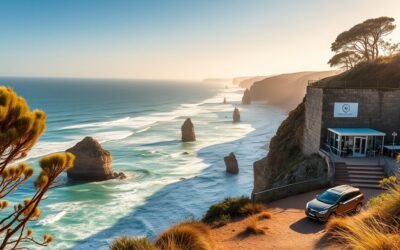
The best time to visit Malta depends on what you want from your holiday. The islands offer hot, dry summers, mild winters, and two excellent shoulder seasons. Your travel dates affect beach conditions, sightseeing comfort, accommodation costs, and festival experiences. Understanding Malta’s weather month by month will help you choose the right time.
Quick Answer
The best time to visit Malta for most travelers is April–May or September–October. These months offer warm weather, more comfortable sightseeing conditions, and fewer summer crowds. Choose July or August for the hottest beach weather, or November–February for quieter attractions and generally lower accommodation costs.
Malta’s Weather by Season: Temperature, Rainfall, and What to Expect

Malta has a Mediterranean climate with hot, dry summers and mild, wetter winters. Spring and autumn bring comfortable temperatures for exploring the islands. The Malta International Airport Meteorological Office provides long-term climate records that help you understand these seasonal differences.
The following table uses the official 1991–2020 climate averages published by Malta’s National Statistics Office. Average maximum temperatures describe typical daytime highs, not the hottest temperatures possible.
| Month | Average high (°C) | Rainfall (mm) | Daily sunshine (hours) |
|---|---|---|---|
| January | 15.7 | 79.4 | 5.4 |
| February | 15.7 | 68.9 | 6.6 |
| March | 17.4 | 39.7 | 7.2 |
| April | 20.1 | 18.7 | 8.4 |
| May | 24.3 | 11.0 | 9.9 |
| June | 28.8 | 7.3 | 11.2 |
| July | 31.7 | 0.2 | 11.9 |
| August | 32.0 | 11.2 | 10.9 |
| September | 28.6 | 59.2 | 8.4 |
| October | 25.0 | 77.6 | 7.0 |
| November | 20.8 | 89.1 | 6.1 |
| December | 17.1 | 84.8 | 5.3 |
These figures come from the National Statistics Office’s Malta climate profile, based on observations from 1991–2020. The data comes from the Malta International Airport Meteorological Office.
Here is how the four seasons compare:
- Spring (March–May): Temperatures rise from mild to warm. Rainfall decreases, and the countryside becomes greener.
- Summer (June–August): Hot, sunny weather dominates. Rain is extremely limited, and beach conditions are at their best.
- Autumn (September–November): September remains warm, while October and November bring cooler days and more rain.
- Winter (December–February): Expect mild temperatures, shorter days, and the highest chance of rainy weather.
Malta’s climate makes outdoor activities possible throughout the year. However, your preferred activities should determine which season you choose.
Summer in Malta: How Hot, How Crowded, and How Expensive
Summer is Malta’s hottest and busiest travel season. June through August brings long sunny days, warm swimming water, outdoor events, and lively coastal towns. However, strong heat and higher visitor demand can make sightseeing and accommodation more challenging.
August is generally the hottest month. The official climate averages show a daytime high of 32°C, while July averages 31.7°C.
Peak Summer Temperature Ranges
Summer temperatures regularly reach the low 30s°C, particularly in July and August. August has an average maximum of 32°C, and its average minimum is 23°C. Heatwaves can push daytime temperatures higher.
This weather changes how you should plan your daily activities:
- Morning: Enjoy beach visits, coastal walks, and outdoor sightseeing before the strongest afternoon heat.
- Afternoon: Choose shaded streets, indoor museums, long lunches, or time by the water.
- Evening: Explore waterfront restaurants and village celebrations when temperatures become more comfortable.
Valletta’s limestone streets and exposed historical sites can feel particularly hot during midday. Carry water, wear sunscreen, and allow time for breaks.
Summer Pricing and Crowds
June through August attracts large numbers of international visitors. Popular destinations such as Valletta, Golden Bay, and the Blue Lagoon become especially busy during this period.
Accommodation, flights, and rental cars often cost more because demand is higher. The busiest weeks can also limit your choice of hotels and convenient travel arrangements.
Summer has another advantage: Malta’s traditional village festas create a lively atmosphere. These celebrations feature decorated streets, religious processions, brass bands, and fireworks.
The national calendar also includes important summer holidays. In 2026, the Feast of St. Peter and St. Paul fell on June 29, while the Feast of the Assumption fell on August 15.
For a better balance, consider June or early September instead of the busiest part of August. You can still enjoy warm weather while avoiding some of the peak-season pressure.
The Best Time to Visit Malta for Beach Holidays
The best time for a beach holiday in Malta is June through September. During these months, warm air, increasing sea temperatures, and long daylight hours create excellent conditions for swimming and water activities. October can also work well if you prefer fewer visitors and accept a greater chance of rain.
Malta has several popular coastal destinations, including Golden Bay, St. Peter’s Pool, and the Blue Lagoon on Comino.
Peak Beach Season Months
June, July, August, and September form the main beach season. However, each month offers a slightly different experience.
- June: Warm weather and increasingly comfortable sea conditions make this an excellent month for swimming. Crowds are generally building rather than at their peak.
- July: Hot, dry weather creates ideal conditions for long beach days, snorkeling, and boating.
- August: Expect the hottest conditions and the busiest beaches. This month suits travelers who enjoy a lively summer atmosphere.
- September: The sea retains much of its summer warmth, while temperatures begin to ease. It is a strong choice for beach holidays with fewer peak-season visitors.
Golden Bay is a popular sandy beach, while St. Peter’s Pool offers a different experience with its natural rocky swimming area. The Blue Lagoon is known for its clear turquoise water and attracts many day visitors.
Ideal Swimming Temperatures
The Mediterranean around Malta is warmest during the summer and early autumn. July, August, and September are generally the most comfortable months for extended swimming.
June offers a good balance between warm weather and growing sea temperatures. October can still provide enjoyable swimming conditions, although the water gradually cools as autumn progresses.
Spring is less suitable if warm swimming water is your priority. March, April, and May are better for coastal walks, sightseeing, and enjoying the scenery.
If swimming is the main reason for your trip, choose late July, August, or September. If you prefer fewer crowds, September is often the better compromise.
Spring and Autumn: The Sweet Spot for Most Travelers
Spring and autumn are the best seasons for most travelers visiting Malta. They combine pleasant sightseeing temperatures with fewer visitors than the busiest summer months. You can explore historical towns, enjoy coastal scenery, and spend more time outdoors without dealing with intense summer heat.
Spring runs from March through May, while autumn covers September through November. However, weather conditions change considerably within each season.
Spring: March to May
Spring is an excellent time to explore Malta’s historical attractions and natural landscapes. Temperatures gradually rise, rainfall decreases, and the countryside becomes greener after winter.
- March: Mild weather suits city walks and cultural sightseeing. Average daytime highs reach 17.4°C.
- April: Warmer conditions make this a comfortable month for exploring Valletta, Mdina, and ancient archaeological sites. The average daytime high is 20.1°C.
- May: Temperatures become noticeably warmer, with an average daytime high of 24.3°C. It is a good month for outdoor activities and early beach visits.
Spring is particularly attractive if you enjoy hiking and exploring historical places. You can visit the Dingli Cliffs, walk through Mdina’s narrow streets, and discover Malta’s ancient temples without the strongest summer heat.
Autumn: September to November
Autumn begins with warm weather and gradually becomes cooler and wetter. September is particularly attractive because the sea remains warm after summer. October offers comfortable sightseeing temperatures, while November is better suited to cultural and indoor activities.
- September: Warm temperatures and lingering summer conditions make this one of the strongest months for beaches and sightseeing.
- October: Average daytime highs reach 25°C. This is a good month for exploring Valletta and enjoying cultural events, although rainfall increases.
- November: Average daytime highs fall to 20.8°C. The quieter atmosphere suits travelers interested in history, food, and local life.
September and October are particularly useful if you want a combination of beach time and cultural exploration. However, November receives more rain than the earlier autumn months.
Winter in Malta: What You Gain and What You Sacrifice
Winter in Malta offers a quieter holiday with mild temperatures and fewer beach tourists. December through February is a good period for historical sightseeing, museums, local food, and relaxed city breaks. However, shorter days, rain, and cooler sea temperatures make it less suitable for a traditional beach holiday.
Winter in Malta is less about sunbathing and more about discovering the islands’ history, architecture, and everyday culture.
Average daytime highs range from 15.7°C in January and February to 17.1°C in December. Average nighttime temperatures can fall to around 10°C, so you should bring a warm jacket and comfortable layers.
Rainfall is also more common during winter. December averages 84.8 mm, January 79.4 mm, and February 68.9 mm, according to the official climate profile.
Winter activities include:
- Exploring Valletta’s Baroque architecture and historic streets.
- Visiting Mdina and its historic buildings.
- Discovering archaeological attractions and museums.
- Enjoying Maltese food in local restaurants.
- Taking coastal walks when weather conditions are suitable.
The Ħal Saflieni Hypogeum is another worthwhile cultural attraction. This underground prehistoric site is managed by Heritage Malta and has limited visitor access. Heritage Malta provides ticket and visitor information for this attraction.
You may also find better accommodation deals during winter because tourist demand is generally lower. However, actual prices depend on the dates, location, and availability.
Some seasonal businesses and coastal venues may reduce their opening hours or close temporarily. Plan your activities around the services available during your visit.
If you value quieter attractions and cultural experiences more than swimming, winter can be a rewarding time to explore Malta.
When Is Malta’s Cheapest Time to Visit?
November through February is generally the cheapest period to visit Malta. Lower tourist demand often means more affordable accommodation and better opportunities to find inexpensive flights. However, prices vary by travel date, airline, hotel location, and special events.
Here are three ways to make your travel budget go further:
- Choose winter accommodation: Hotels and guesthouses often reduce their rates during quieter months. You may find better value in Valletta, Sliema, or other popular areas.
- Compare flight dates: Summer demand can increase airfares. Traveling outside school holidays and major summer events may help you find lower fares.
- Enjoy local food: Explore traditional restaurants and local food shops rather than relying entirely on tourist-focused dining areas.
Remember that the cheapest period is not necessarily the best for every traveler. Winter gives you better opportunities to save, but it also brings more rain and less suitable beach weather.
April, May, and October can offer a useful compromise between comfortable weather and the higher demand of peak summer.
Malta’s Best Festivals and Events by Month
Malta’s cultural calendar includes religious celebrations, traditional village festas, music festivals, and major arts events. These activities give you a different way to experience the islands beyond beaches and historical attractions.
Here are several notable events from the official 2026 calendar. Their dates are useful examples, but future editions may have different schedules.
Winter Festivals: January and February
- Valletta Baroque Festival: The 2026 edition ran from January 8–25, bringing classical music performances to historic venues.
- Il-Karnival ta’ Malta: Malta’s main Carnival took place from February 13–17, 2026. Expect colorful costumes, parades, and celebrations.
Winter is a good time to experience Malta’s cultural traditions without the busiest beach-season crowds.
Spring Festivals: March to May
- Mużika Mużika: The 2026 festival ran from March 19–21 and celebrated Maltese music.
- Festgħana: The 2026 edition took place from May 21–24, celebrating traditional Maltese folk music.
Spring is particularly suitable for combining cultural events with comfortable sightseeing.
Summer Festivals: June to August
- Malta International Arts Festival: The 2026 programme ran from June 12–21.
- Malta Jazz Festival: The 2026 event took place from July 6–11.
- Dance Festival Malta: The 2026 edition ran from July 23–26.
- Il-Karnival tas-Sajf: The summer Carnival took place from August 21–23, 2026.
Summer is also the main season for traditional village festas. These celebrations often feature brass bands, religious processions, decorated streets, and fireworks.
June 29 is the Feast of St. Peter and St. Paul, also associated with the traditional Mnarja celebrations. It is an important date in Malta’s cultural calendar.
Autumn Festivals: September to November
- Valletta Guitar Festival: The 2026 event took place from September 10–12.
- Notte Bianca: Held on October 3, 2026, this free annual arts and culture festival transformed Valletta into a lively evening venue for performances, exhibitions, and cultural activities.
- The Three Palaces: The 2026 festival ran from October 28 to November 1, featuring performances in historic Maltese palaces.
Notte Bianca is particularly attractive if you enjoy art, architecture, music, and cultural experiences. Its public programme is free, although individual food, drinks, and other purchases are separate expenses.
For confirmed dates and event information, visit the official Festivals Malta calendar.
Malta also celebrates several national and public holidays. In 2026, important dates included Freedom Day on March 31, Sette Giugno on June 7, Victory Day on September 8, and Independence Day on September 21. You can find the complete list in the Malta Government’s official holiday calendar.
Which Type of Traveler Are You, and When Should You Go?
Your travel interests should determine when you visit Malta. Some travelers prioritize historical attractions and outdoor activities, while others want warm beaches, nightlife, or local food. Choosing your season around these priorities can make your holiday more enjoyable.
The Culture Seeker
If you enjoy ancient ruins, historical architecture, museums, and traditional celebrations, choose April, May, or October.
These months offer comfortable conditions for exploring places such as Valletta, Mdina, and Malta’s archaeological sites. You can also enjoy cultural events without the intense summer heat.
The Food Lover
If food is a major part of your travel experience, September and October are excellent choices. You can explore traditional Maltese dishes, local restaurants, seafood, and regional wines while enjoying comfortable weather.
Try local specialties such as lampuki when available, traditional rabbit dishes, and ftira bread. Seasonal availability varies, so individual dishes may not appear on every restaurant menu throughout the year.
The Sun Chaser
If you want hot beaches, swimming, and lively nightlife, July and August are your strongest options. These months bring Malta’s hottest weather and the most active summer atmosphere.
However, expect busy beaches, higher accommodation demand, and intense midday sunshine. September is a better alternative if you want warm water without quite as much summer pressure.
The Budget Traveler
If saving money matters more than beach weather, consider November through February. This is generally Malta’s quieter tourism period, making it easier to find accommodation deals.
You can still explore historical towns, museums, restaurants, and cultural attractions. Just leave room in your plans for rainy days.
Frequently Asked Questions
Does Malta require a visa for non-EU travelers visiting the island?
Some non-EU travelers need a Schengen short-stay visa to visit Malta, while others qualify for visa-free entry. The requirement depends on your nationality and travel circumstances. Short visits generally fall under the Schengen Type C visa rules, which allow stays of up to 90 days within a 180-day period. Check the official Maltese visa guidance before booking your trip.
What language do locals speak, and is English widely understood?
Maltese and English are both official languages in Malta. English is widely understood and used in tourism, hotels, restaurants, and everyday communication. You can comfortably explore most popular destinations without speaking Maltese.
How many days do most travelers need to explore Malta?
Most travelers should allow 5–7 days for a good introduction to Malta. This gives you time to explore Valletta, Mdina, Gozo, and the Blue Lagoon without rushing every activity. A longer stay allows more time for beaches, historical attractions, and relaxed coastal exploration.
Is Malta suitable for families traveling with young children?
Yes, Malta is a suitable destination for families with young children. Families can enjoy sandy beaches, boat trips, historical attractions, and family-friendly accommodation. Spring and early autumn are particularly comfortable for outdoor activities with children because temperatures are generally milder than in midsummer.
What currency does Malta use, and are credit cards widely accepted?
Malta uses the euro (€) as its official currency. Credit and debit cards are widely accepted at hotels, restaurants, and larger shops. However, carrying some cash is useful for smaller purchases and businesses that may prefer cash payments.
Conclusion
The best time to visit Malta depends on the holiday you want. Choose April or May for comfortable sightseeing, September for warm beaches and fewer summer crowds, or November through February for quieter attractions and potential savings.
For most travelers, September and October offer an excellent balance of warm weather, cultural experiences, and manageable visitor numbers. Decide whether beaches, sightseeing, or budget matters most, then choose your travel dates accordingly.
Sources
- National Statistics Office: The State of the Climate: Official Malta climate averages for 1991–2020, including temperature, rainfall, and sunshine.
- Festivals Malta: Official 2026 festival programme and event dates.
- Government of Malta: Public Holidays: Official national and public holiday dates for 2026.
- Maltese Ministry of Foreign Affairs: General Visa Questions: Schengen visa requirements, exemptions, and short-stay rules.
- Heritage Malta: Ħal Saflieni Hypogeum: Official visitor, ticket, and attraction information.