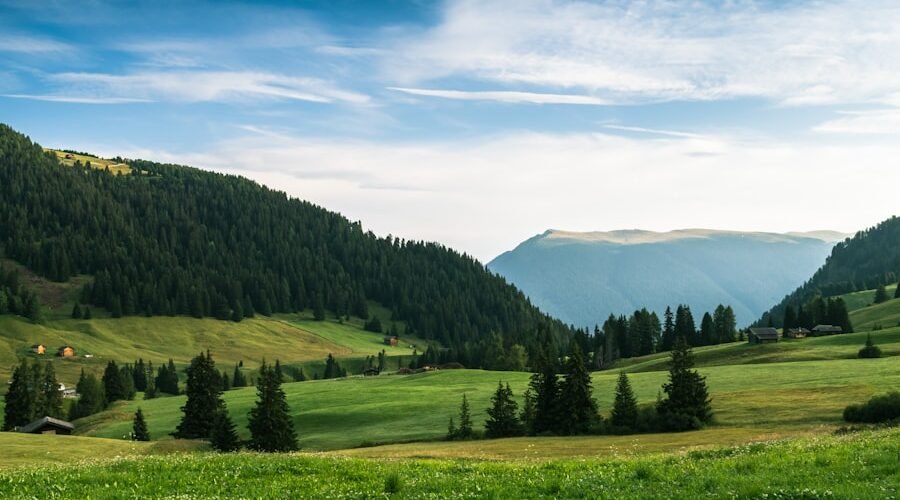
Planning a trip to Manavgat, Antalya? The right month can make a big difference to your beach time, sightseeing, hotel costs, and overall comfort. The best time to visit Manavgat depends on whether you want warm Mediterranean water, peaceful ancient ruins, lively markets, or a quieter holiday on a budget.
Quick Answer
The best time to visit Manavgat is late May to early June or mid-September to early October. These periods balance sunshine, swimming conditions, crowds, and hotel demand. Choose April or October for sightseeing, July or August for the hottest beach weather, and November through March for a quieter, usually cheaper trip.
Last checked: October 23, 2026. Dates and figures were verified against official sources.
Key Takeaways
- May offers pleasant sightseeing weather, but the sea can still feel cool. September has noticeably warmer water.
- July and August bring the most intense heat, busiest beach resorts, and generally highest accommodation demand.
- April and October are excellent for exploring Side’s ancient ruins, Manavgat Waterfall, and the surrounding countryside.
- The main Manavgat markets operate on Mondays and Thursdays throughout the year, making them useful even outside the resort season.
- Winter is quieter and often cheaper, but rain and reduced seasonal tourism services make it less suitable for a classic beach holiday.
Manavgat Weather: What Is Each Season Like?
Manavgat has a Mediterranean climate, with hot, mostly dry summers and mild, wetter winters. Spring and autumn bring a more comfortable balance for sightseeing, outdoor activities, and time by the coast.
According to the Turkish State Meteorological Service’s Antalya climate statistics, average daytime highs range from about 15°C (59°F) in January to 34°C (93°F) in July and August. These are Antalya station averages, which provide a regional guide rather than exact Manavgat measurements.
Spring (March to May): Comfortable Sightseeing Weather
Spring is one of my top recommendations if you want to explore Manavgat without the intense summer heat. Temperatures rise steadily, rainy days become less frequent, and the countryside begins to look greener.
- March: Average daytime highs near 18°C (64°F), with cool evenings and a chance of rain.
- April: Average highs near 21°C (71°F), making it a strong month for historical sites and walking.
- May: Average highs around 26°C (78°F), with warmer sunshine and increasingly appealing beach conditions.
April is especially good for exploring Side, the Manavgat River, and countryside walking routes. By May, you can combine sightseeing with relaxing beside a hotel pool or visiting the beach.
The sea remains relatively cool during early spring. Even in May, the water may feel brisk to swimmers who prefer tropical temperatures.
Summer (June to August): Hot, Sunny, and Busy
Summer offers the most reliable beach weather, but also the greatest heat exposure. June starts with long sunny days, while July and August bring peak temperatures and busy resort areas.
- June: Average highs near 31°C (87°F), with very little rainfall.
- July: Average highs around 34°C (94°F), with hotter days sometimes exceeding 35°C (95°F).
- August: Average highs near 34°C (93°F), along with warm nights and strong sunshine.
July and August are excellent for swimming, beach holidays, and boat excursions. However, long walks through the ancient city of Side can become exhausting in the afternoon.
For summer sightseeing, visit outdoor attractions early or closer to sunset. Carry drinking water and take regular breaks in shaded areas.
Autumn (September to November): Warm Sea, Cooler Days
Autumn is another excellent time to visit Manavgat, particularly if you enjoy swimming. The Mediterranean retains much of its summer warmth even as the daytime air starts to cool.
- September: Average highs around 31°C (88°F), with generally dry weather and warm sea water.
- October: Average highs near 27°C (80°F), with a greater chance of showers as the month progresses.
- November: Average highs around 21°C (71°F), with shorter days and increasingly wet weather.
September is my top autumn choice for combining beach time with sightseeing. October is better if you prefer walking, exploring archaeological sites, and avoiding the strongest heat.
November is quieter, although rain becomes a more significant consideration.
Winter (December to February): Mild but Rainy
Winter is the quietest time for a typical Manavgat resort holiday. Daytime temperatures are usually mild compared with much of Europe, but frequent rain and cooler evenings can limit outdoor plans.
- December: Average highs near 17°C (62°F), with substantial winter rainfall.
- January: Average highs around 15°C (59°F), making it one of the coolest months.
- February: Average highs near 16°C (60°F), with conditions gradually improving toward spring.
The region is generally too cool for comfortable beach swimming in winter. However, dry days can still be enjoyable for walking, local shopping, and visiting historical attractions.
Winter is best for travelers who value peace, cultural experiences, and lower accommodation demand rather than traditional seaside activities.
When Is Manavgat Most Crowded?
Manavgat’s visitor numbers change noticeably throughout the year. The busiest periods occur during the summer resort season, while spring and autumn usually offer more space at beaches, markets, and major attractions.
Where you stay also matters. Central Manavgat functions as a working town throughout the year, while the nearby coastal resorts of Side, Kumköy, Sorgun, and Evrenseki experience stronger seasonal changes.
Peak Season: July and August
July and August are generally the busiest months for tourists. European summer school holidays bring large numbers of visitors to the coastal hotels and beaches.
During these months, expect:
- Higher demand for popular beachfront hotels and all-inclusive resorts.
- Busy beaches and swimming pools, especially during the afternoon.
- More visitors at Manavgat Waterfall and Side’s archaeological attractions.
- Greater demand for boat trips, rafting excursions, and rental cars.
- Livelier restaurants, shopping streets, and evening entertainment areas.
Peak season suits travelers who enjoy a lively resort atmosphere. Families traveling around school schedules may also find these months the most practical.
Shoulder Season: April to June and September to October
These months offer a useful compromise between pleasant weather and tourist activity. Resorts are generally quieter than during peak summer, although late June can already be busy.
May and September are particularly attractive because most major holiday services are active. Restaurants, excursions, and beach facilities usually offer a wider selection than during winter.
Keep in mind that public holidays can create temporary increases in domestic travel demand, even outside July and August.
Low Season: November to March
Tourist numbers fall during the cooler months, especially from December through February. Coastal hotels may reduce services, close for seasonal maintenance, or suspend some activities.
However, central Manavgat does not shut down for winter. Local shops, markets, restaurants, and everyday businesses continue serving residents.
For a quiet cultural holiday, this distinction is useful: you may have fewer resort entertainment choices, but Manavgat itself remains an active town.
When Is Manavgat Cheapest to Visit?

November through March is generally the cheapest period for accommodation in Manavgat, particularly when compared with the summer resort season. However, the lowest advertised room rate does not always mean the best overall holiday value.
Hotel prices depend on the property, location, booking date, room type, meal plan, and local demand. There is no reliable single nightly rate that represents all Manavgat hotels.
July and August: Highest Accommodation Demand
Summer school holidays place strong pressure on beachfront accommodation. Popular family resorts and all-inclusive hotels often charge higher rates than during quieter months.
Car rentals and organized excursions may also become more expensive during busy periods. Booking early provides more accommodation choices, though it does not guarantee the lowest price.
May, June, September, and October: Better Overall Value
For many visitors, shoulder-season travel offers the best balance between cost and experience. You can enjoy warm weather and active tourism services without paying for the busiest summer dates.
Late May and late September are especially worth considering. Early June and early October can also work well, depending on your preferred activities.
September is not automatically cheap, particularly at popular coastal properties. Compare equivalent room types and meal packages rather than assuming all shoulder-season stays cost less.
November to March: Lowest Demand, More Trade-Offs
Winter accommodation can offer substantial savings, especially at hotels that remain open year-round. However, heated pools, entertainment programs, beach bars, and other facilities may not operate as they do in summer.
Flight costs also depend on your departure airport and available routes. Reduced seasonal flight services can offset cheaper hotel rates.
If your main goal is sightseeing rather than swimming, winter may still offer good value.
Cost and Crowd Comparison at a Glance
The table compares four representative months across the year. Crowd and cost categories are general seasonal estimates, not published hotel-price statistics.
| Month | Weather | Crowds | Costs |
|---|---|---|---|
| January | Cool and rainy | Very low | Generally low |
| April | Mild spring weather | Low to moderate | Moderate |
| July | Very hot and dry | Very high | Generally highest |
| October | Warm, with some rain | Low to moderate | Moderate to low |
Best Time for Manavgat Activities and Attractions

Manavgat offers more than beaches. Its waterfall, river, local markets, nearby ancient cities, and mountain landscapes make it a useful base for several kinds of holiday.
The most comfortable season depends on the activity. Swimming benefits from warm summer and early autumn water, while historical sightseeing and hiking are better during milder months.
Swimming, Beaches, and Boat Trips: Late May to October
September is one of the best months for swimming near Manavgat. The sea remains warm after summer, while the hottest part of the year is beginning to pass.
The Antalya Provincial Directorate of Culture and Tourism’s official Side tourism booklet provides these indicative sea temperatures:
- May: Approximately 20°C (68°F).
- June: Approximately 23°C (73°F).
- July: Approximately 25°C (77°F).
- August: Approximately 27°C (81°F).
- September: Approximately 26°C (79°F).
- October: Approximately 23°C (73°F).
These are historical regional averages, not forecasts for any particular travel date.
Late May and June suit travelers who enjoy warm weather without peak summer crowds. July and August provide the hottest beach conditions, while September combines warm water with a more comfortable overall holiday experience.
Early October can still be suitable for swimming, especially for visitors comfortable with slightly cooler water.
Popular coastal areas include Side, Kumköy, Evrenseki, and Sorgun. Many boat excursions operate during the main holiday season, although individual routes and departure schedules vary.
Manavgat Waterfall: April, May, September, and October
Manavgat Waterfall is enjoyable across much of the year, but spring and autumn make visiting more comfortable. Moderate temperatures are helpful when walking around the viewing areas and nearby riverside facilities.
The waterfall is known for its broad flow of blue-green water rather than a dramatic vertical drop. Viewing areas, restaurants, and tea gardens make it a popular stop on local sightseeing trips.
Summer visits are still worthwhile, but the viewing areas may be crowded and the midday heat can make the outing less pleasant.
The waterfall area has an admission system, so budget for a possible entrance charge. A dependable current admission amount was not available from the official records checked.
Manavgat Grand Bazaar and Local Markets: Year-Round
Manavgat’s weekly markets are worth visiting in any season. Spring and autumn are particularly comfortable for walking among stalls selling produce, spices, clothing, textiles, and household goods.
According to the Turkish Ministry of Trade’s official market-place register, the main weekly market locations include:
- Monday market: Aşağı Pazarcı neighborhood, 1010 Sokak, Manavgat.
- Thursday market: Aşağı Hisar neighborhood, Gülveren Caddesi, Manavgat.
- Wednesday market: Çolaklı, a convenient alternative for visitors staying in the western resort area.
The Monday and Thursday markets operate throughout the year. The number of stalls and their opening times can vary, particularly around public holidays.
Visiting in the morning is usually the most comfortable choice, especially in summer. Browsing the market does not require purchasing anything.
Ancient City of Side: April, May, September, and October
The ancient city of Side is one of the area’s main historical attractions. Its Roman theater, old streets, and coastal ruins are much more enjoyable when temperatures are moderate.
The Turkish Ministry of Culture and Tourism’s Side Archaeological Site listing identifies the ancient theater as a major highlight.
At the time of checking, the official listing showed:
- Opening time: 8:00 a.m.
- Closing time: 7:00 p.m.
- Ticket office closing: 6:30 p.m.
- Regular closed days: None listed.
These published visiting hours may change with the season or special arrangements.
April and October are ideal for exploring exposed ruins. If you visit in July or August, early morning is a better choice than walking around the site at midday.
Side’s waterfront and Temple of Apollo area are also popular for evening walks, especially around sunset.
Side Museum: A Useful Stop Throughout the Year
Side Museum is a good addition to a historical visit, particularly during colder weather or when you want a break from outdoor sightseeing.
The museum occupies a restored Roman bath building and displays archaeological finds from Side.
The official Side Museum visitor information listed opening hours of 8:30 a.m. to 7:00 p.m., with ticket sales ending at 6:30 p.m. when checked.
This makes the museum a practical addition to a day exploring the ancient city, subject to the opening hours that apply on your visit.
Aspendos: Best in Spring and Autumn
Aspendos is another rewarding historical excursion from the Manavgat area. Its famous Roman theater is a major attraction, but much of the archaeological visit takes place outdoors.
The official Aspendos Archaeological Site information describes a well-preserved theater with a capacity of approximately 12,000 people, together with other remains such as ancient aqueducts.
For a comfortable visit, choose April, May, September, or October. During the summer, plan around the midday heat.
At the time of checking, the official visitor listing showed opening at 8:00 a.m., closing at 7:00 p.m., and ticket sales ending at 6:30 p.m.
Köprülü Canyon: Rafting, Hiking, and Nature Trips
Köprülü Canyon National Park is one of the region’s best places for outdoor adventure. Spring and autumn offer comfortable conditions for walking, while rafting is especially popular during the warmer months.
The Turkish Ministry of Agriculture and Forestry’s Köprülü Canyon National Park information identifies rafting on the Köprüçay River, canyon activities, nature walks, and historical remains among the area’s attractions.
Spring is appealing for green landscapes and outdoor walking. Summer brings strong rafting demand, while October and November can be pleasant for hiking when conditions are dry.
Rafting should always be planned around actual river conditions, operator availability, and safety requirements. Cooler months may have fewer organized departures.
Warning: High summer temperatures can make exposed archaeological sites and long hiking routes unsafe during the hottest hours. For rafting, use a qualified operator, wear the required safety equipment, and follow guidance about river conditions.
Local Festivals, Cultural Events, and Holidays
Manavgat and Side host local cultural activities, concerts, and seasonal events. Their schedules may change each year, so do not assume a festival will return on the same dates.
Turkey’s religious and national holidays are more predictable and can affect travel demand, market activity, and local business hours.
The Presidency of Religious Affairs’ 2027 religious calendar lists Ramadan beginning on February 8, Eid al-Fitr on March 9–11, and Eid al-Adha on May 16–19.
The official 2027 public holiday calendar also confirms important national holidays throughout the year.
| 2027 date | Holiday or observance | Travel planning consideration |
|---|---|---|
| January 1 | New Year’s Day | Some businesses may adjust opening hours. |
| February 8 | Ramadan begins | Some local dining routines and business hours may differ. |
| March 9–11 | Eid al-Fitr | Domestic travel and family visits may increase demand. |
| April 23 | National Sovereignty and Children’s Day | A public holiday that may bring local outings. |
| May 16–19 | Eid al-Adha | Holiday travel may increase demand during an otherwise attractive spring period. |
| July 15 | Democracy and National Unity Day | A public holiday during the busy summer season. |
| August 30 | Victory Day | National celebrations and local travel may affect demand. |
| October 28–29 | Republic Day holiday period | October 28 is a half-day holiday; October 29 is a full public holiday. |
These holidays do not guarantee crowds at every attraction. Their main importance is that domestic travel patterns and opening hours may differ from ordinary weekdays.
Seasonal concerts and cultural programs in Side can also add interest to autumn visits, but future event dates should not be assumed from previous editions.
Manavgat Month-by-Month Weather and Travel Guide
A month-by-month comparison makes it easier to select the right travel dates. For the clearest distinction, compare daytime air temperature with sea temperature rather than judging beach conditions from sunshine alone.
The air temperature figures below come from the official Antalya station record covering 1930–2025. Sea temperatures come from the Antalya tourism authority’s published Side reference table. Both describe typical historical conditions, not a daily forecast.
Crowd levels are practical seasonal estimates based on the area’s tourism pattern, not official monthly visitor counts.
| Month | Average high | Sea temperature | Crowds | Best for |
|---|---|---|---|---|
| January | 15.0°C | 16°C | Very low | Quiet sightseeing |
| February | 15.6°C | 16°C | Very low | Low-season stays |
| March | 18.0°C | 16°C | Low | Walking and ruins |
| April | 21.4°C | 17°C | Low to moderate | Sightseeing and hiking |
| May | 25.7°C | 20°C | Moderate | Balanced holidays |
| June | 30.8°C | 23°C | Moderate to high | Beach and boat trips |
| July | 34.2°C | 25°C | Very high | Summer resorts |
| August | 34.1°C | 27°C | Very high | Warmest sea |
| September | 31.2°C | 26°C | Moderate to high | Swimming and sightseeing |
| October | 26.6°C | 23°C | Low to moderate | Comfortable exploring |
| November | 21.4°C | 20°C | Low | Quiet cultural visits |
| December | 16.7°C | 18°C | Very low | Off-season stays |
January and February: Peaceful Winter Months
January and February are best if you want a quiet visit without depending on beach weather. Expect cool evenings, frequent rain, and fewer seasonal resort services.
These months suit relaxed town visits, market shopping, and historical sightseeing on dry days.
March: The Transition Toward Spring
March becomes more comfortable for walking as the region moves away from winter. Average daytime temperatures rise to around 18°C (64°F).
The sea remains cold for most swimmers, but outdoor sightseeing becomes more appealing. Cultural and historical activities are better reasons to visit than water sports.
April: Excellent for Outdoor Exploration
April combines mild weather with increasing sunshine. The average daytime high is around 21°C (71°F), which makes exploring the ancient ruins much easier than in midsummer.
Hiking, nature photography, and visits to the waterfall are especially attractive. Swimming is possible for cold-water enthusiasts, but the sea is still relatively cool.
May: My Top Choice for a Balanced Holiday
May offers one of the most useful combinations of weather and activities. Daytime highs average about 26°C (78°F), making both sightseeing and relaxing by the beach enjoyable.
The sea averages about 20°C (68°F) in the tourism authority’s historical figures. Late May is a better swimming choice than early May as the water warms.
For 2027, remember that Eid al-Adha falls on May 16–19, so demand may differ from a typical May week.
June: The Start of Serious Summer Heat
June is excellent for beach holidays and water activities. Average highs approach 31°C (87°F), while the sea becomes significantly warmer than in spring.
Early June generally offers a better chance of avoiding the busiest resort period. Later in the month, holiday activity increases and sightseeing becomes less comfortable during midday.
July and August: The Hottest Beach Months
July and August are best for visitors who want a classic summer resort holiday. Sunshine, warm water, and a busy tourism atmosphere are the main advantages.
The trade-offs are intense heat, crowded beaches, and higher hotel demand. If you’re traveling with young children or planning long outdoor walks, the heat deserves special consideration.
September: Best for Warm-Sea Swimming
September is an outstanding choice for visitors who want swimming, boat trips, and sightseeing in one holiday. Regional sea temperatures average around 26°C (79°F), while daytime conditions become more comfortable as autumn progresses.
The first part of September can remain quite busy. Later September often provides a more relaxed setting, particularly outside major resort entertainment areas.
October: Warm Days and a Quieter Atmosphere
October is one of the strongest months for travelers focused on ancient sites, local culture, and walking. Average daytime highs remain around 27°C (80°F), although rainfall increases compared with summer.
Early October is usually the better option for combining swimming with sightseeing. Later October becomes more suitable for relaxed exploration as the season winds down.
November and December: Slower Travel and Cooler Weather
November marks a clear move toward winter, although daytime temperatures can remain pleasant. December becomes wetter and cooler, with many seasonal beach businesses reducing their operations.
These months work best for visitors who prefer quiet streets, local food, cultural attractions, and flexible sightseeing plans.
Which Month Should You Choose for Your Manavgat Trip?
The ideal month depends on how you plan to spend your days. A beach-focused traveler will make a different choice from someone who wants to explore archaeological sites or save on accommodation.
Best for Beach Lovers: June and September
Choose June if you want summer sunshine before the strongest July and August heat. Choose September if warmer sea water matters more to you.
Late May and early October are worthwhile alternatives if you are comfortable with cooler swimming conditions.
Best for History and Culture: April, May, and October
These months suit visits to Side, Aspendos, and the surrounding historical sites. Moderate temperatures make walking around exposed ruins much more comfortable.
March and November can also work, provided you allow for cooler or wetter days.
Best for Budget Travelers: November to March
The low season is the best starting point if accommodation savings are your top priority. You may find better room rates at hotels that stay open throughout the year.
However, factor in transport costs, seasonal closures, and available hotel facilities before choosing the cheapest dates.
Best for Avoiding Crowds: Late April and October
Late April and October provide a good chance of exploring attractions without peak summer congestion. Early May and late September are also appealing, although some resorts remain busy.
Avoiding public holiday periods can make these dates even more attractive.
Best for Families: Late May, June, or September
Families who can travel outside the busiest school holidays may prefer late May, June, or September. These periods offer plenty of sunshine without always reaching the harshest summer temperatures.
If school schedules restrict you to July or August, prioritize accommodation with reliable shade, cooling, and easy access to swimming facilities.
Frequently Asked Questions
What month has the best weather in Manavgat?
May and October offer warm days without the usual July and August heat. September is better if you also want warmer sea water.
When is Manavgat busiest?
July and August are generally the busiest tourist months because resort holidays and school vacations overlap. The main markets are also busier on Mondays and Thursdays.
When is the low season in Manavgat?
November through March is generally quieter, especially from December through February. Expect more rain and fewer seasonal boat trips, although town markets and archaeological attractions may still operate.
Is Manavgat cheaper in May or September?
May and September often cost less than July or August, but deals vary by hotel and booking date. The May 16–19, 2027 Eid al-Adha holiday may raise demand on those dates.
How can I avoid crowds in Manavgat?
Plan for late April, early May, late September, or October and visit sights in the morning. Avoid major holiday dates and the midday rush at Side’s outdoor ruins.
Can you swim in Manavgat in October?
October swimming is possible, especially early in the month. The official Side tourism booklet lists about 23°C for October sea water, although weather and personal comfort vary.
What days are Manavgat markets held?
The two main markets are held on Monday in Aşağı Pazarcı and Thursday in Aşağı Hisar. Both operate throughout the year, although public holidays can affect individual stalls.
Sources
- Turkish State Meteorological Service: Historical Antalya monthly air temperatures, average daytime highs, and rainfall patterns.
- Antalya Provincial Directorate of Culture and Tourism: Official Side tourism booklet, regional sea temperature averages, and nearby attractions.
- Turkish Ministry of Trade Market Register: Manavgat’s Monday, Thursday, and other neighborhood market locations and operating days.
- Side Archaeological Site: Official archaeological information, visiting hours, and public access details.
- Side Museum: Museum location, collection background, and published visitor hours.
- Aspendos Archaeological Site: Official theater information, archaeological features, and visitor hours.
- Turkish Ministry of Agriculture and Forestry, Regional Directorate: Köprülü Canyon National Park, rafting, hiking, and cultural attractions.
- Presidency of Religious Affairs, 2027 Religious Calendar: Ramadan, Eid al-Fitr, and Eid al-Adha dates.
- Presidency of Religious Affairs, 2027 Public Holiday Calendar: National holidays, religious holiday periods, and official dates used in the travel-planning table.